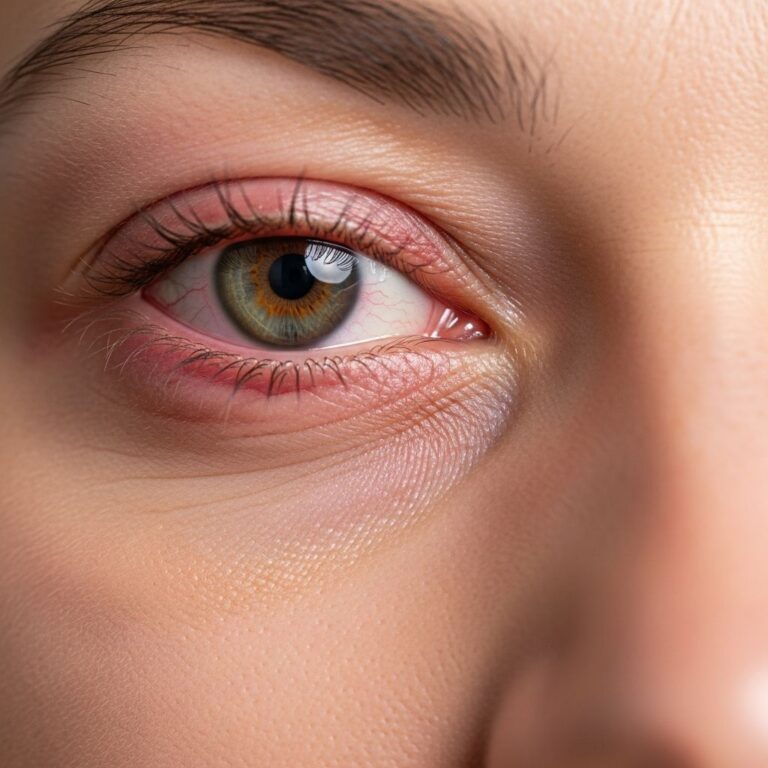
Skin Problems in Painters and Decorators
Understanding occupational dermatitis and skin conditions affecting painters and decorators in the workplace.

Painters and decorators face significant occupational health risks, particularly affecting their skin. The nature of their work exposes them to various chemical agents, irritants, and allergens that can cause a range of dermatological conditions. Understanding these skin problems is essential for both workers and employers to implement effective prevention and management strategies.
Understanding Occupational Contact Dermatitis
Occupational contact dermatitis is the most prevalent skin condition affecting painters and decorators. This condition is caused by direct contact with substances present in paints, solvents, cleaning chemicals, and other workplace materials. The condition encompasses both irritant and allergic contact dermatitis, each with distinct causes and mechanisms.
Irritant Contact Dermatitis in Painting Work
Irritant contact dermatitis is the most common form of occupational skin disease among painters. This condition occurs when the skin barrier is compromised by repeated exposure to irritating substances. Unlike allergic contact dermatitis, irritant dermatitis does not require prior sensitization and can affect most individuals given sufficient exposure.
Common irritants in the painting industry include:
- Paints and paint components
- Organic solvents and thinners
- Water-based paint additives including biocides and surfactants
- Cleaning solutions and degreasers
- Cement-based materials and primers
- Epoxy resins and adhesives
- Continuous hand washing and drying cycles
The condition typically manifests as dry, cracked, itchy, and inflamed skin. Workers may experience symptom improvement during vacations or holidays when exposure ceases, which is a characteristic indicator of work-related dermatitis.
Allergic Contact Dermatitis
Allergic contact dermatitis is less common than irritant dermatitis but can develop at any point during a painter’s career. This form requires prior sensitization to a specific allergen, followed by re-exposure to trigger an allergic response. Epoxy resins used in floor coatings and certain paint components are notable allergens in this industry.
The risk of developing allergic contact dermatitis increases significantly when the skin barrier has already been compromised by irritant exposure. This means that workers who fail to properly manage early irritant dermatitis face elevated risks of subsequent allergic sensitization.
Other Common Skin Diseases Among Painters
Tinea Pedis (Athlete’s Foot)
Research indicates that Tinea pedis is the most prevalent skin disease among painters, affecting approximately 48.0% of exposed workers compared to much lower rates in control populations. This fungal infection of the feet is significantly more common in painters than in non-exposed workers, with an age-adjusted odds ratio of 3.17.
The elevated prevalence may be related to workplace conditions such as moisture exposure, warm environments, and the nature of work environments where fungal growth is favored. Proper foot hygiene and the use of appropriate footwear in the workplace may help reduce infection rates.
Related Stories



Pompholyx (Dyshidrotic Eczema)
Pompholyx, also known as dyshidrotic eczema, is a vesicular skin condition that occurs at significantly elevated rates among painters. The condition is characterized by the development of small, fluid-filled blisters, typically on the hands and feet. Among painting workers, pompholyx prevalence was found to be 11.9%, with an age-adjusted odds ratio of 6.69 compared to control groups.
This condition appears to be directly related to occupational exposure, as it often improves during periods away from work. The exact mechanism linking painting work to pompholyx development remains an area of ongoing investigation, though chemical exposure and skin irritation are implicated factors.
Chemical Hazards and Health Effects
Volatile Organic Compounds (VOCs) and Solvents
Many paints, primers, and coatings contain volatile organic compounds (VOCs) and other solvents that present significant health risks. These chemicals release fumes that can cause both acute and chronic health effects:
Short-term Effects:
- Headaches and dizziness
- Nausea
- Skin and eye irritation
- Respiratory discomfort
Long-term Effects:
- Chronic respiratory problems
- Nervous system effects
- Increased risk of certain cancers
- Persistent dermatological conditions
Water-Based vs. Solvent-Based Paints
The introduction of water-based paints has improved occupational health outcomes for painters. Research comparing painters exposed to water-based paints versus solvent-based paints found that general and work-related eye and skin irritation was more common among workers using solvent-based products. Water-based paints cause significantly less airway irritation and discomfort than traditional solvent-based formulations.
However, water-based paints still contain organic solvents and various additives including biocides, surfactants, pigments, binders, amines, and monomers. Some painters may still experience dermatological symptoms from components in water-based paints, though overall adverse health effects are substantially lower.
Risk Factors and Prevalence Patterns
Prevalence of Occupational Skin Disease
A comprehensive study of shipyard painting workers revealed significant health risks:
| Skin Condition | Prevalence in Exposed Workers | Prevalence in Control Group | Age-Adjusted Odds Ratio |
|---|---|---|---|
| Contact Dermatitis | 11.9% | 2.6% | 4.95 (95% CI: 1.75-14.03) |
| Tinea Pedis | 48.0% | Lower rates | 3.17 (95% CI: 2.06-4.88) |
| Pompholyx | 11.9% | Lower rates | 6.69 (95% CI: 2.05-21.87) |
Factors Not Showing Protection
Interestingly, research found no significant differences in the prevalence of contact dermatitis, Tinea pedis, and pompholyx based on the use of protective equipment, work type, or duration of employment. This suggests that additional factors beyond current protective measures may influence disease development, or that protective equipment effectiveness varies significantly among workers.
Occupational Skin Disease Prevention Strategies
Ventilation and Environmental Controls
Proper ventilation is crucial for reducing exposure to paint fumes and chemical vapors. Ensuring adequate air circulation throughout the workplace helps minimize inhalation of harmful substances and reduces skin contact with aerosolized particles.
Selection of Safer Materials
Professional painters should prioritize the use of low or zero VOC paints when possible. The shift toward water-based formulations represents progress in reducing occupational hazards, though workers should remain aware that these products still contain chemical components requiring precautions.
Personal Protective Equipment (PPE)
Appropriate personal protective equipment is essential for skin protection in painting work:
- Protective gloves to prevent skin contact with paints and solvents
- Long-sleeved shirts and full-length trousers
- Respirators or masks when working with high-VOC products or in poorly ventilated areas
- Eye protection to prevent paint splashes and chemical irritation
- Protective footwear designed for the work environment
Skin Care and Hygiene Practices
Proper skin care at work is fundamental to preventing occupational dermatitis. Key practices include:
- Regular moisturizing with appropriate creams or lotions
- Gentle hand washing with mild soaps
- Avoiding excessive water exposure and repeated wetting-drying cycles
- Using appropriate hand cleaners rather than harsh or abrasive products
- Inspecting skin regularly for early signs of irritation or infection
- Maintaining foot hygiene to prevent fungal infections
Occupational Health Monitoring
Employers should implement health policies and monitoring programs to identify and prevent skin diseases among painting workers. This includes dermatological examinations, compositional analysis of solvents and chemicals used, and regular health assessments of workers.
Work-Related Skin Symptoms and Recognition
Recognition of work-related symptoms is essential for timely intervention. Key indicators that a skin condition is occupationally related include:
- Symptoms that improve during vacations or holidays away from work
- Lesions occurring primarily on exposed areas, particularly hands and arms
- Symptoms that worsen during work weeks or periods of heavy exposure
- Multiple workers experiencing similar symptoms in the same workplace
- Temporal correlation between chemical exposure changes and symptom changes
Management and Treatment Considerations
When occupational skin disease develops, management requires both treatment of the condition and modification of workplace exposure. Workers experiencing persistent dermatological symptoms should seek dermatological evaluation to confirm diagnosis and determine appropriate treatment. In some cases, temporary or permanent changes in job duties may be necessary to allow skin healing.
The case of irritant contact dermatitis illustrates the importance of early intervention. When skin barrier damage occurs, the risk of subsequent allergic sensitization increases dramatically. Workers who develop early signs of irritant dermatitis should implement aggressive skin care and protective measures immediately to prevent progression to more severe conditions.
Frequently Asked Questions
Q: How common is contact dermatitis among painters?
A: Contact dermatitis affects approximately 11.9% of painters exposed to occupational chemicals, compared to only 2.6% in control populations. This represents a nearly 5-fold increased risk for painters.
Q: Can protective equipment prevent occupational skin disease among painters?
A: While protective equipment is essential, research shows no significant difference in disease prevalence based on protector use, suggesting that compliance, proper fit, and maintenance of equipment may be critical factors. Skin care practices and early intervention are also important.
Q: Are water-based paints safer than solvent-based paints for skin health?
A: Yes, water-based paints produce significantly less skin and eye irritation than solvent-based paints. However, they still contain chemical additives that may cause dermatological symptoms in some individuals.
Q: Why is tinea pedis so common among painters?
A: Tinea pedis affects 48.0% of painters, likely due to workplace conditions such as moisture exposure, warm environments, and reduced ventilation that favor fungal growth.
Q: What should workers do if they develop symptoms of occupational dermatitis?
A: Workers should seek dermatological evaluation, inform their healthcare provider about workplace exposures, implement enhanced skin care practices immediately, ensure proper use of protective equipment, and discuss workplace modifications with their employer.
References
- Skin diseases of male workers in painting workplace — Journal of Preventive Medicine and Public Health. 1997. https://www.jpmph.org/journal/view.php?number=343
- Occupational exposure to water based paint and symptoms from the respiratory tract, eyes and skin — PubMed Central/National Institutes of Health. https://pubmed.ncbi.nlm.nih.gov/8130846/
- Construction workers and occupational contact dermatitis — Australasian Society for Occupational Dermatology. https://www.occderm.asn.au/resources-about-skin-health/construction-workers/
- Health Hazards in Commercial Painting — Smith Pro Painting. https://www.smithpropainting.com/blog/what-to-know-about-health-hazards-in-commercial-painting
- What injuries do commercial painters face at work? — Serving Injured Workers. 2024. https://servinginjuredworkers.com/blog/2024/04/what-injuries-do-commercial-painters-face-at-work/
Similar Articles








Read full bio of Sneha Tete