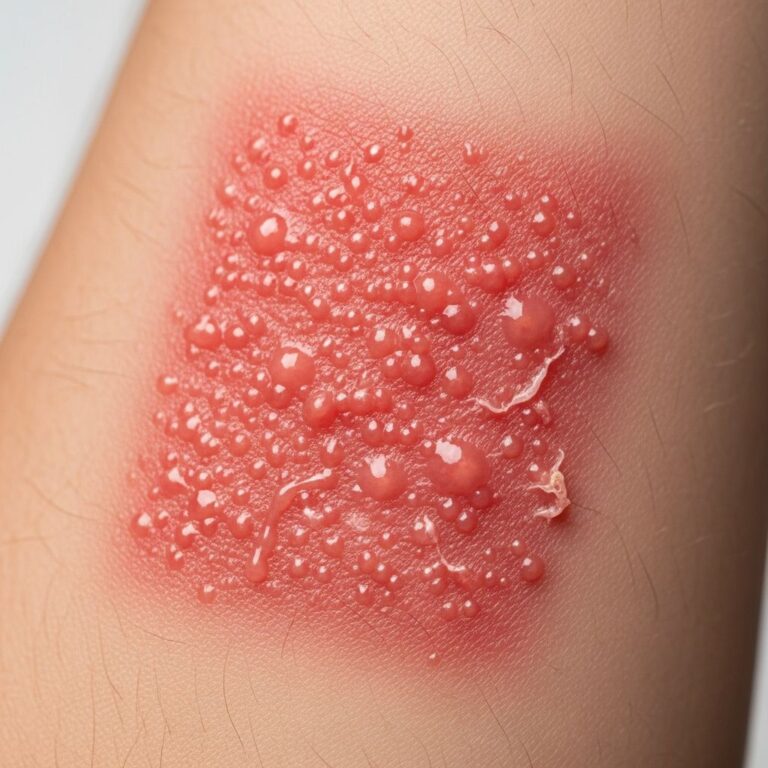
Skin Rash: Types, Causes, Symptoms & Treatment
Complete guide to understanding skin rashes, identifying causes, and exploring effective treatment options.
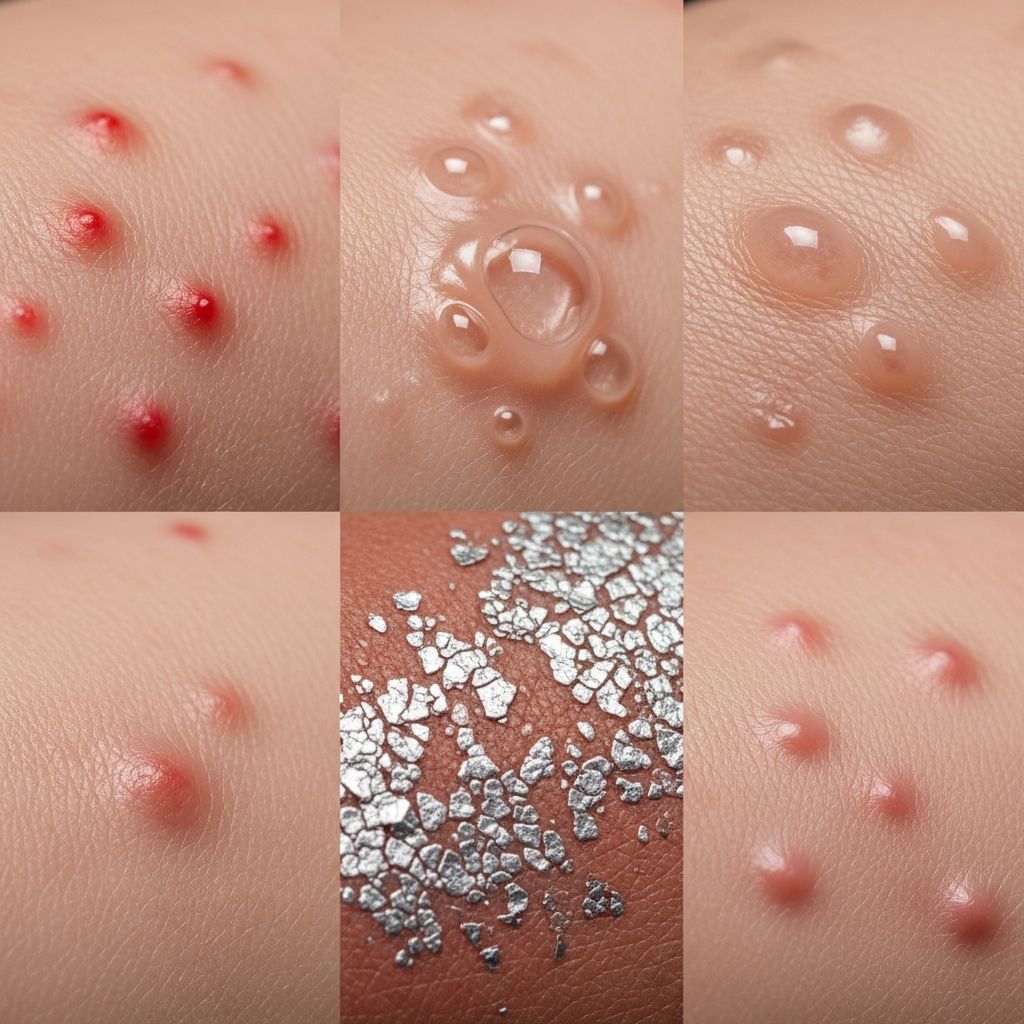
A skin rash is one of the most common dermatological complaints, affecting people of all ages and backgrounds. Whether sudden or gradual, localized or widespread, rashes can be uncomfortable, unsightly, and sometimes alarming. Understanding what causes a rash, how to identify it, and when to seek professional help is essential for proper management and recovery.
What Is a Skin Rash?
A skin rash refers to a temporary eruption or discoloration of the skin that may be accompanied by itching, burning, or pain. Rashes can appear as red bumps, blistered patches, scaly areas, or hives. They may develop suddenly or progress gradually over time. Most rashes are harmless and resolve on their own, but some may indicate underlying health conditions requiring medical attention.
Common Types of Skin Rashes
Contact Dermatitis
Contact dermatitis occurs when the skin comes into contact with an irritating substance or allergen. This type of rash develops at the site of contact and can appear within minutes to hours after exposure. Common triggers include poison ivy, nickel jewelry, latex gloves, and certain cosmetics or cleaning products. The rash typically presents as redness, itching, and sometimes blistering.
Eczema (Atopic Dermatitis)
Eczema is a chronic inflammatory skin condition characterized by intense itching, dry skin, and inflamed patches. People with eczema often experience flare-ups triggered by stress, harsh soaps, extreme temperatures, or irritating fabrics. The condition usually begins in childhood but can persist into or develop during adulthood. Management involves moisturizing regularly and avoiding known triggers.
Psoriasis
Psoriasis is an autoimmune condition that causes the skin to produce new cells too quickly, resulting in thick, scaly patches. These patches are often red, itchy, and painful. Psoriasis commonly appears on the elbows, knees, scalp, and lower back. Stress, infections, and certain medications can trigger or worsen psoriasis flare-ups.
Hives (Urticaria)
Hives are raised, itchy welts that appear on the skin in response to allergens, stress, or temperature changes. They can range from small bumps to large patches and may appear and disappear within hours. Common triggers include medications, food allergies, insect bites, and latex exposure. Most cases resolve without treatment, but severe reactions may require medical intervention.
Heat Rash (Prickly Heat)
Heat rash develops when sweat becomes trapped beneath the skin in hot, humid conditions. It typically appears as small red bumps and is accompanied by a prickling or burning sensation. Heat rash is common in babies and young children but can occur in adults during periods of excessive sweating or in warm climates.
Ringworm (Tinea)
Despite its name, ringworm is a fungal infection, not caused by a worm. It appears as a circular, red, scaly patch with a raised border, often resembling a ring. Ringworm is contagious and spreads through direct contact with infected individuals or contaminated surfaces. It commonly affects the feet, groin, or scalp and requires antifungal treatment.
Related Stories



Impetigo
Impetigo is a highly contagious bacterial infection that primarily affects children. It presents as red sores or blisters that quickly burst, leaving a yellowish crust. The infection spreads easily through direct contact and is most common in warm, humid weather. Antibiotic treatment is necessary to resolve impetigo and prevent spread to others.
Common Causes of Skin Rashes
- Allergic Reactions: Food allergies, medication reactions, or environmental allergens can trigger rashes.
- Irritants: Harsh chemicals, soaps, detergents, or cosmetics may irritate sensitive skin.
- Infections: Bacterial, viral, or fungal infections can cause various types of rashes.
- Autoimmune Conditions: Diseases like psoriasis and lupus cause rashes as part of systemic inflammation.
- Environmental Factors: Heat, cold, humidity, or sun exposure can trigger or worsen rashes.
- Stress: Emotional stress can exacerbate certain skin conditions.
- Insect Bites: Mosquitoes, fleas, and bed bugs cause localized rashes and itching.
- Medications: Some drugs may cause adverse skin reactions.
Symptoms Associated With Skin Rashes
The symptoms accompanying a rash vary depending on its cause and severity:
- Redness or discoloration of affected areas
- Itching, ranging from mild to severe
- Burning or stinging sensations
- Swelling or inflammation
- Blistering or oozing
- Dry, cracked, or peeling skin
- Warmth around the affected area
- Pain or tenderness
Some rashes are accompanied by systemic symptoms such as fever, chills, joint pain, or swollen lymph nodes, which may indicate a more serious underlying condition.
When to Seek Medical Attention
While most rashes are harmless and resolve independently, certain situations warrant professional medical evaluation:
- The rash covers a large area of the body
- The rash is accompanied by fever, difficulty breathing, or swelling of the face
- The rash is painful, blistered, or oozing pus
- The rash persists for more than two weeks without improvement
- The rash interferes with daily activities or sleep
- You have a weakened immune system or are pregnant
- The rash is spreading rapidly or appears infected
Diagnosis of Skin Rashes
Healthcare providers diagnose rashes through visual examination and sometimes additional testing. A dermatologist may ask about the rash’s onset, duration, associated symptoms, recent exposures, and medical history. For suspected allergic reactions, patch testing may be performed. If infection is suspected, skin cultures or biopsies may be necessary to identify the specific pathogen.
Treatment Options for Skin Rashes
Over-the-Counter Treatments
Many rashes can be managed with topical treatments available without prescription:
- Moisturizers: Help prevent skin dryness and maintain skin barrier function
- Hydrocortisone Cream: A mild steroid that reduces inflammation and itching
- Antihistamine Creams: Provide relief from itching caused by allergic reactions
- Calamine Lotion: Soothes irritated skin and reduces itching
- Antifungal Creams: Treat fungal infections like ringworm or athlete’s foot
Prescription Treatments
More severe or persistent rashes may require prescription medications:
- Topical Steroids: Stronger formulations reduce inflammation in moderate to severe cases
- Oral Medications: Antihistamines or corticosteroids treat widespread or severe rashes
- Antibiotics: Necessary for bacterial infections such as impetigo
- Antifungal Medications: Oral or topical treatments for stubborn fungal infections
- Immunosuppressants: Used for autoimmune conditions like psoriasis or severe eczema
Home Care and Prevention
Self-care measures can significantly improve rash symptoms:
- Keep the affected area clean and dry
- Avoid scratching, which can worsen the rash and cause infection
- Use lukewarm water and gentle cleansers when bathing
- Apply moisturizer to damp skin to lock in hydration
- Wear loose, breathable clothing to reduce irritation
- Avoid known triggers and irritants
- Use fragrance-free products when possible
- Apply cool compresses to soothe itching
Prevention Strategies
Reducing your risk of developing skin rashes involves identifying and avoiding triggers:
- Maintain Good Hygiene: Wash hands regularly and keep skin clean to prevent infections
- Avoid Allergens: Identify and avoid substances that trigger reactions
- Use Appropriate Sun Protection: Apply sunscreen to prevent sun-induced rashes
- Manage Stress: Practice relaxation techniques to reduce stress-triggered rashes
- Wear Protective Clothing: Use gloves when handling irritating substances
- Choose Appropriate Fabrics: Opt for soft, breathable materials like cotton
- Keep Skin Moisturized: Regular moisturizing prevents dry skin conditions
Frequently Asked Questions
Q: How long does a typical skin rash last?
A: The duration varies widely depending on the cause. Most simple rashes resolve within one to two weeks with proper care. Chronic conditions like eczema or psoriasis require ongoing management. If a rash persists beyond two weeks, consult a healthcare provider.
Q: Can I exercise if I have a skin rash?
A: It depends on the type and severity of the rash. Sweating can irritate some rashes, so avoid intense exercise during acute phases. Once symptoms improve, gentle activity is usually safe. Always ask your doctor for personalized guidance.
Q: Is it safe to use makeup over a rash?
A: Generally, it’s best to avoid makeup during active rashes as it can trap moisture and bacteria, delaying healing. Once the rash is healing, use hypoallergenic, fragrance-free makeup and ensure tools are clean.
Q: Can rashes be contagious?
A: Some rashes caused by infections like ringworm, impetigo, or chickenpox are highly contagious. Allergic or irritant rashes are not contagious. When in doubt, avoid close contact until a healthcare provider confirms the cause.
Q: What should I avoid during a rash flare-up?
A: Avoid hot water baths, harsh soaps, scented products, tight clothing, scratching, and known triggers. Instead, use lukewarm water, gentle cleansers, and soft clothing to support healing.
Q: Are natural remedies effective for treating rashes?
A: Some natural remedies like oatmeal baths, coconut oil, and aloe vera may provide soothing relief for minor rashes. However, they’re not substitutes for medical treatment in serious cases. Always consult a healthcare provider before trying new remedies.
References
- Contact Dermatitis: Etiology, Diagnosis, and Treatment — American Academy of Dermatology. 2024. https://www.aad.org/public/diseases/eczema/contact-dermatitis
- Atopic Dermatitis (Eczema): Causes, Diagnosis, and Treatment — National Institute of Arthritis and Musculoskeletal and Skin Diseases (NIAMS). 2023. https://www.niams.nih.gov/health-topics/atopic-dermatitis
- Psoriasis: Overview and Management Strategies — Mayo Clinic. 2024. https://www.mayoclinic.org/diseases-conditions/psoriasis/diagnosis-treatment/drc-20355845
- Urticaria and Angioedema: Clinical Presentation and Diagnosis — American Academy of Dermatology. 2024. https://www.aad.org/public/diseases/hives-and-angioedema
- Heat Rash (Miliaria): Pathophysiology and Treatment — Dermatology Online Journal. 2023. https://dermatologyonline.ca/heat-rash-miliaria
- Impetigo: Diagnosis and Treatment Guidelines — Centers for Disease Control and Prevention (CDC). 2024. https://www.cdc.gov/groupastrep/diseases-public/impetigo.html
- Fungal Skin Infections: Types and Treatment — National Health Service (NHS). 2023. https://www.nhs.uk/conditions/fungal-nail-infection/
Similar Articles








Read full bio of Sneha Tete