Skin Rashes: Types, Causes, Symptoms & Treatments
Comprehensive guide to understanding skin rashes, their causes, symptoms, and effective treatment options.
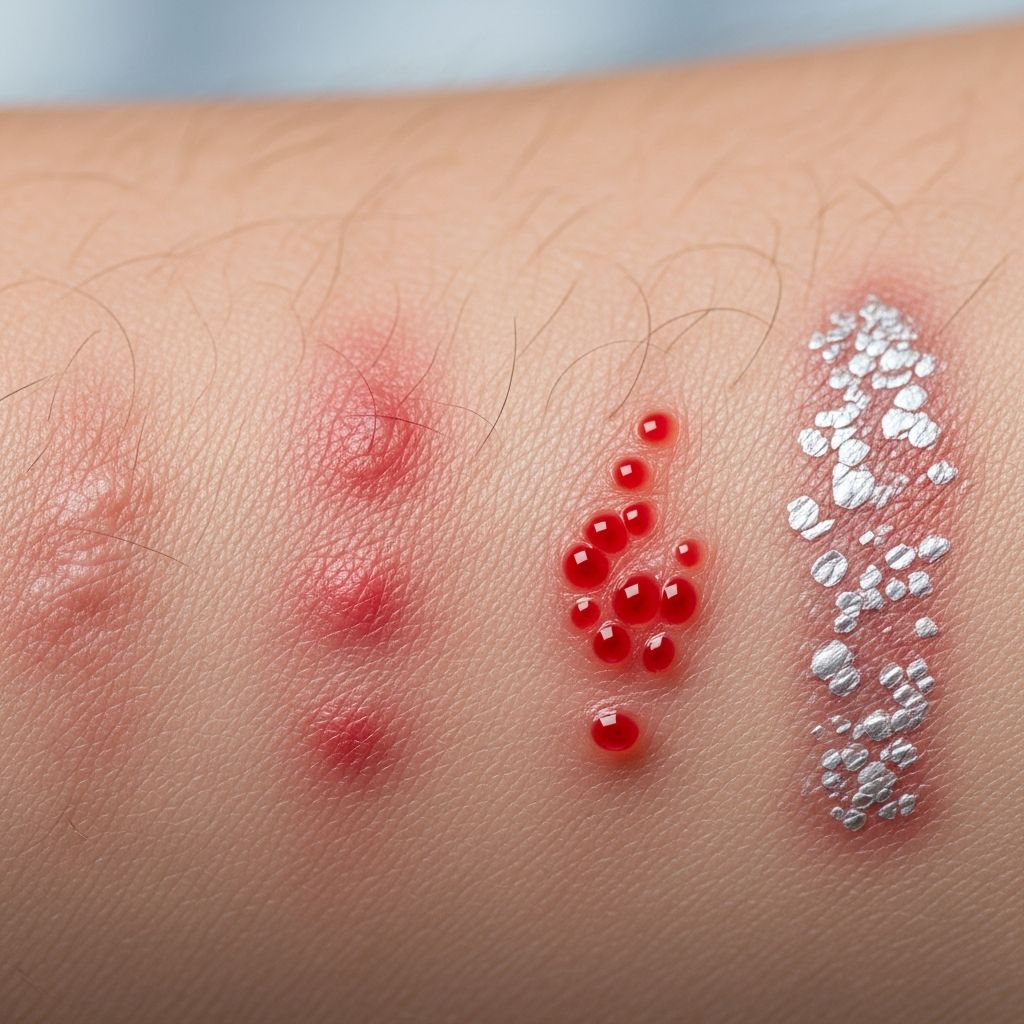
A skin rash occurs when your skin becomes red, inflamed, and bumpy, often accompanied by itching, dryness, or pain. Skin rashes are extremely common and affect people of all ages, from infants to senior citizens. In fact, almost everyone develops at least one skin rash during their lifetime. While rashes are usually bothersome and unsightly, they rarely cause serious problems and typically respond well to appropriate treatment.
What Is a Skin Rash?
A skin rash is a visible change in skin texture or color that develops when your skin reacts to various triggers. Rashes can develop in one specific area of your body or spread across larger regions. They may present as red, bumpy patches that feel dry, itchy, or painful. The primary cause of most skin rashes is dermatitis, which occurs when your skin reacts adversely to allergens or irritants in your environment.
The severity and appearance of a rash can vary significantly depending on its underlying cause. Some rashes are mild and resolve quickly, while others persist for weeks or develop into chronic conditions requiring ongoing management.
Common Types of Skin Rashes
Various types of skin rashes affect different populations:
Diaper Rash
Infants are particularly prone to diaper rash, a condition caused by prolonged moisture and friction in the diaper area.
Cradle Cap
This common condition affects infants and appears as a scaly rash on the scalp.
Atopic Dermatitis (Eczema)
Children are frequently affected by atopic dermatitis, a chronic inflammatory skin condition causing intense itching and skin irritation.
Contact Dermatitis
This type develops when skin comes into direct contact with allergens or irritants, becoming increasingly common as skin sensitivity increases with age.
Fifth Disease
A viral infection commonly affecting children that causes a characteristic rash.
Hives
Raised red bumps or welts caused by allergic reactions that appear and disappear rapidly.
Psoriasis
A chronic skin condition producing thick, scaly patches of inflamed skin.
Rosacea
A long-term inflammatory condition causing facial redness, particularly on the nose, cheeks, and forehead.
Common Causes of Skin Rashes
Many factors can trigger the development of a skin rash. Understanding these causes helps in identifying triggers and preventing future occurrences:
Infectious Causes
Viral infections represent a significant cause of skin rashes. Viruses can trigger various rash types, ranging from mild to severe.
Bacterial infections can also produce skin rashes, often requiring medical intervention to prevent complications.
Allergic and Irritant Reactions
Allergens are substances that trigger immune responses in sensitive individuals. Common allergens include plants like poison ivy, metals, fragrances, and cosmetics.
Irritants are substances that damage the skin directly without involving an allergic response. Examples include harsh soaps, detergents, and environmental chemicals.
Related Stories



Underlying Skin Conditions
Chronic skin conditions such as eczema, psoriasis, dermatitis, and rosacea frequently cause recurring or persistent rashes.
Environmental and Lifestyle Factors
Temperature extremes, humidity changes, sunlight exposure, and stress can all trigger or exacerbate skin rashes.
Recognizing Rash Symptoms
Skin rash symptoms vary depending on the type and underlying cause. However, common characteristics include:
- Red, inflamed skin
- Bumpy or textured appearance
- Intense itching sensation
- Dryness or flaking skin
- Pain or tenderness
- Swelling or puffiness
- Blistering or oozing in severe cases
The location of your rash provides valuable diagnostic information. Rashes can appear on exposed areas like the face and hands, or in areas subject to friction and moisture such as skin folds.
Who Is at Risk?
While anyone can develop a skin rash, certain populations face increased susceptibility:
Infants and young children commonly experience rashes due to their developing immune systems and frequent exposure to new substances. They are particularly prone to diaper rash and viral rashes.
Individuals with sensitive skin or preexisting chronic skin conditions face higher risk of developing contact dermatitis and other rash-related conditions.
Older adults may develop rashes as their skin becomes increasingly sensitive to allergens and environmental changes over time.
People with compromised immune systems are more susceptible to infections that manifest as skin rashes.
Diagnosis of Skin Rashes
Because many different conditions can cause skin rashes, proper diagnosis can be challenging. Your healthcare provider will employ several diagnostic approaches:
Medical Examination
Your provider will carefully examine your rash, noting its appearance, distribution, and characteristics. They will assess your current symptoms and take a detailed medical history, including recent exposures, lifestyle changes, and medication use.
Diagnostic Tests
Depending on the suspected cause, your healthcare provider may recommend:
- Patch testing to identify specific allergens
- Skin culture to detect bacterial or fungal infections
- Skin biopsy to examine tissue samples under microscopic examination
- Allergy testing to determine potential allergic triggers
Specialist Referral
If diagnosis remains unclear, your provider may refer you to a dermatologist—a physician specializing in skin conditions—for expert evaluation and management.
Treatment Options for Skin Rashes
Treatment for skin rashes depends entirely on the underlying cause. Recovery timelines vary, with some rashes resolving within days while others require several weeks of consistent treatment.
Topical Treatments
Creams, ointments, and lotions applied directly to affected skin are frequently prescribed to reduce inflammation, soothe itching, and promote healing.
Oral Medications
Antihistamines and corticosteroids taken internally can provide systemic relief from itching and inflammation.
Lifestyle Modifications
Identifying and avoiding triggers is crucial for preventing rash recurrence. This includes avoiding known allergens, using gentle skincare products, and protecting skin from environmental irritants.
Moisturization
Regular moisturizing helps maintain skin barrier function and reduces irritation, particularly for conditions causing dryness.
Infection Prevention
Keeping the affected area clean and resisting the urge to scratch prevents bacterial infection of open wounds resulting from scratching.
Potential Complications
While most rashes are relatively harmless, potential complications can develop:
Infection: Scratching a rash can break the skin barrier, creating wounds susceptible to bacterial infection. Infected areas appear red, crusty, painful, and may leak pus.
Scarring: Severe rashes or those that persist over extended periods can leave permanent scarring.
Emotional impact: Visible rashes, particularly on the face, can affect self-esteem and psychological well-being.
Sleep disruption: Intense itching can interfere with sleep quality and overall functioning.
Prevention Strategies
You can significantly reduce your risk of developing skin rashes by implementing preventive measures:
- Identify and avoid known allergens and irritants
- Use gentle, fragrance-free skincare products
- Maintain proper hygiene without over-washing
- Protect skin from extreme temperatures and harsh weather
- Wear appropriate clothing to prevent friction-related rashes
- Manage stress through relaxation techniques
- Stay hydrated and maintain a healthy diet
- Wear sun protection to prevent UV-related rashes
When to Seek Emergency Care
Contact your healthcare provider immediately or seek emergency care if your skin rash exhibits any of the following warning signs:
- Severe swelling affecting the face, lips, or throat
- Difficulty breathing or wheezing
- Rash covering a large portion of your body
- Signs of infection including fever, pus, or increasing pain
- Rash accompanied by severe fever or other systemic symptoms
- Blistering or open sores
- Rash that worsens rapidly despite treatment
- Signs of an allergic reaction including hives with systemic symptoms
Living with Chronic Rash Conditions
Some skin conditions, such as psoriasis and eczema, are lifelong and require ongoing management rather than cure. Treatments for these chronic conditions focus on:
- Soothing pain and inflammation
- Managing itching sensations
- Maintaining skin health
- Identifying and avoiding triggers
- Developing personalized long-term care plans
Working closely with your healthcare provider allows for customization of treatment approaches as your condition evolves.
Frequently Asked Questions
Q: How long does a typical skin rash last?
A: The duration varies depending on the cause. Mild rashes from irritants may resolve within days, while allergic reactions or infections might take several weeks. Chronic conditions like eczema require ongoing management.
Q: Can I use home remedies to treat skin rashes?
A: Some mild rashes may improve with home care including cool compresses, gentle moisturizers, and avoiding triggers. However, consult your healthcare provider for persistent or severe rashes before attempting home treatments.
Q: Are all itchy skin conditions considered rashes?
A: Not necessarily. While many rashes are itchy, itching without visible skin changes may indicate other conditions. Any persistent itching warrants professional evaluation.
Q: Can stress cause skin rashes?
A: Yes, stress can trigger or exacerbate certain rashes, particularly in individuals with conditions like psoriasis and eczema. Stress management techniques may help reduce flare-ups.
Q: Should I avoid scratching my rash?
A: Absolutely. Scratching can break skin, introduce infection, and worsen the rash. Use cool compresses and moisturizers to manage itching instead.
Q: When should I see a dermatologist for my rash?
A: Consider seeing a dermatologist if your rash persists longer than two weeks, worsens despite treatment, covers large body areas, or is accompanied by systemic symptoms.
Key Takeaways
Skin rashes are common, generally treatable conditions affecting people of all ages. While they are usually bothersome and unsightly, most rashes respond well to appropriate treatment and rarely cause serious complications. The impact a rash has on your life largely depends on its underlying cause. Although it is difficult to avoid viruses and bacteria, you can actively avoid known allergens and irritants that trigger your symptoms.
Your healthcare provider can identify the specific cause of your rash and develop a customized treatment plan addressing your unique symptoms and rash type. By understanding common triggers, recognizing warning signs, and implementing preventive measures, you can minimize rash-related disruptions to your daily life. Remember that persistent or severe rashes warrant professional medical evaluation to ensure proper diagnosis and effective treatment.
References
- Skin Rash: Types, Symptoms, Causes, Diagnosis & Treatments — Cleveland Clinic. Accessed December 2024. https://my.clevelandclinic.org/health/diseases/17413-rashes-red-skin
- Contact Dermatitis: Symptoms, Causes, Types & Treatments — Cleveland Clinic. Accessed December 2024. https://my.clevelandclinic.org/health/diseases/6173-contact-dermatitis
- Dermatitis: Types, Treatments, Causes & Symptoms — Cleveland Clinic. Accessed December 2024. https://my.clevelandclinic.org/health/diseases/4089-dermatitis
- Hives: Causes, Symptoms, Diagnosis, Treatment & Prevention — Cleveland Clinic. Accessed December 2024. https://my.clevelandclinic.org/health/diseases/8630-hives
- Baby and Childhood Rashes — Cleveland Clinic. Accessed December 2024. https://my.clevelandclinic.org/health/diseases/6951-skin-conditions-in-children
- Eczema: What It Is, Symptoms, Causes, Types & Treatment — Cleveland Clinic. Accessed December 2024. https://my.clevelandclinic.org/health/diseases/9998-eczema
- Rosacea: Symptoms, Causes, Triggers & Treatment — Cleveland Clinic. Accessed December 2024. https://my.clevelandclinic.org/health/diseases/12174-rosacea
Similar Articles








Read full bio of Sneha Tete