Skin Reactions To Face Masks: 3 Types And How To Manage Them
Understand 'maskne', rashes, dryness and allergies from face masks, with expert prevention and treatment strategies.
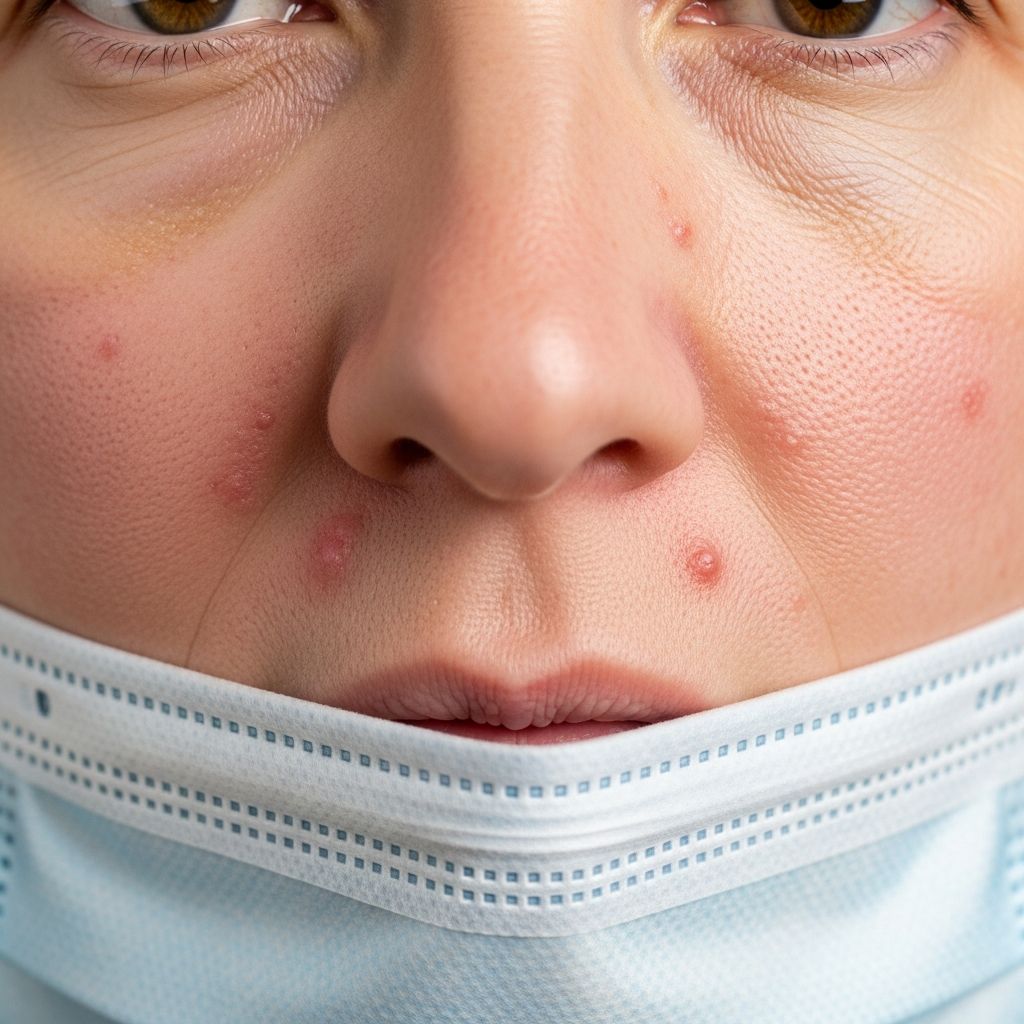
Prolonged use of face masks, especially during pandemics like COVID-19, has led to a surge in dermatological issues collectively termed ‘maskne’ and other reactions. These range from acne exacerbations to irritant and allergic contact dermatitis, primarily due to occlusion, friction, heat, and humidity trapped under the mask.
What are the skin reactions to face masks?
Skin reactions to face masks arise from the unique microenvironment created by occlusion (trapping moisture and sebum), mechanical friction, pressure, and potential irritants or allergens in mask materials. Common sites affected include the cheeks, nose, mouth, chin, and ears, where the mask contacts the skin most closely. Reactions can manifest within hours to days of prolonged wear, particularly exceeding 4-6 hours daily.
Key contributing factors include:
- Occlusion: Masks trap heat, humidity, sweat, and sebum, promoting bacterial overgrowth and pore clogging, leading to acneiform eruptions.
- Friction and pressure: Rubbing from mask edges or tight elastics causes irritant dermatitis, erosions, or even pressure ulcers in severe cases.
- Materials: Synthetic fabrics (nylon, polyester), elastic bands (rubber accelerators), nose wires (nickel), or adhesives can trigger irritant or allergic responses.
- Hygiene: Unwashed masks accumulate bacteria, oils, and dead skin cells, exacerbating issues.
- Pre-existing conditions: Acne, eczema, rosacea, or seborrheic dermatitis often worsen under masks.
Acne (maskne)
‘Maskne’ refers to acne vulgaris or acneiform eruptions induced or aggravated by face masks. It typically presents as closed and open comedones, papules, pustules, and nodules predominantly on the cheeks, chin, nose, and perioral area. The warm, humid conditions under masks increase sebum production and follicular occlusion, fostering Propionibacterium acnes proliferation.
Symptoms include red, tender inflamed lesions, whiteheads, blackheads, and sometimes cystic nodules. Unlike traditional acne, maskne is often symmetrical and confined to mask-covered areas. Risk factors include oily skin, makeup use, and infrequent mask washing.
How to manage acne from face masks
- Cleanse gently twice daily with a mild, non-comedogenic cleanser (e.g., containing salicylic acid or benzoyl peroxide) after mask removal to remove trapped oils without stripping the skin barrier.
- Opt for non-comedogenic moisturizers, sunscreens, and makeup labeled ‘oil-free’ or ‘non-pore-clogging’.
- Avoid heavy oil-based products, foundation, or powder under masks.
- Switch to breathable masks made of cotton or natural fibers; wash daily in hot water with fragrance-free detergent.
- For treatment, use topical retinoids, benzoyl peroxide, or azelaic acid; consult a dermatologist for severe cases or oral isotretinoin if needed.
Dry skin
Xerosis (dry skin) and chapped lips are frequent due to masks absorbing facial moisture or friction disrupting the skin barrier. This leads to scaling, tightness, flaking, and fissuring, especially around the nose and mouth. Over-cleansing or harsh products compound the issue by further depleting natural oils.
Darker skin types may show less erythema but more post-inflammatory hyperpigmentation. Chronic dryness can predispose to irritant dermatitis or secondary infections.
How to manage dry skin from face masks
- Apply a suitable moisturizer immediately after cleansing: gel-based for oily skin, lotion for normal/combination, thick cream or ointment for dry skin.
- Use humectants like hyaluronic acid or ceramide-containing products to restore the barrier.
- For lips, apply petroleum jelly sparingly before mask wear and bedtime; avoid on facial skin to prevent milia.
- Humidify indoor environments and limit hot water face washing.
Related Stories



Rash, itch and dermatitis
Irritant contact dermatitis is the most common reaction, presenting as erythema, scaling, burning, itching, or excoriations along mask edges. Allergic contact dermatitis (type IV hypersensitivity) is rarer but possible from rubber accelerators in elastics, nickel in nose wires, formaldehyde in fabrics, or adhesives.
Symptoms: Red, inflamed patches; vesicles; crusting; worsened by sweat. Eczema flares occur in atopics. Pressure from tight masks or goggles can cause ulcers.
| Allergen | Source | Symptoms |
|---|---|---|
| Nickel | Nose wire | Eczematous rash on nose/cheeks |
| Rubber accelerators (thiurams, carbamates) | Elastic bands | Perioral/ear dermatitis |
| Formaldehyde | Fabric finishes | Diffuse facial erythema |
| Fragrances/Preservatives | Reusable masks with scents | Itchy rash |
How to manage rash, itch and dermatitis from face masks
- Choose cotton or silk inner liners; avoid synthetics like polyester.
- Wash masks daily, rinse thoroughly to remove detergent residues.
- Ensure proper fit: not too tight; use mask extenders or behind-head ties to relieve ear pressure.
- Take ‘skin breaks’ outdoors when safe (2m distancing).
- Apply low-potency topical corticosteroids (e.g., hydrocortisone 1%) or calcineurin inhibitors for inflammation; emollients for barrier repair.
- For suspected allergy, patch testing identifies culprits; avoid open application of irritants.
Who is at risk of skin reactions to face masks?
High-risk groups include healthcare workers with extended PPE use, those with acne-prone, sensitive, or atopic skin, and individuals using comedogenic cosmetics. Darker skin phototypes may develop hyperpigmentation. Pre-existing conditions like rosacea, perioral dermatitis, or seborrheic dermatitis are exacerbated.
Prevention of skin reactions to face masks
Proactive strategies minimize risks:
- Select masks with smooth, breathable inner layers (cotton > synthetic).
- Maintain meticulous hygiene: daily washing, dry completely.
- Skincare routine: gentle cleanse, non-comedogenic moisturize, minimal makeup.
- Proper fit and rotation of 2-3 masks.
- Hair tied back to avoid contact; no fabric softeners on masks.
Diagnosis
History and clinical exam suffice for most irritant cases. Patch testing (baseline + cosmetics/PPE series) confirms allergies; repeat open application tests for cosmetics. Exclude infections via scrapings. Dimethylgloxime test detects nickel.
Treatment
Tailored to reaction:
- Acne: Topicals (benzoyl peroxide, retinoids), oral antibiotics if severe.
- Dryness: Emollients.
- Dermatitis: Topical steroids, avoidance.
- Systemic antihistamines for itch; severe cases may need short-course orals.
Most resolve with avoidance and supportive care; consult dermatologists for persistent issues.
Frequently Asked Questions (FAQs)
Q: What is maskne?
A: Maskne is acne triggered by face masks due to trapped moisture, oils, and friction clogging pores, mainly on cheeks and chin.
Q: Can face masks cause allergic reactions?
A: Yes, though rare; common culprits are nickel, rubber chemicals, or preservatives causing itchy, red rashes.
Q: How do I prevent skin irritation from masks?
A: Use cotton masks, wash daily, apply non-comedogenic skincare, ensure good fit, and take breaks.
Q: When should I see a doctor for mask-related skin issues?
A: If symptoms persist >2 weeks, worsen, spread, or include pus/fever; for patch testing if allergy suspected.
Q: Are surgical masks better than cloth for skin?
A: Surgical masks reduce friction but increase humidity; cloth allows breathability if cotton and clean.
References
- Face masks and skin reactions — Healthify. 2023. https://healthify.nz/hauora-wellbeing/f/face-masks-and-skin-reactions
- Personal protective equipment — DermNet NZ. 2024-01-15. https://dermnetnz.org/topics/personal-protective-equipment
- Contact reactions to cosmetics — DermNet NZ. 2024. https://dermnetnz.org/topics/contact-reactions-to-cosmetics
- Surgical mask contact dermatitis and epidemiology — South African Journal of Epidemiology and Infection. 2020. https://journals.co.za/doi/pdf/10.10520/EJC-c3ca4ee66
- Allergic contact dermatitis — DermNet NZ. 2024. https://dermnetnz.org/topics/allergic-contact-dermatitis
- Dermatological manifestations of COVID-19 — Physicians Journal of Medicine. 2024. https://www.physiciansjom.org/article/131900-dermatological-manifestations-of-covid-19-a-comprehensive-review
Similar Articles








Read full bio of Sneha Tete