Skin Serum: What It Can And Can’t Do, An Essential Guide
Discover the real benefits and limitations of skin serums in your daily skincare routine.
Skin Serum: What It Can and Can’t Do
Skin serums have become a staple in modern skincare routines, with consumers investing significant time and money into these concentrated formulations. However, understanding what serums can realistically accomplish—and what they cannot—is essential for making informed skincare decisions. While serums are marketed as miracle workers capable of reversing years of sun damage and aging, the reality is more nuanced. This comprehensive guide explores the science behind skin serums, their proven benefits, their inherent limitations, and how to incorporate them effectively into your skincare regimen.
Understanding Skin Serum Basics
A skin serum is a lightweight, highly concentrated formulation designed to deliver active ingredients directly into the skin. Unlike heavier creams and moisturizers, serums typically have a thin, fast-absorbing consistency that allows them to penetrate the skin barrier more effectively. Serums come in various formulations, each targeting specific skin concerns such as hydration, brightening, anti-aging, or oil control.
The key to understanding serums lies in recognizing that they function as delivery vehicles for active ingredients rather than miracle treatments themselves. The efficacy of any serum depends heavily on the concentration and quality of its active ingredients, as well as the individual’s skin type and condition. While serums can provide measurable improvements in skin quality, they work best as part of a comprehensive skincare routine rather than standalone solutions.
What Skin Serums Can Do
Improving Skin Hydration
One of the most well-documented benefits of skin serums is their ability to enhance skin hydration. Serums containing hyaluronic acid (HA) have demonstrated significant effectiveness in increasing skin moisture levels. Clinical studies have shown that hyaluronic acid-based serums can improve skin hydration through increased water retention in the stratum corneum, the outermost layer of skin. These serums work by drawing moisture from the environment and deeper skin layers to the surface, creating a plumping effect that makes skin appear more youthful and dewy.
Enhancing Skin Elasticity and Firmness
Serums formulated with specific active ingredients can improve skin elasticity and firmness over time. Products containing peptides, vitamin C, and hyaluronic acid have shown promise in supporting collagen production and improving skin’s structural integrity. Research indicates that consistent use of properly formulated serums can lead to noticeable improvements in skin texture and firmness within 8 to 12 weeks of regular application. These improvements occur because the active ingredients stimulate the skin’s natural processes for maintaining elasticity and supporting the extracellular matrix.
Reducing the Appearance of Fine Lines and Wrinkles
While serums cannot eliminate wrinkles entirely, they can reduce their appearance when used consistently. Serums containing ingredients like retinol, vitamin C, and hyaluronic acid have demonstrated measurable effects on fine lines and surface wrinkles. Clinical evaluations have shown that dedicated serums can achieve approximately 16 to 17 percent improvement in fine lines and crow’s feet wrinkles over a 24-week period. These results are achieved through various mechanisms: some ingredients promote cell turnover, others support collagen synthesis, and still others improve hydration to plump fine lines temporarily.
Brightening and Evening Skin Tone
Serums formulated with brightening agents such as vitamin C, niacinamide, or alpha hydroxy acids can help improve skin radiance and even out skin tone. Clinical studies have documented approximately 24 percent improvement in skin tone and radiance with consistent serum use. These improvements result from reduced hyperpigmentation, enhanced cell turnover, and improved skin luminosity. However, results are typically gradual and require consistent application over several weeks to months.
Related Stories



Supporting Skin Barrier Function
Advanced serums can strengthen the skin barrier, which is crucial for maintaining skin health and preventing irritation. Products containing hyaluronic acid and other barrier-supporting ingredients have been shown to reduce transepidermal water loss (TEWL) and improve overall skin barrier integrity. This protective function is particularly important for individuals with compromised or sensitive skin, as a healthy barrier helps prevent moisture loss and protects against environmental stressors.
Providing Antioxidant Protection
Many serums contain antioxidants such as vitamin C, vitamin E, and botanical extracts that protect skin from free radical damage. These ingredients help neutralize reactive oxygen species generated by UV exposure and environmental pollution, potentially slowing visible signs of photodamage. While antioxidants cannot reverse existing damage, they can help prevent further deterioration when used consistently as part of a comprehensive sun protection routine.
What Skin Serums Cannot Do
Eliminate Deep Wrinkles and Severe Sun Damage
Despite marketing claims suggesting otherwise, serums cannot completely eliminate deep wrinkles or severe photodamage. Deep wrinkles involve structural changes in the dermis, the layer beneath the epidermis where serums have limited penetration. While serums can improve the appearance of fine lines through hydration and surface-level effects, addressing deep wrinkles requires professional interventions such as dermal fillers, laser treatments, or chemical peels. Serums can complement these procedures by supporting skin health, but they cannot serve as standalone treatments for significant aging concerns.
Provide Permanent Results
Any improvements achieved with serums are temporary and maintenance-dependent. Discontinuing serum use results in the gradual return of previous skin conditions. This is because serums address symptoms rather than permanently altering skin structure or physiology. The anti-aging benefits observed with serums require consistent, ongoing application to maintain results. This reality underscores the importance of realistic expectations when incorporating serums into your skincare routine.
Replace Professional Skincare Treatments
Serums cannot replicate the results achieved through professional skincare procedures. Treatments such as microdermabrasion, chemical peels, laser resurfacing, and dermal injections provide more dramatic and longer-lasting results than any topical product can deliver. While serums can enhance and support the results of professional treatments, they cannot substitute for professional intervention when addressing significant aging concerns. The most effective approach typically combines professional treatments with targeted serum use.
Penetrate Deeply Into the Dermis
A fundamental limitation of serums is their penetration depth. While serums are designed to penetrate better than thick creams, most active ingredients remain largely in the epidermis and cannot reach the deeper dermal layer where significant collagen and elastin reside. This penetration limitation means that serums primarily address surface-level concerns and cannot fundamentally restructure deeper skin layers. Understanding this limitation helps establish appropriate expectations for serum efficacy.
Work Equally Well for All Skin Types
Not all serums work effectively for every individual. Factors such as skin type, sensitivity, existing conditions, and underlying genetics influence how a serum will perform on a particular person. What produces excellent results for one individual may prove ineffective or even irritating for another. This variability means that finding the right serum often requires experimentation and professional guidance, and that impressive clinical results may not translate to identical personal outcomes.
Key Active Ingredients in Effective Serums
Understanding the active ingredients in serums helps consumers make informed choices about which products to incorporate into their routines.
| Ingredient | Primary Benefits | Best For |
|---|---|---|
| Hyaluronic Acid | Hydration, plumping, moisture retention | All skin types, especially dry and dehydrated skin |
| Vitamin C | Brightening, antioxidant protection, collagen support | Dull skin, hyperpigmentation, sun-damaged skin |
| Retinol | Cell turnover, collagen stimulation, fine line reduction | Aging skin, sun damage (use caution around eyes) |
| Peptides | Collagen support, firmness, elasticity | Mature skin, loss of elasticity |
| Niacinamide | Pore refinement, sebum control, brightening | Oily and combination skin, uneven tone |
| Botanical Extracts | Antioxidant, soothing, anti-inflammatory | Sensitive skin, irritation-prone skin |
How to Use Serums Effectively
Application Order and Technique
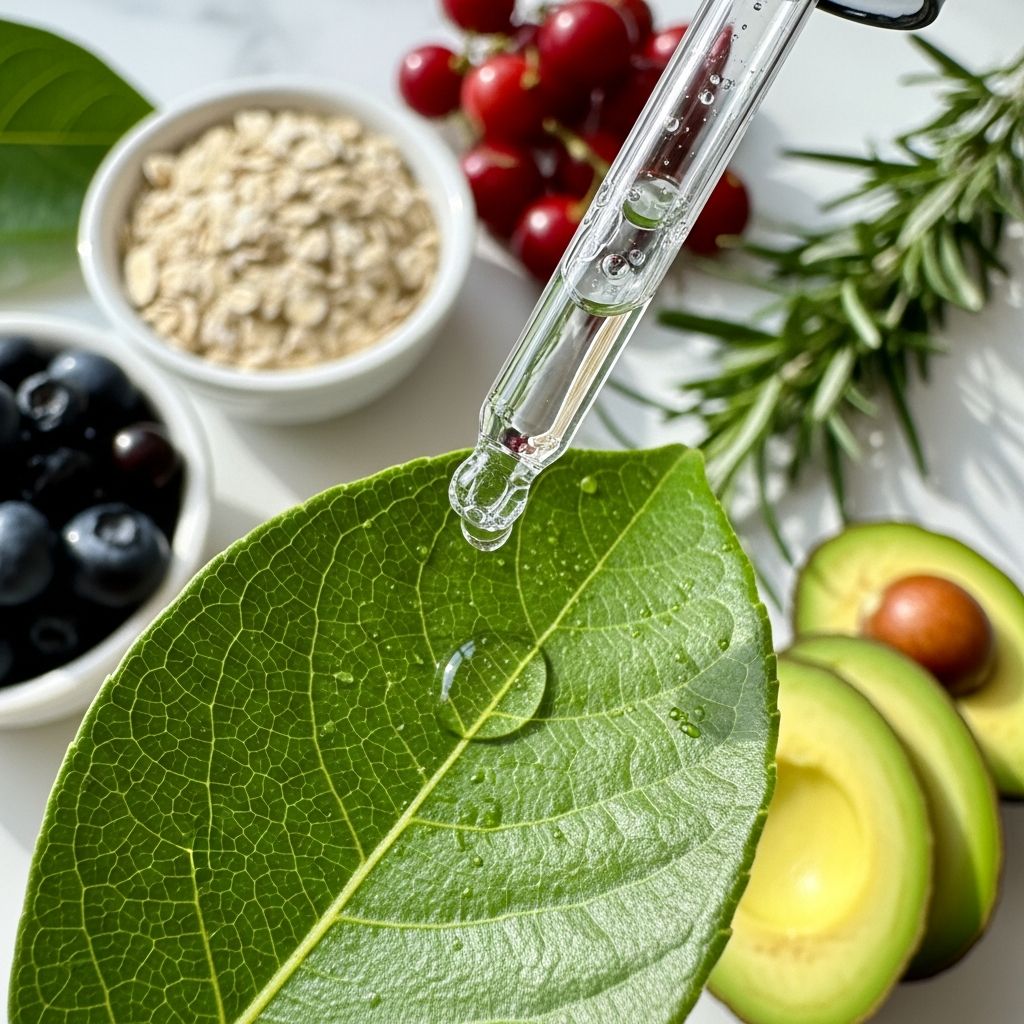
Proper application technique maximizes serum efficacy. Apply serums to clean, slightly damp skin before heavier creams and oils, as the water on your skin helps distribute the serum evenly. Use a gentle patting motion rather than rubbing to avoid unnecessary friction. Typically, a few drops (about the size of a pea) are sufficient for the entire face. Allow the serum to absorb for a minute or two before applying your next skincare product.
Frequency and Consistency
Most serums work best with consistent daily application, typically twice daily—morning and evening. However, certain active ingredients like retinol may require start-slow protocols, beginning with two to three times weekly and gradually increasing frequency as skin builds tolerance. Consistency is essential; sporadic use produces minimal results, while daily application over weeks and months yields noticeable improvements.
Layering with Other Products
Serums work synergistically with other skincare products. Apply them after cleansing and toning but before moisturizers and sunscreen. The general rule is to apply products from thinnest to thickest consistency. Using complementary serums—such as combining a hydrating serum with a treatment serum—can enhance overall results, but avoid overloading your skin with too many actives simultaneously, especially when starting a new regimen.
Sun Protection
Many serum ingredients, particularly those promoting cell turnover like retinol and vitamin C, can increase sun sensitivity. Daily broad-spectrum SPF 30 or higher sunscreen application is essential when using these products. Sun protection not only prevents new damage but also allows active ingredients to work optimally without interference from UV-induced damage.
Considerations and Cautions
Skin Sensitivity and Tolerance
Some serum ingredients can cause irritation, particularly for sensitive skin types. Retinol, vitamin C, and glycolic acid-based serums may cause redness, peeling, or temporary discomfort during an adjustment period. Start with lower concentrations and gradually increase frequency to build tolerance. If irritation persists beyond two weeks or becomes severe, discontinue use and consult a dermatologist.
Ingredient Interactions
Certain serum ingredients should not be combined due to potential interactions that reduce efficacy or increase irritation. For example, vitamin C and retinol can be unstable together, and combining multiple exfoliating ingredients can compromise the skin barrier. Research ingredient compatibility before layering multiple serums or consult with a skincare professional.
Individual Variability
Genetic factors, age, skin condition, lifestyle, and environmental factors all influence how effectively a serum works for any individual. Clinical studies demonstrating 16 to 24 percent improvements represent average results; individual outcomes may vary significantly. This variability emphasizes the importance of setting realistic expectations and allowing adequate time (at least 6 to 8 weeks) to evaluate serum effectiveness before making conclusions.
Maximizing Results: Combining Serums with Comprehensive Skincare
While serums are valuable skincare components, they perform optimally as part of a comprehensive routine. A complete regimen includes gentle cleansing to remove impurities without stripping natural oils, appropriate toning or hydrating steps, targeted serum application, moisturization suited to your skin type, and consistent sun protection. Additionally, healthy lifestyle habits—adequate hydration, quality sleep, stress management, and protection from environmental stressors—significantly impact skin health and the efficacy of skincare products.
Professional skincare treatments can be effectively complemented with appropriate serums. For individuals undergoing procedures such as laser treatments or chemical peels, specialized serums formulated with soothing and healing ingredients support recovery and enhance results. The combination of professional treatments and targeted serum use typically produces superior outcomes compared to either approach alone.
Important Safety Notes
While most serums are well-tolerated, certain precautions apply. Retinol-based products should be avoided during pregnancy and breastfeeding due to potential systemic absorption concerns. Additionally, retinol products can affect eye health when applied in the periocular area, potentially interfering with tear film stability and meibomian gland function. Apply retinol-based serums carefully, avoiding the immediate eye area, or consult a dermatologist about safer alternatives for this sensitive region.
Frequently Asked Questions
Q: How long does it take to see results from a skin serum?
A: Most people notice subtle improvements within 2 to 4 weeks of consistent use, with more significant changes becoming apparent after 8 to 12 weeks. Results depend on the specific serum, active ingredients, and individual skin characteristics.
Q: Can I use multiple serums together?
A: Yes, but with caution. Layer serums from thinnest to thickest consistency, and ensure ingredients are compatible. Avoid combining too many active ingredients, especially when first starting, to prevent irritation and allow your skin to adapt.
Q: Are expensive serums more effective than affordable ones?
A: Not necessarily. Efficacy depends on active ingredient concentration and quality, not price. Many affordable serums contain effective active ingredients at therapeutic concentrations. Higher-priced serums may include luxury packaging or additional ingredients rather than superior efficacy.
Q: Can serums replace moisturizer?
A: No. While some serums provide hydration, most should be layered under a moisturizer appropriate for your skin type. Serums deliver active ingredients, while moisturizers seal in hydration and protect the skin barrier.
Q: Should I use serums if I have oily skin?
A: Yes, but choose lightweight, non-comedogenic formulations. Serums designed for oily skin often contain ingredients like niacinamide or hyaluronic acid that hydrate without adding heaviness or clogging pores.
Q: Can serums treat acne or rosacea?
A: Specific serums can help manage these conditions when formulated with appropriate ingredients like niacinamide or botanical extracts. However, active acne or severe rosacea typically requires professional dermatological treatment in addition to supportive skincare.
Q: What’s the difference between a serum and an essence?
A: Essences are typically lighter and more hydrating, applied early in the skincare routine. Serums are more concentrated with active ingredients and applied after essences. Both can be beneficial components of a comprehensive routine.
References
- Benefits of topical hyaluronic acid for skin quality and signs of aging — National Institutes of Health, National Center for Biotechnology Information. 2023-04-15. https://pmc.ncbi.nlm.nih.gov/articles/PMC10078143/
- Harvard Research Shows Retinol’s Hidden Eye Risks — Harvard Medical School, Dr. David A. Sullivan. 2024. https://www.health.harvard.edu/
Similar Articles








Read full bio of Sneha Tete