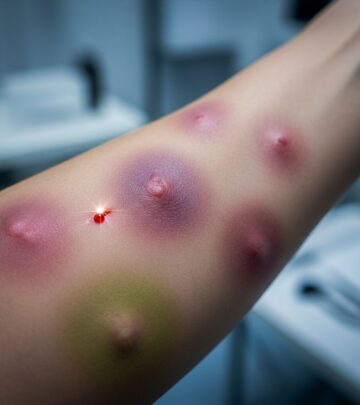
Skin Signs and Systemic Disease
Understanding how skin manifestations reveal underlying systemic health conditions and enable early diagnosis.
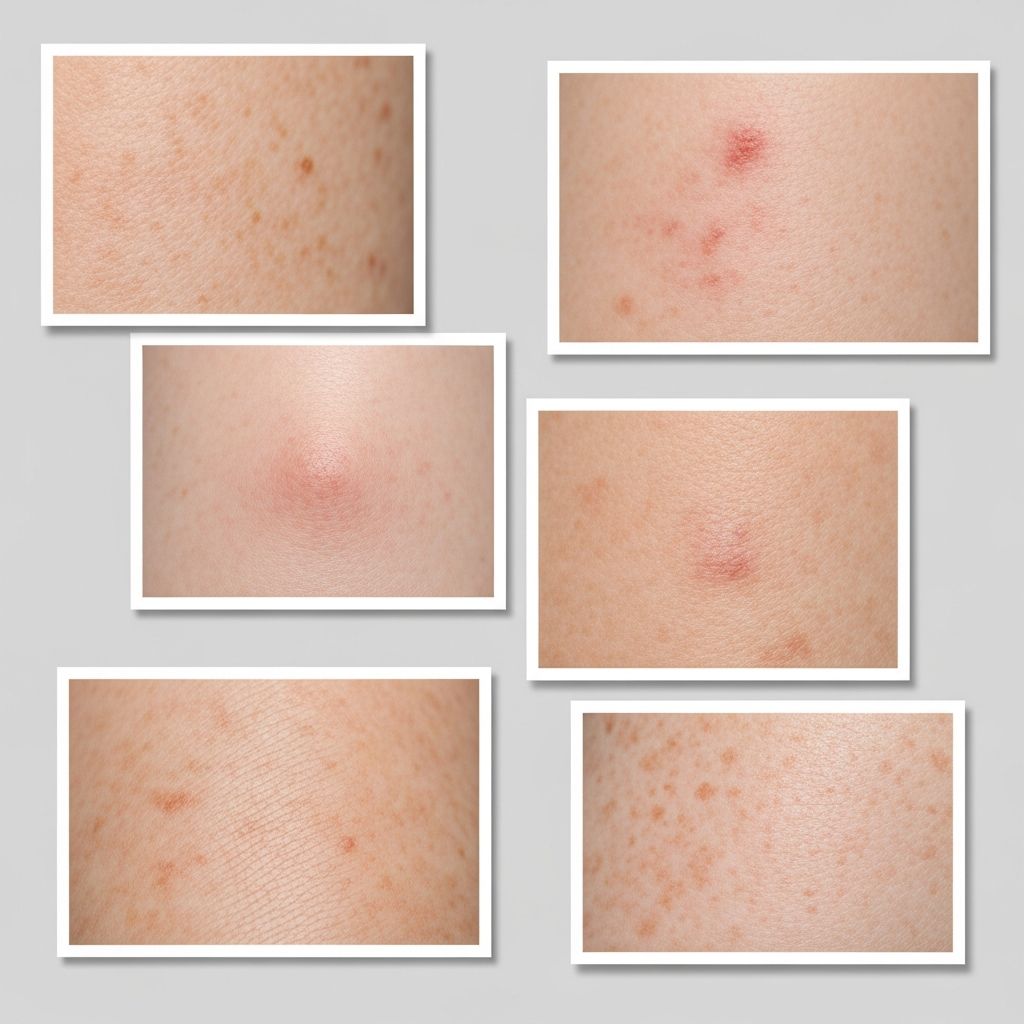
The skin serves as a remarkable window into the body’s internal health, often reflecting signs of systemic diseases that may be useful for diagnosis or indicating complications from disease or its treatment. Understanding these cutaneous manifestations enables clinicians to identify potentially serious underlying conditions early, significantly improving patient outcomes and preventing severe complications that arise from delayed diagnosis.
The Skin as a Diagnostic Window
The skin functions as an active participant in immune surveillance and serves as an immunologically responsive organ that recognizes and reacts to foreign antigens, microbes, and internal immune dysregulation. This immune activity allows the skin to manifest systemic pathology, making it an invaluable diagnostic tool for healthcare professionals. For instance, while only 0.3 percent of diabetic patients develop necrobiosis lipoidica, approximately 30 percent of individuals with this distinctive cutaneous condition are found to have diabetes mellitus, illustrating how specific skin findings can serve as diagnostic markers for systemic diseases.
Cutaneous manifestations frequently represent the first visible signs of systemic disease, often preceding other clinical features and offering critical opportunities for early diagnosis and intervention. The skin essentially functions as a dynamic biomarker system, reflecting internal metabolic, autoimmune, infectious, and neoplastic processes.
Autoimmune Diseases and Cutaneous Signs
Autoimmune diseases frequently present with distinctive dermatological manifestations that provide hallmark signs for diagnosis. These cutaneous indicators are essential for prompt recognition and timely clinical intervention.
Systemic Lupus Erythematosus
A malar or “butterfly” rash is strongly suggestive of systemic lupus erythematosus (SLE), representing one of the most recognizable cutaneous signs in dermatology. This characteristic facial rash, along with other skin manifestations, helps distinguish SLE from other autoimmune conditions. Associated features include:
- Photosensitivity reactions
- Patchy hair loss (alopecia)
- Palmar erythema
- Periungual telangiectasia
- Systemic symptoms including fever (present in over 90% of cases)
Discoid lesions are characteristic of chronic cutaneous lupus variants and represent localized manifestations of lupus-related skin disease.
Other Connective Tissue Diseases
Scleroderma, characterized by tight skin, presents distinctive cutaneous features. Morphoea, a localized form of scleroderma, is characterized by ivory white oval sclerotic plaques with an inflamed edge that eventually result in post-inflammatory pigmentation and dermal or subcutaneous atrophy. This condition is not uncommon in children and adolescents.
Sarcoidosis can present with “apple-jelly” nodules on diascopy, an important clue warranting systemic evaluation for pulmonary or extrapulmonary involvement. Sarcoidosis is diagnosed histologically by the presence of noncaseating granulomas in the skin, lymph nodes, lungs, liver, spleen, eyes, parotid glands or joints, with systemic corticosteroids serving as the mainstay of treatment.
Metabolic and Endocrine Disorders
The skin serves as a critical marker of metabolic dysfunction and endocrine disorders, with distinctive cutaneous manifestations enabling early recognition of serious underlying conditions.
Insulin Resistance and Malignancy Markers
Acanthosis nigricans, presenting as velvety hyperpigmentation in intertriginous areas, is commonly linked to insulin resistance but may also signal underlying gastrointestinal or genitourinary malignancy. This condition requires thorough systemic evaluation to exclude malignant etiologies.
Lipid Metabolism Disorders
Xanthomas, whether eruptive, tuberous, or tendinous, indicate lipid metabolism disorders and necessitate cardiovascular risk assessment, as they frequently correlate with atherosclerotic disease. Identifying these cutaneous markers can expedite the diagnosis of serious metabolic abnormalities and guide preventive cardiovascular interventions.
Endocrine Dysfunction
Endocrine disorders manifest through various skin changes:
- Hypercorticism results in acne, striae, and cutaneous atrophy
- Growth hormone excess results in soft tissue hypertrophy, skin tags, and seborrhoea
- Adrenal insufficiency increases ACTH with resultant generalised hyperpigmentation
- Diabetes mellitus can cause diabetic dermopathy, one of the most common skin manifestations related to vascular changes
Nutritional Deficiencies
Nutritional deficiencies manifest through distinctive cutaneous presentations that alert clinicians to systemic metabolic derangements:
- Nicotinic acid deficiency presents with photosensitive eruption on neck and feet, accompanied by diarrhoea and dementia
- Protein deficiency may cause dry red skin and hair and is associated with oedema and ascites
- Fatty acid deficiency in infants or with total parenteral nutrition may result in dry red skin and delayed healing
Renal and Hepatic Disease
Renal and hepatic disorders often manifest through distinctive cutaneous presentations, offering valuable diagnostic clues for vigilant clinicians. These dermatological manifestations typically reflect underlying metabolic derangements and toxin accumulation.
Chronic Renal Failure
Chronic renal failure is associated with several cutaneous manifestations:
- Uremic pruritus (renal itch), one of the most commonly seen skin conditions in renal patients
- Nail disorders including splinter hemorrhages and brittle nails
- Distinctive patterns requiring clinical recognition
Calciphylaxis in Renal Disease
Calciphylaxis, a serious complication of renal disease, presents with retiform purpura and necrosis. This condition requires prompt recognition and intervention, as it represents a medical emergency with significant morbidity and mortality risk.
Renal Transplantation Considerations
Renal transplantation and the use of immunosuppressive medication give rise to a high risk of viral infections (mainly warts) and skin cancers (especially squamous cell carcinomas). These may be very aggressive and require vigilant monitoring and early intervention.
Infectious Systemic Diseases
Systemic infections frequently present with cutaneous manifestations that serve as diagnostic indicators. A variety of skin changes may be seen in association with systemic mycoses, with skin lesions depending partly on which fungus is the cause.
Systemic Mycoses
| Infection | Clinical Features |
|---|---|
| Candidiasis | Variable presentation depending on site and systemic involvement |
| Aspergillosis | Skin manifestations of disseminated disease |
| Cryptococcosis | Primary and secondary skin lesions |
| Blastomycosis | Verrucous and ulcerative lesions |
| Histoplasmosis | Erythematous nodules and disseminated lesions |
| Coccidioidomycosis | Erythema multiforme and nodose lesions |
| Talaromycosis | Papules, nodules, and skin ulcerations |
| Zycomycosis | Necrotic and ulcerative skin lesions |
The most reliable tests to confirm infection are skin biopsy for histological analysis and fungal culture. Blood can also be cultured to identify systemic involvement.
Paraneoplastic Dermatological Signs
Several dermatological presentations are strongly associated with malignancy and represent paraneoplastic syndromes—a group of rare cutaneous disorders associated with internal cancer. Recognition of these patterns is critical for early cancer detection and intervention.
Key Paraneoplastic Indicators
- Acanthosis nigricans may indicate underlying gastrointestinal or genitourinary malignancy
- Tripe palms (corrugated appearance of palms) strongly suggest gastric malignancy
- Leser-Trélat sign (sudden eruption of multiple seborrheic keratoses) can herald an underlying adenocarcinoma
- Osler nodes on fingers may indicate endocarditis or underlying systemic disease
Diagnostic Approach to Systemic Rashes
A structured approach to evaluating systemic rashes significantly improves diagnostic accuracy. Clinicians should consider:
- Distribution patterns of the rash across body surfaces
- Morphology and specific characteristics of individual lesions
- Associated systemic symptoms indicating multisystem involvement
- Relevant laboratory findings supporting diagnostic hypotheses
- Timing and progression of cutaneous manifestations
Encountering unusual or persistent cutaneous manifestations should prompt physicians to consider underlying systemic etiologies and initiate appropriate investigations. Specific skin findings correlate with internal disease activity—for instance, the butterfly rash in SLE, acanthosis nigricans in insulin resistance, or tripe palms in gastric malignancy.
Clinical Implications and Management
Prompt recognition of systemic rashes is essential for clinicians, as these cutaneous signs may represent the earliest or even the only clinical indication of a serious systemic disorder. The causes of systemic rashes are wide-ranging, encompassing infectious, autoimmune, metabolic, renal, hepatic, and oncologic conditions.
By recognizing dermatological patterns linked to infectious, autoimmune, metabolic, and neoplastic diseases, healthcare professionals can:
- Initiate appropriate investigations earlier
- Provide timely interventions
- Improve outcomes across diverse specialties
- Facilitate patient referrals to appropriate specialists
- Begin disease-modifying therapy promptly
The skin, as a visible organ, offers unique and continuous insight into systemic health, and its careful examination should remain an integral part of comprehensive patient assessment.
Frequently Asked Questions
Q: How can skin signs help diagnose systemic diseases?
A: The skin reflects internal disease processes through distinctive manifestations like rashes, color changes, and textural abnormalities. These cutaneous signs often appear before other clinical symptoms, enabling early diagnosis and intervention. For example, a butterfly rash suggests systemic lupus erythematosus, while acanthosis nigricans may indicate insulin resistance or underlying malignancy.
Q: What is the most common skin manifestation of renal disease?
A: Uremic pruritus (renal itch) is one of the most commonly seen skin conditions in renal patients. Additionally, patients may develop nail disorders, splinter hemorrhages, and distinctive cutaneous patterns reflecting metabolic derangements associated with chronic renal failure.
Q: Can skin findings predict internal malignancy?
A: Yes, several paraneoplastic dermatological signs are strongly associated with internal malignancy. These include acanthosis nigricans (gastrointestinal or genitourinary cancers), tripe palms (gastric malignancy), and the Leser-Trélat sign (sudden appearance of multiple seborrheic keratoses). Recognition of these patterns warrants immediate investigation for underlying cancer.
Q: How important is skin examination in systemic disease evaluation?
A: Skin examination is critically important as cutaneous manifestations frequently represent the first visible signs of systemic disease, often preceding other clinical features. Careful recognition and interpretation of these cutaneous clues can significantly improve diagnostic accuracy and patient outcomes across all medical specialties.
Q: What diagnostic tests confirm systemic mycoses with skin involvement?
A: The most reliable tests to confirm systemic mycoses are skin biopsy for histological (microscopic) analysis and fungal culture. Blood cultures can also be performed to identify systemic involvement. These diagnostic methods help determine the specific fungal pathogen causing skin manifestations.
References
- Hidden Systemic Rashes: Critical Signs Every Clinician Must Recognize — Global RPH. 2025-09-15. https://globalrph.com/2025/09/hidden-systemic-rashes-critical-signs-every-clinician-must-recognize/
- Cutaneous signs of systemic disease: Cutaneous medicine — DermNet New Zealand. https://dermnetnz.org/cme/systemic/cutaneous-medicine
- Skin manifestations of systemic mycoses — DermNet New Zealand. https://dermnetnz.org/topics/skin-manifestations-of-systemic-mycoses
- Cutaneous signs of systemic disease: Connective tissue diseases — DermNet New Zealand. https://dermnetnz.org/cme/systemic/connective-tissue-diseases
- Cutaneous Signs in Dermatological Diseases; An Overview — National Center for Biotechnology Information. https://pmc.ncbi.nlm.nih.gov/articles/PMC8751708/
- Cutaneous signs of systemic disease: Signs of malignancy — DermNet New Zealand. https://dermnetnz.org/cme/systemic/signs-of-malignancy
Similar Articles






Read full bio of Sneha Tete