Skin Tag Removal: Safe Methods And When To See A Dermatologist
Expert guide to safe skin tag removal methods, risks, and when to see a dermatologist for effective treatment.
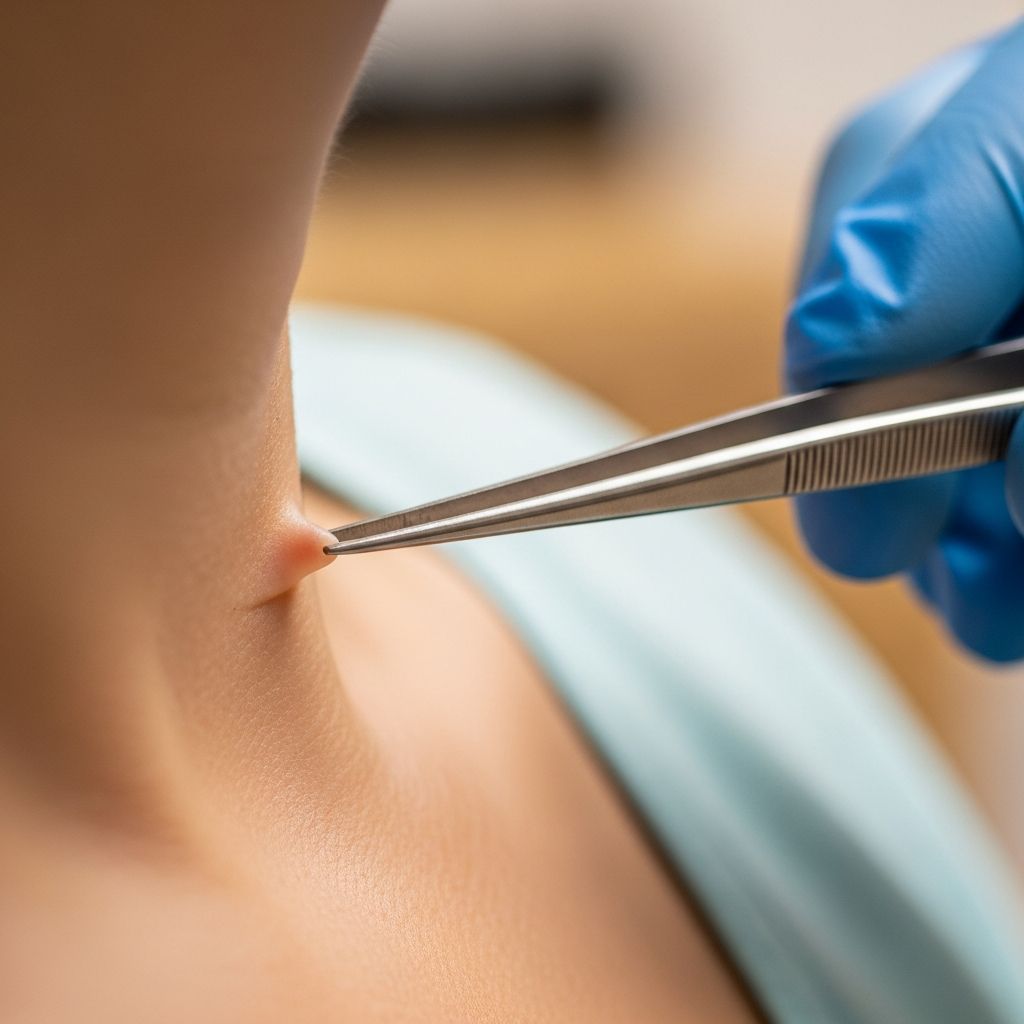
Skin tags, also known as acrochordons, are small, benign growths of skin that often appear in areas where skin rubs together. While harmless, many seek removal for cosmetic reasons or discomfort. Professional treatments like snip excision, cryotherapy, and cautery offer quick, safe results with minimal scarring when performed by dermatologists.
What Are Skin Tags?
Skin tags are soft, hanging growths of skin, typically 1-5 mm in size, though some grow larger. They have a peduncle or stalk attaching them to the skin surface and feel springy or malleable. Often flesh-colored or slightly darker, older tags may turn brown or develop a warty texture.
Common locations include neck creases, armpits, under breasts, eyelids, groin, and areas of friction. They are more prevalent in overweight individuals due to skin folding and rubbing. Recent research links multiple skin tags to metabolic syndrome, insulin resistance, and high blood pressure, warranting medical evaluation for sudden increases.
- Prevalence: Affect up to 60% of adults, increasing with age and obesity.
- Appearance: Smooth or irregular, painless unless irritated.
- Not cancerous: Benign, but similar-looking growths should be checked by a doctor.
Symptoms and When to Worry
Skin tags cause no symptoms beyond occasional irritation from clothing or jewelry. They don’t hurt when touched but can bleed if twisted or snagged. Seek medical attention if a growth changes in size, color, bleeds spontaneously, itches, or has an uneven texture, as it could indicate precancerous lesions like seborrheic keratosis or skin cancer.
Sudden proliferation may signal underlying issues like diabetes or hormonal changes. Dermatologists differentiate skin tags from warts, moles, or neurofibromas via visual exam or biopsy if needed.
Professional Skin Tag Removal Methods
Dermatologists recommend office-based procedures for safe, effective removal. These are quick (under 10 minutes), use local anesthesia for larger tags, and minimize bleeding with pressure or cautery.
| Method | Description | Pros | Cons | Best For |
|---|---|---|---|---|
| Snip Excision | Cutting off with sterile scissors or blade after numbing. | Instant, minimal scarring, low cost. | May bleed; needs hemostasis. | Small-medium tags. |
| Cryotherapy (Freezing) | Liquid nitrogen freezes tag, causing it to fall off in 7-14 days. | Non-invasive, no cutting. | Multiple sessions possible; blistering. | Small tags on face/body. |
| Cautery/Electrodesiccation | Heat or electric current burns base. | Precise, stops bleeding. | Possible scarring; discomfort. | All sizes, vascular tags. |
| Radiofrequency/Radiocautery | High-frequency waves vaporize tissue. | Minimal damage to surrounding skin, fast healing. | Requires equipment. | Preferred for precision. |
| Laser (CO2 or Nd:YAG) | Laser ablates tag. | Clean, low bleeding. | Expensive, not always available. | Facial/delicate areas. |
Related Stories



Insurance rarely covers removal as cosmetic, costing $100-500 per session depending on number and size. Healing takes 1-2 weeks; follow post-care to avoid infection.
At-Home Skin Tag Removal: Proceed with Caution
While tempting, home removal risks infection, bleeding, scarring, and incomplete removal leading to regrowth. Skin tags are vascular and may contain nerves, making DIY painful and unsafe—especially near eyes, genitals, or for large tags.
Over-the-counter options include:
- Freezing kits: Mimic cryotherapy but less potent; may irritate without removing.
- Removal bands/ligation: Tie base to cut blood supply; tag falls in 5-10 days. Risk strangulation failure or infection.
- Creams/patches: Contain acids or herbs; apply 1-3 weeks. Avoid salicylic acid/tea tree oil due to irritation risks.
- Tea tree oil/iodine: Anecdotal; dilute and patch-test. Insufficient evidence; can burn skin.
Experts like UCLA Health and Ohio State advise against home methods. Cutting with nail clippers or string is dangerous—clean tools don’t eliminate infection/bleeding risks.
Risks and Side Effects of Removal
Professional procedures are low-risk but include:
- Bleeding (controlled with pressure/silver nitrate).
- Scarring or pigmentation changes if improper technique.
- Infection, irritation, or dermatitis.
- Rare neuroma (nerve pain).
Home attempts amplify these: uncontrolled bleeding, permanent scars, or misdiagnosis of malignancy. Post-removal care: Keep dry, apply antibiotic ointment, avoid picking scabs.
Prevention and Lifestyle Tips
Skin tags recur in friction-prone areas. Prevent by:
- Maintaining healthy weight to reduce skin folds.
- Wearing loose clothing to minimize rubbing.
- Moisturizing skin to reduce friction.
- Managing blood sugar/blood pressure if at risk.
Lifestyle changes like diet and exercise help, as tags link to metabolic issues.
When to See a Dermatologist
Consult a board-certified dermatologist for:
- Tags in sensitive areas (eyelids, genitals).
- Large, painful, or multiplying tags.
- Any bleeding, itching, or color change.
- Cosmetic removal on face/neck.
A quick exam ensures safety; self-removal wastes time and risks complications.
Frequently Asked Questions (FAQs)
Can you remove skin tags at home safely?
It’s not recommended due to risks of bleeding, infection, and scarring. Professional removal is safer and more effective.
What is the best skin tag removal method?
Snip excision or cryotherapy for most; radiocautery preferred for precision. Depends on size/location—see a dermatologist.
Do skin tags grow back after removal?
Individual tags don’t regrow, but new ones can form in friction areas if underlying factors like obesity persist.
Are skin tags a sign of diabetes?
Multiple tags correlate with insulin resistance/metabolic syndrome; sudden increase warrants bloodwork.
How much does skin tag removal cost?
$100-500 per session, not usually covered by insurance as cosmetic. Varies by method and provider.
Can I cut off a skin tag with scissors?
No—risks severe bleeding and infection. Only trained professionals should excise.
References
- Skin tag removal — Ohio State Health & Discovery. 2023. https://health.osu.edu/health/skin-and-body/skin-tag-removal
- Don’t remove skin tags at home — UCLA Health. 2023. https://www.uclahealth.org/news/article/skin-tags-while-usually-harmless-should-not-be-removed-home
- Skin Tag (Acrochordon) — StatPearls, NCBI Bookshelf. 2023-08-08. https://www.ncbi.nlm.nih.gov/books/NBK547724/
- Can you remove a skin tag yourself? — Medical News Today. 2023-10-25. https://www.medicalnewstoday.com/articles/321641
Similar Articles








Read full bio of Sneha Tete