Skin Toxicity Of Chemotherapy Drugs: 10 Common Reactions
Understanding and managing dermatological side effects of cancer treatment medications.
Skin Toxicity of Chemotherapy Drugs
Chemotherapy drugs are powerful medications designed to target and destroy cancer cells throughout the body. However, most chemotherapy drugs are toxic when exposed to the skin, and dermatological side effects represent one of the most common adverse reactions experienced by cancer patients. These cutaneous toxicities can significantly impact quality of life and may even affect treatment adherence if not properly managed. Understanding the types of skin reactions, their mechanisms, and appropriate management strategies is essential for healthcare providers and patients undergoing cancer treatment.
Chemotherapy Drug Extravasation
One of the most serious dermatological complications of chemotherapy occurs when drugs meant to be delivered into veins and arteries leak into the subcutaneous tissue, a condition known as extravasation. When chemotherapy agents escape from the intended vascular pathway, they can cause severe chemical burns and tissue damage in the surrounding skin and underlying tissues. The extent of damage depends on the specific drug involved, the concentration of the medication, the volume extravasated, and the duration of contact with the tissue. Immediate recognition and appropriate management are critical to minimize tissue necrosis and permanent scarring.
Acral Erythema (Hand-Foot Skin Reaction)
Acral erythema, commonly referred to as hand-foot skin reaction (HFSR) or palmar-plantar erythrodysesthesia, is one of the most frequent dermatological toxicities associated with chemotherapy. This condition typically presents as symmetric erythema and edema on the palms of the hands and soles of the feet, and may extend to the dorsal surfaces. The reaction often begins with a burning or tingling sensation, followed by visible redness and swelling.
The exact mechanism underlying acral erythema remains incompletely understood, but current theories suggest that the skin of the hands and feet favor a higher concentration of certain chemotherapy drugs, leading to direct toxicity to skin cells. The condition typically follows a predictable course when recognized early: the affected skin undergoes desquamation, or shedding of the outer layers, followed by re-epithelialization and regrowth of the outer skin layers. Risk increases progressively with each successive dose of chemotherapy.
Multiple chemotherapy agents are associated with acral erythema, including 5-fluorouracil (5-FU), capecitabine, and multikinase inhibitors such as regorafenib. This toxicity is not life-threatening and typically resolves once treatment discontinues, though the duration and severity can vary significantly among patients.
Photosensitivity Reactions
Certain chemotherapy drugs result in photosensitivity, a condition characterized by increased sensitivity to sunlight and ultraviolet radiation. Patients receiving these medications may experience severe sunburn with minimal sun exposure, even during brief outdoor activities. The risk of photosensitivity varies depending on the specific chemotherapy agent used and individual patient factors.
Patients should be counseled about this potential side effect before initiating treatment. Prevention strategies include:
- Regular application of broad-spectrum sunscreen with SPF 30 or higher
- Wearing protective clothing, including long sleeves, pants, and wide-brimmed hats
- Avoiding peak sun hours (10 AM to 4 PM) when possible
- Using physical barriers such as umbrellas when outdoors
Radiation Recall Reactions
The radiation recall reaction represents a unique dermatological complication that occurs in patients who have previously received radiation therapy. This condition presents as erythema (redness of the skin) in areas that experienced previous sunburn or radiotherapy, even though these areas may have fully healed weeks or months before chemotherapy administration. The exposure to sun or radiotherapy may have occurred long before the chemotherapy treatment, making this reaction sometimes unexpected for patients.
Related Stories



The mechanism involves reactivation of inflammatory responses in previously affected skin following chemotherapy administration. Patients with a history of radiation therapy should be informed of this possibility, and careful monitoring of previously irradiated areas is recommended during chemotherapy treatment.
Hyperpigmentation
Hyperpigmentation represents one of the most common cutaneous toxicities associated with various classes of chemotherapy drugs. The presentation and location of hyperpigmentation varies depending on the specific chemotherapy agent involved.
Classic alkylating agents produce hyperpigmentation as their primary cutaneous toxicity, though manifestations differ among specific drugs. Cyclophosphamide-associated hyperpigmentation typically appears as patches on the palms, soles, and oral surfaces. Ifosfamide-induced hyperpigmentation is less predictable and occurs in flexural areas, hands, feet, and the scrotum. Additionally, ifosfamide and thiotepa can cause hyperpigmentation under areas of occlusion or increased pressure. Regardless of the responsible drug, hyperpigmentation generally fades spontaneously over time and does not require active treatment.
Antimetabolites also cause pigmentation changes. Hyperpigmentation associated with fluorouracil presents with varied clinical appearances, whereas capecitabine and tegafur more specifically cause acral pigmentation affecting the hands and feet. These pigmentation changes are generally reversible after treatment completion.
Nail Changes
Chemotherapy-induced nail toxicities represent another important dermatological consideration. Various nail abnormalities can occur across the spectrum of chemotherapy agents, particularly antimetabolites. Common nail changes include:
- Melanonychia: Darkening or hyperpigmentation of the nail plate
- Onycholysis: Separation of the nail plate from the nail bed
- Paronychia: Inflammation of the tissue surrounding the nail
- Onychomadesis: Loss or shedding of the entire nail plate
These nail changes can be cosmetically concerning and may cause functional impairment if severe. Most nail toxicities are reversible and resolve following completion of chemotherapy treatment, though complete nail regeneration may require several months.
Actinic Keratosis Inflammation
Chemotherapy can trigger inflammation in pre-existing actinic keratosis, areas of sun-damaged skin that were previously quiescent or asymptomatic. These lesions may suddenly become inflamed, red, and tender during or shortly after chemotherapy administration. This reaction, while usually temporary, can cause patient discomfort and concern.
Xerosis (Dry Skin)
Xerosis, or abnormal dryness of the skin, is commonly observed in patients receiving epidermal growth factor receptor (EGFR) inhibitors and represents the second most common EGFR inhibitor-induced cutaneous toxicity. This condition occurs in a dose-dependent fashion, affecting up to 50% of patients receiving these medications. Dryness and skin fragility are most pronounced on the extremities and can progress to acral fissuring and asteatotic eczema, a form of inflammatory dermatitis associated with dry skin.
The mechanism of xerosis with EGFR inhibitors involves growth arrest of keratinocytes (the primary skin cells) and initiation of terminal maturation. In addition to cutaneous surfaces, mucosal surfaces of the skin such as the vagina, mouth, and eyes may also be affected, leading to additional discomfort.
Older age and a history of eczema are independent predictors of severe xerosis in patients receiving EGFR inhibitors. Management is centered on gentle skin care practices and the consistent use of topical emollients. In severe cases, topical corticosteroids may be required to control inflammation and symptoms.
EGFR Inhibitor-Associated Eruptions
Epidermal growth factor receptor inhibitors frequently cause characteristic rash and inflammatory eruptions affecting the skin. Studies indicate that approximately 90% of patients treated with EGFR inhibitors such as cetuximab or panitumumab experience skin toxicity to some degree. The EGFR receptor is located on cells throughout the body and receives signals indicating when cells should grow and divide. EGFRs are particularly abundant on epidermal cells, hair follicles, and oil-producing glands, making these structures especially vulnerable to EGFR inhibitor toxicity.
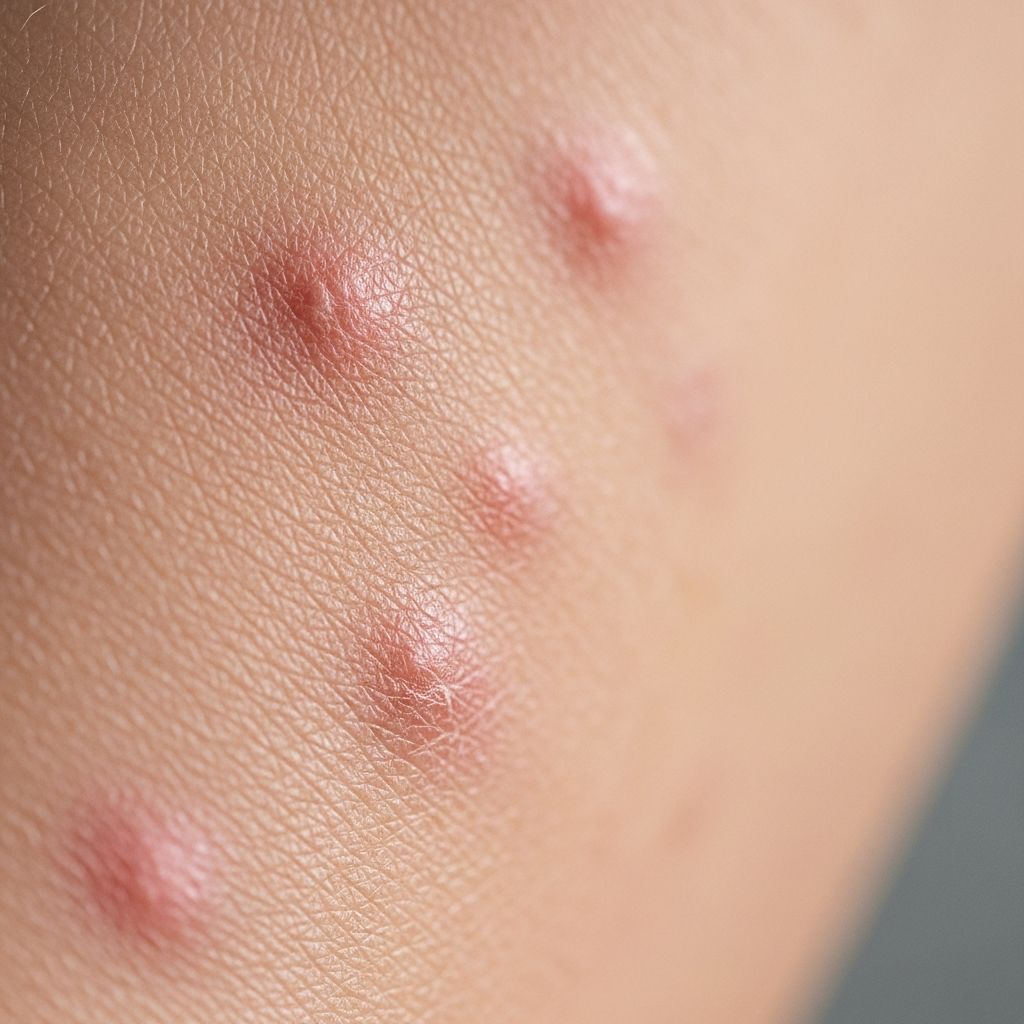
The characteristic rash typically presents as an acneiform eruption with pustules and papules, distinguishing it from typical acne. The rash may also present as maculopapular eruptions with various morphologies. While this rash may visually resemble common skin conditions such as acne, hives, or contact dermatitis, it is fundamentally different and requires specialized management. Importantly, the presence of an EGFR-related rash can sometimes serve as a clinical indicator that the treatment is working effectively against the cancer.
Other Chemotherapy-Induced Skin Reactions
Beyond the major categories outlined above, chemotherapy can cause various other dermatological adverse reactions. Generalized maculopapular rashes may occur with drugs such as cytarabine. Inflammatory eruptions related to mTOR inhibitors manifest in up to 47% of patients, presenting as morbilliform (measles-like), eczematoid, or acneiform lesions most commonly on the trunk and extremities.
Secondary cutaneous malignancies represent a serious potential complication of certain targeted therapies. BRAF inhibitors can lead to squamoproliferative lesions, ranging from benign keratoses to invasive squamous cell carcinoma, occurring in approximately 31% of patients. Multikinase inhibitors have been associated with a range of secondary squamoproliferative lesions including keratoacanthoma and invasive squamous cell carcinoma. Close dermatologic surveillance is recommended for all patients receiving these medications, as early detection and intervention have been successful in managing these lesions at early stages through surgical excision or local destruction.
Management Strategies
Effective management of chemotherapy-induced skin toxicity requires a multifaceted approach combining preventive measures, appropriate skin care, and pharmacological interventions when necessary. Early recognition and timely intervention can significantly mitigate symptoms and prevent progression to severe toxicity.
General skin care measures applicable to most chemotherapy-induced dermatological toxicities include:
- Using gentle, fragrance-free cleansers to avoid additional skin irritation
- Avoiding harsh soaps, hot water, and excessive scrubbing
- Pat-drying skin gently rather than rubbing
- Applying moisturizers regularly, particularly to affected areas
- Wearing soft, breathable clothing to minimize friction and irritation
- Avoiding known skin irritants and allergens
For specific toxicities such as xerosis and fissuring, topical emollients form the foundation of management. More severe cases may require topical corticosteroids to address inflammation and associated symptoms. Patients experiencing photosensitivity require comprehensive sun protection education and resources. Dermatological consultation is particularly valuable for patients experiencing severe toxicity or those requiring specialized management strategies.
Frequently Asked Questions
Q: Will chemotherapy-induced skin rashes leave scars?
A: Most EGFR-related skin rashes do not lead to scarring if managed properly with appropriate skin care and early intervention. However, severe cases or delayed treatment may increase scarring risk.
Q: How long does hand-foot skin reaction last?
A: Hand-foot syndrome and hand-foot skin reactions are not life-threatening and typically improve once you stop taking the chemotherapy drugs responsible for the reaction. Complete resolution may take several weeks after treatment discontinuation.
Q: Can hyperpigmentation from chemotherapy be treated?
A: Most chemotherapy-induced hyperpigmentation fades spontaneously after treatment completion and does not require active treatment. Post-inflammatory hyperpigmentation in people with darker skin may last up to three months after treatment but generally resolves.
Q: Should I stop chemotherapy if I develop skin toxicity?
A: Most skin toxicities are manageable with appropriate care. However, if side effects are severe, your doctor may temporarily stop treatment until symptoms improve. This decision should be made in consultation with your oncology team.
Q: What should I do if chemotherapy leaks under my skin?
A: If you suspect extravasation or feel burning, stinging, or significant pain at an injection site, notify your healthcare provider immediately. Prompt intervention can help minimize tissue damage and prevent serious complications.
Q: Can dermatologists help with chemotherapy skin side effects?
A: Yes, dermatologists experienced in cancer treatment can provide valuable expertise in managing chemotherapy-induced skin toxicity, often preventing progression to severe disease and helping patients maintain treatment adherence.
References
- Dermatologic Adverse Events of Systemic Anticancer Therapies — American Society of Clinical Oncology. 2024. https://ascopubs.org/doi/10.1200/EDBK_289911
- Management of Skin Toxicities in Cancer Treatment — National Center for Biotechnology Information, U.S. National Library of Medicine. 2024. https://pmc.ncbi.nlm.nih.gov/articles/PMC11274446/
- Skin Toxicity – “Chemo Rash” — Fight Colorectal Cancer. 2025. https://fightcolorectalcancer.org/patient-caregivers/education-resources/side-effects/skin-toxicity-chemo-rash/
- Your Skin, Nails and Cancer Drugs — Cancer Research UK. 2024. https://www.cancerresearchuk.org/about-cancer/treatment/cancer-drugs/side-effects/skin-nails
- Integrating Dermatologic Toxicity Management Into Routine Cancer Care — Association of Community Cancer Centers. 2025. https://www.accc-cancer.org/docs/documents/oncology-issues/articles/2025/volume-40-number-2/38-43_derm_tox_oi.pdf
Similar Articles








Read full bio of medha deb