The Skinny on Freezing Fat: A Complete Guide
Understanding cryolipolysis: How fat freezing works, safety, results, and alternatives.
The promise of reducing unwanted fat without surgery, anesthesia, or significant downtime has captured the imagination of millions. Fat freezing, medically known as cryolipolysis, has emerged as one of the most popular non-invasive cosmetic procedures available today. With over 8 million treatments performed globally, this innovative technology offers a compelling alternative to traditional liposuction for those seeking targeted fat reduction.
But how does freezing fat actually work? Is it safe? What results can you realistically expect? This comprehensive guide explores the science, benefits, limitations, and practical considerations surrounding fat freezing technology.
What Is Fat Freezing and How Does It Work?
Fat freezing, or cryolipolysis, is a non-invasive procedure that selectively reduces fat deposits by using controlled cooling technology. The procedure targets stubborn fat pockets that often resist diet and exercise, particularly in areas like the abdomen, flanks (“love handles”), thighs, and under the chin.
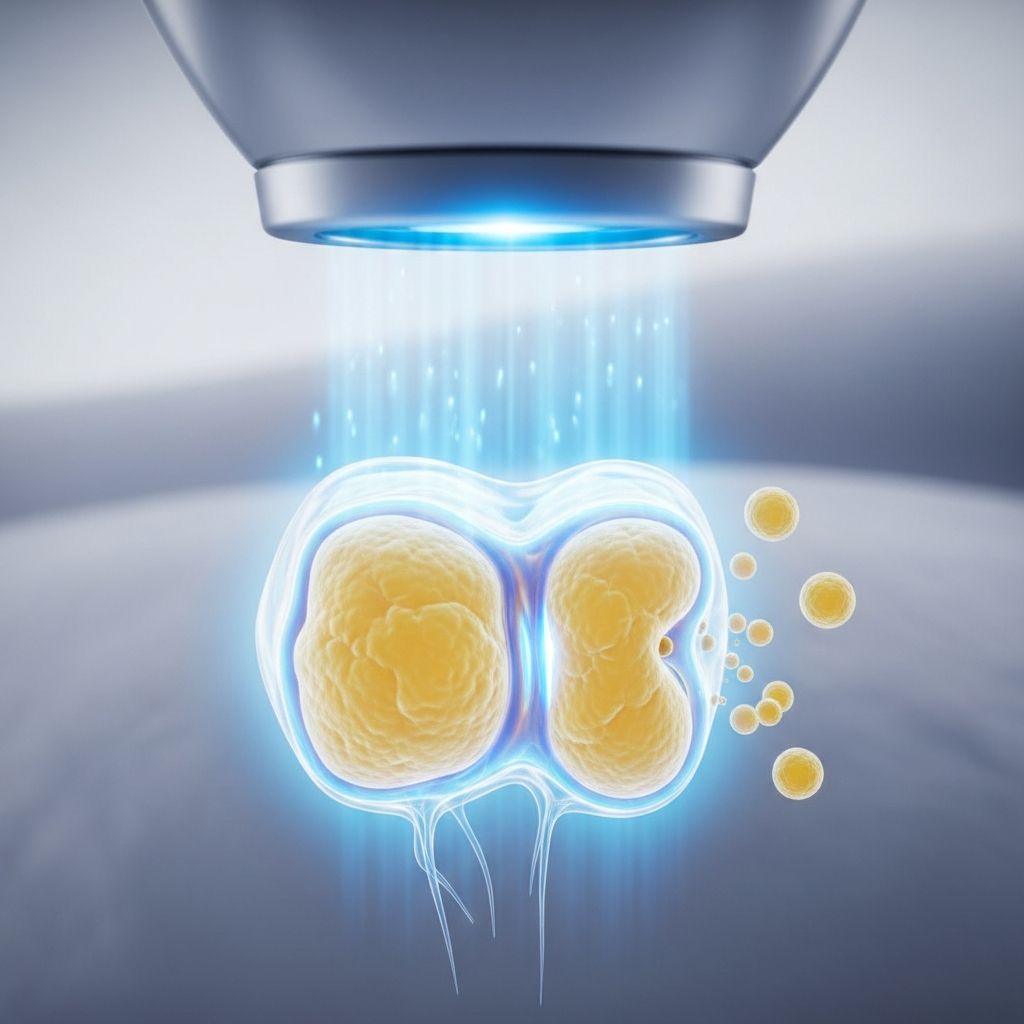
The science behind fat freezing is elegantly simple yet sophisticated. Fat cells have a higher freezing point than water-rich cells like skin and muscle. This fundamental physical property is the key to the procedure’s selectivity and safety. When cooled to a specific temperature—cold enough to crystallize fat cells but not so cold as to damage surrounding tissues—fat cells undergo apoptosis, a form of programmed cell death.
During treatment, practitioners use specialized applicators that deliver controlled cooling directly to targeted fat deposits. The applicator is placed on the skin, and a gel pad protects the skin surface during the process. The controlled cooling technology lowers the temperature in the targeted tissue to trigger crystallization in adipocytes (fat cells), causing them to die without harming the overlying skin, nerves, or underlying muscles.
The procedure was pioneered by researchers at Massachusetts General Hospital, a Harvard Medical School-affiliated facility, who discovered this selective fat reduction capability during the late 2000s. Since then, the technology has been refined and has become FDA-cleared, making it one of the safest aesthetic procedures available.
The Safety Profile of Fat Freezing
One of the most compelling advantages of cryolipolysis is its strong safety record, backed by millions of treatments and extensive clinical data. Unlike surgical procedures such as liposuction, fat freezing does not involve anesthesia, incisions, or the associated surgical risks.
Why Fat Freezing Is Considered Safe:
The procedure’s safety is rooted in several key factors. First, it does not involve injecting chemicals or synthetic compounds into the body. Instead, it uses a purely natural physical process—controlled cooling—to target fat cells. This non-invasive approach respects the body’s natural barriers and significantly reduces the potential for severe complications.
Second, the selective nature of fat freezing means that when the ice slurry or cooling applicator is used, it primarily affects fat tissue while leaving surrounding structures intact. Research demonstrates that even when cooling technology contacts other tissues such as muscle, there is no significant injury.
Third, the body’s own biological systems handle the elimination of dead fat cells. The lymphatic system—your body’s natural detoxification network—gradually processes and eliminates crystallized fat cells over weeks and months following treatment. This natural elimination process requires no additional interventions or artificial chemicals, placing minimal metabolic strain on organs like the liver or kidneys.
Related Stories



Clinical studies confirm the safety profile. In animal studies using pigs, injection of ice slurry resulted in a 55 percent reduction in fat thickness without causing damage to skin or muscle at the injection site, and without any systemic side effects or abnormalities.
How Your Body Eliminates Frozen Fat
Understanding what happens after treatment is crucial to appreciating how fat freezing achieves its results. The process unfolds in distinct phases:
Immediate Response: When fat cells are crystallized and undergo apoptosis, your body recognizes them as cellular waste that needs to be removed.
Lymphatic Processing: Over the weeks and months following treatment, your lymphatic system—the body’s waste-removal system—gradually processes and eliminates these dead fat cells. This is the same biological mechanism your body uses to manage any cellular debris or waste products.
Gradual Results: Because the elimination process is gradual and natural, results appear progressively rather than immediately. This natural timeline means your body is simply doing what it’s designed to do, without forcing unnatural metabolic processes.
The gradual nature of results is actually an advantage. Your body naturally integrates the changes, and the results look organic rather than sudden or extreme.
Expected Results and Timeline
Realistic expectations are essential when considering fat freezing. The procedure is effective, but it’s not a weight-loss solution and won’t produce results comparable to surgical liposuction.
Timeline for Results:
Results from fat freezing typically begin to appear within three weeks of treatment, though most patients notice more significant changes by six to eight weeks. Maximum results are usually visible around three months post-treatment, as the body completes the lymphatic elimination process.
Degree of Fat Reduction:
On average, patients can expect a fat reduction of approximately 10 to 25 percent in the treated area for each round of treatment. This means that if you have significant fat deposits, you may require multiple treatment sessions spaced several months apart to achieve your desired results.
Long-Term Outcomes:
The fat cells that are destroyed through cryolipolysis do not return. However, remaining fat cells in the treated area can still expand if you gain weight. Maintaining your results requires lifestyle consistency through diet and exercise.
Advantages of Fat Freezing
Fat freezing offers several compelling benefits compared to surgical alternatives:
No Downtime: Unlike liposuction, which requires recovery time and activity restrictions, fat freezing is an outpatient procedure with no downtime. You can return to your normal activities immediately after treatment.
Non-Invasive: The procedure doesn’t require incisions, anesthesia, or surgical intervention, eliminating associated risks and complications.
Minimal Side Effects: Clinical data shows no evidence of full-body side effects. Some patients may experience temporary localized redness, swelling, or numbness at the treatment site, but these typically resolve within days to weeks.
Convenience: Treatment sessions are relatively quick. Unlike some topical cooling techniques that require extended treatment times, modern fat freezing can be completed efficiently, allowing you to go home and resume your day.
Targeted Treatment: The procedure allows for precise targeting of specific problem areas, whether that’s stubborn belly fat, flanks, thighs, or submental (under-chin) fat.
Limitations and Considerations
While fat freezing is effective for many people, it does have limitations worth understanding:
Limited Fat Reduction Per Treatment: The amount of fat that can be removed in a single treatment is limited, typically resulting in 10-25 percent reduction per area. Those seeking more dramatic results may need multiple sessions.
Not Suitable for Everyone: Fat freezing works best for people with localized fat deposits and realistic expectations. It’s not appropriate as a weight-loss tool for significant obesity.
Gradual Results: Because results develop gradually over weeks and months, this procedure isn’t suitable if you need immediate changes for a specific event.
Potential Side Effects: While serious complications are rare, some patients experience temporary effects including redness, swelling, bruising, numbness, or tingling at the treatment site.
Advanced Developments in Fat Freezing
The field of cryolipolysis continues to evolve. Researchers at Massachusetts General Hospital and Harvard Medical School have developed innovative advances, including injectable ice slurry technology. This new approach uses a sterile solution containing normal saline, glycerol, and small ice particles that can be injected directly into fat deposits.
The advantage of injectable slurry is that it can target fat at essentially any depth and location accessible by needle or catheter, potentially expanding treatment possibilities beyond what topical cooling can achieve. However, this technology is still in development and is not yet approved for human use.
Comparing Fat Freezing to Other Body Contouring Methods
| Treatment Method | Invasiveness | Downtime | Fat Reduction per Treatment | Results Timeline | Cost Range |
|---|---|---|---|---|---|
| Fat Freezing (Cryolipolysis) | Non-invasive | None | 10-25% | 3-12 weeks | $600-$4,000 |
| Liposuction | Surgical | 1-2 weeks | 30-50%+ | Immediate (swelling subsides over weeks) | $2,000-$10,000 |
| Laser-Assisted Lipolysis | Minimally invasive | 3-7 days | 20-40% | 2-6 weeks | $1,500-$7,000 |
| Radiofrequency Treatments | Non-invasive | None | 5-15% | 4-12 weeks | $1,000-$3,000 |
| Injectable Fat Dissolvers | Minimally invasive | 1-3 days | 15-30% | 4-8 weeks | $800-$2,000 |
Frequently Asked Questions
Q: How long does a fat freezing treatment session take?
A: A typical fat freezing treatment can be completed in less than an hour, depending on the size and number of areas being treated. Some procedures may take only 20-30 minutes per area.
Q: Is fat freezing painful?
A: Most patients report minimal discomfort during treatment. The initial applicator contact feels cold and may cause temporary pulling or tugging sensations, but these typically diminish as the area becomes numb from the cooling.
Q: Can fat freezing be used on any body part?
A: Fat freezing works best on localized fat deposits where the applicator can make good contact with skin. Common treatment areas include the abdomen, flanks, thighs, back, and under the chin. It’s less effective on very small areas or areas with loose skin.
Q: How many treatments do I need?
A: This depends on your goals and the amount of fat in the target area. Many people achieve satisfactory results with one to two treatments per area, though some may benefit from additional sessions spaced several months apart.
Q: What happens if I gain weight after fat freezing?
A: While the destroyed fat cells don’t return, remaining fat cells in the treated area can expand if you gain weight. However, studies suggest that fat may preferentially accumulate in untreated areas. Maintaining your results requires a healthy lifestyle.
Q: Are there any permanent side effects from fat freezing?
A: Serious permanent side effects are extremely rare. Most side effects are temporary, including localized numbness, which typically resolves within a few weeks to months.
Q: Can fat freezing treat visceral fat?
A: Fat freezing primarily targets subcutaneous fat (fat under the skin), not visceral fat (deep abdominal fat surrounding organs). Visceral fat reduction requires overall weight loss through diet and exercise.
Q: Is fat freezing FDA-approved?
A: Yes, cryolipolysis technology has FDA clearance for non-invasive reduction of subcutaneous fat. However, approval applies to specific devices and specific treatment areas.
Is Fat Freezing Right for You?
Fat freezing is an excellent option if you meet certain criteria:
– You have localized fat deposits that resist diet and exercise- You’re near your ideal body weight (not significantly overweight)- You have realistic expectations about results- You prefer a non-surgical approach with no downtime- You’re willing to wait several weeks to months to see results- You don’t have a contraindication such as cryoglobulinemia or cold agglutinin disease
If you’re seeking dramatic fat reduction, need immediate results, or have significant weight to lose, surgical options or a combination approach with your healthcare provider may be more appropriate.
Conclusion
Fat freezing represents a genuine advance in non-invasive body contouring, offering a safe, effective, and convenient alternative to surgical procedures for appropriately selected candidates. With a strong safety profile, minimal downtime, and proven results, it’s no wonder that millions of people have chosen this technology.
Understanding how the procedure works, maintaining realistic expectations about results, and selecting a qualified, experienced provider are essential to achieving satisfactory outcomes. Whether fat freezing is right for you depends on your specific circumstances, goals, and preferences—a conversation with a qualified cosmetic professional can help you make an informed decision.
References
- Special ice solution injected under skin is shown to reduce fat — Harvard Gazette/Massachusetts General Hospital. 2020-01-29. https://news.harvard.edu/gazette/story/2020/01/special-ice-solution-injected-under-skin-is-shown-to-reduce-fat/
- How Effective is Fat Freezing CoolSculpting — Bra Dermatology. Accessed 2025. https://www.braundermatology.com/how-effective-is-coolsculpting-washington-dc/
- Beyond the Chill: Deconstructing the Science Behind Fat Freezing’s Impeccable Safety Record — My Fat Freeze. 2024-10-30. https://myfatfreeze.co.uk/beyond-the-chill-deconstructing-the-science-behind-fat-freezings-impeccable-safety-record/
- Selective cryolysis: a novel method of non-invasive fat removal — PubMed/National Center for Biotechnology Information. 2008. https://pubmed.ncbi.nlm.nih.gov/18951424/
- Harvard University: Over 8 Million CoolSculpting Treatments — Freeze the Fat Beverly Hills. Accessed 2025. https://freezethefatbeverlyhills.com/harvard-calls-coolsculpting-cool-procedure-8-million-coolsculpting-treatments/
Similar Articles








Read full bio of Sneha Tete