Skipping Meals Impact On Blood Sugar: What To Know
Discover how skipping breakfast, lunch, or dinner affects blood sugar levels and learn strategies for stable glucose management.
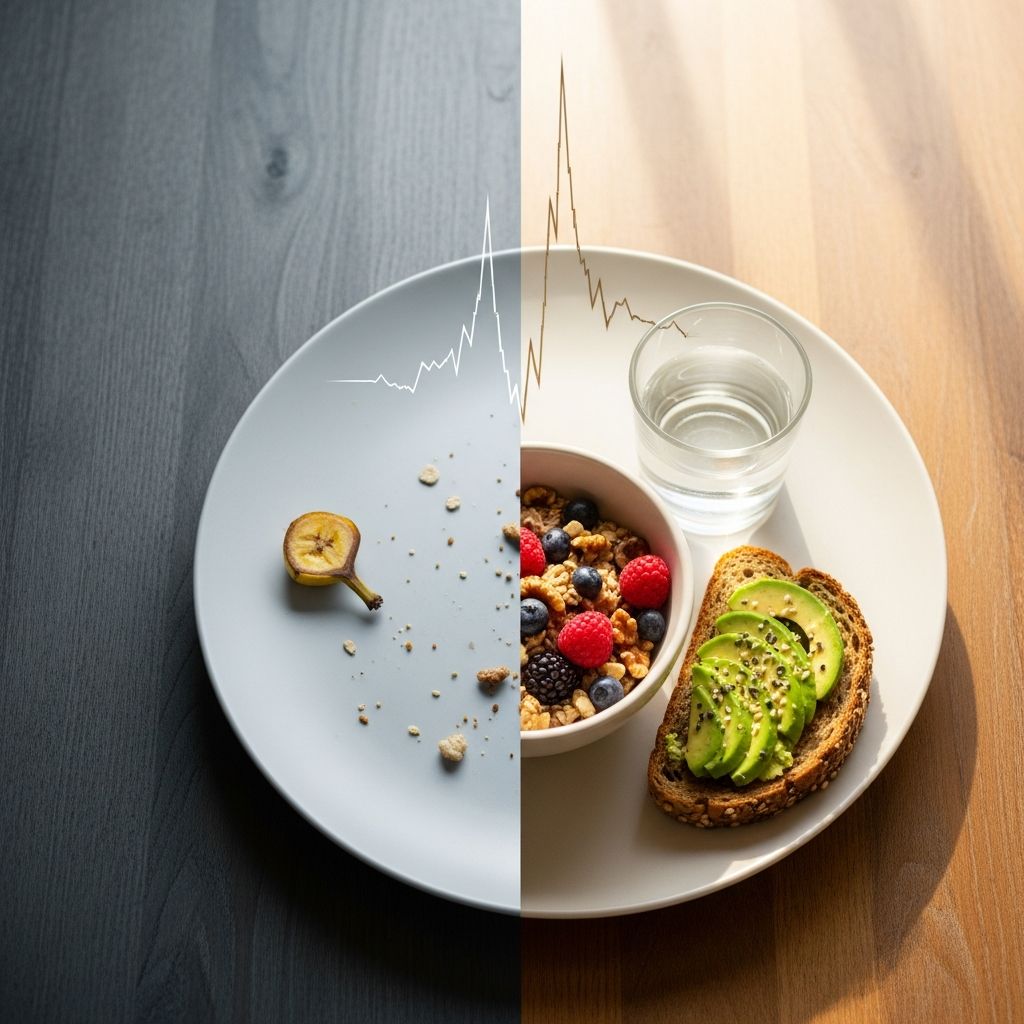
Skipping meals has become a common practice for weight loss, busy schedules, or intermittent fasting, but it can significantly disrupt blood sugar regulation. Recent studies reveal that omitting specific meals like lunch leads to elevated postprandial glucose levels, potentially raising diabetes risk. Understanding these effects is crucial for maintaining metabolic health.
What Happens When You Skip Meals?
When you skip meals, your body responds in complex ways. Normally, eating triggers insulin release to transport glucose into cells for energy. Without food, blood sugar may drop initially, prompting stress hormones like cortisol and glucagon to release stored glucose, causing rebounds or spikes later. This dysregulation is particularly problematic for those with insulin resistance or diabetes.
Research shows meal timing matters. Skipping breakfast might not immediately harm glucose at lunch due to adaptation, but omitting lunch impairs dinner-time glucose control. In healthy adults, skipping lunch for two days raised dinner peak glucose from 7.16 mmol/L to 9.05 mmol/L (p < 0.001), with incremental glucose rises of 4.24 mmol/L versus 2.63 mmol/L when lunch was eaten.
Skipping Breakfast: Limited Long-Term Impact
Breakfast skipping is popular in intermittent fasting, but its glucose effects are short-lived. Studies indicate no significant postprandial changes at lunch after skipping breakfast, even over two days. The body adapts, possibly through altered glycogen storage or hormonal adjustments, preventing sustained spikes.
- Peak glucose at lunch unchanged.
- Adaptation occurs by day two, unlike lunch skipping.
- May suit some for weight control but monitor for hypoglycemia in diabetics.
For diabetes patients, however, irregular breakfast can lead to unpredictable swings. Experts recommend consistent eating every 3-4 hours to stabilize levels.
Skipping Lunch: The Biggest Glucose Culprit
Lunch omission stands out as most detrimental. A controlled study with 13 healthy adults found skipping lunch consecutively increased dinner glucose parameters: peak levels, delta glucose, and 3-hour incremental AUC all rose significantly on both days (p < 0.001). This persisted despite identical energy and carb intake at dinner.
Why lunch? Midday aligns with circadian rhythms optimizing insulin sensitivity. Skipping disrupts this, leading to compensatory overeating or poor glucose handling later. Prior research noted 1.5-2.3 fold AUC increases at dinner post-lunch skip. With 26.1% of US adults skipping lunch, this could contribute to 3% of new diabetes cases annually, over 30,000.
| Parameter | Lunch Eaten | Lunch Skipped (Day 1) | Lunch Skipped (Day 2) |
|---|---|---|---|
| Peak Glucose at Dinner (mmol/L) | 7.16 ± 0.70 | 9.05 ± 1.23 | Significantly elevated |
| ΔGlucose (mmol/L) | 2.63 ± 0.77 | 4.24 ± 1.24 | Significantly elevated |
| 3h-iAUC | Baseline | Increased | Increased |
This table summarizes key findings from continuous glucose monitoring.
Skipping Dinner: Minimal Next-Day Effects
Surprisingly, dinner skipping showed no significant impact on breakfast glucose. Expectations of nocturnal dysregulation were unmet, possibly due to breakfast-induced homeostasis or depleted glycogen overnight. This suggests dinner flexibility for some, but prolonged fasting risks low morning sugar.
- No changes in breakfast peak or AUC.
- Opposite of predictions based on sleep glucose studies.
- Future research needed on mechanisms.
Related Stories



Who Is Most at Risk?
Those with prediabetes, type 2 diabetes, or insulin resistance face amplified risks. Skipping meals exacerbates hyperglycemia, as cells struggle with glucose uptake without adequate insulin response. Even healthy individuals show impairments, hinting at long-term metabolic strain.
Prevalence is high: millions practice time-restricted eating. Myths persist, like ‘skipping prevents rises,’ but bodies regulate glucose independently, often worsening swings without food.
Diabetes Nutrition Myths Debunked
Common misconceptions fuel poor habits:
- Myth: Skipping meals keeps blood sugar from rising. Reality: It causes unpredictable swings; eat every 3-4 hours.
- Myth: No carbs for diabetics. Truth: Balance with protein/fiber for stability.
- Myth: Fruit is bad. Whole fruits’ fiber slows sugar absorption.
Strategies for Stable Blood Sugar
Maintain regularity:
- Eat every 3-4 hours: protein + fiber snacks like nuts with fruit, yogurt with berries.
- Use plate method: ½ veggies, ¼ protein, ¼ carbs.
- High-fiber carbs: whole grains, beans over refined.
- Monitor with CGM if at risk.
- Consult dietitians for personalized plans.
Pairing examples:
- Toast + eggs
- Apple + peanut butter
- Veggies + hummus
Intermittent Fasting vs. Regular Meals
Intermittent fasting (IF) skips meals intentionally. While beneficial for some (weight loss, autophagy), evidence cautions glucose effects, especially lunch omission. Studies favor three meals daily for prevention. IF may suit healthy but monitor diabetics closely.
Frequently Asked Questions (FAQs)
Does skipping breakfast affect blood sugar?
Limited impact; body adapts quickly with no significant lunch spikes.
Why is skipping lunch worse for glucose?
Increases dinner postprandial glucose by 1.6 mmol/L due to disrupted rhythms.
Can people with diabetes skip meals?
Not recommended; leads to swings. Eat regularly with balanced snacks.
Is fruit safe for blood sugar control?
Yes, whole fruit with fiber; avoid juice.
How often should I eat to stabilize glucose?
Every 3-4 hours, no more than 5 hours without food.
Long-Term Implications
Chronic skipping, especially lunch, elevates diabetes risk via repeated spikes. US data links it to thousands of cases yearly. Prevention emphasizes ‘eat three times a day.’ Mechanisms unclear; more research needed on adaptation differences.
Consult professionals before changes, especially with conditions. Tools like CGM aid tracking.
References
- Effects of skipping breakfast, lunch or dinner on subsequent postprandial glucose levels in healthy subjects — NIH/PMC. 2025. https://pmc.ncbi.nlm.nih.gov/articles/PMC12265207/
- Diabetes nutrition myths debunked: the truth about carbs, fruit, and skipping meals — Intermountain Healthcare. 2024. https://intermountainhealthcare.org/blogs/article/diabetes-nutrition-myths-debunked-the-truth-about-carbs-fruit-and-skipping-meals
Similar Articles








Read full bio of medha deb