Skull Sutures: Anatomy, Function & Disorders
Understanding the role of skull sutures in growth, protection, and common disorders.
What Are Skull Sutures?
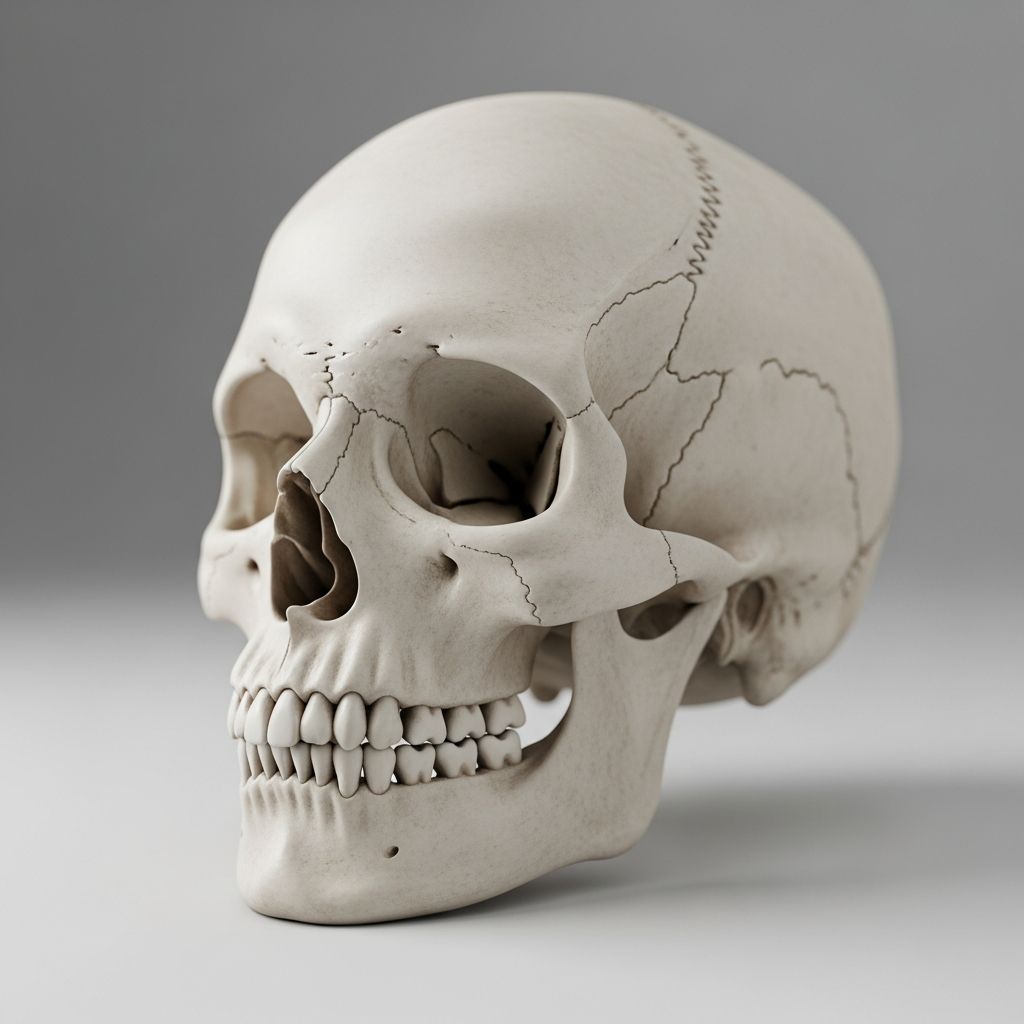
Skull sutures, also known as cranial sutures, are flexible joints that connect the bones of the skull. These fibrous seams allow the skull to expand as the brain grows, especially during infancy and childhood. Sutures are essential for accommodating the rapid brain development that occurs after birth and play a crucial role in protecting the brain throughout life.
Anatomy of Skull Sutures
The human skull is composed of 22 bones, most of which are joined by sutures. These sutures are named based on the bones they connect. The major sutures include:
- Sagittal suture: Connects the two parietal bones.
- Coronal suture: Joins the frontal bone with the parietal bones.
- Lambdoid suture: Links the parietal bones with the occipital bone.
- Squamous suture: Connects the temporal bone with the parietal bone.
There are also several minor sutures, such as the frontolacrimal suture (between the frontal and lacrimal bones) and the sphenosquamosal suture (between the sphenoid and temporal bones).
Function of Skull Sutures
The primary functions of skull sutures are:
- Facilitating Birth: Sutures allow the skull bones to move slightly during childbirth, making it easier for the baby to pass through the birth canal.
- Accommodating Brain Growth: As the brain grows, sutures provide flexibility, allowing the skull to expand and accommodate the increasing size of the brain.
- Protecting the Brain: Once the brain reaches its full size, sutures gradually fuse, forming a solid, protective structure around the brain.
Ossification of Skull Sutures
Ossification is the process by which the flexible sutures turn into solid bone. This process occurs gradually as a person ages. The timing of suture closure varies:
- Metopic suture: Usually fuses between 3 to 9 months of age.
- Sagittal suture: Closes around age 22.
- Coronal suture: Closes around age 24.
- Lambdoid suture: Closes around age 26.
- Squamous suture: May close completely by age 60.
Ossification ensures that the skull becomes a strong, protective structure as the brain reaches its full size.
Common Disorders of Skull Sutures
The most common disorder affecting skull sutures is craniosynostosis, which occurs when one or more sutures close too early. This can lead to abnormal head shape and potential complications.
Craniosynostosis
Craniosynostosis is a condition where the skull sutures fuse prematurely, restricting skull growth in certain areas. This can result in:
- Abnormal head shape (e.g., scaphocephaly, brachycephaly, trigonocephaly).
- Increased intracranial pressure.
- Potential developmental delays.
Craniosynostosis is typically diagnosed in infancy and may require surgical intervention to allow proper brain growth and prevent complications.
Other Suture-Related Conditions
Other conditions that may affect skull sutures include:
- Plagiocephaly: Flattening of one side of the skull, often due to positional factors.
- Hydrocephalus: Accumulation of cerebrospinal fluid in the brain, which can affect skull growth.
- Trauma: Head injuries can disrupt suture function and lead to abnormal skull development.
Related Stories



Diagnosis of Suture Disorders
Diagnosing suture disorders typically involves:
- Physical Examination: Assessing head shape and symmetry.
- Imaging Tests: X-rays, CT scans, or MRI scans to visualize suture fusion and skull structure.
- Neurological Evaluation: Assessing for signs of increased intracranial pressure or developmental delays.
Treatment Options
Treatment for suture disorders depends on the specific condition and severity:
- Surgical Intervention: For craniosynostosis, surgery may be necessary to release fused sutures and allow proper skull growth.
- Helmets: Shaping helmets can be used for mild cases of craniosynostosis or positional plagiocephaly.
- Medications: In some cases, medications may be used to manage symptoms or complications.
- Supportive Therapies: Physical therapy, occupational therapy, and educational support may be needed for developmental delays.
FAQs About Skull Sutures
What is the purpose of skull sutures?
Skull sutures allow the skull to expand as the brain grows, especially during infancy and childhood. They also provide flexibility during childbirth and protect the brain as the skull matures.
When do skull sutures close?
Skull sutures close at different times as a person ages. The metopic suture usually fuses between 3 to 9 months, while other sutures may close in early adulthood or even later.
What is craniosynostosis?
Craniosynostosis is a condition where one or more skull sutures close too early, leading to abnormal head shape and potential complications. It is typically diagnosed in infancy and may require surgical treatment.
How is craniosynostosis treated?
Treatment for craniosynostosis may include surgery to release fused sutures, shaping helmets for mild cases, and supportive therapies for developmental delays.
Can skull sutures affect brain development?
Yes, if sutures close too early (craniosynostosis), it can restrict brain growth and lead to increased intracranial pressure, developmental delays, and other complications.
Conclusion
Skull sutures play a vital role in brain growth, protection, and overall skull development. Understanding their anatomy, function, and potential disorders is essential for early diagnosis and effective treatment. If you have concerns about skull sutures or suspect a disorder, consult a healthcare provider for proper evaluation and management.
References
- Skull (Cranial) Sutures: What They Are & Anatomy — Cleveland Clinic. 2023. https://my.clevelandclinic.org/health/body/skull-sutures
- Craniosynostosis: Causes, Symptoms, Treatment & Types — Cleveland Clinic. 2023. https://my.clevelandclinic.org/health/diseases/6000-craniosynostosis
- Human Skull Anatomy — Cleveland Clinic. 2023. https://my.clevelandclinic.org/health/body/skull-anatomy
Similar Articles








Read full bio of medha deb