Slapped Cheek Disease: Symptoms, Treatment And Prevention Guide
Comprehensive guide to slapped cheek syndrome: symptoms, treatment, prevention, and risks for children and pregnant women.
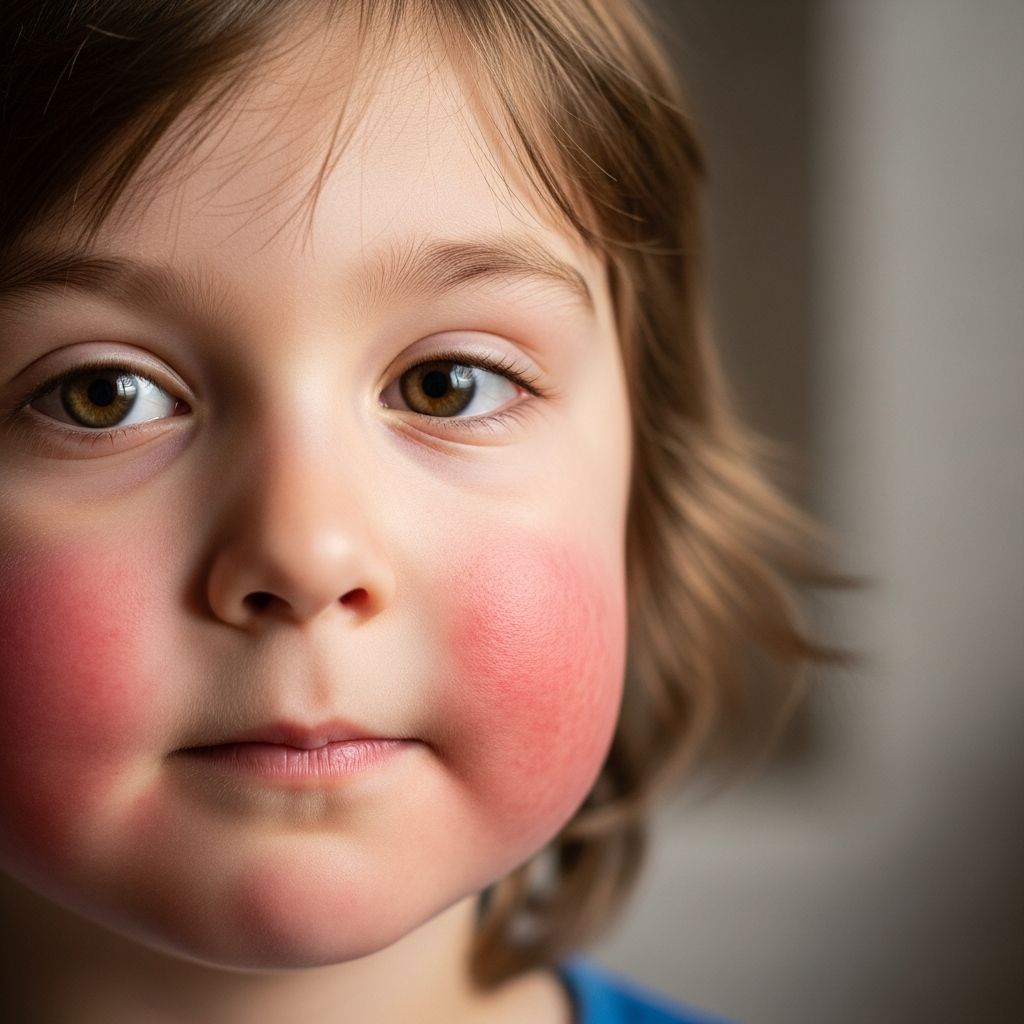
Slapped cheek disease, also known as fifth disease or erythema infectiosum, is a highly contagious viral infection primarily affecting children aged 4-10 years. Caused by parvovirus B19, it characteristically presents with a bright red rash on the cheeks, resembling as if the child has been slapped. While usually mild and self-limiting, it can pose risks to certain groups like pregnant women and those with weakened immunity.
What is slapped cheek disease?
Slapped cheek disease is one of the five classic childhood exanthems (rashes), hence its alternative name ‘fifth disease’. It is triggered by human parvovirus B19, a small DNA virus that targets red blood cell precursors in the bone marrow, temporarily halting their production. This leads to mild anemia in most cases, but the hallmark is the distinctive rash that appears after the initial flu-like phase.
The condition is most prevalent in school-aged children, especially in outbreaks within daycare centers, schools, or playgroups during winter and spring. Approximately 25% of infections are asymptomatic, allowing silent spread before the rash emerges. Adults can contract it too, though symptoms differ, often manifesting as joint pains rather than rash.
Symptoms of slapped cheek disease
The illness unfolds in two phases. Initially, for 4-21 days post-infection (incubation period), the child may feel generally unwell with non-specific symptoms mimicking a common cold.
- Early symptoms (pre-rash phase): High temperature (fever), runny nose, sore throat, headache, tiredness, mild muscle aches, and occasionally nausea or diarrhea.
- These symptoms typically last 2-5 days and resolve before the rash appears.
The defining feature is the
rash
, which develops suddenly 1-4 weeks after initial infection:- Facial rash: Bright red, flushed cheeks giving the ‘slapped’ appearance. On darker skin tones, it may appear purplish or less vivid. This lasts 2-4 days.
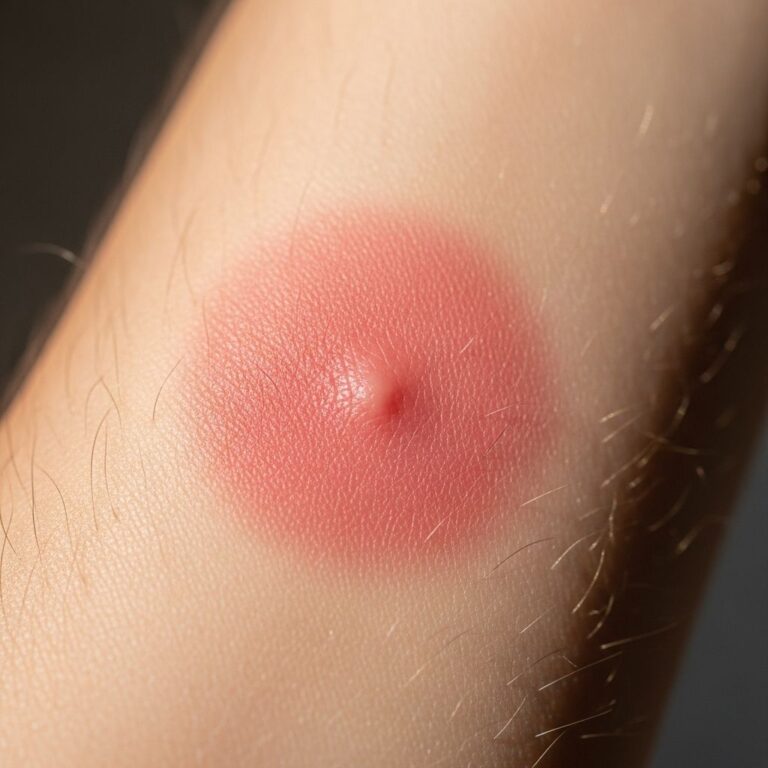
- Body rash: Lacy, pinkish-purple pattern spreading to trunk, arms, legs, and buttocks. It feels flat (not raised) and may itch mildly, especially on soles.
The rash can recur or intensify with heat (e.g., hot baths, sunlight), stress, or skin trauma, persisting 1-3 weeks or longer. Children often feel well once the rash appears.
Symptoms in adults
Adults, particularly women, are less likely to develop the rash but may experience prolonged joint pain and stiffness in hands, wrists, knees, or ankles, lasting weeks to months.
How long does slapped cheek disease last?
Most children recover fully within 2-3 weeks. The early flu-like symptoms resolve in days, while the rash fades over 1-3 weeks but may wax and wane. Joint symptoms in adults or rare cases in children can persist 4-12 weeks. Immunity is lifelong after infection; over 50% of adults have antibodies from prior exposure.
Is slapped cheek disease contagious?
Yes, highly contagious via respiratory droplets from coughs/sneezes or contact with contaminated surfaces/objects. Crucially, infectivity peaks before the rash appears—1-2 weeks prior—and ceases once the rash is visible.
Related Stories



- Affected individuals spread it unknowingly during the prodromal (early symptom) phase.
- No isolation needed post-rash, but good hygiene (handwashing, covering coughs) prevents outbreaks.
Outbreaks occur in cycles every 3-4 years in communities.
How is slapped cheek disease spread?
Parvovirus B19 transmits through:
- Airborne droplets from infected persons coughing/sneezing.
- Touching virus-laden objects (toys, doorknobs) then face/mouth.
- Rarely, via blood or from mother to fetus.
Children in group settings are at highest risk due to close contact and poor hygiene.
Diagnosis of slapped cheek disease
Usually clinical, based on classic rash and history. No routine testing needed for healthy children. Blood tests (IgM antibodies) confirm recent infection if complications suspected, e.g., in pregnancy or immunocompromised patients. Differential diagnoses include other childhood rashes like measles, rubella, or roseola.
Treatment of slapped cheek disease
No specific antiviral cure; management is supportive as the virus resolves spontaneously.
Self-care at home
- Rest: Encourage plenty of sleep.
- Hydration: Plenty of fluids; continue normal feeds for babies/infants.
- Pain/fever relief: Paracetamol (acetaminophen) or ibuprofen. Never aspirin in children under 16 due to Reye’s syndrome risk.
- Rash relief: Calamine lotion or antihistamines for itch; loose clothing, avoid irritants.
Most children need no GP visit unless severe.
When to seek medical help
Contact a doctor urgently if:
- Very pale skin, extreme tiredness, shortness of breath, fainting (signs of severe anaemia—may need transfusion).
- High/persistent fever, worsening joint pain, rapid heartbeat.
- Symptoms in high-risk groups: pregnant women, sickle cell anaemia, cancer, immunosuppression, chronic haemolytic anaemias.
Pregnant women exposed should consult promptly for blood tests.
Complications of slapped cheek disease
Rare in healthy children (<5%). Risks include:
| Group | Potential Complications |
|---|---|
| Immunocompromised | Severe anaemia, low platelet/white cell counts, prolonged infection. |
| Blood disorders (e.g., sickle cell) | Crisis from halted red blood cell production. |
| Pregnant women (esp. first 20 weeks) | 5-10% fetal infection risk: miscarriage (slight increase), fetal anaemia, hydrops fetalis, heart/liver issues. |
| Adults | Prolonged arthropathy (joint inflammation). |
No increased risk post-20 weeks.
Prevention of slapped cheek disease
No vaccine. Strategies include:
- Hand hygiene: Frequent washing, sanitizers.
- Cough etiquette: Cover mouth/nose, disposable tissues.
- Clean shared surfaces/toys.
- Exclude symptomatic children from school/nursery until rash appears (but often too late).
- Pregnant women: Avoid high-risk settings if outbreak; seek advice post-exposure.
Slapped cheek disease in pregnancy
If infected early (before 20 weeks), parvovirus crosses placenta in ~30% cases, risking fetal hydrops (fluid accumulation), anaemia, or demise. Monitor via ultrasound; intrauterine transfusion possible for severe anaemia. Serology advised for exposed pregnant women.
Frequently Asked Questions (FAQs)
Q: Is slapped cheek disease the same as parvovirus B19?
A: Yes, slapped cheek syndrome is the childhood rash manifestation of parvovirus B19 infection.
Q: Can adults get slapped cheek disease?
A: Yes, but rash is rarer; joint pains more common.
Q: When is slapped cheek disease most contagious?
A: Before the rash appears—up to 2 weeks prior.
Q: Should I keep my child off school?
A: No need once rash is present; they are no longer contagious.
Q: Does slapped cheek disease leave scars?
A: No, the rash is superficial and fades without scarring.
Q: Is there a vaccine for slapped cheek disease?
A: No vaccine available currently.
Outlook and recovery
Prognosis excellent for healthy children—full recovery without long-term effects. Reinfection impossible due to lifelong immunity. Awareness aids outbreak control and protects vulnerable groups.
References
- Slapped cheek syndrome – NHS — NHS. 2023-10-25. https://www.nhs.uk/conditions/slapped-cheek-syndrome/
- Slapped Cheek Syndrome Is on the Rise – Could Your Child Be at Risk? — MemorialCare Miller Children’s & Women’s Hospital. 2023-08-15. https://www.millerchildrens.memorialcare.org/blog/slapped-cheek-syndrome-rise-could-your-child-be-risk
- Fifth Disease (Slapped Cheek Disease) — UCSF California Child Health Program. 2024-01-10. https://cchp.ucsf.edu/resources/illness-sheets/fifth-disease-slapped-cheek-disease
- Fifth Disease — Children’s Hospital of Philadelphia (CHOP). 2023-11-05. https://www.chop.edu/conditions-diseases/fifth-disease
- About Parvovirus B19 — Centers for Disease Control and Prevention (CDC). 2024-06-12. https://www.cdc.gov/parvovirus-b19/about/index.html
- Parvovirus infection – Symptoms & causes — Mayo Clinic. 2024-02-28. https://www.mayoclinic.org/diseases-conditions/parvovirus-infection/symptoms-causes/syc-20376085
Similar Articles








Read full bio of Sneha Tete