Slapped Cheek Syndrome: 5-Stage Timeline And Parental Guide
Discover symptoms, transmission, treatment, and prevention of this common childhood viral infection known for its distinctive facial rash.
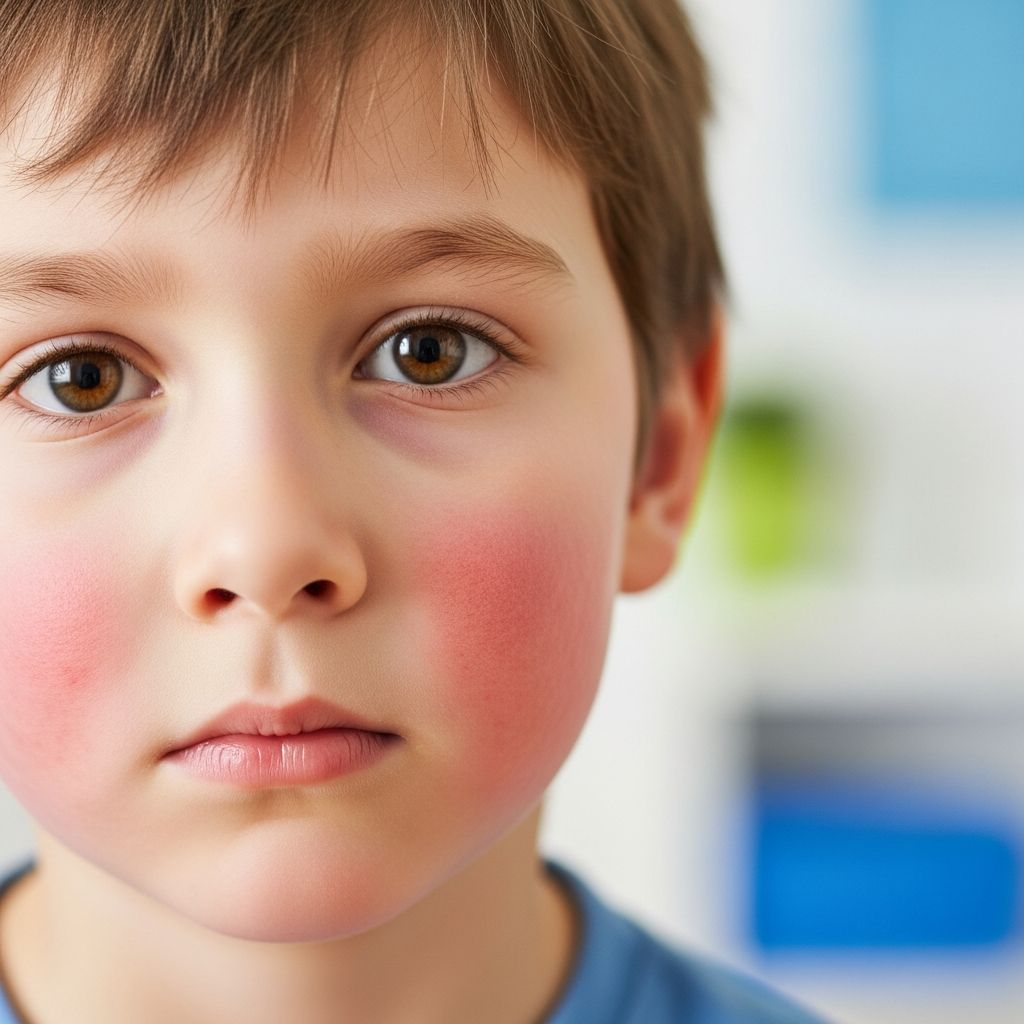
Slapped cheek syndrome, also referred to as fifth disease or erythema infectiosum, is a highly contagious viral illness primarily affecting young children. Caused by parvovirus B19, it leads to a characteristic bright red rash on the cheeks that resembles a slap mark, often spreading to other body areas. While typically mild and self-resolving, awareness of its progression, management, and potential risks empowers parents to handle it confidently.
The Viral Culprit Behind the Rash
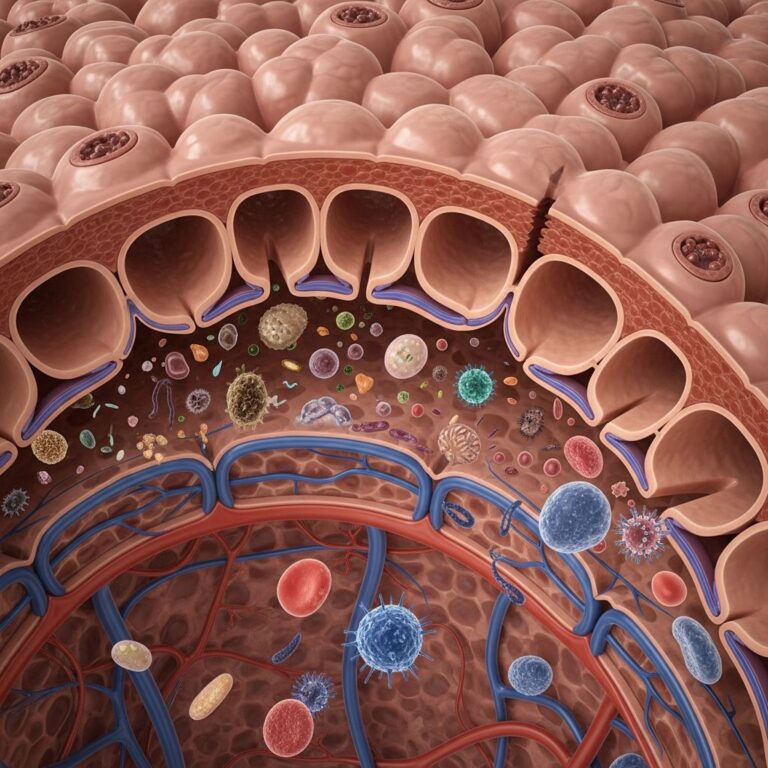
Parvovirus B19 is the sole pathogen responsible for this condition, distinct from animal parvoviruses affecting pets. This single-stranded DNA virus targets rapidly dividing cells, particularly erythroid precursors in bone marrow, explaining its impact on red blood cell production in vulnerable individuals. In healthy children, it causes minimal disruption, but its infectivity peaks before symptoms manifest.
Transmission occurs via respiratory droplets from coughs, sneezes, or contact with contaminated surfaces like toys in schools and daycare centers. The incubation period spans 4-21 days, with peak contagiousness 7-10 days post-exposure, usually ending once the rash emerges. About 50-60% of UK adults carry immunity from prior asymptomatic infections, as lifelong antibodies develop post-recovery.
Recognizing the Telltale Signs
Initial symptoms mimic a common cold, appearing 4-14 days after exposure. Children may experience low-grade fever (up to 102°F), runny nose, headache, sore throat, or mild malaise lasting 2-5 days. Notably, 25% of infections remain asymptomatic, facilitating unnoticed spread.
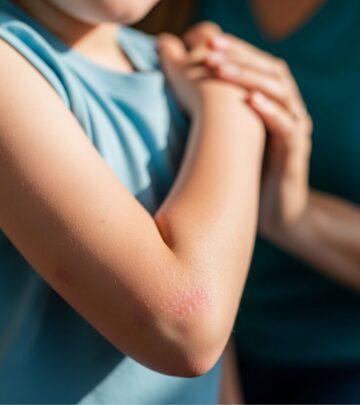
The signature rash defines the disease: a vivid, erythematous flush on one or both cheeks, sparing the nose and mouth area, creating a “slapped” appearance. This flat, painless eruption fades within 1-4 days but may recur with heat, sunlight, or stress. Subsequently, a lacy, reticular rash emerges on the trunk, arms, and legs, persisting 1-3 weeks and potentially waxing-waning.
Adults and some children develop arthralgia—joint pain and stiffness, especially in hands, wrists, knees, and ankles—lasting weeks to months, more prevalent in females. Unlike the rash, joint symptoms feel tender but non-deforming.
Progression and Duration Timeline
| Stage | Timeline | Key Features |
|---|---|---|
| Incubation | 4-21 days | Asymptomatic, highly contagious |
| Prodrome | Days 7-10 post-exposure | Fever, cold-like symptoms |
| Rash Onset | 14-21 days | Cheek erythema; non-contagious |
| Lacy Rash | 2-4 days after cheeks | Body-wide, intermittent up to 3 weeks |
| Resolution | 1-3 weeks total | Immunity conferred lifelong |
This table outlines the typical course, though individual variation occurs.
Home Management Strategies
No antiviral cure exists; treatment focuses on symptom relief. Supportive measures suffice for most cases:
- Rest and Hydration: Encourage plenty of fluids to prevent dehydration; continue normal feeds for infants.
- Fever and Pain Control: Administer age-appropriate paracetamol (acetaminophen) or ibuprofen. Avoid aspirin in children under 16 due to Reye’s syndrome risk.
- Itch Relief: Cool baths, calamine lotion, or oral antihistamines like diphenhydramine if rash itches.
- Skin Care: Loose cotton clothing; avoid irritants. Sun protection prevents rash flare-ups.
School attendance is safe post-rash appearance, as infectivity ceases. Monitor for 2-3 weeks, noting rash recurrences are benign.
Related Stories



High-Risk Groups and Complications
Though rare in healthy individuals, parvovirus B19 poses threats to specific populations.
- Hemolytic Anemias: Children with sickle cell disease, thalassemia, or spherocytosis face transient aplastic crisis—halted red blood cell production causing severe anemia.
- Immunocompromised: Cancer patients, transplant recipients, or HIV-positive individuals risk chronic infection with persistent viremia.
- Pregnancy: First-trimester exposure elevates miscarriage risk (5-10%) or fetal hydrops (heart failure, anemia); non-immune pregnant women (30-50% susceptibility) warrant screening.
Joint aches may linger months in adults but resolve without sequelae. Myocarditis or encephalitis occur exceptionally rarely.
When to Consult a Doctor Urgently
Seek immediate care if presenting with:
- Extreme pallor, fatigue, shortness of breath, or fainting—signs of anemia requiring transfusion.
- High persistent fever (>102°F for >3 days), rapid heartbeat, or breathing difficulty.
- Worsening joint pain unresponsive to OTC meds.
- Rash with bruising, petechiae, or systemic illness in high-risk children.
Diagnosis relies on clinical rash pattern; blood tests detect IgM antibodies (acute) or PCR for viremia in complications. Past infection shows IgG immunity.
Prevention in Community Settings
Vaccines remain unavailable. Curtail spread via:
- Vigorous handwashing with soap for 20 seconds, especially post-nose-wiping or diaper changes.
- Covering coughs/sneezes; dispose tissues promptly.
- Disinfect high-touch surfaces in playgroups.
- Exclude symptomatic children from school until rash-free, though most exclusion is pre-rash.
Pregnant women exposed should consult OB/GYN for serology; immunoglobulin therapy protects fetuses in select cases. Outbreaks peak spring (April-May in temperate climates).
Frequently Asked Questions (FAQs)
Is slapped cheek syndrome dangerous?
Generally mild in healthy kids, resolving without intervention. Risks elevate in those with blood disorders or immunosuppression.
Can adults get it?
Yes, though rarer; adults often experience joint pain sans rash.
Is it related to pet parvovirus?
No—human B19 differs from canine/feline strains; pets pose no risk.
How long is someone contagious?
Up to rash onset (4-20 days post-exposure); safe thereafter.
Does the rash itch or hurt?
Rash is painless; mild itch possible, managed with lotions.
Can I prevent my child from getting it?
Hygiene reduces risk; immunity follows one infection.
Long-Term Outlook and Immunity
Full recovery ensues without scarring or recurrence, as neutralizing antibodies persist lifelong. Monitor high-risk pregnancies via ultrasound for hydrops. Public health surveillance tracks outbreaks, emphasizing education over alarm.
This guide synthesizes evidence from authoritative sources, equipping families with knowledge for informed care.
References
- Slapped Cheek Disease — Practice365. 2020-05. https://practice365.co.uk/uploads/sites/419/2020/05/Slapped_Cheek_Disease.pdf
- Slapped Cheek Syndrome — NHS. 2023 (last updated). https://www.nhs.uk/conditions/slapped-cheek-syndrome/
- Slapped Cheek Syndrome Is on the Rise — Miller Children’s & Women’s Hospital. 2023. https://www.millerchildrens.memorialcare.org/blog/slapped-cheek-syndrome-rise-could-your-child-be-risk
- Fifth Disease — Children’s Hospital of Philadelphia. 2024 (last updated). https://www.chop.edu/conditions-diseases/fifth-disease
- About Parvovirus B19 — CDC. 2024 (last updated). https://www.cdc.gov/parvovirus-b19/about/index.html
- Fifth Disease (Erythema Infectiosum) — Cleveland Clinic. 2023 (last updated). https://my.clevelandclinic.org/health/diseases/15774-fifth-disease
Similar Articles








Read full bio of Sneha Tete