30-Day Slash The Sugar Challenge: Reset Metabolism In 4 Weeks
Join our 30-day challenge to reset your metabolism, stabilize blood sugar, and break free from sugar cravings for lasting health benefits.
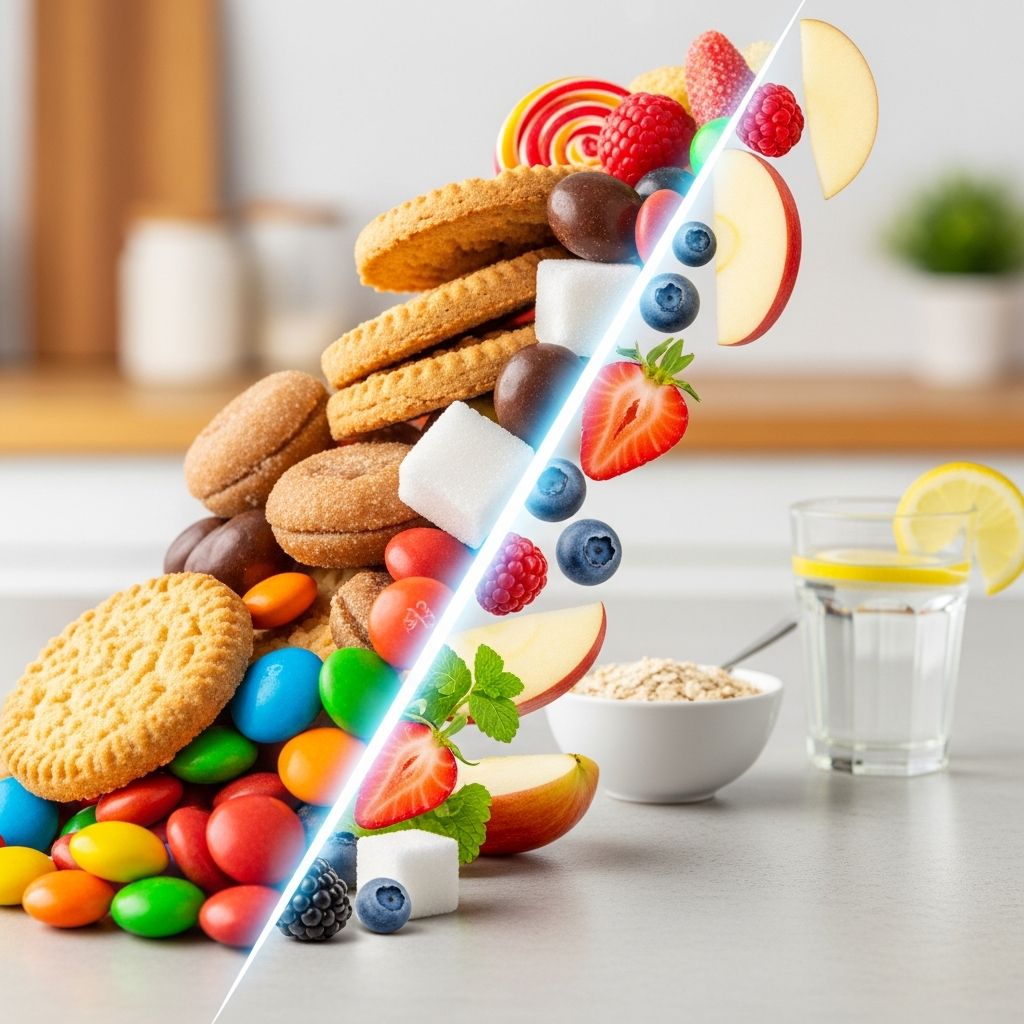
Excess added sugar lurks in everyday foods, driving cravings, energy crashes, and health risks like obesity and heart disease. The
30-Day Slash the Sugar Challenge
empowers you to break free by eliminating added sugars—including natural ones like honey and artificial substitutes—while nourishing your body with whole foods. This structured program resets your metabolism, stabilizes blood sugar, heightens label-reading awareness, and fosters sustainable habits. Backed by guidelines from the American Heart Association (AHA), which notes Americans consume over double the recommended daily sugar (77g vs. 25-36g), this challenge delivers real transformation.Why Cut Sugar? The Hidden Dangers
Added sugars provide empty calories that spike blood sugar, leading to insulin surges, crashes, and relentless cravings. Unlike natural sugars in fruits and vegetables, which come bundled with fiber, vitamins, and antioxidants, added sugars like high-fructose corn syrup offer no nutritional value. Chronic overconsumption links to weight gain, type 2 diabetes, fatty liver disease, and inflammation, per AHA recommendations limiting intake to 6 teaspoons (25g) for women and 9 teaspoons (36g) for men daily.
The average American ingests 60 pounds of sugar yearly—equivalent to 15.5 teaspoons daily—far exceeding safe limits. Sugar substitutes fare no better; they often intensify cravings by being hundreds of times sweeter, perpetuating the cycle without calorie reduction benefits long-term.
Challenge Rules: What to Expect
This 30-day journey bans all added sweeteners: white sugar, brown sugar, agave, honey, maple syrup, stevia, aspartame, and “sugar-free” labels hiding substitutes. Whole fruits and vegetables stay, delivering natural sweetness with health perks. No calorie restriction—focus solely on sugar slashing to avoid compounded stress.
- Duration: 30 days, divided into four weeks.
- Goal: Consume <10 teaspoons (40g) added sugar daily post-challenge, zero synthetics.
- Allowed: Five food groups—grains, proteins, dairy, fruits/veggies, healthy fats.
- Prohibited: Sweetened drinks, desserts, processed snacks, sauces with hidden sugars.
Slip-ups happen; restart without self-judgment. Preparation is key: purge pantry of sugary items, stock fruits for cravings, and commit mentally.
Week 1: Detox Begins – Preparation and First Steps
Launch with a clean slate. Raid your kitchen: discard or donate anything listing added sugars in ingredients. Stock up on berries, apples, and carrots for natural sweet hits. Expect initial hurdles—sugar’s addictive nature mimics drug withdrawal.
What to Eat:
- Proteins: Eggs, chicken, fish, tofu.
- Grains: Oats, quinoa, brown rice (unsweetened).
- Veggies: Leafy greens, broccoli, peppers.
- Fruits: In moderation for sweetness.
- Fats: Avocados, nuts, olive oil.
Withdrawal Symptoms: Headaches, irritability, fatigue—these peak early as your body adjusts from sugar highs/lows. Hydrate heavily (aim for 8-10 glasses water daily), sleep 7-9 hours, and move gently (walks, yoga). By day’s end, track intake via a journal to spot hidden sugars like in yogurt or bread.
Week 2: Power Through Cravings
Week 2 intensifies withdrawal: grumpiness, brain fog, even mild depression signal detox progress. Your brain, wired for sugar’s dopamine rush, protests—but persistence pays off. Cravings stem from blood sugar volatility; stabilizing it here builds resilience.
Related Stories



Pro Tips:
- Snack Smart: Apple slices with nut butter, celery with hummus.
- Read Labels Ruthlessly: Scan for -ose endings (dextrose, maltose), syrups, or “natural flavors.”
- Hydrate & Distract: Herbal teas (unsweetened), chew gum, or walk off urges.
Aim for balanced plates: half veggies, quarter protein, quarter grains. Energy evens out by week’s end, revealing sugar’s toll.
Week 3: Momentum Builds – Feeling the Benefits
Withdrawal wanes; vitality surges. Stable blood sugar curbs cravings, boosts focus, and sustains energy sans crashes. Metabolism reboots as nutrient-dense foods fuel long-lasting power. Notice clearer skin, better sleep, steady mood?
Key Wins:
- Reduced hunger for junk.
- Improved digestion from fiber-rich eats.
- Heightened taste buds—real food shines brighter.
Prepare snacks ahead: veggie sticks, hard-boiled eggs, plain Greek yogurt. Dine out wisely—opt for grilled proteins, salads sans dressing.
Week 4: Sustain Success – Lifelong Habits
Congratulations—you’ve conquered cravings! Now, maintain: cap added sugar at 10 teaspoons daily, shun synthetics. Reflect on why you started; benefits like weight stability, heart health, and vitality reinforce commitment.
Maintenance Strategies:
| Challenge Phase | Focus | Tips |
|---|---|---|
| Prep/Week 1 | Detox Setup | Purge pantry, stock produce. |
| Week 2 | Craving Combat | Balanced meals, label checks. |
| Week 3 | Benefits Emerge | Snack prep, mindful eating. |
| Week 4 | Sustain | <40g sugar/day, no substitutes. |
Health Benefits: Science-Backed Results
Beyond anecdotes, sugar reduction yields measurable gains. AHA data underscores halved intake slashes heart disease risk. Stable glucose prevents diabetes progression; fiber from allowed foods aids gut health. Long-term: lower inflammation, better weight control, enhanced brain function. Artificial sweeteners? Debated—no proven weight loss, potential craving amplifiers.
Post-challenge, 80% report fewer cravings; many shed 5-10 pounds naturally via reduced calories from sweets.
Common Challenges and Solutions
- Social Events: Choose meat/cheese trays, sparkling water with lemon.
- Emotional Eating: Journal triggers, try meditation apps.
- Plateaus: Vary veggies, experiment herbs/spices for flavor.
Frequently Asked Questions (FAQs)
What counts as added sugar?
Any sweetener not naturally in whole foods: syrups, honey, stevia, etc. Fruit’s fructose is fine with fiber.
Can I have fruit?
Yes! Whole fruits provide balanced natural sugars; limit dried or juiced forms.
What about sugar substitutes?
No—all intensify cravings and disrupt detox.
How much sugar is too much daily?
AHA: 25g women, 36g men. Post-challenge: <40g, zero artificial.
Will I lose weight?
Many do via lower calories, but focus on health—not dieting.
What if I slip up?
Restart next meal—no quitting. Progress trumps perfection.
Success Stories and Motivation
Participants rave: “Energy steady—no more 3pm slumps!” Track your journey; share wins for accountability. This isn’t deprivation—it’s reclaiming control for vibrant health.
References
- Sugar Challenge Weekly Info Packet — Spartanburg Regional Health. Accessed 2026. https://www.sphealth.org/sites/default/files/Sugar%20Challenge%20Weekly%20Info%20Packet.pdf
- The big debate: Can sugar survive a public health crisis? — FoodNavigator. 2017-03-31. https://www.foodnavigator.com/Article/2017/03/31/The-big-debate-Can-sugar-survive-a-public-health-crisis/
Similar Articles








Read full bio of medha deb