Sleep Apnea Causes: Types, Risks, And Prevention
Uncover the primary causes and risk factors of sleep apnea, from obstructive to central types, and learn how they impact your health.
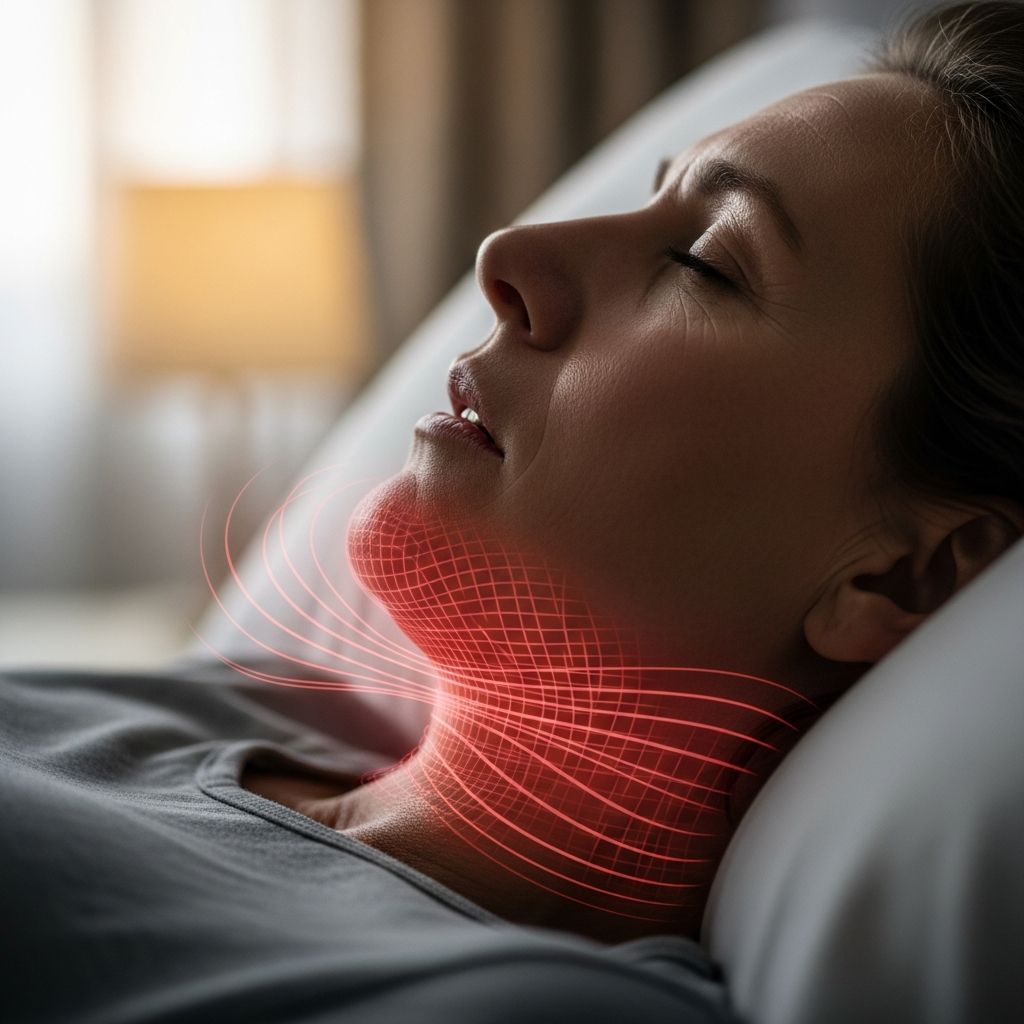
Sleep apnea is a serious sleep disorder characterized by repeated interruptions in breathing during sleep, leading to poor sleep quality and significant health risks. Understanding its causes is crucial for prevention and treatment. This article delves into the primary types—obstructive sleep apnea (OSA), central sleep apnea (CSA), and complex sleep apnea—along with their specific causes and risk factors.
What Is Sleep Apnea?
Sleep apnea occurs when breathing repeatedly stops and starts during sleep. There are three main types: obstructive sleep apnea (OSA), the most common form, happens when throat muscles relax and block the airway; central sleep apnea (CSA), where the brain fails to signal breathing muscles; and treatment-emergent central apnea (complex sleep apnea), which develops during OSA treatment.1 These interruptions, called apneas or hypopneas, can occur hundreds of times per night, reducing oxygen levels and disrupting sleep.
Globally, OSA prevalence is rising, closely linked to increasing obesity rates. In obese individuals, fat deposits narrow the upper airway, exacerbating breathing difficulties during sleep.2
Obstructive Sleep Apnea Causes
Obstructive sleep apnea (OSA) is caused by the relaxation of throat muscles that support soft tissues like the tongue and soft palate. This relaxation narrows or blocks the airway, momentarily cutting off breathing. Unlike CSA, OSA involves physical blockage rather than brain signaling issues.1
In obese people, fatty tissues accumulate in the upper respiratory tract, reducing muscle activity and leading to hypoxic episodes. This creates a cycle of apnea, hypoxia, and oxidative stress, contributing to further health issues like atherosclerosis.2
Risk Factors for Obstructive Sleep Apnea
- Excess weight: Obesity greatly increases OSA risk as fat deposits block the upper airway. Studies show a direct correlation between body mass index (BMI) and apnea-hypopnea index (AHI) severity.12
- Narrowed airway: Inherited narrow throats, enlarged tonsils or adenoids (common in children), or thicker necks predispose individuals to airway collapse.
- Alcohol or sedatives: These relax throat muscles, worsening airway obstruction.
- Smoking: Smokers are three times more likely to develop OSA due to inflammation and fluid retention in the airway.1
- Nasal congestion: Allergies or anatomical issues forcing mouth breathing heighten risk.
- Medical conditions: Type 2 diabetes, high blood pressure, congestive heart failure, polycystic ovary syndrome, and hormonal disorders elevate OSA likelihood.1
Central Sleep Apnea Causes
Central sleep apnea (CSA) arises when the brain doesn’t send proper signals to the muscles controlling breathing, leading to pauses without airway effort. It’s less common than OSA and often linked to underlying health issues.1
Risk Factors for Central Sleep Apnea
- Age: More prevalent in middle-aged and older adults.
- Sex: More common in men.
- Heart disorders: Congestive heart failure significantly raises risk.1
- Opioid use: Long-acting opioids like methadone suppress breathing signals.
- Stroke: Prior strokes increase CSA susceptibility.
Complex Sleep Apnea Causes
Also known as treatment-emergent central apnea, this form occurs when someone diagnosed with OSA develops CSA patterns during treatment like CPAP therapy. The exact mechanism is not fully understood but may involve shifts in breathing regulation as OSA resolves.1 It requires adjusted treatment approaches.
Related Stories



Other Risk Factors and Contributors
Beyond type-specific factors, lifestyle and metabolic issues play key roles. Sedentary lifestyles, tobacco abuse, heavy alcohol use, and short sleep duration (less than 6 hours) correlate with higher OSA risk, particularly in obese populations.2 Hormonal imbalances from poor sleep—such as elevated ghrelin (appetite stimulant) and reduced leptin (satiety hormone)—promote weight gain and metabolic syndrome, fueling a vicious cycle.2
| Type | Primary Cause | Main Risk Factors |
|---|---|---|
| Obstructive (OSA) | Throat muscle relaxation blocking airway | Obesity, narrow airway, smoking, alcohol, nasal issues, diabetes |
| Central (CSA) | Brain fails to signal breathing muscles | Age, male sex, heart failure, opioids, stroke |
| Complex | Emerges during OSA treatment | Underlying OSA transitioning to CSA patterns |
How Sleep Apnea Causes Health Complications
Sleep apnea’s repeated oxygen drops strain the body, leading to serious complications. For OSA, low oxygen levels raise blood pressure, increasing risks of hypertension, heart attack, stroke, atrial fibrillation, and type 2 diabetes. It also links to metabolic syndrome (high blood sugar, cholesterol, waist circumference) and nonalcoholic fatty liver disease.1
In CSA, fatigue from poor sleep causes daytime drowsiness, irritability, and concentration issues, raising accident risks. Cardiovascular strain from hypoxia can trigger irregular heart rhythms, especially with preexisting heart disease.1
OSA patients show elevated inflammatory markers like C-reactive protein, TNF-α, and IL-6, correlating with AHI severity. Leptin levels, tied to obesity and OSA, are 50% higher in affected individuals, worsening metabolic disruptions.2 Partners suffer too, from disrupted sleep due to snoring.
Obesity and Sleep Apnea: A Public Health Crisis
Obesity is a primary driver of OSA, with fat deposits causing upper airway narrowing and reduced lung volume. Global obesity rises (e.g., 30% in some Asian countries) mirror OSA increases, alongside comorbidities like type 2 diabetes and hypertension.2 Weight gain exacerbates AHI; longitudinal studies confirm those gaining most weight develop severe sleep-disordered breathing.
Short sleep from OSA alters circadian rhythms, reducing melatonin and causing leptin/insulin resistance, promoting further obesity. This cycle heightens cardiovascular disease via hypoxia-induced atherosclerosis.2
Prevention and When to Seek Help
Addressing modifiable risks like weight loss, quitting smoking, limiting alcohol, and treating nasal congestion can prevent or mitigate sleep apnea. Screening obese individuals for OSA is recommended.2 Consult a doctor if you experience loud snoring, gasping, daytime fatigue, or observed breathing pauses.
Frequently Asked Questions (FAQs)
What causes obstructive sleep apnea?
OSA is caused by relaxed throat muscles blocking the airway, worsened by obesity, narrow airways, smoking, and alcohol.1
Is sleep apnea caused by obesity alone?
No, while obesity is a major factor, anatomical issues, smoking, medical conditions, and lifestyle contribute significantly.12
Can central sleep apnea be caused by medications?
Yes, opioids, especially long-acting ones, increase CSA risk by suppressing brain breathing signals.1
How does sleep apnea cause heart problems?
Repeated low oxygen strains the heart, raising blood pressure and risks of arrhythmias, heart attack, and stroke.1
Does smoking cause sleep apnea?
Smokers are three times more likely to have OSA due to airway inflammation and fluid retention.1
References
- Sleep apnea – Symptoms and causes — Mayo Clinic. 2023-10-05. https://www.mayoclinic.org/diseases-conditions/sleep-apnea/symptoms-causes/syc-20377631
- Obstructive Sleep Apnea and Obesity: Implications for Public Health — PMC (National Library of Medicine). 2018-02-23. https://pmc.ncbi.nlm.nih.gov/articles/PMC5836788/
Similar Articles








Read full bio of medha deb