Sleep Apnea Diagnosis: Guide To Tests, Symptoms, & Criteria
Understand the comprehensive process of diagnosing sleep apnea, from initial symptoms to advanced sleep studies and AHI scoring.
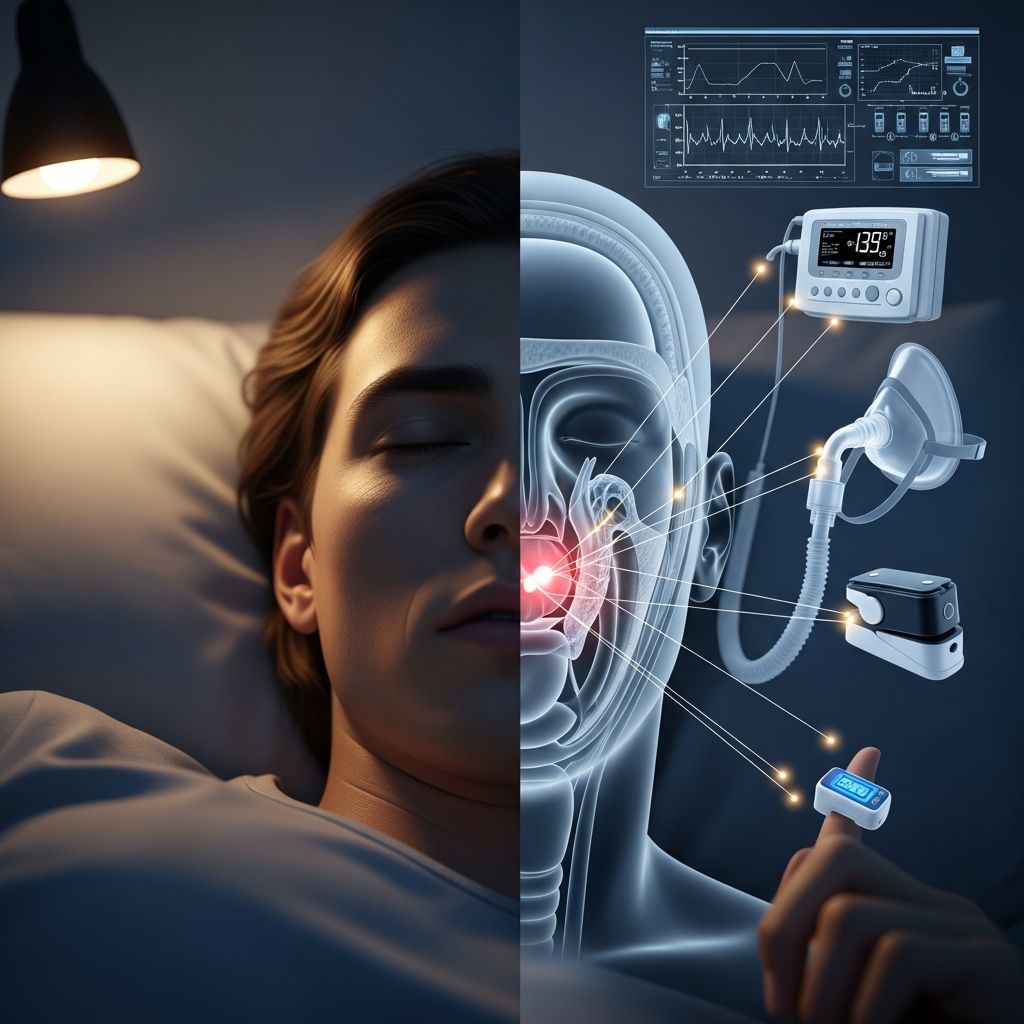
Sleep apnea diagnosis typically begins with a thorough evaluation of symptoms, medical history, and a physical exam, followed by confirmatory sleep studies such as polysomnography or home sleep apnea tests to measure breathing disruptions during sleep.
What Is Sleep Apnea?
Sleep apnea is a prevalent sleep disorder characterized by repeated pauses in breathing or shallow breaths during sleep, leading to fragmented rest and potential health complications like daytime fatigue, cardiovascular issues, and metabolic disorders. Obstructive sleep apnea (OSA), the most common form, occurs due to physical airway blockage from relaxed throat muscles or tissue collapse. Central sleep apnea (CSA) involves the brain failing to send proper breathing signals, while complex sleep apnea combines both. Prevalence is high, affecting up to 10% of adult males and 3% of females, often linked to obesity and upper airway narrowing.
Untreated sleep apnea heightens risks for hypertension, diabetes, and heart disease, making timely diagnosis essential. Historical descriptions date back centuries, but modern recognition surged in the 1960s with polysomnography advancements.
Symptoms of Sleep Apnea
Recognizing symptoms is the first step in diagnosis. Common indicators include:
- Loud snoring or snorting sounds during sleep.
- Pauses in breathing observed by a bed partner.
- Excessive daytime sleepiness or fatigue, even after sufficient sleep hours.
- Gasping or choking sensations upon waking.
- Morning headaches, dry mouth, or sore throat.
- Difficulty concentrating, irritability, or mood changes.
- Frequent nighttime urination or insomnia.
These symptoms often overlap with other conditions, underscoring the need for professional assessment.
Risk Factors for Sleep Apnea
Several factors increase susceptibility:
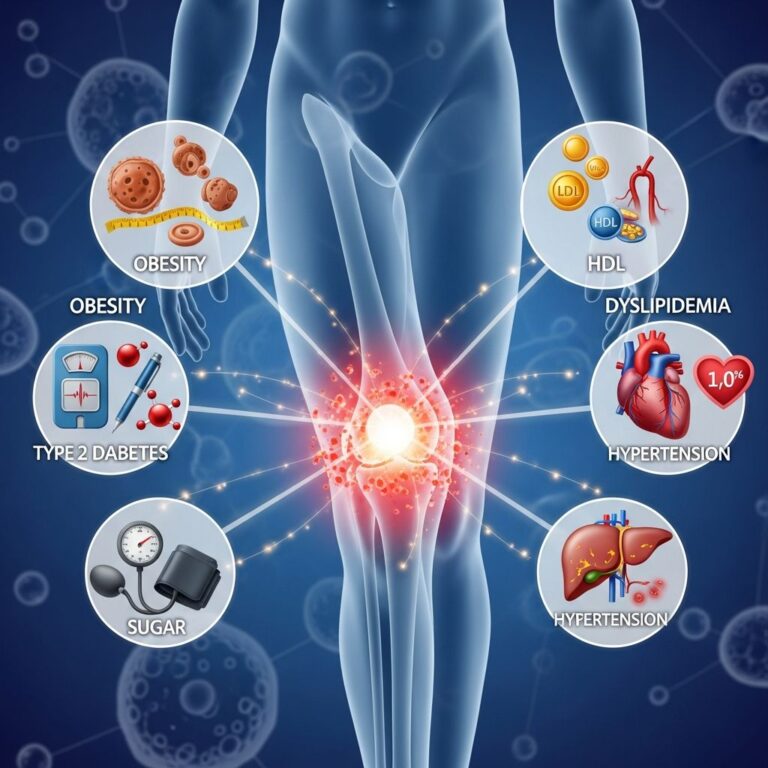
- Obesity: Excess weight contributes to airway narrowing.
- Age and Gender: More common in men and those over 40.
- Family History: Genetic predisposition to airway structure.
- Lifestyle: Smoking, alcohol use, and sedentary behavior.
- Anatomy: Large neck size, narrow airways, or enlarged tonsils.
- Medical Conditions: Hypertension, diabetes, or nasal congestion.
Obesity is a key acquired factor exacerbating genetic tendencies.
When to See a Doctor
Consult a healthcare provider if you experience persistent daytime sleepiness interfering with daily activities, such as driving or working, or if a partner reports breathing pauses. Screening questionnaires like the STOP-BANG assess risk based on snoring, tiredness, observed apnea, pressure (hypertension), BMI, age, neck circumference, and gender.
Medical History and Physical Exam
Diagnosis starts with discussing symptoms, family history, smoking, alcohol use, and medications. The physical exam focuses on airway anatomy: throat, mouth, nose, neck size, and body mass index (BMI). Providers check for enlarged tonsils, recessed chin, or nasal obstructions. This clinical evaluation determines if a sleep study is warranted.
Sleep Studies for Diagnosis
The gold standard is a sleep study, or polysomnogram (PSG), monitoring brain waves, oxygen levels, heart rate, breathing, and movements. Options include in-lab overnight studies or at-home tests for suspected OSA.
In-Lab Polysomnogram
Conducted at a sleep center, sensors track multiple physiological signals. Arrival instructions cover diet, medications, and what to bring. A technician attaches electrodes to monitor sleep stages, breathing interruptions, leg movements, and oxygen saturation. Split-night studies diagnose severe cases in the first half and titrate PAP therapy in the second.
In-lab PSG is preferred for complex cases like heart/lung disease or suspected central apnea.
Related Stories



Home Sleep Apnea Test (HSAT)
Portable devices measure airflow, oxygen, heart rate, and effort, suitable for uncomplicated OSA suspicion. Easier and less costly, but less comprehensive than lab PSG, missing details on sleep stages or other disorders.
Split-Night Study
For high suspicion, this combines diagnosis and CPAP titration. If AHI indicates moderate-severe apnea early, PAP is applied to find optimal pressure.
Diagnostic Criteria
Diagnosis relies on PSG results and symptoms. Key is the apnea-hypopnea index (AHI):
| AHI Score | Severity |
|---|---|
| 5-14 events/hour | Mild |
| 15-29 events/hour | Moderate |
| ≥30 events/hour | Severe |
AHI calculates average apneas (complete cessation ≥10 seconds) and hypopneas (partial airflow reduction with desaturation or arousal) per sleep hour. Respiratory effort-related arousals (RERAs) may also factor in. OSA requires evidence of obstruction; CSA shows absent effort.
Polysomnography remains definitive despite trends toward simplified home diagnostics due to high prevalence.
Types of Sleep Apnea Diagnosed
- Obstructive Sleep Apnea (OSA): Airway collapse during relaxation.
- Central Sleep Apnea (CSA): Brain signal failure.
- Complex/Mixed: Both mechanisms, often post-OSA treatment.
Sleep studies differentiate these.
What Happens After Diagnosis
Post-diagnosis, severity guides treatment: lifestyle changes for mild cases, CPAP for moderate-severe, oral appliances, surgery, or positional therapy. Follow-up monitors adherence and efficacy.
Frequently Asked Questions
Can you diagnose sleep apnea without a sleep study?
No, while symptoms and exam suggest it, confirmation requires objective PSG or HSAT data on breathing events.
What could be mistaken for sleep apnea?
Conditions like insomnia, UARS, RLS, depression, anxiety, chronic fatigue, or heart failure mimic symptoms; PSG distinguishes them.
Does blood work show sleep apnea?
No, blood tests don’t diagnose this breathing disorder; sleep studies are essential.
How long does a sleep study take?
In-lab PSG is overnight (6-8 hours); results in days. HSAT is one night with quicker analysis.
Is sleep apnea reversible?
Lifestyle changes like weight loss can improve or resolve mild cases; severe often needs ongoing therapy.
Challenges in Diagnosis
High prevalence strains resources; many cases go undiagnosed as snoring/sleepiness seem normal. Simplified ambulatory tests emerge, but PSG is gold standard for accuracy.
Sleep apnea links to cardiovascular risks independently, with CPAP reducing blood pressure.
References
- How Is Sleep Apnea Diagnosed? — SleepApnea.org. Accessed 2026. https://www.sleepapnea.org/diagnosis/
- Sleep apnoea: a major and under-recognised public health concern — PMC (NCBI). 2015-08-28. https://pmc.ncbi.nlm.nih.gov/articles/PMC4561285/
Similar Articles








Read full bio of medha deb