Sleep Apnea Symptoms: 8 Common Signs, Causes, Treatments
Recognize the signs of sleep apnea early to prevent serious health risks like heart disease and daytime fatigue.
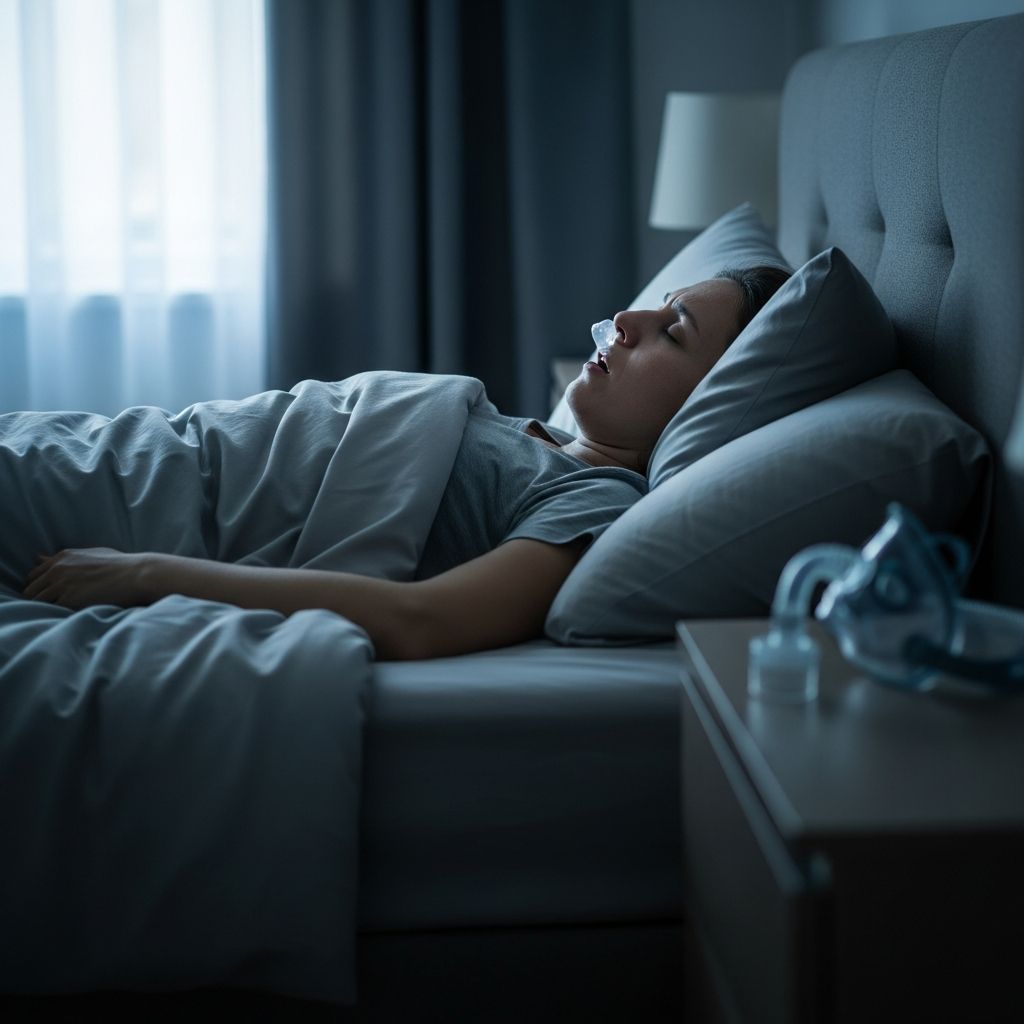
Sleep apnea is a common sleep disorder characterized by repeated pauses in breathing during sleep, leading to poor sleep quality and serious health risks if untreated. Recognizing symptoms like loud snoring, gasping, and excessive daytime sleepiness is crucial for early diagnosis and management.
What Is Sleep Apnea?
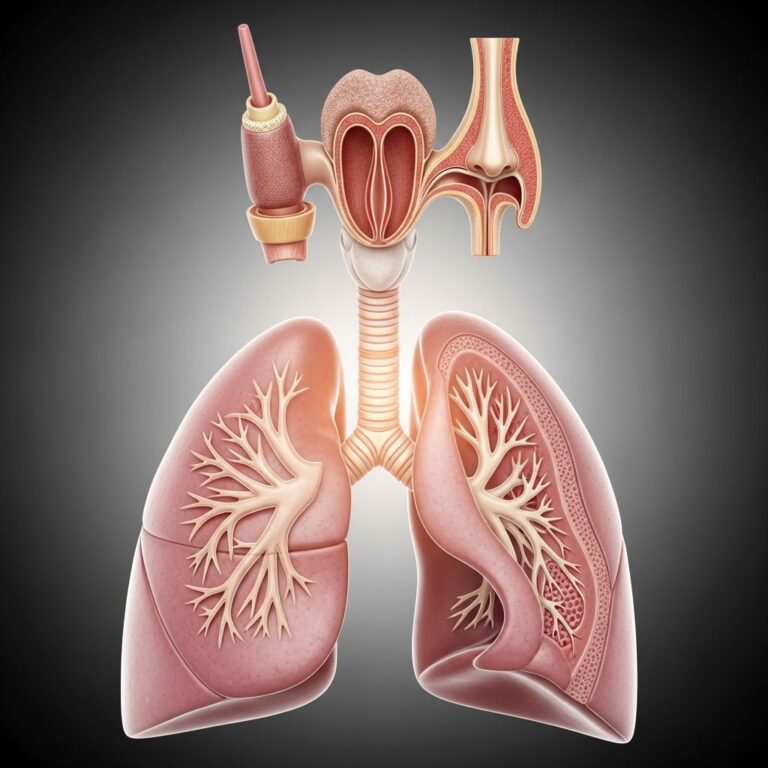
Sleep apnea involves repeated lapses in breathing during sleep, categorized into types based on cause: obstructive sleep apnea (OSA), the most common form where throat muscles relax and block the airway; central sleep apnea (CSA), where the brain fails to signal breathing muscles; and complex sleep apnea, a mix that emerges during treatment.12 These disruptions fragment sleep, often without full awareness, resulting in daytime consequences.3
Sleep Apnea Symptoms
Symptoms of sleep apnea manifest at night and during the day due to oxygen deprivation and sleep fragmentation. Common signs include:
- Loud, chronic snoring: Often the first noticeable symptom, caused by partial airway obstruction.12
- Gasping, choking, or snorting sounds: Episodes where breathing stops and restarts abruptly.12
- Excessive daytime sleepiness: Feeling tired despite full nights of sleep, increasing accident risk.13
- Morning headaches: Resulting from low oxygen levels overnight.1
- Dry mouth or sore throat upon waking: From mouth breathing due to nasal blockage.2
- Difficulty concentrating or memory issues: Cognitive fog from poor sleep quality.1
- Irritability or mood changes: Including depression risk from chronic fatigue.23
- Insomnia or frequent awakenings: Trouble staying asleep.2
Bed partners often report breathing pauses, as individuals may not notice their own symptoms.12 Children might show hyperactivity or poor school performance instead of sleepiness.2
Types of Sleep Apnea
There are three primary types:
- Obstructive Sleep Apnea (OSA): Accounts for most cases; throat muscles relax, narrowing the airway. Affects about 1 billion adults worldwide aged 30-69.3
- Central Sleep Apnea (CSA): Brainstem fails to signal breathing muscles properly, often linked to heart failure or stroke.12
- Complex (Treatment-Emergent) Sleep Apnea: OSA transitions to CSA-like patterns during CPAP therapy.2
Sleep Apnea Causes and Risk Factors
Causes vary by type. For OSA, relaxed throat muscles (tongue, soft palate, uvula) obstruct airflow, dropping oxygen and triggering brief arousals—repeating 5-30+ times hourly.2 CSA stems from brain signaling failures, linked to conditions like heart failure, stroke, or opioid use.1
Risk Factors
| Risk Factor | Description |
|---|---|
| Obesity | Excess fat narrows airways; BMI over 25 increases OSA risk.12 |
| Narrow Airway | Large tonsils, small jaw, or deviated septum.2 |
| Age and Gender | Over 40, more common in men, post-menopause women.1 |
| Family History | Genetic predisposition to airway structure.3 |
| Smoking/Alcohol | Irritates airways, relaxes throat muscles.2 |
| Medical Conditions | High blood pressure, diabetes, heart disease for CSA.1 |
CSA risks include brainstem issues from infections, injuries, or chronic diseases.1
How Sleep Apnea Is Diagnosed
Diagnosis starts with symptom review and medical history, followed by sleep studies measuring apnea-hypopnea index (AHI): events per hour.1
- Mild: 5-15 events/hour
- Moderate: 15-30 events/hour
- Severe: >30 events/hour1
In-Lab Polysomnography: Gold standard; tracks breathing, oxygen, EEG, muscle activity overnight.1
Home Sleep Apnea Test (HSAT): Portable device for OSA suspicion; simpler but less comprehensive.1
Sleep specialists interpret results to differentiate OSA from CSA.13
Sleep Apnea Treatment Options
Treatment aims to keep airways open and restore breathing.
- CPAP (Continuous Positive Airway Pressure): Mask delivers air to prevent collapse; most effective for OSA.12
- BiPAP or APAP: Adjust pressure for comfort.1
- Oral Appliances: Reposition jaw/tongue for mild-moderate OSA.3
- Surgery: UPPP, tonsillectomy, or Inspire implant for severe cases.2
- Lifestyle Changes: Weight loss, side sleeping, quitting smoking/alcohol.12
- CSA-Specific: Treat underlying conditions; adaptive servo-ventilation.1
Related Stories



Complications of Untreated Sleep Apnea
Untreated sleep apnea raises risks:
- Cardiovascular: Hypertension, stroke, heart failure, arrhythmias.123
- Daytime Drowsiness: Car/work accidents.2
- Metabolic: Type 2 diabetes, fatty liver.1
- Cognitive/Mood: Memory loss, depression.13
- Surgical Risks: Anesthesia complications.1
CSA adds irregular heart rhythms from oxygen drops.2
When to See a Doctor
Consult if you snore loudly, gasp/choke at night, feel excessively sleepy daytime, or have bed partner reports of pauses. Early intervention prevents complications.12
Frequently Asked Questions (FAQs)
Does snoring always mean sleep apnea?
No, snoring alone doesn’t confirm sleep apnea, but loud snoring with gasping, choking, or pauses warrants evaluation.12
Can children have sleep apnea?
Yes, often from enlarged tonsils; symptoms include bedwetting, hyperactivity.2
Is sleep apnea curable?
Not always curable, but manageable with CPAP, lifestyle changes, or surgery for lasting relief.13
How does weight loss help?
Reduces neck fat, widening airways; even 10% loss improves symptoms significantly.2
Can sleep apnea cause high blood pressure?
Yes, repeated oxygen drops strain the cardiovascular system, leading to hypertension.13
References
- Sleep Apnea: Types, Symptoms, Causes, and Treatment — Sleep Foundation. 2023. https://www.sleepfoundation.org/sleep-apnea
- Sleep apnea – Symptoms and causes — Mayo Clinic. 2023-10-31. https://www.mayoclinic.org/diseases-conditions/sleep-apnea/symptoms-causes/syc-20377631
- Sleep Apnea: What It Is, Causes, Symptoms & Treatment — Cleveland Clinic. 2023-09-12. https://my.clevelandclinic.org/health/diseases/8718-sleep-apnea
Similar Articles








Read full bio of medha deb