Sleep Deprivation: Symptoms, Causes, Treatment & Recovery
Understanding sleep deprivation: recognize symptoms, explore causes, and discover effective treatment options for better health.
Sleep Deprivation: What It Is, Symptoms, Treatment & Stages
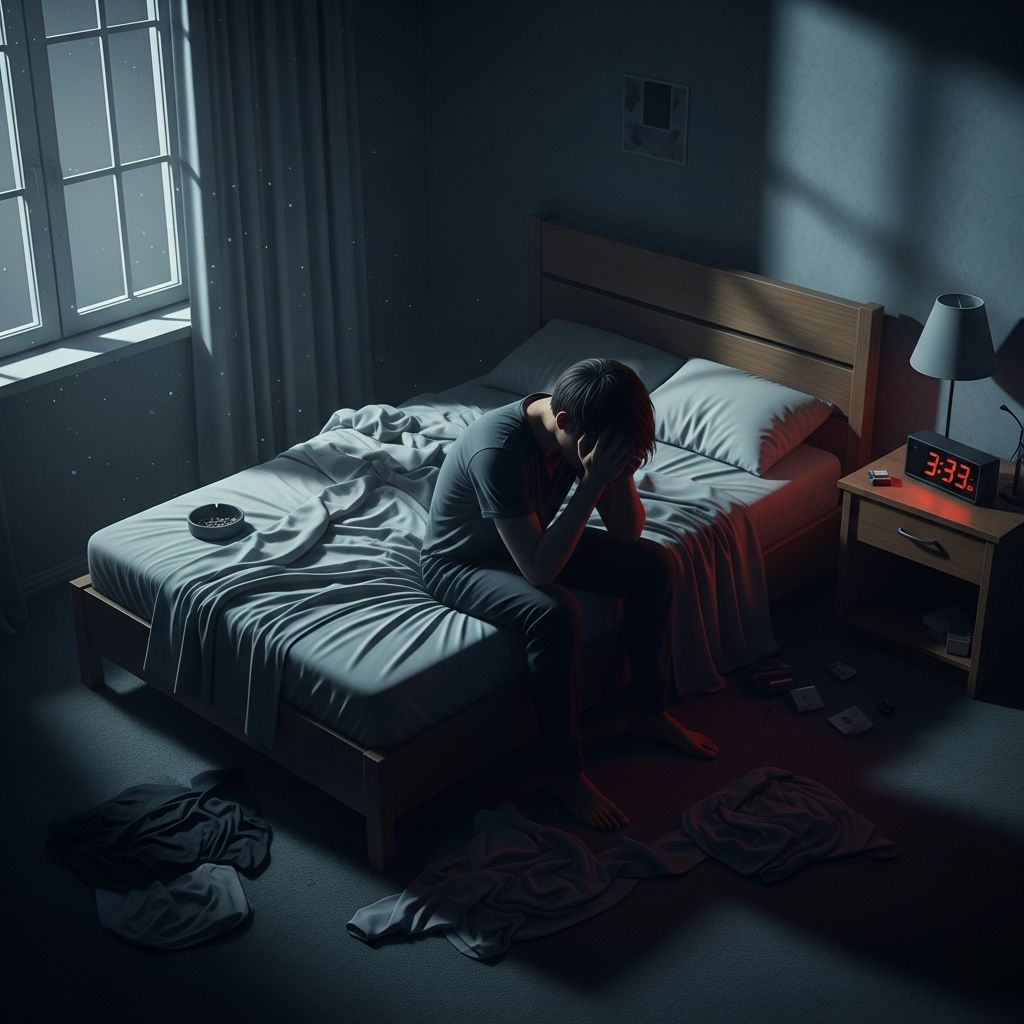
Sleep deprivation occurs when a person doesn’t get enough quality sleep to support their physical and mental functions. Unlike occasional sleepless nights, sleep deprivation becomes a serious health concern when it persists over time. The body requires sufficient sleep to repair tissues, consolidate memories, regulate hormones, and maintain immune function. When this essential biological process is disrupted, the consequences ripple through every aspect of daily life.
Whether caused by lifestyle choices, work demands, medical conditions, or environmental factors, sleep deprivation affects millions of people worldwide. Understanding what sleep deprivation is, recognizing its symptoms, and knowing how to address it can help you protect your health and improve your quality of life.
Understanding Sleep Deprivation
Sleep deprivation is fundamentally different from occasional tiredness. It refers to a chronic condition where individuals consistently fail to get adequate sleep over extended periods. Adults typically need seven to eight hours of sleep per night for optimal health, though some individuals may require more. When sleep falls consistently below these recommendations, the body begins to experience measurable physiological changes.
Research demonstrates that deep sleep is crucial for brain health. During deep sleep, the brain clears toxins that accumulate during waking hours, helping prevent neurodegenerative diseases like Alzheimer’s disease. This restorative process requires sufficient time each night, and interruptions or insufficient sleep duration compromise this vital function.
Common Symptoms of Sleep Deprivation
Sleep deprivation manifests through a wide range of symptoms that vary in severity based on duration and intensity of sleep loss. Early symptoms tend to be mild and manageable, while prolonged deprivation leads to increasingly severe consequences.
Early and Moderate Symptoms
When sleep deprivation first begins, people typically experience:
- Fatigue and persistent lack of energy throughout the day
- Difficulty concentrating and reduced mental clarity
- Impaired memory formation and recall
- Poor balance and coordination issues
- Mood changes including irritability and emotional instability
- Increased appetite and cravings for unhealthy foods
- Slowed reaction times and reduced alertness
- Weakened immune response leading to frequent infections
Severe Symptoms
As sleep deprivation continues, symptoms intensify dramatically. Many severe symptoms resemble alcohol intoxication, including impaired judgment, difficulty with complex thinking, and mood disturbances. Extended sleep deprivation can produce:
- Severe anxiety and depression
- Hallucinations or seeing things that aren’t there
- Illusions or difficulty interpreting what you perceive
- Paranoid thoughts and anxiety
- Difficulty with executive functioning and decision-making
- Significant cognitive impairment comparable to intoxication
The Stages of Total Sleep Deprivation
When someone experiences total sleep deprivation—going without any sleep—predictable stages occur. Understanding these stages helps illustrate how quickly sleep deprivation affects the body and brain.
24 Hours Without Sleep
Going without sleep for 24 hours produces noticeable effects comparable to having a blood alcohol content of 0.1%, which exceeds the legal driving limit in the United States. At this stage, people experience difficulty concentrating, increased stress hormones like cortisol and adrenaline, and impaired decision-making abilities. While uncomfortable, effects from 24 hours without sleep are typically reversible once adequate sleep is obtained.
36 Hours Without Sleep
By the 36-hour mark, sleep deprivation becomes physically dangerous. The body shows greater physical impacts, with higher levels of inflammatory markers appearing in the blood. People become increasingly irritable, their coordination deteriorates further, and cognitive function continues to decline.
Related Stories



72 Hours and Beyond
Limited research exists on the effects of 72 straight hours without sleep, primarily for ethical reasons—researchers cannot justify depriving study participants of sleep for such extended periods. However, available evidence suggests severe hallucinations, illusions, paranoia, and significant cognitive dysfunction occur at this level of deprivation.
The world record for sleep deprivation stands at 11 days, but attempting to approach this limit carries substantial health risks and is not medically advisable.
Health Effects and Complications
Sleep deprivation’s impact extends far beyond daytime tiredness. Chronic sleep deprivation significantly increases the risk of developing serious health conditions.
Cardiovascular and Metabolic Effects
People with chronic sleep deprivation are more likely to develop high blood pressure (hypertension) and high cholesterol (hyperlipidemia). Sleep deprivation is associated with obesity and metabolic dysfunction. When the body doesn’t get the restoration it needs, toxins and inflammatory markers accumulate, contributing to chronic disease development.
Neurological Impact
Acute sleep deprivation causes reversible attention loss and memory diminution. However, longer-duration sleep disruption has been linked to neurodegenerative effects, potentially including beta amyloid deposition associated with Alzheimer’s disease. Current evidence suggests that while some effects of sleep deprivation are reversible with adequate sleep, the potential for lasting brain damage exists with severe or prolonged deprivation.
Pain and Central Sensitization
Research increasingly recognizes a strong link between sleep quality disturbances and pain threshold diminution. Central sensitization pain syndromes, or nociplastic pain, are now well-established in medical literature and clinical practice. Many patients experiencing unexplained pain, brain fog, and fatigue have suboptimal sleep as a contributing factor.
Causes of Sleep Deprivation
Sleep deprivation can stem from various sources, including lifestyle factors, medical conditions, environmental influences, and behavioral choices. Common causes include:
- Work or study demands requiring excessive hours and mental energy
- Insomnia or other sleep disorders preventing quality sleep
- Medical conditions such as sleep apnea or restless leg syndrome
- Mental health issues like anxiety, depression, or PTSD
- Medications that interfere with sleep quality or duration
- Poor sleep hygiene and irregular sleep schedules
- Caffeine, alcohol, and nicotine use
- Environmental factors such as noise or light pollution
- Caregiving responsibilities disrupting sleep patterns
Treatment Options for Sleep Deprivation
Fortunately, sleep deprivation is usually a very treatable condition. Treatment approaches vary based on the underlying cause and severity of the condition.
Sleep Hygiene Improvements
The foundation of treating sleep deprivation involves establishing healthy sleep habits:
- Maintain a consistent sleep schedule, going to bed and waking at the same time daily
- Create a dark, quiet, cool sleeping environment
- Limit naps to one per day for no more than 20-30 minutes
- Avoid caffeine, especially in the afternoon and evening
- Eliminate alcohol, which disrupts sleep quality
- Avoid nicotine, a stimulant that can cause nightmares
- Exercise regularly but not close to bedtime
- Establish a relaxing bedtime routine
- Remove electronic devices from the bedroom
Medical Evaluation
If self-help strategies don’t improve sleep, consulting a healthcare provider is important. Your provider can:
- Determine whether you have sleep deprivation and assess its severity
- Identify underlying causes contributing to insufficient sleep
- Review medications that might be affecting sleep quality
- Screen for sleep disorders like sleep apnea or insomnia
- Recommend appropriate treatments or specialist referrals
Professional Treatments
Common treatments for sleep deprivation and related conditions include:
- Cognitive behavioral therapy for insomnia (CBT-I)
- Sleep medications prescribed by healthcare providers
- Treatment of underlying sleep disorders
- Management of medical conditions contributing to poor sleep
- Mental health treatment for anxiety or depression
- Referral to sleep specialists when necessary
Recovery and Long-Term Prognosis
Recovery from sleep deprivation depends on its duration and severity. For short-term sleep loss, the side effects typically resolve once adequate sleep is obtained. However, severe or prolonged sleep deprivation requires more time to recover.
When sleep deprivation has lasted a long time or been severe, recovery may take multiple nights or even up to a week of sufficient quality sleep. Current evidence suggests that sleep deprivation effects are reversible with adequate sleep, though ongoing research continues examining whether certain effects might be permanent.
It’s important to note that many people with sleep deprivation underestimate its impacts. Research shows that individuals often don’t realize how significantly the problem affects their brain, body, and abilities. This underestimation can delay seeking treatment and allow the condition to worsen.
When to Seek Emergency Care
While sleep deprivation itself doesn’t typically cause immediate, life-threatening problems requiring emergency treatment, it can increase the risk of heart attack and stroke—both of which are emergency conditions. If you experience chest pain, difficulty breathing, or signs of stroke while sleep deprived, seek immediate medical attention.
Frequently Asked Questions
Q: How long can someone survive without sleep?
A: The world record for sleep deprivation is 11 days, but it takes just 24 hours without sleep to experience dangerous side effects. Ethically, researchers cannot study effects beyond 72 hours without sleep, so exact survival limits are unknown.
Q: Is sleep deprivation reversible?
A: Current evidence suggests that sleep deprivation effects are reversible with adequate sleep. Short-term deprivation effects resolve quickly, while severe or prolonged deprivation may require multiple nights or up to a week of quality sleep to recover.
Q: Can sleep deprivation cause permanent brain damage?
A: There is evidence that long-term or severe sleep deprivation can cause brain damage. However, ongoing research continues examining whether these effects are permanent or reversible with sufficient recovery sleep.
Q: How much sleep do adults actually need?
A: Most adults need seven to eight hours of sleep per night. Some individuals may require more. Consistently getting less than seven hours is considered harmful to health.
Q: Should I see a doctor about sleep deprivation?
A: Yes, you should discuss sleep deprivation with your healthcare provider. Early diagnosis and treatment can help minimize effects and prevent more serious problems. Your provider can identify underlying causes and recommend appropriate treatments.
Key Takeaways
Sleep deprivation is a serious condition that affects millions of people but remains highly treatable when addressed properly. Recognizing symptoms early and taking steps to improve sleep can prevent complications and restore your health. Simple improvements in sleep hygiene often help, and professional treatment is available when needed.
Don’t dismiss or ignore sleep deprivation as a minor issue. The condition can significantly impact your daily activities and quality of life while contributing to serious health conditions. If you notice sleep deprivation affecting your health and wellbeing, work on improving your sleep habits and consult your healthcare provider. With timely diagnosis, appropriate treatment, and commitment to better sleep, getting the rest you need is absolutely possible.
References
- Sleep is like Rodney Dangerfield — Cleveland Clinic Journal of Medicine. 2010. https://www.ccjm.org/content/92/1/9
- How Long Can You Go Without Sleep? — Cleveland Clinic Health. 2024. https://health.clevelandclinic.org/how-long-can-you-go-without-sleep
- What Happens When You Don’t Get Enough Sleep? — Cleveland Clinic Health. 2024. https://health.clevelandclinic.org/happens-body-dont-get-enough-sleep
- Sleep Deprivation: What It Is, Symptoms, Treatment & Stages — Cleveland Clinic. 2024. https://my.clevelandclinic.org/health/diseases/23970-sleep-deprivation
- How Sleep Affects Health and Aging — Cleveland Clinic Patient-Caregiver Guide. 2024. https://my.clevelandclinic.org/-/scassets/files/org/medicine-institute/patient-caregiver/guides/how-sleep-affects-health-and-aging.pdf
- Importance of Sleep for your Immune System — Cleveland Clinic Newsroom. February 14, 2025. https://newsroom.clevelandclinic.org/2025/02/14/importance-of-sleep-for-your-immune-system
Similar Articles








Read full bio of Sneha Tete