Sleep Disorders In Children: What Parents Need To Know
Explore common sleep disorders affecting children, their causes, symptoms, treatments, and long-term impacts on health and development.
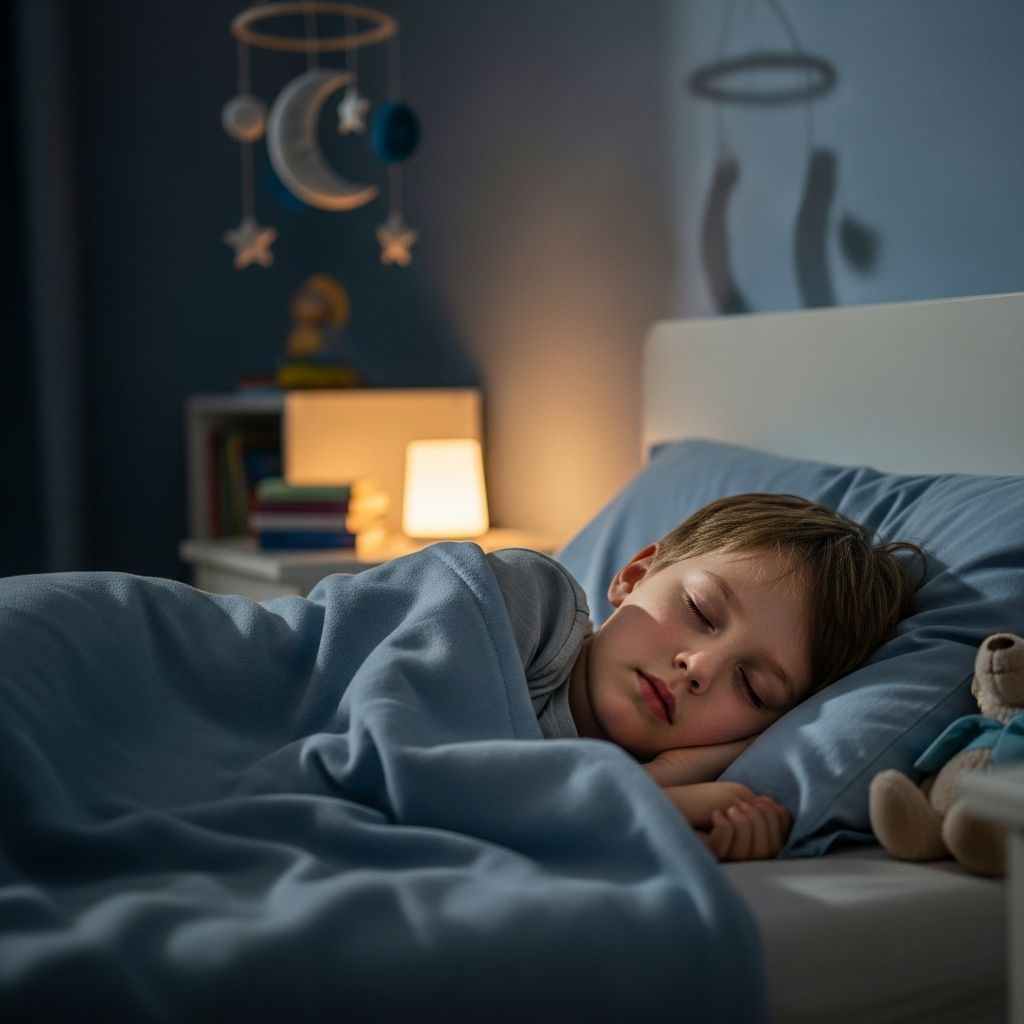
Sleep Disorders in Children
Getting plenty of sleep is crucial to the health and development of young children, yet nearly half of children experience sleep issues at some point in their childhood. Common sleep disorders in children include
sleep apnea
andinsomnia
, as well asparasomnias
, which are disruptive sleep-related behaviors such as sleepwalking and night terrors. These disorders can affect physical growth, cognitive function, emotional regulation, and behavior, leading to long-term consequences if unaddressed.What Causes Sleep Disorders in Children?
Certain sleep disorders have similar causes in both adults and children.
Obesity
is a leading risk factor for developingobstructive sleep apnea (OSA)
, a sleep-related breathing disorder, in people of all ages. Additionally, sleep disorders that may have a genetic predisposition, such asrestless legs syndrome (RLS)
, affect children as well as adults. Certain medical issues and anxiety disorders increase risk for sleep issues at any age.However, behavioral patterns unique to children can also lead to sleep-related disorders. Up to about age 5, insomnia is usually the result of inconsistent bedtimes and bedtime-resistant behaviors. Other contributors include screen time exposure before bed, which impairs melatonin production due to blue light, and irregular schedules from school demands or extracurricular activities.
Common Sleep Disorders in Children
Sleep disorders are intricately intertwined with mental and physical health issues, with one exacerbating the other in a cycle that can be hard to break. The American Academy of Pediatrics estimates that sleep problems affect 25 to 50 percent of children and 40 percent of adolescents. Below are the most prevalent types.
Insomnia
**Childhood insomnia** is one of the most common sleep complaints, characterized by difficulty falling asleep, staying asleep, or experiencing non-restorative sleep. It can be challenging for the whole family, but effective treatments are available.
- Limit-setting insomnia: Common in young children, this occurs when parents have difficulty establishing consistent bedtimes and routines, leading to bedtime resistance.
- Conditioned insomnia: More common in older children and adolescents, this happens when anxiety related to bedtime prevents falling or staying asleep.
- Transient sleep disturbances: Temporary issues from travel, illness, or stress.
Children with insomnia often exhibit daytime fatigue, irritability, and poor concentration.
Obstructive Sleep Apnea (OSA)
**OSA** involves repeated pauses in breathing during sleep due to airway blockage, often accompanied by snoring, gasping, or choking sounds. Risk factors include obesity, enlarged tonsils, and allergies. Untreated OSA can lead to cardiovascular risks, poor growth, and behavioral issues.
Symptoms in children may include:
- Loud snoring or noisy breathing
- Breathing pauses observed by parents
- Daytime sleepiness or hyperactivity
- Bedwetting or morning headaches
Parasomnias
**Parasomnias** are undesirable physical events or experiences during sleep, such as
night terrors
,sleepwalking
,sleep talking
, andconfusional arousals
. These are common, affecting up to 50% of children at some point, and usually peak between ages 3-12 before resolving.- Night terrors: Sudden awakenings with screaming or intense fear, but the child is not fully awake and has no memory afterward.
- Sleepwalking: Rising and moving while asleep, often with eyes open but blank stare.
- Nightmares: Vivid dreams causing full awakenings with recall of frightening content.
Restless Legs Syndrome (RLS) and Periodic Limb Movement Disorder (PLMD)
**RLS** causes uncomfortable sensations in the legs, prompting an irresistible urge to move them, worsening at night.
PLMD
involves repetitive jerking movements during sleep. Both have genetic links and can disrupt sleep, leading to daytime fatigue. Iron deficiency is a common trigger in children.Other Disorders
- Bruxism (teeth grinding): Noisy grinding during sleep, potentially linked to stress or misalignment.
- Sleep-related rhythmic movement disorder: Repetitive banging of head or body against the bed.
Consequences of Sleep Disorders in Children
Sleep deficiency in children leads to multifaceted adverse outcomes. Insufficient sleep affects neurocognitive functions like attention, memory, intelligence, and academic performance. For instance, frequent nighttime awakenings correlate with poorer cognitive scores in toddlers.
Physical Consequences
- Increased obesity risk due to hormonal disruptions.
- Impaired growth, especially in infancy.
- Cardiovascular issues like high blood pressure in later life.
- Weakened immune function, raising allergy and illness susceptibility.
Cognitive and Academic Impacts
Poor sleep hinders memory consolidation, executive attention, and learning. Children with short sleep duration show reduced alertness, vocabulary acquisition, and school performance.
Emotional and Behavioral Consequences
Sleep problems exacerbate
ADHD
symptoms, including inattention, impulsivity, and hyperactivity. They increase risks for internalizing (anxiety, depression) and externalizing behaviors. Longer sleep promotes better empathy and emotional maturity.Signs and Symptoms of Sleep Disorders
Parents may notice:
- Bedtime issues: Refusal, stalling, or needing caregiver presence.
- Night wakings: Frequent awakenings or early mornings.
- Daytime signs: Excessive sleepiness, irritability, hyperactivity, poor focus.
- Physical cues: Snoring, pauses in breathing, thirst upon waking.
Screen use worsens these by delaying sleep onset and reducing sleep quality.
Diagnosis of Sleep Disorders in Children
Diagnosis starts with a detailed sleep history from parents. Tools include:
- Sleep diaries tracking habits and symptoms.
- Actigraphy (wrist monitors) for objective sleep patterns.
- Polysomnography (sleep study) for OSA or complex cases.
- Questionnaires for behavioral assessment.
Consult pediatricians or sleep specialists if issues persist beyond 2-4 weeks.
Treatment and Management
Treatments focus on behavioral changes first, with medical options for severe cases.
Behavioral Interventions
**Improving sleep hygiene** is foundational: consistent bedtimes, routines, daily exercise, no screens before bed. Limit-setting helps young children; cognitive restructuring aids older ones.
Cognitive Behavioral Therapy for Insomnia (CBT-I)
**CBT-I** is effective for children and adolescents, combining sleep education, restriction, stimulus control, and relaxation techniques. Studies show improvements in sleep latency, efficiency, and quality after 4-12 weeks.
Medical Treatments
| Disorder | Treatment |
|---|---|
| OSA | Adenotonsillectomy, CPAP, weight loss. |
| RLS/PLMD | Iron supplements if deficient, medications. |
| Parasomnias | Safety measures, scheduled awakenings. |
Prevention Strategies
- Consistent schedules and calming routines.
- Nutrition: Earlier solids may reduce wakings; avoid caffeine.
- Exercise and mindfulness.
- Minimize screens and blue light.
Frequently Asked Questions (FAQs)
What are common sleep problems in children?
Bedtime refusal, night wakings, nightmares, parasomnias like sleep terrors and walking, snoring, and breathing pauses.
How does poor sleep affect children’s mental health?
It increases negative emotions, ADHD symptoms, anxiety, depression, and behavioral issues while impairing attention and learning.
Can screen time cause sleep disorders?
Yes, evening screen use disrupts melatonin and delays sleep onset in children.
When should I see a doctor for my child’s sleep issues?
If problems persist >2 weeks, cause daytime impairment, or involve breathing issues.
Is CBT-I safe for kids?
Yes, it’s a first-line, non-drug treatment improving sleep without side effects.
References
- Childhood sleep: physical, cognitive, and behavioral consequences of sleep problems in children and adolescents — Translational Pediatrics (PMC). 2022-11-30. https://pmc.ncbi.nlm.nih.gov/articles/PMC9685105/
- Sleep Disorders in Children — Sleep Foundation. Accessed 2026. https://www.sleepfoundation.org/children-and-sleep/sleep-disorders-in-children
- Sleep and Children’s Mental Health — Kids Mental Health Foundation. Accessed 2026. https://www.kidsmentalhealthfoundation.org/mental-health-resources/sleep/sleep-and-childrens-mental-health
- Children and Sleep — Sleep Foundation. Accessed 2026. https://www.sleepfoundation.org/children-and-sleep
- Effects of Screen Use on Children’s Sleep — National Sleep Foundation. Accessed 2026. https://www.thensf.org/effects-of-screen-use-on-childrens-sleep/
- How Blue Light Affects Kids’ Sleep — Sleep Foundation. Accessed 2026. https://www.sleepfoundation.org/children-and-sleep/how-blue-light-affects-kids-sleep
Similar Articles




Read full bio of Sneha Tete