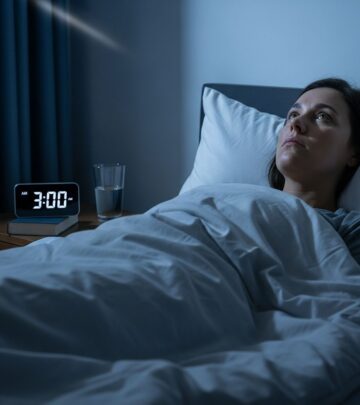
Sleep Disruption In Parkinson’s Disease: Causes And Solutions
Explore the complex relationship between Parkinson's disease and nocturnal rest patterns.

Sleep disturbances represent one of the most challenging non-motor symptoms experienced by individuals living with Parkinson’s disease, affecting both nighttime rest and daytime functioning. While tremor, rigidity, and slowness of movement dominate public understanding of Parkinson’s, the invisible struggle with sleep quality often proves equally disruptive to daily life and emotional well-being. Unlike typical age-related sleep changes, the sleep problems associated with Parkinson’s stem from multiple interconnected sources, including the disease itself, its treatments, and secondary factors such as mood and physical discomfort.
The Scope of Sleep Problems in Parkinson’s Disease
Sleep difficulties occur across a wide spectrum of Parkinson’s populations, with research indicating that more than 30% of individuals with the condition experience significant sleep-related complaints. These disturbances manifest in diverse forms, ranging from difficulty maintaining continuous sleep throughout the night to overwhelming daytime drowsiness that interferes with safety and daily activities. The prevalence of these issues underscores sleep as a critical health concern requiring targeted attention and individualized management approaches.
The experience of poor sleep in Parkinson’s extends beyond the individual patient. Caregivers and family members frequently suffer from disrupted rest as well, creating a secondary burden of fatigue and stress that affects the entire household. This dual impact on both patients and caregivers highlights the necessity of comprehensive sleep management strategies that address the whole family unit.
Nocturnal Fragmentation: When Sleep Never Feels Continuous
Among the various sleep disturbances,
sleep fragmentation
—characterized by frequent awakenings and inability to maintain consolidated sleep—emerges as the most prevalent complaint in Parkinson’s disease populations. Unlike the classic insomnia of difficulty falling asleep, individuals with Parkinson’s typically have no problem initiating sleep; rather, their challenge lies in sustaining it throughout the night.Multiple factors contribute to fragmented sleep patterns:
- Motor symptoms during sleep: Rigidity and stiffness make repositioning in bed uncomfortable and effortful, preventing individuals from achieving optimal sleeping positions. Tremor can interrupt the descent into deeper sleep stages. Dystonia—involuntary muscle contractions—can cause sudden, painful episodes that jolt individuals awake.
- Non-motor physical disturbances: Nocturia, the excessive need to urinate during nighttime hours, ranks among the leading causes of sleep fragmentation and forces repeated interruptions to the sleep cycle.
- Medication effects: The wearing-off phenomenon occurs when dopaminergic medication levels decline overnight, allowing motor symptoms to re-emerge and disrupt sleep. This creates a predictable cycle of awakening that correlates with medication timing rather than natural sleep architecture.
- Pain and discomfort: Musculoskeletal pain, cramps, and other physical discomfort can prevent return to sleep after nighttime awakenings.
- Psychological factors: Anxiety and depression frequently accompany Parkinson’s disease and contribute directly to sleep maintenance difficulties.
The consequences of fragmented sleep extend beyond mere tiredness. Research demonstrates that individuals with Parkinson’s spend significantly less time in slow-wave sleep and REM sleep—the deepest and most restorative phases—compared to age-matched peers without the disease. This reduction in sleep quality correlates with increased daytime sleepiness, mood disturbance, and potentially accelerated cognitive decline.
Excessive Daytime Sleepiness: The Hidden Danger
**Excessive daytime sleepiness (EDS)** represents a distinct and particularly dangerous manifestation of sleep disorders in Parkinson’s disease. Unlike ordinary fatigue or drowsiness, EDS involves irresistible urges to sleep that can occur without warning, sometimes progressing to sudden “sleep attacks” that overtake individuals while driving, eating, conversing, or performing other activities.
Related Stories



EDS poses significant safety risks. The sudden loss of consciousness while operating a vehicle creates hazardous conditions for the individual and others on the road. Even brief attention lapses can have serious consequences, making EDS management a priority for patient safety and independence.
The origins of daytime sleepiness in Parkinson’s are multifactorial:
- Disrupted nighttime sleep, whether from fragmentation, early morning awakening, or other nocturnal disturbances, inevitably reduces total sleep quantity and quality
- Direct effects of Parkinson’s pathology on brainstem and hypothalamic structures that regulate arousal and wakefulness
- Loss of key neurotransmitters—dopamine, norepinephrine, and orexin—that maintain alertness and regulate the sleep-wake cycle
- Side effects of dopaminergic medications, including levodopa and dopamine agonists
- Development of an inverted sleep cycle, where frequent daytime napping makes nighttime sleep more elusive
REM Sleep Behavior Disorder: Acting Out Dreams
**REM sleep behavior disorder (RBD)** occurs in up to 50% of individuals with Parkinson’s disease and represents a dramatic departure from normal sleep behavior. During normal REM sleep, the brain initiates muscle atonia—temporary paralysis—to prevent physical action during dreams. In RBD, this protective mechanism fails, allowing individuals to act out their dreams with full motor control.
Manifestations range from mild vocalizations and hand movements to vigorous thrashing, flailing, and complex physical actions that can endanger the sleeper or bed partner. Family members often describe the appearance as “acting out” dreams or “fighting” invisible opponents. The underlying dreams frequently involve confrontation, danger, or aggressive scenarios, adding a psychological dimension to the physical disturbance.
Several factors contribute to RBD in Parkinson’s:
- Impaired regulation of dopaminergic tone during REM sleep phases
- Degeneration of brainstem structures responsible for REM sleep atonia
- Possible exacerbation from excessive nighttime dopaminergic medication levels
- Higher prevalence in males compared to females
Importantly, research suggests that RBD may represent one of the earliest manifestations of Parkinson’s disease pathology, sometimes appearing years before motor symptoms emerge. This positioning makes RBD assessment valuable for early detection and monitoring purposes.
The Neurological Foundation: How Parkinson’s Damages Sleep Architecture
The root causes of sleep disturbance in Parkinson’s lie in the fundamental neuropathology of the disease itself. Parkinson’s involves progressive degeneration of dopamine-producing neurons in the substantia nigra, but the degenerative process extends far beyond motor control regions. The brainstem and hypothalamus—critical command centers for orchestrating sleep and wakefulness—sustain significant damage as the disease progresses.
This neurological damage results in depletion of multiple crucial neurotransmitters that regulate sleep-wake cycles. Beyond dopamine, the loss of norepinephrine and orexin—neurotransmitters essential for maintaining arousal and consolidating sleep architecture—directly impairs the brain’s ability to generate and maintain normal sleep patterns. The consequence is a fundamental disruption of circadian rhythm and sleep homeostasis that no behavioral intervention alone can fully correct.
Medication-Related Sleep Complications
While dopaminergic medications remain essential for managing Parkinson’s motor symptoms, they introduce their own sleep complications. Levodopa-based medications such as Sinemet can produce vivid, sometimes disturbing dreams that interrupt sleep and reduce subjective sleep quality. Stimulating medications like amantadine immediate release and selegiline, particularly when taken too close to bedtime, can provoke or worsen insomnia.
The wearing-off phenomenon creates a temporal pattern of sleep disruption. As medication levels decline overnight—typically 4-8 hours after the last dose—motor symptoms re-emerge, waking the individual during the early morning hours. This predictable timing often results in early morning awakening, a pattern frequently observed in Parkinson’s populations. Clinicians address this through medication schedule adjustments, including the addition of longer-acting formulations or doses timed to maintain therapeutic levels throughout the night.
Secondary Factors Amplifying Sleep Disturbance
Beyond the disease and its primary treatments, numerous secondary factors conspire to worsen sleep quality in Parkinson’s populations. Depression, occurring in a substantial proportion of individuals with Parkinson’s, independently contributes to insomnia, early morning awakening, and fragmented sleep patterns. Anxiety similarly disrupts sleep initiation and maintenance.
Physical discomfort from various sources—painful dystonia, muscle cramps, general musculoskeletal pain—prevents comfortable repositioning and uninterrupted sleep. The nocturia that plagues many individuals with Parkinson’s creates multiple forced awakenings per night, each opportunity for the sleep cycle to fail reinitiation.
Distinguishing Sleep Patterns: From Insomnia to Inversion
Parkinson’s-related sleep disturbances manifest in distinct patterns worthy of careful characterization. Sleep-onset insomnia—primary difficulty falling asleep—occurs less frequently than sleep maintenance insomnia, where individuals fall asleep readily but cannot sustain continuous sleep. This distinction carries clinical significance, as treatment approaches differ based on the specific timing of sleep difficulty.
**Early morning awakening** represents another characteristic pattern, where individuals wake 2-4 hours earlier than desired and cannot return to sleep. This may reflect medication wearing off, a shift in circadian rhythm, or depression-related sleep architecture changes. Distinguishing early morning awakening from early bedtime habits versus pathological sleep disturbance guides appropriate intervention.
**Inverted sleep cycles** develop when individuals nap excessively during daytime hours due to fatigue and nighttime sleepiness, progressively shifting their consolidated sleep to daytime hours while nighttime becomes fragmented or nearly absent. This reversal creates substantial functional impairment and further compounds daytime sleepiness during necessary waking hours.
Additional Sleep-Related Phenomena
Beyond the primary categories, Parkinson’s disease can manifest additional nocturnal disturbances. Sleep apnea—both obstructive and central types—occurs at elevated frequency in Parkinson’s populations, with some studies suggesting prevalence rates up to four times higher than age-matched controls without Parkinson’s. The relationship between Parkinson’s pathology and sleep apnea appears bidirectional, with each condition potentially worsening the other.
Nighttime hallucinations and confusion represent serious nocturnal complications arising from combinations of cognitive changes, medication effects, age, vision changes, and sleep deprivation itself. These experiences can be profoundly distressing and may progress to delusions with paranoid content. Such phenomena often emerge following acute stressors such as infection, surgery, or hospitalization.
Management Strategies and Clinical Approaches
Effective management of sleep disorders in Parkinson’s requires individualized assessment and multi-modal intervention. Medication schedule adjustment represents a primary strategy, repositioning doses to maintain therapeutic levels overnight or adding longer-acting formulations for nighttime coverage. Clinicians may reduce or time dosing of stimulating medications to avoid sleep disruption.
For physical discomfort and motor symptoms, simple adjustments such as using satin sheets or silk pajamas can reduce friction and facilitate easier repositioning in bed. Optimizing bedroom comfort—temperature, darkness, noise reduction—supports sleep maintenance.
Depression and anxiety require targeted treatment, frequently responding to selective serotonin reuptake inhibitor medications and cognitive behavioral therapy approaches. Addressing mood disorders often improves sleep quality independently.
Sleep hygiene principles—maintaining consistent sleep schedules, limiting daytime napping, establishing wind-down routines—provide a foundation for better sleep, though these alone may prove insufficient given the neurological underpinnings of Parkinson’s-related sleep disturbance.
The Interconnected Nature of Sleep and Parkinson’s Progression
Sleep disturbance in Parkinson’s disease operates bidirectionally with disease progression and symptom severity. Poor sleep worsens daytime motor symptoms, mood disturbance, and cognitive function. This creates a vicious cycle where nighttime sleep problems perpetuate daytime difficulties, which in turn worsen nighttime sleep. Breaking this cycle requires sustained, comprehensive intervention addressing the multiple biological and behavioral contributors.
Sleep quality also influences cognitive function and the risk of medication-induced complications such as hallucinations and psychosis. The relationship between restorative sleep and Parkinson’s disease progression remains incompletely understood, but emerging evidence suggests sleep quality may influence the trajectory of cognitive decline.
Conclusion
Sleep disturbances in Parkinson’s disease represent complex, multifactorial phenomena arising from disease pathology, treatment effects, and secondary complications. Whether manifesting as fragmented nocturnal sleep, overwhelming daytime sleepiness, dream-enactment behavior, or inverted sleep cycles, these disturbances significantly impact quality of life and disease progression. Recognition of the diverse presentations, combined with individualized assessment and multi-modal management addressing specific contributing factors, offers the best opportunity for improving sleep quality and overall well-being in this vulnerable population.
References
- Sleep disorders in patients with Parkinson’s disease — National Center for Biotechnology Information (NCBI/PubMed). 2001. https://pubmed.ncbi.nlm.nih.gov/11463132/
- A Guide to Understanding and Managing Sleep Problems in Parkinson’s Disease — Photopharmics. https://photopharmics.com/a-guide-to-understanding-and-managing-sleep-problems-in-parkinsons-disease/
- Fatigue & Sleep — Michael J. Fox Foundation for Parkinson’s Research. https://www.michaeljfox.org/symptoms/fatigue-sleep
- Sleep Problems in Parkinson’s — American Parkinson Disease Association (APDA). https://www.apdaparkinson.org/what-is-parkinsons/symptoms/sleep-problems/
- Sleep Problems in Parkinson’s — The Parkinson’s Foundation. https://www.parkinson.org/library/fact-sheets/sleep
- Parkinson’s Disease Sleep Problems — Cleveland Clinic. https://my.clevelandclinic.org/health/articles/9366-sleep-problems-with-parkinsons-disease
Similar Articles








Read full bio of Sneha Tete