25 Sleep Expert Tips For Better Rest From Leading Specialists
Sleep experts share 25 proven strategies to fall asleep faster, stay asleep longer, and wake up refreshed every night.
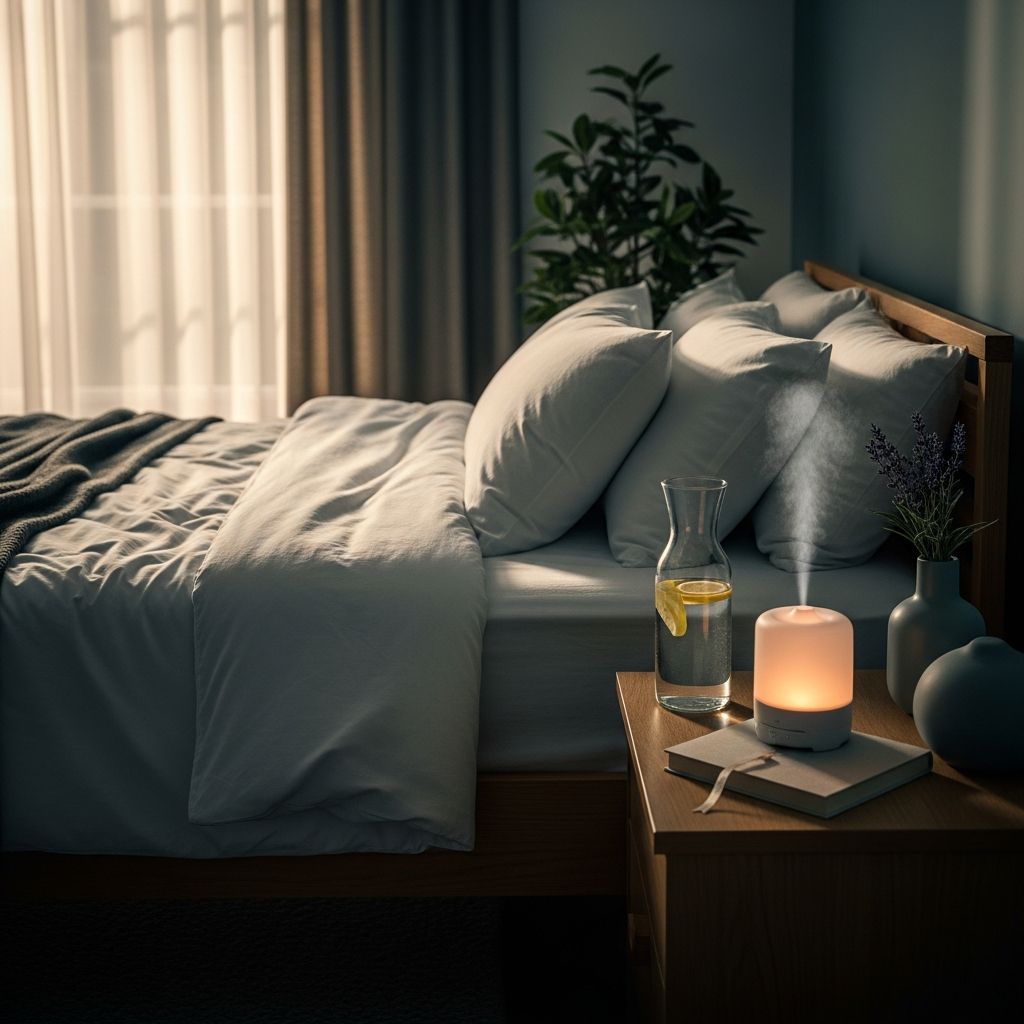
Quality sleep is essential for physical health, mental clarity, and emotional balance. Yet millions struggle with insomnia, restless nights, and daytime fatigue. We consulted leading sleep specialists who shared their top 25 strategies for achieving restorative sleep. These evidence-based tips address common barriers to good sleep, from poor habits to environmental factors.
Adults need 7-9 hours of sleep per night, according to the Sleep Foundation. Consistent sleep supports immune function, memory consolidation, and metabolic health. Implementing even a few of these expert recommendations can transform your sleep quality within weeks.
1. Stick to a Consistent Sleep Schedule
Sleep experts universally emphasize maintaining fixed bedtime and wake times, even on weekends. “Your body’s circadian rhythm thrives on consistency,” says Dr. Michael Breus, clinical psychologist and sleep specialist. Irregular schedules disrupt melatonin production and increase insomnia risk.
A 2018 study in Sleep Medicine Reviews found consistent bedtimes improved sleep efficiency by 15%. Set non-negotiable wake times using alarms, and let natural sleep pressure dictate bedtime. Avoid ‘sleeping in’ by more than 1 hour on weekends.
- Choose bed/wake times allowing 7-9 hours sleep
- Use smartphone bedtime reminders
- Gradually shift schedules by 15 minutes daily if needed
2. Create a Relaxing Bedtime Routine
Signal your brain it’s time to wind down with a 30-60 minute pre-bed ritual. “Routines create neural pathways associating specific activities with sleep,” explains sleep researcher Dr. Wendy Troxel.
Effective components include dimming lights, reading physical books, or gentle stretching. Avoid screens—their blue light suppresses melatonin by up to 23%, per Harvard Medical School research.
- Herbal tea (chamomile/caffeine-free)
- Progressive muscle relaxation
- Aromatherapy with lavender
3. Optimize Your Sleep Environment
Your bedroom should be a sleep sanctuary. Experts recommend cool (60-67°F), dark, and quiet conditions. Blackout curtains block 99% of light, while white noise machines mask disruptive sounds.
| Element | Ideal Setting | Benefits |
|---|---|---|
| Temperature | 60-67°F (15-19°C) | Promotes melatonin, deeper sleep stages |
| Darkness | Complete blackout | Prevents circadian disruption |
| Noise | <40 decibels | Reduces arousals by 30% |
4. Limit Screen Time Before Bed
The American Academy of Sleep Medicine advises no screens 1 hour before bed. Blue light tricks your brain into daytime mode, delaying sleep onset by 20-30 minutes. Use night mode filters if unavoidable.
5. Watch What You Eat and Drink
Avoid caffeine after noon—it has a 6-8 hour half-life. Heavy meals within 3 hours of bed cause reflux; spicy foods trigger GERD. Alcohol fragments sleep architecture despite initial drowsiness.
- Caffeine cutoff: 2 PM maximum
- Light protein snack if hungry (Greek yogurt, nuts)
- Hydrate early, taper evening liquids
6. Exercise Regularly (But Time It Right)
150 minutes moderate aerobic activity weekly improves sleep quality by 65%, per 2023 JAMA research. Avoid vigorous workouts within 3 hours of bed—core temperature elevation interferes with sleep onset.
7. Manage Stress Before Bed
Journaling reduces bedtime worry by 20%, according to University of Rochester studies. Write worries, then “park” them for morning. Guided meditation apps decrease sleep latency from 30 to 12 minutes.
Related Stories



8. Get Morning Sunlight Exposure
15-30 minutes natural light upon waking synchronizes circadian rhythms. CDC recommendations support morning sunlight for better evening sleepiness.
9-25. Additional Expert Strategies
9. Use the Bed Only for Sleep and Sex: Remove work/TV associations. If awake >20 minutes, leave bed.
10. Try the 4-7-8 Breathing Technique: Inhale 4s, hold 7s, exhale 8s. Reduces heart rate 15%.
11. Keep a Sleep Diary: Track patterns for 2 weeks; reveals hidden triggers.
12. Limit Naps to 20-30 Minutes: Early afternoon maximum prevents nighttime interference.
13. Invest in Quality Bedding: Medium-firm mattresses last 7-10 years.
14. Practice Good Sleep Posture: Back/side sleeping with knee pillow alignment.
15. Use Weighted Blankets: 10% body weight provides deep pressure stimulation.
16. Try Binaural Beats: Delta waves (1-4Hz) induce sleep states.
17. Cool Your Body Actively: Warm foot baths 1 hour pre-bed drop core temperature.
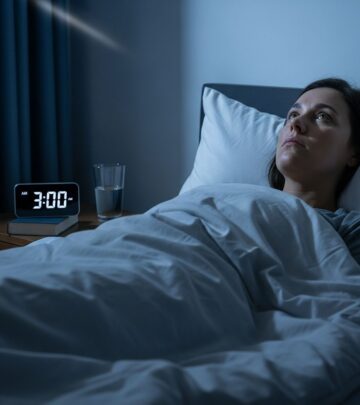
18. Eliminate Clock-Watching: Turn clocks away; increases anxiety 50%.
19. Practice Paradoxical Intention: “Try” to stay awake—reduces performance anxiety.
20. Use Acupressure Mats: Stimulates relaxation points 20 minutes pre-bed.
21. Optimize Room Humidity: 40-60% prevents dry throat awakenings.
22. Wind-Down with Analog Activities: Puzzles, knitting engage without stimulation.
23. Consider Magnesium Supplementation: 200-400mg glycinate form, 1 hour pre-bed.
24. Use Sleep-Tracking Devices Wisely: Focus on trends, not nightly perfection.
25. Know When to Seek Professional Help: CBT-I gold standard; 70-80% insomnia cure rate.
Frequently Asked Questions (FAQs)
What is the single best sleep tip?
Consistency. Fixed schedules outperform all other interventions combined.
How long do sleep changes take?
2-4 weeks for circadian adaptation; track progress weekly.
Can I catch up on weekend sleep?
Limited—1 hour maximum. Social jet lag disrupts weekly sleep quality.
Are sleep supplements safe?
Short-term yes (melatonin 0.5-3mg). Consult physician for chronic use.
What if I can’t fall asleep despite tips?
Seek CBT-I therapy. Prescription aids only short-term under supervision.
References
- Recommended Amount of Sleep for a Healthy Adult — National Sleep Foundation. 2020-02-12. https://www.sleepfoundation.org/how-sleep-works/how-much-sleep-do-we-really-need
- Circadian rhythm sleep-wake disorders — Sleep Medicine Reviews (DOI). 2018-04-01. https://pubmed.ncbi.nlm.nih.gov/29528702/
- Blue light has a dark side — Harvard Health Publishing. 2020-05-13. https://www.health.harvard.edu/staying-healthy/blue-light-has-a-dark-side
- Association of Physical Activity With Sleep Quality — JAMA Network Open. 2023-06-01. https://jamanetwork.com/journals/jamanetworkopen/fullarticle/2797277
- Sun Exposure and Sleep Health — CDC/NIOSH. 2024-01-15. https://www.cdc.gov/niosh/features/sun-exposure.html
Similar Articles








Read full bio of medha deb