Sleep Paralysis: Causes, Symptoms, and Treatment
Understanding sleep paralysis: what happens, why it occurs, and how to manage episodes effectively.
Understanding Sleep Paralysis
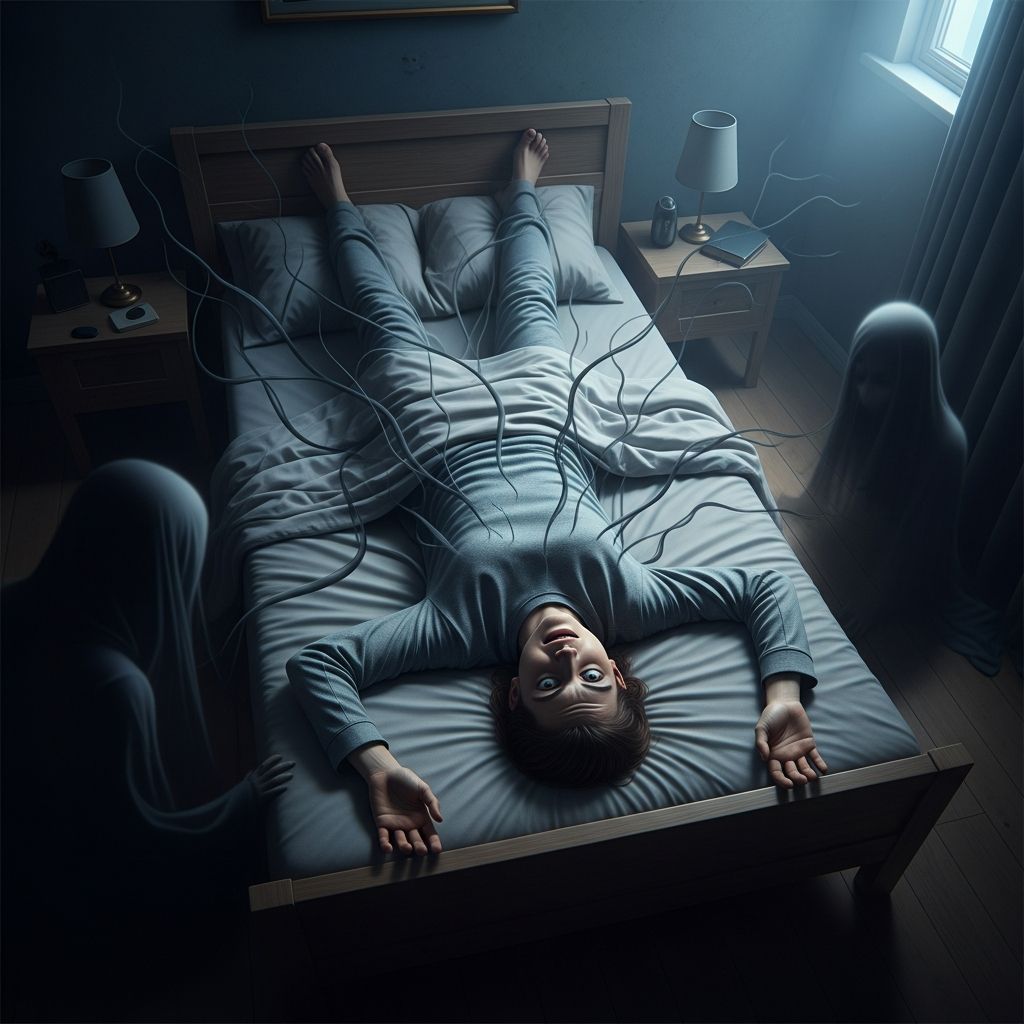
Sleep paralysis is a temporary but often frightening condition in which you cannot move any part of your body right before falling asleep or as you wake up. During an episode, you may be fully conscious and aware of your surroundings, yet completely unable to move or speak. This occurs when your body transitions between different stages of sleep and wakefulness. The good news is that sleep paralysis episodes are temporary, typically lasting only a few seconds to a couple of minutes, though they may feel much longer to the person experiencing them.
Sleep paralysis is classified as a type of parasomnia—a category of sleep disorders characterized by unusual behaviors, movements, or sensations during sleep or sleep transitions. While a single episode can be distressing and make you anxious about falling asleep, it’s important to understand that sleep paralysis itself is not dangerous. However, the emotional and psychological impact during an episode can be significant, and if episodes become frequent, they may indicate an underlying sleep disorder.
What Happens During Sleep Paralysis
To understand sleep paralysis, it’s helpful to know what occurs during normal sleep cycles. During rapid eye movement (REM) sleep—the stage when you dream—your brain enters a state of temporary muscle paralysis called muscle atonia. This natural mechanism prevents you from physically acting out your dreams by thrashing around or flailing your limbs. Your eyes move rapidly during this stage, and both your breathing and heart rate increase.
Sleep paralysis occurs when the timing between your brain and body becomes misaligned. Specifically, muscle atonia persists even as you transition out of REM sleep and begin to wake up. Your mind becomes conscious and aware, but your body remains in the paralyzed state associated with REM sleep. This disconnect between mental awareness and physical paralysis creates the distinctive and often frightening experience of sleep paralysis. The temporary paralysis itself is completely normal and natural—you’re simply unusually aware of it during this transitional moment.
Common Symptoms of Sleep Paralysis
The primary symptom of sleep paralysis is an inability to move any part of your body during the episode. However, the experience often involves additional sensory and emotional manifestations:
- Complete inability to move limbs or speak
- Full consciousness and awareness of surroundings
- Difficulty breathing or sensation of chest pressure
- Intense fear or sense of dread
- Hallucinations, which are very common and often vivid and frightening
- Sensation of a presence in the room or feeling of suffocation
- Feeling of being watched or threatened
Hallucinations during sleep paralysis episodes are particularly common and can range from visual hallucinations to sensing a presence in the room. These hallucinations can be extraordinarily frightening, and when combined with the inability to move, they create an intensely disturbing experience. It’s important to remember that these hallucinations are not real and are a normal part of the sleep-wake transition.
Causes and Risk Factors
Sleep paralysis can occur in isolation, or it may be associated with underlying sleep disorders. Several factors can contribute to the occurrence of sleep paralysis episodes:
Sleep Deprivation and Irregular Sleep Schedules
Insufficient sleep and inconsistent sleep schedules can increase your risk of experiencing sleep paralysis. When your body is deprived of adequate rest, it may shift more quickly into REM sleep during subsequent sleep periods, creating conditions favorable for sleep paralysis to occur.
Sleep Position
Sleeping on your back has been associated with an increased likelihood of sleep paralysis episodes. This position may make it easier for the muscle atonia of REM sleep to persist as you wake.
Related Stories



Stress and Anxiety
High stress levels and anxiety can disrupt normal sleep patterns and increase the likelihood of experiencing sleep paralysis. The psychological tension associated with anxiety may interfere with smooth transitions between sleep stages.
Associated Sleep Disorders
Sleep paralysis frequently occurs in people with narcolepsy, a neurological sleep disorder characterized by excessive daytime sleepiness and instability of sleep-wake transitions. About 10% of people experience recurrent sleep paralysis, which may indicate an underlying sleep disorder like narcolepsy. Additionally, sleep paralysis can be associated with other conditions including obstructive sleep apnea, restless legs syndrome, and REM sleep behavior disorder.
Mental Health Conditions
Certain mental health conditions can increase the risk of sleep paralysis, including posttraumatic stress disorder (PTSD), bipolar disorder, and anxiety or panic disorders. These conditions disrupt normal sleep patterns and sleep-wake transitions, making sleep paralysis more likely to occur.
Substance Use and Medications
Certain medications and substances can alter sleep architecture and increase the risk of sleep paralysis. If you’re experiencing recurrent episodes, discuss your current medications with your healthcare provider.
Diagnosis and Medical Evaluation
If you’re experiencing sleep paralysis, a healthcare provider can help determine whether it’s an isolated occurrence or a sign of a more serious underlying condition. The diagnostic process typically begins with a comprehensive clinical interview during which your provider will ask about:
- The frequency and duration of your episodes
- The severity of your symptoms
- Your sleep schedule and quality
- Whether hallucinations occur during episodes
- Associated symptoms or other sleep concerns
- Your medical history and current medications
If your healthcare provider suspects that sleep paralysis is linked to an underlying sleep disorder such as narcolepsy, additional testing may be recommended. A sleep study (polysomnography) can help diagnose sleep disorders by recording brain activity, eye movements, muscle tone, heart rate, and breathing patterns throughout the night. Sleep studies are particularly useful for detecting conditions like narcolepsy, in which people enter REM sleep unusually quickly.
Another diagnostic tool is the Multiple Sleep Latency Test (MSLT), which measures how quickly you fall asleep during short nap opportunities. People with narcolepsy typically have significantly shortened sleep latency times on this test.
Treatment Options
There is no medication or intervention that can stop a sleep paralysis episode once it has begun. However, several treatment approaches can reduce how frequently episodes occur:
Addressing Underlying Sleep Disorders
If sleep paralysis is linked to narcolepsy or another underlying sleep disorder, treating that condition may reduce the frequency of paralysis episodes. Your healthcare provider can recommend appropriate treatments based on your specific diagnosis.
Sleep Schedule Optimization
Maintaining a consistent sleep schedule and ensuring you get adequate sleep can significantly reduce the frequency of sleep paralysis episodes. Aim for 7-9 hours of quality sleep each night and maintain regular sleep and wake times, even on weekends.
Stress Reduction and Relaxation Techniques
Since stress and anxiety are known triggers for sleep paralysis, learning stress management techniques can be beneficial. Regular exercise, meditation, deep breathing exercises, and progressive muscle relaxation can all help reduce stress levels and improve sleep quality.
Cognitive Behavioral Therapy (CBT)
Cognitive behavioral therapy specifically adapted for sleep disorders can be highly effective. CBT for sleep paralysis may involve working with a therapist to address anxiety about sleep, develop coping strategies, and establish healthier sleep habits. This approach helps reduce the fear and distress associated with episodes, which in turn can minimize their frequency.
Medication Management
In some cases, particularly when sleep paralysis is associated with narcolepsy or other underlying conditions, your healthcare provider may recommend medications to regulate sleep-wake cycles and reduce episodes. The specific medication will depend on your individual diagnosis and circumstances.
Managing Episodes as They Occur
While there’s no way to immediately stop a sleep paralysis episode, you may notice that focusing on small voluntary movements can help bring about the end of the episode more quickly. Try to concentrate on making small movements, such as:
- Moving one finger
- Moving two fingers
- Gradually progressing to larger movements
- Moving your toes or feet
- Attempting to move your head slightly
These small, focused movements can help reconnect your conscious mind with your body and facilitate the transition out of the paralyzed state. Some people also find that focusing on breathing or attempting to speak can help end an episode.
Prevention Strategies
Even without professional intervention, several steps you can take may reduce your risk of experiencing sleep paralysis:
- Maintain a regular sleep schedule with consistent bedtime and wake time
- Aim for 7-9 hours of sleep each night
- Avoid sleeping on your back; try sleeping on your side instead
- Reduce stress through exercise, meditation, or other relaxation techniques
- Limit caffeine intake, especially in the afternoon and evening
- Avoid alcohol and recreational drugs, which can disrupt sleep
- Create a comfortable, dark, and cool sleeping environment
- Avoid napping during the day, especially if you have recurring episodes
- Establish a relaxing bedtime routine
When to Seek Medical Attention
While a single episode of sleep paralysis is usually not concerning, certain situations warrant medical evaluation. You should contact a healthcare provider if:
- You experience recurrent episodes of sleep paralysis
- Episodes significantly impact your quality of life or daytime functioning
- You develop anxiety or fear about going to sleep due to sleep paralysis
- You experience other concerning sleep symptoms or daytime sleepiness
- Sleep paralysis episodes last longer than a few minutes
- You suspect your episodes may be linked to medication or a medical condition
A healthcare provider can pinpoint the underlying causes of your sleep paralysis, provide appropriate treatments, and offer personalized self-care recommendations to lower your risk of future episodes. Don’t let fear or embarrassment prevent you from seeking medical attention and the support you need.
The Relationship Between Sleep Paralysis and Narcolepsy
Sleep paralysis is one of several features associated with narcolepsy, a chronic neurological sleep disorder characterized by excessive daytime sleepiness and instability of sleep-wake transitions. In narcolepsy, sleep paralysis episodes often occur upon awakening but can also happen just before sleep onset. People with narcolepsy may experience more frequent and severe sleep paralysis episodes than the general population.
Narcolepsy type 1 is characterized by the presence of cataplexy (sudden loss of muscle tone triggered by strong emotions) along with symptoms like sleep paralysis and hallucinations. Narcolepsy type 2 lacks cataplexy but still includes excessive daytime sleepiness and may include sleep paralysis. If you’re experiencing recurrent sleep paralysis along with excessive daytime sleepiness or other narcolepsy symptoms, your healthcare provider may recommend sleep studies and additional diagnostic testing.
Frequently Asked Questions
Q: Is sleep paralysis dangerous?
A: No, sleep paralysis is not physically dangerous. However, it can cause significant emotional distress during an episode. The temporary inability to move is a natural part of REM sleep, and the condition itself poses no physical harm. If episodes cause anxiety or significantly impact your sleep quality, medical attention can help.
Q: How long do sleep paralysis episodes typically last?
A: Most sleep paralysis episodes last only a few seconds to a couple of minutes. Although episodes typically feel much longer to the person experiencing them, they almost always resolve within this short timeframe.
Q: Can stress cause sleep paralysis?
A: Yes, stress and anxiety can increase the likelihood of experiencing sleep paralysis by disrupting normal sleep patterns and sleep-wake transitions. Managing stress through relaxation techniques, exercise, and lifestyle modifications can help reduce the frequency of episodes.
Q: What should I do if I experience sleep paralysis?
A: If you experience an episode, try to remain calm and focus on making small voluntary movements with your fingers or toes. Remember that the episode will pass quickly. If you experience recurrent episodes or significant distress, consult a healthcare provider.
Q: Does sleeping on my back increase the risk of sleep paralysis?
A: Yes, sleeping on your back is associated with an increased likelihood of sleep paralysis. If you’re experiencing frequent episodes, try sleeping on your side instead.
Q: When should I see a doctor about sleep paralysis?
A: You should seek medical attention if you experience recurrent episodes, if sleep paralysis is causing anxiety or affecting your sleep quality, or if you suspect it may be linked to an underlying sleep disorder like narcolepsy.
References
- Sleep Paralysis — Cleveland Clinic. 2024. https://my.clevelandclinic.org/health/diseases/21974-sleep-paralysis
- Narcolepsy: Diagnosis and Management — Cleveland Clinic Journal of Medicine. 2018. https://www.ccjm.org/content/85/12/959
- Sleep Paralysis: Causes, Symptoms, and Treatment — HelpGuide. 2024. https://www.helpguide.org/wellness/sleep/sleep-paralysis-causes-symptoms-and-treatment
- Narcolepsy: What It Is, Causes, Symptoms & Treatment — Cleveland Clinic. 2024. https://my.clevelandclinic.org/health/diseases/12147-narcolepsy
- Sleep Paralysis: Causes, Symptoms, Treatment, and Prevention — WebMD. 2024. https://www.webmd.com/sleep-disorders/sleep-paralysis
- Parasomnias: What They Are, Symptoms, Treatment & Types — Cleveland Clinic. 2024. https://my.clevelandclinic.org/health/diseases/12133-parasomnias–disruptive-sleep-disorders
Similar Articles








Read full bio of medha deb