Sleep Paralysis: Causes, Symptoms, and Treatments
Understanding sleep paralysis: learn what causes it, recognize symptoms, and explore effective treatment options.
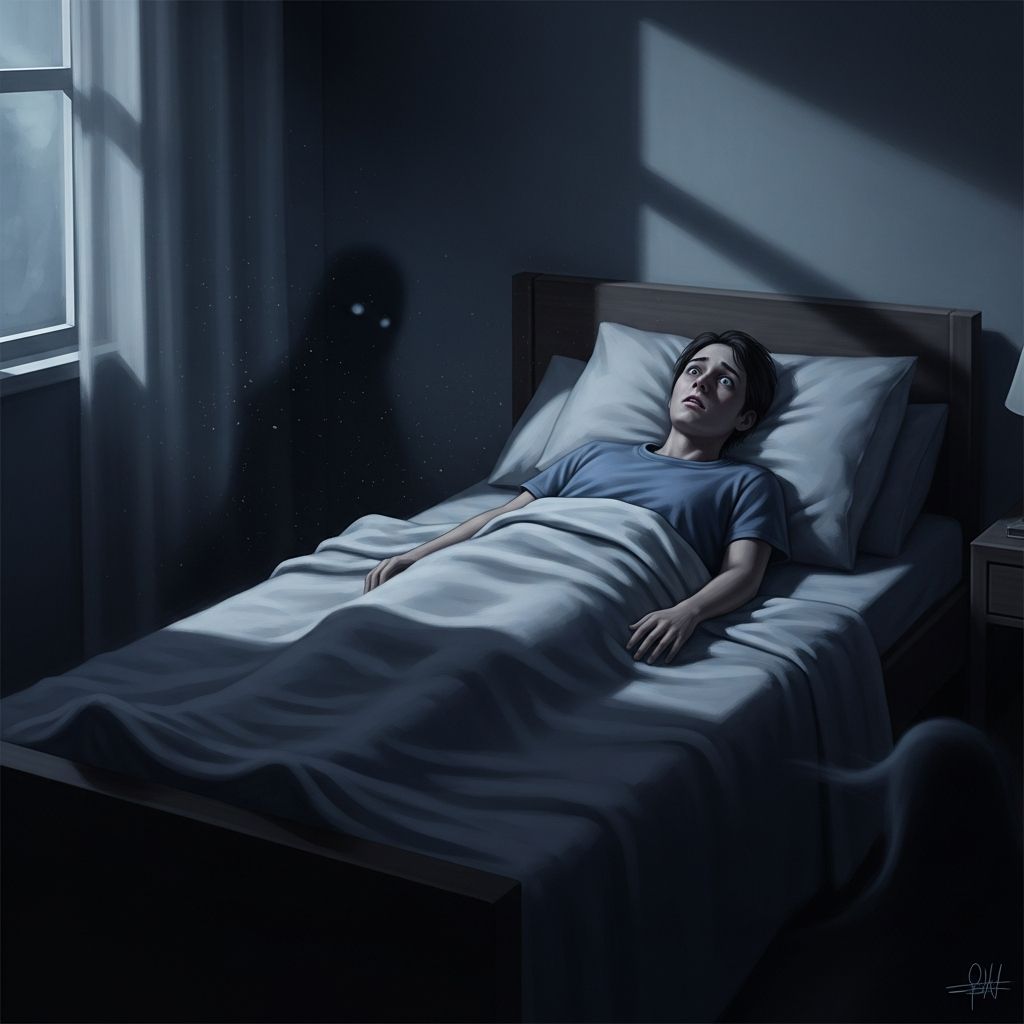
Understanding Sleep Paralysis
Sleep paralysis is a temporary but deeply unsettling condition in which a person awakens from sleep but finds themselves unable to move or speak. During an episode, individuals regain consciousness while their body remains in a state of paralysis, often accompanied by vivid and sometimes frightening hallucinations. This phenomenon occurs when the brain and body lose synchronization during the sleep-wake cycle, leaving a person conscious but physically immobilized. While sleep paralysis is not dangerous and typically lasts only seconds to minutes, the experience can be intensely frightening and distressing for those who encounter it.
What Causes Sleep Paralysis?
The Role of REM Sleep
Sleep paralysis occurs specifically during rapid eye movement (REM) sleep, the stage of sleep during which the most vivid and intense dreams occur. During REM sleep, the brain naturally paralyzes the body’s voluntary muscles through a process called REM atonia. This is a protective mechanism that prevents individuals from physically acting out their dreams, which could otherwise result in injury to themselves or others. The brain accomplishes this paralysis by releasing neurotransmitters, specifically GABA and glycine, which are produced by neurons in the pontine reticular formation and inhibit motor neurons in the spinal cord.
Sleep paralysis occurs when an individual’s consciousness awakens while the body remains in this paralyzed state. This typically happens when there is a disruption in the normal sleep-wake cycle, such as when someone is jolted awake or experiences fragmented sleep patterns. The person becomes aware of their surroundings but cannot move, creating the profound disconnect between consciousness and physical capability that defines the sleep paralysis experience.
Neurological Mechanisms
Research has identified several key neurological components involved in sleep paralysis. During a normal REM period, the dorsolateral prefrontal cortex—the brain region responsible for logical thinking and planning—shuts down, allowing for the surreal, logic-defying nature of dreams. However, during sleep paralysis, studies suggest that the central amygdala, which processes fear and emotion, becomes activated. This may explain why fear is such a prominent feature of sleep paralysis episodes. Additionally, when the dorsolateral prefrontal cortex partially reactivates during sleep paralysis, it creates a hybrid state of consciousness that combines the vividness of dreams with wakefulness, producing what researchers call a unique form of consciousness that blurs the line between sleeping and waking states.
Symptoms of Sleep Paralysis
Primary Symptoms
The hallmark symptom of sleep paralysis is the inability to move voluntary muscles while conscious. Individuals experiencing sleep paralysis typically report:
– Temporary inability to move the body or speak- Inability to move the head, limbs, or torso- Preserved ability to move the eyes and breathe- Acute awareness of the surrounding environment- Intense fear or anxiety during the episode- Rapid heartbeat and increased blood pressure- Rapid or shallow breathing- Sensations of chest pressure or heaviness- Feeling of choking or suffocation
Hallucinations and Perceived Threats
Many individuals experiencing sleep paralysis encounter hypnopompic hallucinations—hallucinations that occur while transitioning from sleep to wakefulness. These hallucinations can take various forms and are often deeply disturbing. Common hallucinations during sleep paralysis include sensing an intruder in the room, perceiving a threatening presence, feeling as though someone is sitting on the chest, or experiencing tactile sensations of being touched or held down. In some cases, individuals report seeing shadowy figures, feeling supernatural presences, or interpreting their experience through cultural lenses, such as alien abduction. These hallucinations feel remarkably real to the person experiencing them because they occur when multiple brain regions are simultaneously active—creating a state of consciousness that blends dream imagery with waking awareness.
Psychological Impact
The psychological symptoms accompanying sleep paralysis can be just as significant as the physical manifestations. Intense fear is nearly universal during episodes. Some individuals experience panic, catastrophic thinking (such as believing they are dying or will be paralyzed forever), and a profound sense of helplessness. Research has found that individuals who experience sleep paralysis, particularly when accompanied by hallucinations, show increased symptoms of anxiety and trauma compared to those who have never experienced the condition. In some cases, repeated episodes or particularly traumatic interpretations of the experience can contribute to long-term anxiety disorders or post-traumatic stress responses.
Risk Factors and Predictors
Related Stories



Sleep-Related Factors
Several sleep-related behaviors and patterns significantly increase the likelihood of experiencing sleep paralysis. Sleep deprivation is a major risk factor; individuals who sleep less than five hours per night demonstrate substantially higher rates of sleep paralysis compared to those sleeping seven to eight hours. Similarly, irregular sleep schedules disrupt the normal sleep cycle architecture, increasing vulnerability to sleep paralysis episodes. Daytime napping, particularly naps lasting longer than two hours, significantly elevates risk—individuals taking long naps are approximately twice as likely to experience sleep paralysis compared to non-nappers. The timing of sleep is also important; individuals who fall asleep after 2:00 AM experience higher rates of sleep paralysis than those who go to bed before 10:00 PM. This suggests that late-night sleep disruptions and alterations to normal sleep timing increase susceptibility.
Substance Use and Lifestyle Factors
Certain substances and lifestyle habits contribute to sleep paralysis risk. Caffeine consumption, particularly in the evening hours, disrupts sleep quality and can trigger episodes. Alcohol use interferes with normal REM sleep patterns and can precipitate sleep paralysis through sleep fragmentation. Nicotine use similarly disrupts sleep architecture. Technology use before bedtime, including excessive smartphone and social media engagement, delays sleep onset and reduces sleep quality, thereby increasing vulnerability to sleep paralysis. The blue light exposure from screens suppresses melatonin production and stimulates the central nervous system at times when the body should be preparing for rest.
Psychological and Stress Factors
Psychological stress, anxiety, and trauma are strongly associated with increased sleep paralysis frequency. Sleep paralysis appears to be particularly prevalent in individuals with post-traumatic stress disorder and, to a lesser degree, those with panic disorder. High stress levels and unresolved trauma can fragment sleep and increase overall sleep disruption, creating conditions favorable for sleep paralysis episodes. Additionally, certain personality traits and anomalous beliefs—including a tendency toward belief in the supernatural or paranormal—may influence how individuals interpret and respond to sleep paralysis experiences, potentially intensifying the psychological impact.
Genetic and Medical Factors
Research suggests there may be a genetic component to sleep paralysis susceptibility. Twin studies indicate that genetic factors contribute to individual differences in experiencing sleep paralysis. Certain medical conditions increase risk, particularly narcolepsy, which is characterized by disrupted REM sleep regulation. Other sleep disorders that fragment sleep architecture can similarly increase sleep paralysis frequency. Psychiatric conditions, particularly anxiety disorders, are associated with higher sleep paralysis rates in non-clinical populations.
Who Experiences Sleep Paralysis?
Sleep paralysis can occur in individuals across all ages, though it is disproportionately prevalent in certain populations. University students and young adults experience sleep paralysis at higher rates than the general population, likely due to the combination of irregular sleep schedules, high stress, caffeine and substance use, and technology-related sleep disruption common to this age group. The condition affects both men and women, though some research suggests varying prevalence rates by gender. Cultural background and ethnicity may also influence the experience; research has documented that individuals from different cultures interpret sleep paralysis through different frameworks, ranging from medical/scientific explanations to cultural and spiritual interpretations. In some cultures, sleep paralysis is attributed to supernatural entities such as demons or spirits, while in others it is understood purely through a neurobiological lens.
Treatment and Management Strategies
Cognitive and Behavioral Approaches
Understanding the true nature of sleep paralysis is fundamental to managing the condition effectively. Education about the neurobiological mechanisms underlying sleep paralysis reduces fear and catastrophic thinking. Cognitive reappraisal techniques—actively reframing the experience as a temporary neurological phenomenon rather than a supernatural event or sign of danger—can substantially reduce the emotional impact. Behavioral interventions focus on improving sleep hygiene and preventing the sleep disruptions that trigger episodes. This includes maintaining consistent sleep and wake times, avoiding caffeine and alcohol in the evening, limiting screen time before bed, creating an optimal sleep environment (cool, dark, quiet), and establishing a pre-sleep relaxation routine.
Meditation and Relaxation Therapy
Recent research has developed meditation-relaxation (MR) therapy specifically designed to treat sleep paralysis. This therapeutic approach combines several evidence-based techniques including cognitive reappraisals, emotional distancing, meditation practices, and progressive muscle relaxation. In a pilot study involving patients with narcolepsy, those receiving eight weeks of meditation-relaxation therapy experienced a 50 percent reduction in sleep paralysis episodes. The therapy aims to both minimize current attacks and decrease the frequency, severity, and duration of future episodes. The relaxation component helps reduce overall tension and anxiety, while the meditation practice cultivates emotional regulation and creates psychological distance from threatening thoughts or hallucinations.
Medical Interventions
For individuals experiencing frequent or severely distressing sleep paralysis episodes, particularly those with narcolepsy or other sleep disorders, pharmacological treatments may be appropriate. Medications that regulate REM sleep or reduce REM sleep atonia can be prescribed. Selective serotonin reuptake inhibitors (SSRIs) and other antidepressants may be used to suppress REM sleep, thereby reducing episodes. However, medication is typically considered when behavioral and psychological interventions have proven insufficient, as these approaches carry their own side effects and should be prescribed and monitored by qualified sleep medicine specialists.
Lifestyle Modifications
Preventing sleep paralysis episodes through lifestyle modification is often the most effective long-term strategy. Maintaining consistent sleep schedules, even on weekends, helps regulate the sleep-wake cycle. Regular exercise promotes deeper, more restorative sleep but should be completed several hours before bedtime. Creating an optimal sleep environment by reducing noise, light, and temperature extremes supports better sleep quality. Managing daytime stress through relaxation techniques, yoga, or mindfulness practices reduces overall activation of the nervous system. Limiting caffeine consumption to morning hours only and avoiding alcohol, particularly in the evening, protects sleep quality. Reducing technology use at least one hour before bed allows the brain and body to adequately prepare for sleep. For shift workers or travelers experiencing jet lag, gradual adjustment to new sleep schedules and strategic napping (short naps of 20-30 minutes rather than long naps) can minimize disruption to normal sleep architecture.
When to Seek Medical Attention
While isolated sleep paralysis episodes are generally not dangerous, medical evaluation is advisable if episodes occur frequently, if they significantly interfere with daily functioning or cause severe psychological distress, or if they are accompanied by other symptoms of sleep disorders. A healthcare provider or sleep medicine specialist can conduct a comprehensive evaluation, potentially including a sleep study, to rule out underlying sleep disorders such as narcolepsy and to develop a personalized treatment plan. Individuals experiencing trauma or severe anxiety related to sleep paralysis episodes should consider psychological or psychiatric consultation to address the emotional sequelae of their experience.
Frequently Asked Questions About Sleep Paralysis
Q: Is sleep paralysis dangerous?
A: No, sleep paralysis itself is not physically dangerous. While the experience is frightening, the paralysis is temporary and your body is not in danger. The episode will pass on its own, typically within seconds to a few minutes.
Q: Why do hallucinations occur during sleep paralysis?
A: Hallucinations occur because your brain is in a hybrid state—partially in REM sleep with its vivid dream imagery and partially conscious. The brain regions responsible for logical thinking are offline while emotional centers remain active, creating the sensation that dreams are real and present in your actual environment.
Q: Can sleep paralysis be prevented?
A: Yes, many cases can be prevented through improved sleep hygiene, stress management, regular sleep schedules, reduced caffeine and alcohol use, and limiting technology before bed. These lifestyle modifications address the underlying factors that trigger episodes.
Q: How long does a sleep paralysis episode last?
A: Most episodes last only seconds to a couple of minutes, though they often feel much longer due to the intense fear and perception distortion. The paralysis will pass naturally as your brain fully transitions to wakefulness.
Q: Should I be tested for narcolepsy if I experience sleep paralysis?
A: If episodes are infrequent and isolated, testing is typically unnecessary. However, if you experience multiple episodes weekly or have other symptoms of sleep disorders, medical evaluation including potential sleep studies is recommended.
Q: Can anxiety about sleep paralysis make it worse?
A: Yes, anxiety and fear can intensify episodes and create a cycle where worry about future episodes increases stress, which in turn makes episodes more likely. Cognitive reframing and relaxation techniques can help break this cycle.
References
- Investigating the Predictors of Sleep Paralysis Frequency Within the Student Population — Harvard University. 2024. https://dash.harvard.edu/
- A systematic review of variables associated with sleep paralysis — PubMed/National Center for Biotechnology Information. 2017-08-15. https://pubmed.ncbi.nlm.nih.gov/28735779/
- Sleep paralysis: a terrifying encounter with our own mind — Big Think. 2021. https://bigthink.com/neuropsych/sleep-paralysis-terrifying-encounter-mind/
- How the world experiences terrifying sleep paralysis very differently — Frontiers in Psychology/Harvard Research. 2021-03-29. https://www.frontiersin.org/news/2021/03/29/baland-jalal-sleep-paralysis-frontiers-psychology
- Sleep and Neurological Disorders Information — Harvard Medical School/Harvard Catalyst. 2024. https://connects.catalyst.harvard.edu/
Similar Articles








Read full bio of medha deb