Sleep Paralysis Symptoms: Signs, Causes, And Treatment
Understand the terrifying yet temporary experience of sleep paralysis: symptoms, causes, and effective prevention strategies.
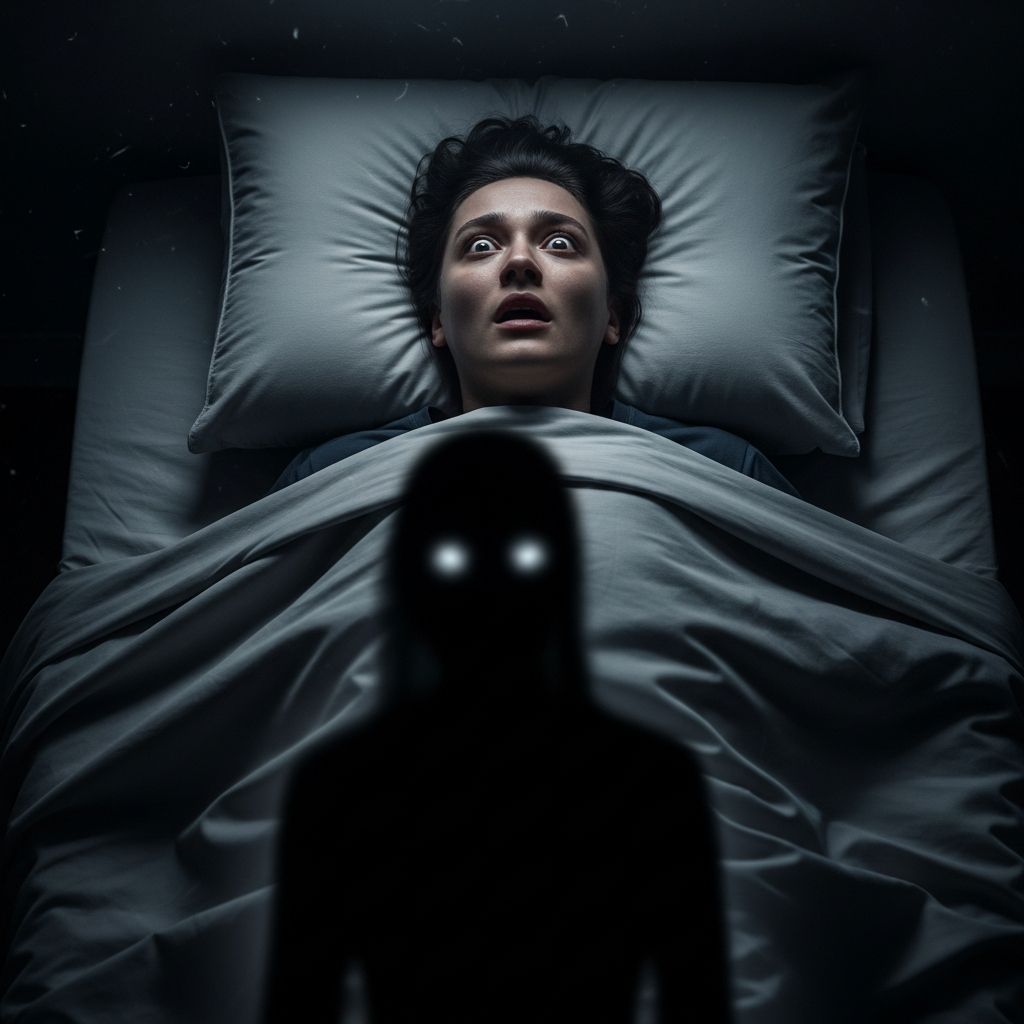
Sleep paralysis is a temporary inability to move or speak while transitioning between wakefulness and sleep, often accompanied by intense fear and hallucinations. This common parasomnia affects up to 40% of people at some point, typically during REM sleep when muscle atonia persists into consciousness.
What Is Sleep Paralysis?
Sleep paralysis occurs when you become conscious but your body remains in the muscle atonia state of REM sleep, preventing voluntary movement except for eye and respiratory muscles. Episodes last seconds to minutes and feel deeply distressing due to full awareness without motor control.
During normal REM sleep, the brain signals muscles to paralyze (REM atonia) to stop acting out dreams. If wakefulness intrudes, this atonia lingers, creating the hallmark immobility. It’s not dangerous but can link to narcolepsy or other disorders.
Sleep Paralysis Symptoms
Symptoms vary but center on paralysis with sensory disturbances. Common experiences include:
- Inability to move limbs, head, or speak, despite full consciousness—eyes can move and breathing continues.
- Intense fear, anxiety, or panic from helplessness.
- Chest pressure or suffocation sensation, due to reduced respiratory effort in REM.
- Hallucinations: visual (intruder shadows), auditory (voices, buzzing), tactile (pressure on body).
- Out-of-body feelings or floating sensations from parietal lobe disruptions.
- Sweating, rapid heartbeat, or perceived danger.
Hallucinations affect 75% of episodes, categorized as intruder (threat presence), incubus (chest pressure), or vestibular-motor (floating). Episodes often occur when falling asleep (hypnagogic) or waking (hypnopompic).
How Common Is Sleep Paralysis?
Sleep paralysis impacts 8-50% of general populations worldwide, with higher rates (up to 40%) in students or shift workers. It peaks in adolescence to 30s, affecting genders equally but recurring more in women.
In narcolepsy patients, it occurs in over 50% of cases. Cultural interpretations vary, from ‘ghost oppression’ in folklore to recognized neurology today.
Sleep Paralysis Causes and Risk Factors
The core cause is REM-wake transition mismatch, with atonia persisting via GABA/glycine inhibition on spinal motor neurons. Triggers include:
- Sleep deprivation or irregular schedules: Disrupts REM cycles.
- Stress or trauma: Heightens amygdala fear response.
- Narcolepsy or sleep apnea: Linked disorders fragment sleep.
- Supine sleeping position: Increases episodes 4-fold.
- Psychiatric conditions: PTSD, anxiety amplify hallucinations.
- Genetics/family history: Heritable vulnerability.
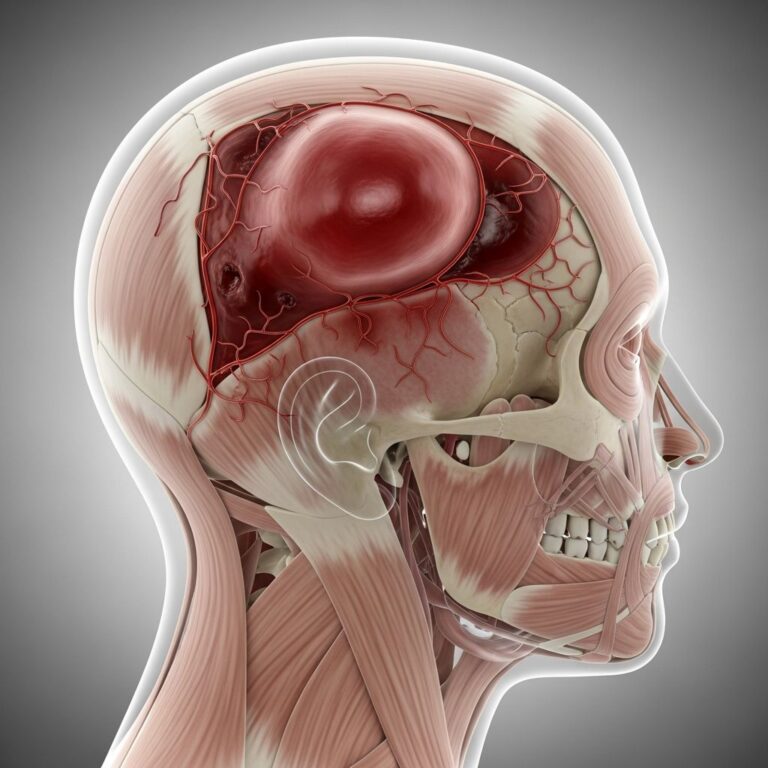
Neuroimaging shows amygdala hyperactivation and parietal disruptions during episodes, explaining fear and distortions.
When to See a Doctor for Sleep Paralysis
Isolated episodes are benign, but seek help if:
- Frequent (weekly+), disrupting life.
- Accompanied by daytime sleepiness, cataplexy (narcolepsy signs).
- Intense hallucinations cause trauma or anxiety disorders.
- Suspected sleep apnea (snoring, gasping).
Diagnosis uses sleep diaries, questionnaires, or polysomnography. Rule out epilepsy or seizures via EEG.
How Sleep Paralysis Is Diagnosed
Clinicians assess history for REM-transition episodes, hallucinations, triggers. Tools include:
- Sleep diaries tracking episodes, sleep hygiene.
- Epworth Sleepiness Scale for daytime impacts.
- Polysomnography (overnight EEG) confirming REM atonia intrusion.
- Multiple Sleep Latency Test for narcolepsy.
Related Stories



No single test; diagnosis is clinical, excluding mimics like seizures.
Sleep Paralysis Treatment
Most cases need no treatment; focus on prevention. Options include:
- Lifestyle changes: Consistent 7-9 hour sleep, avoid supine position.
- CBT for insomnia: Reduces recurrence by 50% via stress management.
Medications: Low-dose antidepressants (SSRIs/clomipramine) suppress REM; sodium oxybate for narcolepsy. - During episode: Focus on eye/toe wiggling, calm breathing; external stimulation helps.
| Treatment Type | Description | Evidence Level |
|---|---|---|
| Lifestyle | Regular schedule, stress reduction | High (first-line) |
| CBT-I | Cognitive therapy for sleep fears | Moderate-High |
| Medications | SSRIs for frequent cases | Moderate (off-label) |
| Supportive | Education, reassurance | High |
How to Prevent Sleep Paralysis
Proven strategies reduce frequency:
- Maintain consistent sleep-wake times, even weekends.
- Avoid caffeine/alcohol near bedtime; limit naps.
- Practice relaxation: meditation, progressive muscle relaxation before bed.
- Sleep on side/back alternation; elevate bed head.
- Manage stress with exercise, therapy.
- Improve sleep environment: cool, dark, quiet.
Studies show good sleep hygiene cuts episodes by addressing root disruptions.
Frequently Asked Questions (FAQs)
Is sleep paralysis dangerous?
No, it’s harmless and self-resolves quickly. It doesn’t cause injury, though frightening.
How long does sleep paralysis last?
Typically 10 seconds to 2 minutes; rarely longer.
Can sleep paralysis kill you?
No evidence supports this; breathing and heart continue normally.
Does sleep paralysis mean I have narcolepsy?
Not always; common standalone, but frequent cases warrant checking.
Why does sleep paralysis happen?
REM atonia overlaps with wakefulness due to sleep disruption or stress.
Can you stop sleep paralysis once it starts?
Try wiggling fingers/toes, focusing on breathing, or calling for help.
References
- Sleep paralysis – causes, symptoms and treatment — healthdirect.gov.au. 2023. https://www.healthdirect.gov.au/sleep-paralysis
- Voices in the Night: Sleep Paralysis & The Intersection of Brain, Trauma, Traditions — Probiologists. 2024. https://www.probiologists.com/article/voices-in-the-night-sleep-paralysis-the-intersection-of-brain-trauma-traditions
- Sleep Paralysis – StatPearls — NCBI Bookshelf. 2023-10-01. https://www.ncbi.nlm.nih.gov/books/NBK562322/
- Sleep Paralysis: Causes, Symptoms, Treatment, and Prevention — WebMD. 2024. https://www.webmd.com/sleep-disorders/sleep-paralysis
- What to know about the scary sensation of sleep paralysis — UCLA Health. 2023. https://www.uclahealth.org/news/article/what-to-know-about-the-scary-sensation-of-sleep-paralysis
Similar Articles








Read full bio of medha deb