Sleep Paralysis: 5 Prevention Tips & Management Strategies
Understand sleep paralysis: symptoms, causes, treatments, and prevention strategies for better sleep health.

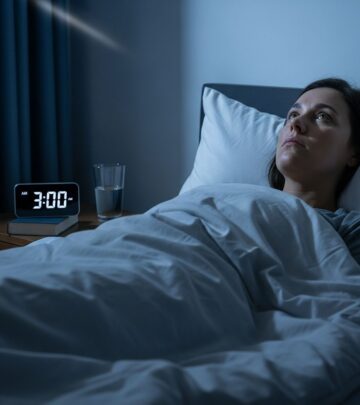
Sleep paralysis is a common parasomnia where a person experiences temporary inability to move or speak while transitioning between wakefulness and rapid eye movement (REM) sleep, often accompanied by vivid hallucinations and intense fear.
What is Sleep Paralysis?
Sleep paralysis occurs when you wake up or fall asleep but your body remains in the muscle atonia state typical of REM sleep, preventing voluntary movement. This creates a sensation of being fully conscious yet paralyzed, lasting from seconds to several minutes, with an average duration of about six minutes.
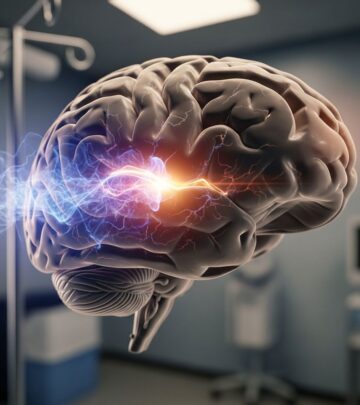
During REM sleep, the brain inhibits motor neurons to prevent acting out dreams, a protective mechanism called muscle atonia. In sleep paralysis, the mind awakens before this atonia lifts, leading to immobility. It affects up to 40% of people at least once, but is more frequent in those with certain risk factors.
Symptoms of Sleep Paralysis
The hallmark symptom is sudden paralysis upon waking or falling asleep, where you cannot move limbs, speak, or even open your eyes fully despite being alert. Episodes are often terrifying due to accompanying hallucinations and sensations:
- Intruder hallucinations: Sensing a presence in the room, hearing footsteps, whispers, or seeing shadowy figures.
- Incubus hallucinations: Feeling chest pressure as if being suffocated or sat upon, linked to hypercapnia from reduced breathing during REM.
- Vestibular-motor hallucinations: Sensations of floating, flying, or out-of-body experiences.
- Intense fear, anxiety, or panic, with a racing heart and sweating.
These symptoms resolve spontaneously as full muscle control returns, but repeated episodes can lead to daytime fatigue and anxiety.
Causes of Sleep Paralysis
The exact cause remains unclear, but it involves a mismatch in REM sleep regulation where awareness returns before motor control. Multiple risk factors contribute:
| Risk Factor | Description |
|---|---|
| Sleep Deprivation | Insufficient sleep or irregular schedules, common in shift workers or students, disrupts REM cycles. |
| Sleep Position | Sleeping on the back increases incidence due to airway changes affecting arousal. |
| Mental Health Issues | Anxiety, PTSD, panic disorder, and depression heighten risk through stress-induced sleep disruption. |
| Sleep Disorders | Narcolepsy (20% higher frequency), obstructive sleep apnea, and insomnia. |
| Substance Use | Alcohol, drugs, or medication withdrawal causes REM rebound. |
| Family History | Genetic predisposition noted in studies. |
| Other Conditions | High blood pressure, Wilson’s disease. |
Traumatic events or hypercapnia during REM (40% lower ventilation) exacerbate incubus sensations.
Diagnosis
Diagnosis relies on patient history of recurrent episodes with typical symptoms, as no specific test exists. Doctors rule out epilepsy, narcolepsy via polysomnography (sleep study), or mental health screening. If daytime sleepiness or cataplexy occurs, narcolepsy testing is recommended.
Treatment of Sleep Paralysis
Most cases require no treatment, as episodes are benign and self-limiting. Focus is on reassurance, education about REM atonia, and addressing triggers.
During an Episode: No direct abortive treatment exists, but focusing on small movements (e.g., wiggling a finger or toe) can hasten recovery. Techniques like focused-attention meditation with muscle relaxation show promise in studies.
Related Stories



Preventive Strategies:
- Maintain a consistent sleep schedule, aiming for 7-9 hours nightly, including weekends.
- Improve sleep hygiene: dark, cool bedroom; avoid screens, caffeine, alcohol before bed.
- Avoid back-sleeping; use pillows to encourage side-sleeping.
- Manage stress with relaxation, meditation, or exercise.
- Treat underlying conditions: CBT for insomnia (CBT-I), CPAP for apnea, antidepressants for PTSD.
For frequent or distressing cases, low-dose antidepressants (e.g., SSRIs to suppress REM) or referral to a sleep specialist. Pimavanserin, a 5-HT receptor inverse agonist, is under investigation for hallucinations. CBT tailored for sleep paralysis is emerging.
Complications
Sleep paralysis itself causes no physical harm but can lead to sleep anxiety, worsening insomnia, or avoidance of sleep. Chronic episodes correlate with daytime impairment in narcolepsy patients. Rarely, it mimics seizures, prompting unnecessary tests.
Prevention
Proactive steps mirror treatment: prioritize sleep consistency, reduce stress, and monitor for disorders. Track episodes in a sleep diary to identify patterns. Family education reduces fear.
When to See a Doctor
Consult a GP if episodes are frequent, cause significant anxiety, fatigue, or accompany excessive daytime sleepiness, cataplexy, or breathing pauses. Urgent evaluation if suspecting narcolepsy or PTSD.
Frequently Asked Questions (FAQs)
Q: Is sleep paralysis dangerous?
A: No, it is harmless and lasts only briefly, though frightening. It does not cause injury or long-term health issues.
Q: How common is sleep paralysis?
A: Up to 40% experience it once; 20% with narcolepsy have frequent bouts. Risk factors increase likelihood.
Q: Can sleep paralysis kill you?
A: No, myths aside; breathing continues automatically despite paralysis sensation.
Q: Does sleep paralysis mean I have narcolepsy?
A: Not necessarily; it’s common in healthy people but signals narcolepsy if with daytime sleepiness.
Q: How can I stop sleep paralysis episodes?
A: Improve sleep habits, avoid back-sleeping, manage stress, and treat underlying issues like insomnia.
This comprehensive guide empowers better understanding and management of sleep paralysis. Episodes often decrease with lifestyle changes, ensuring restful nights.
References
- Sleep paralysis – causes, symptoms and treatment — healthdirect.gov.au. Accessed 2026. https://www.healthdirect.gov.au/sleep-paralysis
- Sleep Paralysis: Symptoms, Causes, and Treatment — Sleep Foundation. Accessed 2026. https://www.sleepfoundation.org/parasomnias/sleep-paralysis
- Sleep Paralysis – StatPearls — NCBI Bookshelf. 2023. https://www.ncbi.nlm.nih.gov/books/NBK562322/
- Sleep paralysis — NHS.uk. 2023-02-07. https://www.nhs.uk/conditions/sleep-paralysis/
- Sleep Paralysis — Stanford Health Care. Accessed 2026. https://stanfordhealthcare.org/medical-conditions/sleep/nighttime-sleep-behaviors/sleep-paralysis.html
- Sleep Paralysis — Cleveland Clinic. Accessed 2026. https://my.clevelandclinic.org/health/diseases/21974-sleep-paralysis
Similar Articles








Read full bio of medha deb