Sleep Talking: Essential Guide To Causes, Symptoms, And Solutions
Unraveling the mysteries of somniloquy: causes, risks, treatments, and when to seek help for this common sleep disorder.
Sleep Talking
By Health Staff | Updated January 13, 2026
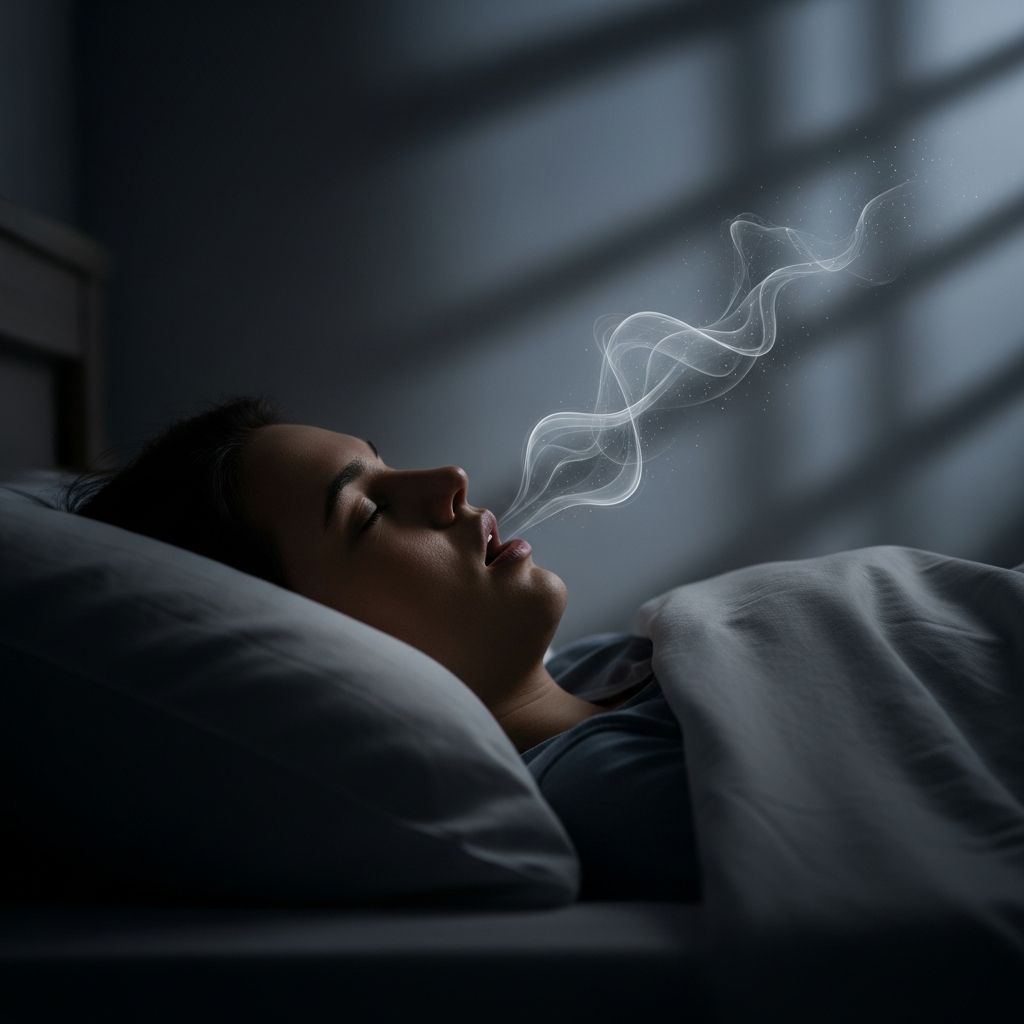
Sleep talking, medically known as somniloquy, is a prevalent parasomnia where individuals vocalize during sleep without awareness. This phenomenon ranges from mumbling and gibberish to coherent sentences, occurring in up to 66% of people at some point in life, particularly during childhood and adolescence. While often benign, it can signal underlying issues like stress, sleep apnea, or even increased stroke risk.
What Is Sleep Talking?
Sleep talking is classified as a parasomnia, involving unwanted episodes of physical movements, behaviors, or experiences during sleep transitions or specific sleep stages. Unlike night terrors or sleepwalking, which are tied to non-REM sleep, somniloquy can happen in both non-REM and REM phases, making it versatile and unpredictable.
During episodes, the brain partially arouses, allowing speech production while the body remains mostly asleep. Linguistic analyses reveal about 50% of utterances are incomprehensible—mumbling, lip movements, or muffled sounds—while the rest may mimic wakeful speech, often negative, exclamatory, or profane, possibly reflecting subconscious conflicts. Episodes are brief, lasting seconds to minutes, with no memory upon waking.
Symptoms of Sleep Talking
- Audible vocalizations: From single words, phrases, or full dialogues to incoherent babble during sleep.
- No awareness: The sleeper has zero recollection and cannot be easily roused.
- Variable intensity: Quiet murmurs to loud yelling, potentially disturbing bed partners.
- Accompaniments: May pair with other parasomnias like sleepwalking or teeth grinding.
Children often exhibit confused, calm talking during partial arousals, while adults might link it to vivid dreams in REM sleep.
Causes of Sleep Talking
The exact etiology remains elusive, but experts pinpoint several triggers:
- Genetics: Familial patterns suggest heritability, with higher prevalence in families.
- Stress and fatigue: Emotional strain or sleep deprivation heightens episodes.
- Fever or illness: Common in children with elevated temperatures.
- Substances: Alcohol, caffeine, or medications disrupting sleep architecture.
- Mental health: Twice the rate in those with PTSD, anxiety, or depression.
Somniloquy provides a window into mental processes, with utterances sometimes echoing dream content or recent learning, aiding memory consolidation via verbal ‘replay’.
Is Sleep Talking Harmful?
For most, sleep talking is harmless, not fragmenting the sleeper’s rest significantly. However, risks emerge:
- Partner disruption: Leading to their insomnia or daytime fatigue.
- Embarrassment: Revealing private thoughts, straining relationships.
- Health signals: Frequent cases with other parasomnias may indicate apnea or REM behavior disorder (RBD), linked to Parkinson’s (7x higher risk).
- Stroke association: Prospective studies show sleep talkers face 30% higher stroke risk (HR 1.30), independent of other factors, due to sympathetic activation and sleep fragmentation elevating cardiovascular stress.
In adults, persistent somniloquy warrants evaluation for underlying disorders.
Sleep Talking in Children vs. Adults
| Aspect | Children | Adults |
|---|---|---|
| Prevalence | Up to 50% | 5-10%, decreases with age |
| Triggers | Fever, overstimulation | Stress, alcohol, apnea |
| Presentation | Calm, confused talking | REM-linked, dream-related |
| Prognosis | Often resolves by teens | May persist, signal issues |
Pediatric cases frequently self-resolve, but monitoring prevents escalation.
When to See a Doctor for Sleep Talking
Consult a professional if:
- Episodes are frequent, loud, or violent.
- Accompanied by gasping, choking (apnea signs), or daytime exhaustion.
- Linked to headaches, memory lapses, or neurological symptoms.
- Occurring with RBD-like dream enactment, raising Parkinson’s or stroke flags.
Sleep studies (polysomnography) can diagnose via EEG monitoring.
How to Stop Sleep Talking
No cure exists, but strategies reduce frequency:
- Sleep hygiene: Consistent schedule, 7-9 hours nightly; avoid screens, caffeine post-noon.
- Stress management: Meditation, yoga before bed.
- Environment: Cool, dark room; white noise for partners.
- Diet: Limit alcohol, heavy meals evenings.
- Therapy: CBT or hypnosis showed promise in small studies (100% improvement in parasomnias).
Track patterns via sleep diary to identify triggers.
Treatment for Sleep Talking
Primarily behavioral; meds rare, used for comorbidities like apnea (CPAP) or RBD (clonazepam). Emerging: Anticipatory awakening (rousing pre-episode) or scheduled awakenings. Research underscores CBT’s potential, though larger trials needed. Addressing root causes—like treating PTSD or apnea—often resolves somniloquy.
Prevention Tips
- Maintain optimal sleep duration to minimize fragmentation.
- Practice relaxation: Deep breathing, progressive muscle relaxation.
- Avoid stimulants: No nicotine, excessive fluids before bed.
- Partner aids: Earplugs, separate sleeping if disruptive.
- Monitor children: Ensure safe sleep space during fevers.
Frequently Asked Questions (FAQs)
What causes sleep talking?
Triggers include genetics, stress, fever, substances, and mental health issues like PTSD. It often occurs during partial arousals in any sleep stage.
Is sleep talking a sign of serious illness?
Usually not, but in adults with other parasomnias, it may link to apnea, RBD, Parkinson’s, or elevated stroke risk.
Does sleep talking go away?
Common in kids, often resolving by adulthood; adult cases may persist but improve with lifestyle changes.
Can you cure sleep talking?
No definitive cure, but hygiene, stress reduction, and CBT help. Treat underlying conditions for best results.
Is sleep talking dangerous?
Rarely for the talker, but can disturb others or signal cardiovascular risks like stroke.
References
- Sleep talking: Causes, side effects, and how to stop — Medical News Today. 2023-10-15. https://www.medicalnewstoday.com/articles/sleep-talking
- Sleep talking: A viable access to mental processes during sleep — PubMed (Sleep Med). 2019-01-01. https://pubmed.ncbi.nlm.nih.gov/30594004/
- Sleep Talking: What Is Somniloquy? — Sleep Foundation. 2024-05-20. https://www.sleepfoundation.org/parasomnias/sleep-talking
- Prospective Study of Sleep Talking and Risk of Stroke — Journal of the American Heart Association (AHA). 2024-07-10. https://www.ahajournals.org/doi/10.1161/JAHA.124.035813
- Sleep Talking — CPCMG Health Hub. 2023-01-01. https://healthhub.cpcmg.net/docs/sleep-talking
Similar Articles







Read full bio of Sneha Tete