Sleep Talking: Causes, Treatment, and More
Discover what causes sleep talking, its potential health links, and practical strategies to reduce episodes for better rest.
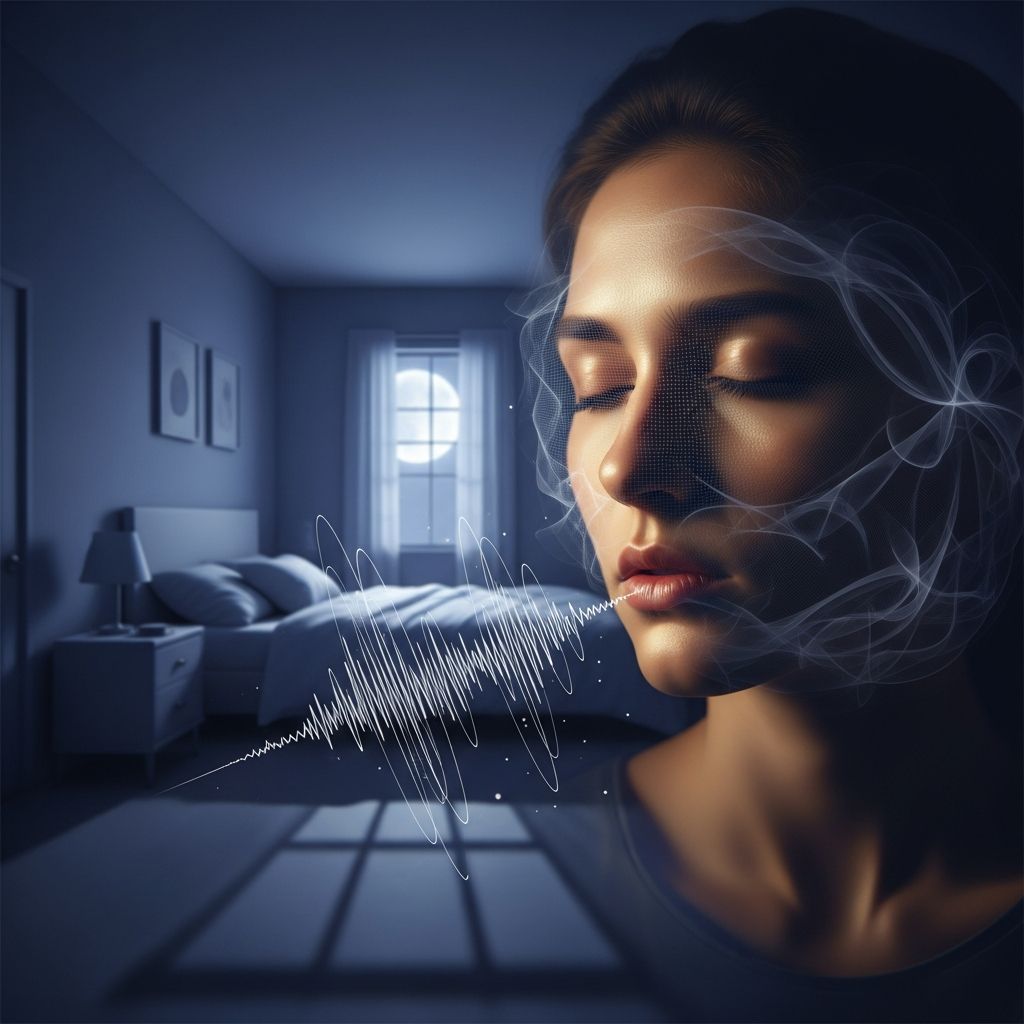
Sleep talking, medically known as somniloquy, is a prevalent parasomnia where individuals vocalize words, phrases, or incoherent sounds during sleep without awareness. It affects approximately 66% of people at some point, primarily children and adolescents, though it can persist into adulthood. While often benign, frequent episodes may signal underlying issues like sleep apnea or neurological conditions.
What Is Sleep Talking?
Sleep talking involves producing unaware verbal vocalizations (VBs) during sleep stages, distinguishing it from mumbling or groaning. Classified as a parasomnia—an abnormal sleep behavior—it occurs when parts of the brain remain active during transitions between wakefulness and sleep. Episodes range from single words to full conversations, typically lasting seconds, and are more common during non-REM sleep but can happen in REM stages too.
Unlike sleepwalking, sleep talking poses minimal physical risk but can embarrass talkers if overheard, potentially straining relationships as personal details may be revealed unconsciously. Studies show it correlates with sleep fragmentation, reducing overall sleep efficiency and quality.
How Common Is Sleep Talking?
Somniloquy is one of the most frequent parasomnias, with prevalence rates varying by age. Up to 2 in 3 individuals experience it lifetime, peaking in childhood (around 50% of kids) and declining in adulthood (about 5%). A PMC study of 29 sleep talkers versus 30 controls found talkers reported worse subjective sleep quality, with higher intra-sleep wakefulness and lower efficiency.
- Children and teens: Highest rates, often resolving by adulthood.
- Adults: 5% frequent episodes; linked to stress or disorders.
- Gender: Slightly more common in males.
Longitudinal tracking via sleep diaries reveals patterns tied to bedtime habits, emphasizing its randomness yet potential chronicity.
Symptoms of Sleep Talking
Sleep talkers rarely recall episodes, learning of them from partners or recordings. Symptoms include:
- Calling out, muttering, or coherent speech during sleep.
- Incoherent babble or full sentences.
- Occurrence in any sleep stage, louder in non-REM.
- Accompaniment by movements like twitching (in REM behavior disorder).
Affected individuals may experience daytime fatigue from disrupted partner sleep or fragmented rest. In severe cases, it clusters with other parasomnias like bruxism or nightmares.
Sleep Talking Causes and Risk Factors
Exact mechanisms remain unclear, but sleep talking arises when brain regions for speech activate amid incomplete sleep transitions. Key triggers include:
| Risk Factor | Description |
|---|---|
| Fever/Illness | Common in children; elevates brain activity. |
| Stress/Genetics | Family history increases likelihood. |
| Alcohol/Drugs | Suppress REM, triggering outbursts. |
| Sleep Deprivation | Disrupts cycles, heightening parasomnias. |
| Underlying Disorders | Apnea, RBD (7x higher in Parkinson’s). |
Research links verbal bouts to linguistic processing and memory consolidation, with EEG patterns mimicking wakeful speech planning. Non-verbal utterances often co-occur, worsening fragmentation.
When Sleep Talking Is a Medical Concern
Isolated episodes are harmless, but recurrent adult sleep talking warrants evaluation, especially with:
Related Stories



- Violent behaviors or confusion upon waking.
- Daytime sleepiness, headaches, or snoring (apnea signs).
- Association with neurodegenerative risks like Parkinson’s via RBD.
Sleep talkers show poorer sleep metrics: longer sleep onset, more awakenings, lower efficiency (e.g., STs SE 82% vs. controls 89%). Consult a specialist if it persists beyond childhood or disrupts life.
Diagnosis
Diagnosis starts with history and sleep diaries tracking episodes, habits, stressors. Polysomnography (PSG) in labs monitors brain waves, vocalizations, and stages, differentiating from epilepsy or apnea. Home audio recordings aid initial assessment. Pittsburgh Sleep Quality Index (PSQI) and Epworth Sleepiness Scale (ESS) quantify impacts.
Treatment
No cure exists, but management focuses on triggers:
- Sleep Hygiene: Consistent schedule, 7-9 hours, avoid caffeine/alcohol.
- Stress Reduction: CBT shows promise in cutting parasomnias.
- Medications: Rare; clonazepam for severe RBD-linked cases.
- Address Comorbidities: CPAP for apnea improves episodes.
A week-long study found better hygiene correlated with fewer vocal bouts; scheduled awakenings prevent cycles.
Prevention Tips
Proactive steps reduce frequency:
- Maintain cool, dark bedroom; limit screens.
- Exercise daily but not late; relax pre-bed (meditation).
- Avoid heavy meals/alcohol 3+ hours before sleep.
- Keep diary: Note diet, stress, episodes for patterns.
- Partner safety: Lock doors if combined with walking.
Improving sleep quality directly lowers risks, as fragmentation fuels ST.
Frequently Asked Questions (FAQs)
Is sleep talking harmful?
Generally no, but it can indicate serious issues like apnea or Parkinson’s in adults. Monitor for clusters with other symptoms.
Does sleep talking mean bad dreams?
Not always; some link to dreams, but ST often occurs in non-REM without recall. Emotional dream intensity is lower in talkers.
Can you cure sleep talking?
No definitive cure, but hygiene, CBT, and treating causes reduce it significantly.
Why do kids sleep talk more?
Immature brains, rapid growth; often outgrown by teens.
Should I record my sleep talking?
Yes, safely, to share with doctors for diagnosis.
Takeaways
Sleep talking is common and mostly harmless but merits attention if frequent or adult-onset. Prioritize hygiene and professional input for optimal sleep health.
References
- Sleep talking: Causes, side effects, and how to stop — Medical News Today. 2023-10-15. https://www.medicalnewstoday.com/articles/sleep-talking
- The Influence of Sleep Talking on Nocturnal Sleep and Sleep … – NIH — PMC (National Library of Medicine). 2022-11-01. https://pmc.ncbi.nlm.nih.gov/articles/PMC9658338/
- Why Do I Talk in My Sleep? — Mass General Brigham. 2024-05-20. https://www.massgeneralbrigham.org/en/about/newsroom/articles/why-do-people-sleep-talk
Similar Articles








Read full bio of medha deb