Sleep-Wake Cycles and Mood: The Connection Explained
Discover how your circadian rhythm directly impacts emotional well-being and mental health.
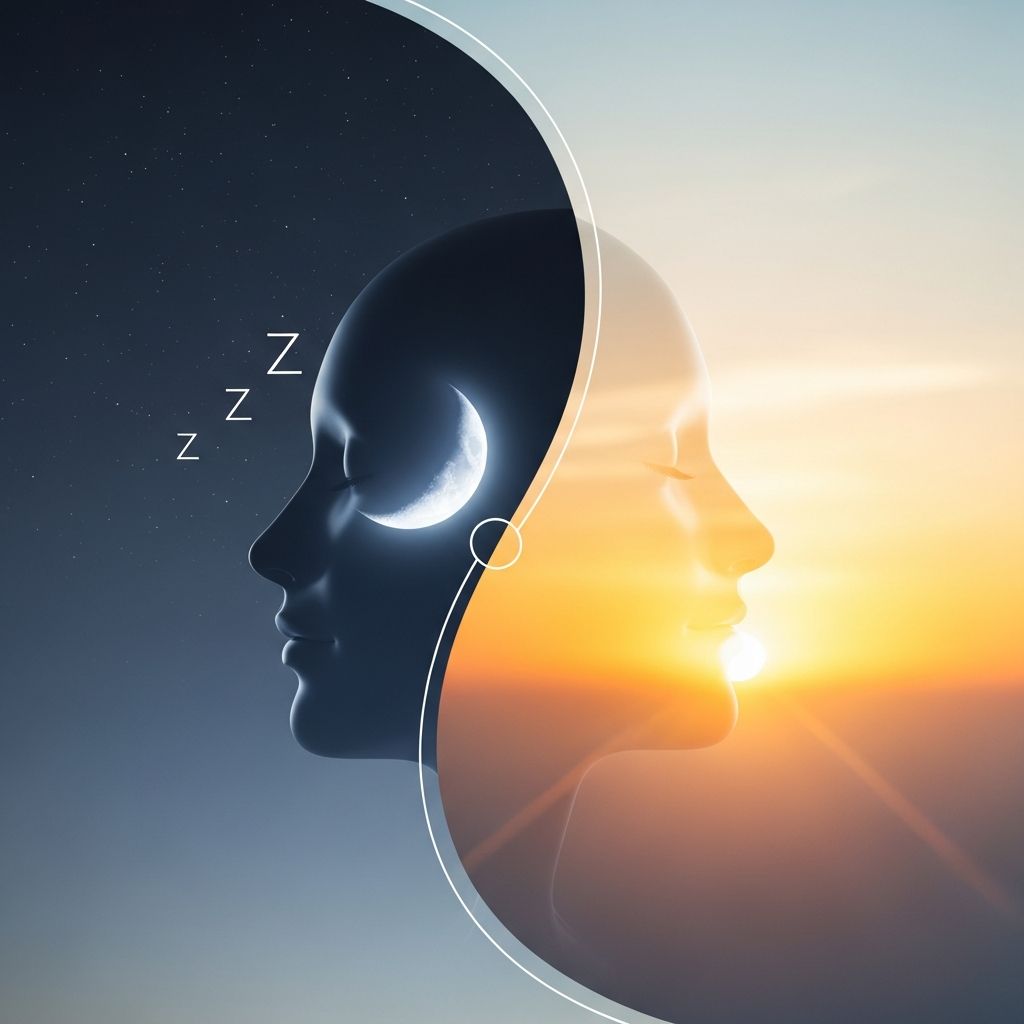
The connection between sleep and mood is more profound than most people realize. After a sleepless night, you might find yourself irritable, short-tempered, and unusually vulnerable to stress. Conversely, after a night of quality sleep, your mood often returns to its baseline, and you feel more emotionally resilient. This relationship between sleep and mood is not merely anecdotal—it is grounded in neurobiology and supported by decades of scientific research. Your body’s internal clock, known as the circadian rhythm, plays a central role in regulating both your sleep patterns and your emotional state, making it essential to understand this connection for maintaining optimal mental health.
Understanding the Circadian Rhythm
The circadian rhythm is your body’s internal biological clock that regulates numerous physiological processes over a 24-hour cycle. This internal timekeeper controls when you feel sleepy and when you feel alert, but its influence extends far beyond sleep-wake timing. The circadian rhythm governs critical bodily functions including body temperature regulation, hormone secretion, metabolism, digestion, memory consolidation, and even wound healing.
Each person’s circadian rhythm is unique and is primarily determined by genetics. This explains why some people are natural morning people—often called “larks”—who prefer to wake early and go to sleep early in the evening. Others are “night owls” who naturally prefer sleeping late and waking later in the morning. These preferences are not character flaws or laziness but rather deeply ingrained biological predispositions established before birth.
Despite the genetic foundation of your circadian rhythm, modern science has shown that it is not entirely fixed. With consistent practice and sometimes medical assistance, individuals can adjust their circadian rhythm to better align with their work schedules or social obligations. However, such adjustments require considerable effort and may not work equally well for everyone, particularly those with strong genetic predispositions toward being night owls or morning larks.
The Direct Impact of Sleep Deprivation on Mood
Research from the University of Pennsylvania provides compelling evidence of sleep’s direct impact on emotional well-being. When researchers limited subjects to just 4.5 hours of sleep per night for one week, these individuals reported significant increases in feelings of stress, anger, sadness, and mental exhaustion. Most remarkably, when these same subjects returned to their normal sleep schedules, they experienced a dramatic and rapid improvement in their mood and emotional state.
Even partial sleep deprivation produces measurable effects on mood and behavior. Those who consistently lose sleep become more prone to experiencing increased stress, mental fatigue, anxiety, and depression. The irony is that many Americans knowingly engage in behaviors that compromise their sleep, despite expert recommendations that most adults should obtain 7 to 9 hours of sleep nightly. A significant portion of the American population gets less than 6 hours of sleep regularly.
The vulnerability to stress increases substantially with sleep deprivation. Your brain’s ability to regulate emotional responses deteriorates when sleep-deprived, making minor annoyances feel catastrophic and causing you to react more dramatically to everyday challenges. This heightened emotional reactivity can damage relationships, reduce work performance, and contribute to a negative spiral of increasing stress and worsening mood.
When Sleep and Mood Disorders Create a Vicious Cycle
The relationship between sleep and mood operates in both directions. While sleep deprivation can trigger or worsen mood disorders, existing mood disorders can simultaneously disrupt sleep patterns, creating a troubling feedback loop. People diagnosed with depression, anxiety disorders, seasonal affective disorder, and bipolar disorder frequently experience increased difficulty sleeping as part of these conditions.
Related Stories



This bidirectional relationship means that someone experiencing anxiety may struggle to fall asleep because anxiety increases agitation and arousal—physiological states incompatible with restful sleep. Similarly, people under constant stress experience physical arousal and heightened alertness that makes it difficult for them to transition into sleep. The body remains in a protective, awakened state rather than the relaxed state necessary for sleep.
When someone with an existing mood disorder develops sleep problems, a dangerous cycle can develop. The sleep deprivation exacerbates the mood disorder symptoms, which in turn worsens sleep problems, leading to increasing levels of sleep deprivation and progressively severe mood disorder symptoms. This cycle can continue indefinitely without intervention, making early recognition and treatment critical.
Insomnia as a Precursor to Mental Health Conditions
Research has identified chronic insomnia as a significant risk factor for developing mood disorders. Difficulty sleeping is sometimes the first symptom of depression, appearing even before the person experiences other classic depression symptoms. Studies indicate that 15 to 20 percent of people initially diagnosed with insomnia will eventually develop major depression.
The statistical evidence is striking: a major study examining 10,000 adults found that people with insomnia were five times more likely to develop depression than those without sleep problems. Even more dramatic is the relationship between insomnia and anxiety disorders. In the same study, individuals with insomnia were 20 times more likely to develop panic disorder, a specific type of anxiety disorder characterized by sudden, overwhelming episodes of fear.
Additional research has demonstrated that insomnia serves as a reliable predictor of not just depression, but numerous psychiatric disorders, including all major types of anxiety disorders. This predictive relationship suggests that prioritizing sleep quality and quantity may serve as a preventative measure against developing these conditions, or at minimum, may help prevent their progression and severity.
Circadian Rhythm Misalignment and Mental Health Consequences
One of the most insidious threats to mental health comes from misalignment between your circadian rhythm and your actual work and social schedule. This misalignment occurs when your natural sleep preferences conflict with the demands of your lifestyle. Many Americans suffer from sleep deprivation specifically because of this type of circadian rhythm disruption.
Several modern lifestyle factors commonly cause circadian rhythm misalignment: irregular work schedules, rotating night shifts, jet lag from frequent travel, and the increasingly common practice of staying up late on weekends and sleeping in, only to return to an early schedule on weekdays. Each of these disrupts the consistency that the circadian rhythm requires to function optimally.
When the circadian rhythm becomes misaligned, the consequences extend well beyond simple sleep disruption. Because the circadian rhythm governs so many bodily functions, its misalignment causes widespread physiological dysfunction. The overall decline in both mental and physical health linked to circadian rhythm misalignment can cause severe mood disorders to develop or intensify existing mood problems. This is why shift workers and those who frequently experience jet lag often report higher rates of depression and anxiety.
Practical Strategies for Improving Sleep Quality and Mood
If you struggle with poor sleep or find that your mood suffers as a result, numerous evidence-based strategies can help. These approaches, collectively known as sleep hygiene, involve making deliberate changes to your sleep environment and behaviors. The following strategies have been validated through research and recommended by sleep medicine specialists.
Optimize Your Sleep Environment
Your bedroom should be optimized for sleep. Make your room as dark and quiet as possible, as light and noise can disrupt your circadian rhythm and prevent you from entering deep sleep stages. Consider blackout curtains and white noise machines or earplugs if necessary. The temperature should be cool, as your body naturally cools during sleep, and a room that is too warm can interfere with sleep quality.
Reserve Your Bed for Sleep Only
When you use your bed for activities like watching television, working on your computer, or eating, your brain begins to associate the bed with wakefulness and activity rather than sleep. This association can make it difficult to fall asleep when you actually want to rest. Reserve your bed exclusively for sleep and intimate activities, and move other activities to different locations in your home.
Manage Electronic Device Usage
Electronic devices emit blue light, which can confuse your brain into thinking it is still daylight hours, thereby disrupting your circadian rhythm and delaying sleep onset. Experts recommend discontinuing use of smartphones, tablets, computers, and television at least one hour before bedtime. This allows your brain’s natural melatonin production—the hormone that promotes sleep—to increase without interference.
Time Your Exercise Appropriately
While regular exercise is crucial for both physical and mental health, the timing of exercise matters for sleep quality. The energy generated by vigorous exercise can make it difficult to fall asleep if done too close to bedtime. Experts recommend completing exercise at least 3 hours before you plan to sleep, allowing your body’s arousal levels to decrease before sleep.
Adjust Your Diet and Beverage Intake
Diet has a profound impact on your ability to achieve deep, restful sleep. Caffeine, being a stimulant, should be avoided for at least 6 hours before bedtime, as it can remain in your system and interfere with sleep onset and quality. Similarly, alcohol consumption should cease at least 3 hours before sleep. While alcohol might initially make you drowsy, it disrupts sleep architecture and prevents the deep, restorative sleep stages essential for mental health recovery.
When Professional Help is Necessary
While sleep hygiene strategies can be highly effective, some people continue to struggle with sleep deprivation despite implementing these changes. If you have conscientiously practiced good sleep habits for several weeks without improvement, or if you suspect you may have an underlying sleep disorder, seeking professional medical attention is essential.
Similarly, if you experience depression, anxiety, or other mood disturbances alongside sleep problems, professional evaluation by mental health experts and sleep specialists is important. These conditions often require behavioral interventions, medical treatment, or a combination of approaches. Early intervention typically produces better outcomes than waiting for conditions to worsen.
It is important to recognize that struggling with sleep and mood is not a personal failure or a sign of weakness. These are medical conditions with biological underpinnings that respond well to appropriate treatment. Seeking help demonstrates wisdom and self-care rather than inadequacy.
Real-World Impact: A Case Study in Change
Consider the experience of Sheila, a Boston district attorney and mother who became sleep-deprived due to the competing demands of full-time work and caring for young children. As her sleep deficit accumulated, she began to feel increasingly cranky, irritable, and experienced uncharacteristic depression. Her emotional state deteriorated markedly despite her efforts to maintain her usual coping strategies. When she finally prioritized getting her children on a consistent sleep schedule, she discovered this also allowed her to sleep an average of 7 to 8 hours nightly. The results were transformative: her mood improved considerably, her irritability diminished, and her depression lifted. This real-world example illustrates the powerful impact that adequate sleep can have on emotional well-being.
Key Takeaways: Sleep, Circadian Rhythm, and Mood
The relationship between your sleep-wake cycles and your mood is fundamental to your overall well-being. Your circadian rhythm—your body’s internal 24-hour clock—regulates not only when you sleep but also critical aspects of your emotional and mental health. When your sleep is inadequate or your circadian rhythm is misaligned with your lifestyle, mood problems inevitably follow. Conversely, prioritizing sleep quality and maintaining circadian rhythm consistency can prevent mood disorders, improve emotional resilience, and enhance your quality of life.
The good news is that you have significant agency in this relationship. By implementing evidence-based sleep hygiene practices, maintaining a consistent sleep schedule that aligns with your natural circadian preferences when possible, and seeking professional help when needed, you can dramatically improve both your sleep quality and your mood. The investment in better sleep is truly an investment in better mental and emotional health.
Frequently Asked Questions
Q: How much sleep do I actually need?
A: Most adults require 7 to 9 hours of sleep per night for optimal physical and mental health. However, individual needs vary somewhat based on genetics and lifestyle factors. If you consistently feel rested and alert after 7 hours, that may be sufficient for you. If you feel fatigued after 9 hours, you may need less. The key is consistency and how you feel during the day.
Q: Can I change my natural sleep schedule if I am a night owl?
A: While your natural circadian rhythm is primarily genetically determined, research shows that with consistent effort and sometimes medical assistance, you can adjust your sleep schedule. However, this adjustment is challenging and may not work equally well for everyone. It is often easier to seek work arrangements that align with your natural rhythm rather than fighting against it.
Q: Does missing sleep for one night really affect my mood?
A: Yes, research clearly demonstrates that even a single night of poor sleep or insufficient sleep can noticeably impact your mood the following day. You may experience increased irritability, reduced patience, and heightened stress responses. Multiple nights of poor sleep amplify these effects.
Q: Is insomnia a sign that I will develop depression?
A: Not necessarily. However, research shows that chronic insomnia does increase your risk of developing depression and anxiety disorders. Studies indicate that 15 to 20 percent of people with insomnia develop major depression. This does not mean you will definitely develop depression if you have insomnia, but it does mean that addressing sleep problems early is important for mental health prevention.
Q: How long does it take to see mood improvements after improving my sleep?
A: Many people notice improvements in mood and emotional regulation within just a few days of consistent, adequate sleep. Research has shown dramatic mood improvements when sleep-deprived subjects returned to normal sleep schedules. However, some people may require several weeks of consistent good sleep habits to experience full benefits, particularly if they have chronic sleep problems or underlying mood disorders.
Q: If I have depression and insomnia, which should I address first?
A: These conditions typically require simultaneous attention. Your healthcare provider or mental health professional can help create a treatment plan that addresses both sleep problems and depression. Improving one often facilitates improvement in the other, but ignoring either condition allows both to worsen.
References
- Connections Between Mental Health and Sleep Patterns — Life Adjustment Team. 2024. https://www.lifeadjustmentteam.com/the-connections-between-mental-health-and-sleep-patterns-a-study-by-harvard/
- Sleep and Mood — Division of Sleep Medicine, Harvard Medical School. 2024. https://sleep.hms.harvard.edu/education-training/public-education/sleep-and-health-education-program/sleep-health-education-87
Similar Articles








Read full bio of medha deb