Side Effects of Sleeping in Contacts: Risks and Prevention
Discover the serious health risks of sleeping in contact lenses and how to protect your eye health.
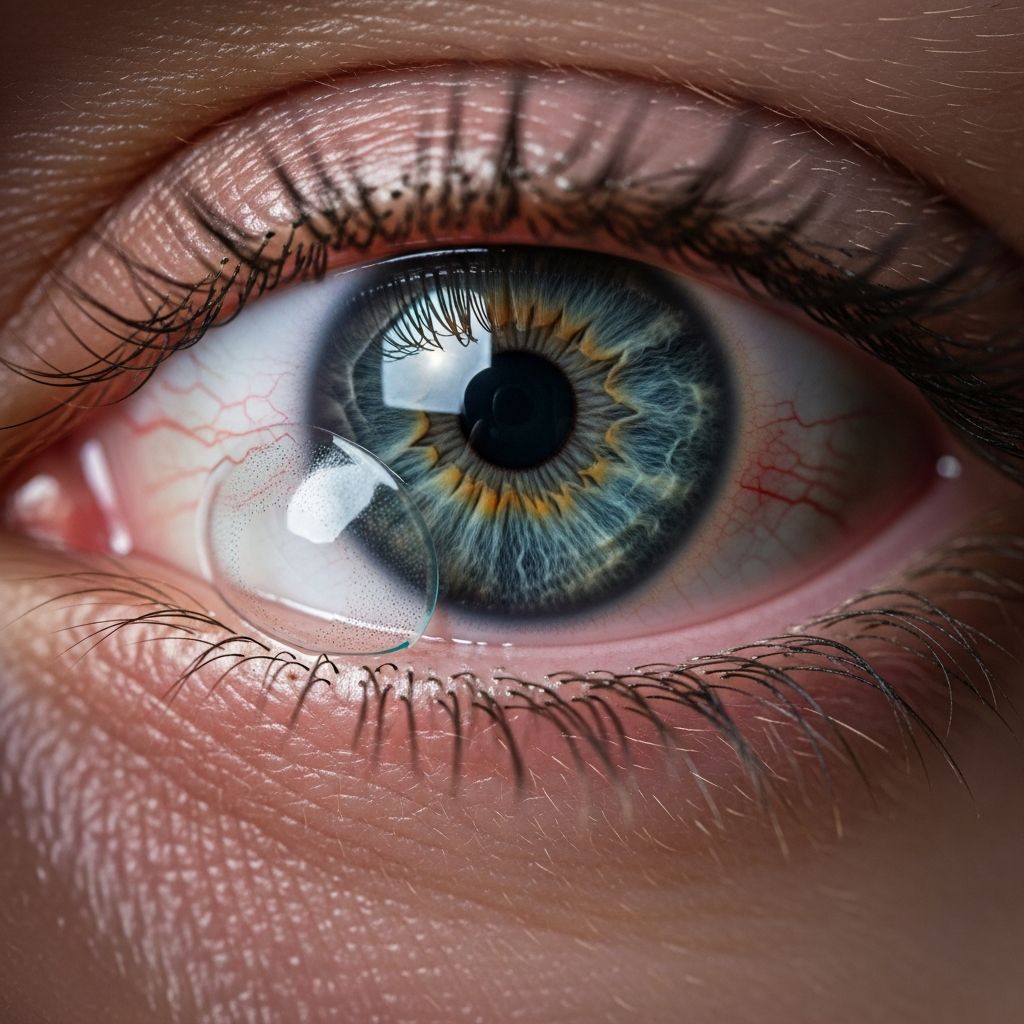
Side Effects of Sleeping in Contacts: What You Need to Know
Falling asleep while wearing contact lenses is a common occurrence among contact lens wearers, particularly those who wear contacts regularly. In fact, approximately one-third of contact lens wearers have accidentally dozed off with their contacts still in their eyes at least once or twice. However, what might seem like a minor inconvenience can actually pose significant risks to your eye health. Sleeping with contacts in dramatically increases your susceptibility to serious eye infections and other complications that could potentially threaten your vision. Understanding these risks is crucial for anyone who depends on contact lenses for vision correction.
Is It Safe to Sleep With Contact Lenses In?
No, it is not safe to sleep while wearing contact lenses. According to eye care experts and the Centers for Disease Control and Prevention (CDC), sleeping with contacts in increases your risk for corneal infections, which are infections of the clear layer protecting the colored part of your eye. The risk of developing a vision-threatening eye infection increases dramatically—by six to eight times—when you wear contact lenses overnight compared to removing them before sleep. This elevated risk applies regardless of whether you wear soft, hard, decorative, or prescription contact lenses.
Even more concerning, microbial keratitis, a form of corneal inflammation caused by infection, occurs at rates over five times higher when contact lenses are worn overnight. The CDC estimates that keratitis is responsible for approximately one million doctor visits annually, highlighting the prevalence and seriousness of this condition. These statistics demonstrate that sleeping in contacts is far more dangerous than many people realize.
Why Sleeping in Contacts Increases Infection Risk
Understanding the mechanisms behind why sleeping in contacts increases infection risk is essential for appreciating the seriousness of this practice. When you sleep with contacts in, several biological and physical factors converge to create a perfect storm for eye infections.
Oxygen Deprivation to the Cornea
The primary reason sleeping in contacts is dangerous is oxygen deprivation. Your cornea requires a specific amount of oxygen to maintain its health and function properly. When your eyes are open during the day, oxygen can pass through contact lenses and reach your cornea adequately. However, when your eyes are closed during sleep, there is insufficient air exchange to keep your cornea healthy. Contact lenses reduce the amount of oxygen reaching your cornea, and sleeping while wearing them compounds this problem significantly.
This oxygen deprivation creates a condition called corneal hypoxia, which occurs when the cornea doesn’t receive enough oxygen. The combination of sleep and contact lens wear causes what experts describe as a critical level of oxygen deprivation that triggers cascading damaging effects to the cornea. When toxins build up due to lack of oxygen, they can lead to inflammation and swelling, creating an ideal environment for painful corneal infections.
Bacterial Multiplication and Infection
During sleep, your eyes naturally produce fewer tears, reducing your tear film’s protective qualities. Contact lenses trap bacteria and microorganisms against your eye surface, and when combined with reduced tear production and oxygen deprivation, this creates a breeding ground for infections. Wearing contacts overnight gives bacteria more time to develop into a full-blown infection. Your cornea’s natural ability to protect itself from microorganisms becomes impaired when it doesn’t receive adequate oxygen, making it more vulnerable to bacterial invasion.
Specific Side Effects and Complications
Corneal Infections and Keratitis
The most serious consequence of sleeping in contacts is the dramatically increased risk of corneal infections. Keratitis, a painful corneal infection, is one of the most common complications resulting from sleeping in contact lenses. This condition causes significant discomfort and can lead to serious vision impairment if not treated promptly and appropriately. The inflammation and infection can damage the corneal tissue, potentially causing permanent vision loss in severe cases.
Related Stories



Corneal Ulcers
Sleeping in contacts can heighten your risk for corneal ulcers, which are open sores that form on the cornea. These painful conditions can cause significant vision impairment or even permanent vision loss if not treated quickly and appropriately. Corneal ulcers may require aggressive medical intervention and can potentially lead to the need for corneal transplants in severe cases.
Acanthamoeba Keratitis
One particularly serious infection that can develop from sleeping in contacts is Acanthamoeba keratitis. This is a parasitic infection that can be especially difficult to treat and may result in severe corneal damage and vision loss. This type of infection emphasizes why even occasional overnight contact lens wear should be avoided.
Corneal Scarring and Permanent Damage
Chronic hypoxia from regularly sleeping in contacts can cause permanent structural damage to your cornea. One particularly troubling consequence is the growth of new blood vessels into the normally clear cornea, a condition called neovascularization. This can permanently impair vision by clouding the cornea, which should remain crystal clear for optimal vision. Additionally, scars can form on the cornea, further compromising visual clarity. Some patients who repeatedly sleep in their lenses develop chronic corneal edema or endothelial cell damage that reduces the cornea’s ability to maintain its clarity and proper hydration. These changes can permanently compromise your ability to wear contact lenses in the future and may affect your candidacy for vision correction procedures like LASIK.
Dry Eye Complications
Sleeping in contact lenses can significantly worsen dry eye symptoms and contribute to chronic dryness. Contact lenses absorb moisture from your tear film to stay hydrated, and sleeping naturally reduces tear production to minimal levels. This combination dehydrates both the lens and the corneal surface, leading to increased friction, discomfort, and an elevated risk of corneal damage when you wake. Over time, chronic dryness from repeatedly sleeping in lenses can disrupt the health of the tear film and the corneal surface, making it more difficult to wear lenses comfortably even during the day.
Corneal Swelling and Irritation
When you deprive your cornea of oxygen, it may swell, which can cause irritation, blurred vision, or infection. When you remove contacts after sleeping in them, you may also experience the lenses feeling dried out and sticky, and they may be hard to remove. If lenses become stuck to your eye, removing them could peel off a layer from your cornea, causing additional damage and pain.
Does Lens Type Matter?
Many people assume that extended-wear contacts approved by the Food and Drug Administration (FDA) for overnight wear are completely safe for sleeping. However, eye care professionals recommend caution even with these specially designed lenses. While soft contact lenses, which are worn by approximately nine in ten contact lens wearers, are designed to be more flexible and allow more oxygen to reach the cornea than hard lenses, there is still a significant fivefold risk of infection if you wear any type of contact lenses while you sleep.
The CDC advises against sleeping in contact lenses even if they are approved for extended wear, because sleeping in your contact lenses still makes you six to eight times more likely to get an eye infection. Eye care professionals caution that there is no guarantee that extended-wear contacts will work safely for everyone’s eyes, and most recommend removing all contacts before sleep as a precautionary measure.
What About Occasional or Accidental Overnight Wear?
Many people wonder if occasional or unintentional overnight wear of contacts poses significant risk. Unfortunately, the answer is yes. Research shows that even sporadic overnight wear still confers elevated infection risk compared to never sleeping in your lenses. Each time you sleep in your contacts, you expose your corneas to oxygen deprivation and create an opportunity for bacteria to multiply and cause infection. There is no safe frequency for occasional overnight wear with lenses not designed for extended use.
Even napping with contacts in can lead to eye infections, lens displacement, and dry eyes. This means that brief unintentional sleep periods while wearing contacts should still be taken seriously, and you should monitor your eyes for any signs of complications afterward.
What to Do If You Accidentally Fall Asleep in Your Contacts
If you accidentally fall asleep wearing your contacts, follow these steps to minimize potential damage:
- Remove your contacts as soon as you wake up and realize you’re still wearing them
- Take a break from wearing contacts for an entire day if possible to allow your eyes to recover
- Avoid touching or rubbing your eyes aggressively when removing the lenses
- Pay close attention to any symptoms of infection such as redness, excessive watering, or discharge from your eye
- Monitor your vision for any changes or blurriness
- Contact your eye doctor or healthcare provider immediately if you notice any concerning symptoms or changes in your eyesight
It’s important to remember that while accidental overnight wear happens to many contact lens wearers, you should not panic. Simply follow these steps and monitor your eyes carefully for the next few days.
Contact Lens Hygiene and Prevention
To protect yourself from the risks associated with sleeping in contacts, practice excellent contact lens hygiene and follow these preventive measures:
- Always remove your contacts before sleeping, even if you’re just taking a short nap
- Clean your contact lens case with fresh solution daily, never with water or saliva
- Replace your contact lens case every three months
- Always use fresh contact lens solution—never reuse old solution
- Wash your hands thoroughly before inserting or removing contacts
- If you frequently fall asleep in your lenses accidentally, consider switching to daily disposable lenses, which eliminate the need for storage and cleaning
- Set reminders on your phone to remove your contacts before bed
- Establish a bedtime routine that includes removing your contacts
- Consider using an alarm or timer as a backup reminder
Frequently Asked Questions
Q: How much more likely am I to get an eye infection if I sleep in contacts?
A: Sleeping in contact lenses increases your risk of developing a vision-threatening eye infection by six to eight times compared to removing lenses before sleep. Some sources cite infection risk increases of up to 800%.
Q: Can I wear extended-wear contacts safely overnight?
A: While extended-wear contacts are FDA-approved for overnight use, eye care professionals still recommend removing all contacts before sleep. There is still a significant risk of infection, and these lenses are not recommended for everyone’s eyes.
Q: What should I do immediately after waking up with contacts still in?
A: Remove your contacts immediately, take a break from wearing them for a full day, and monitor your eyes for any signs of infection such as redness, discharge, or changes in vision. Contact your eye doctor if you notice any concerning symptoms.
Q: Is occasional sleeping in contacts safer than regular overnight wear?
A: No. Research shows that even occasional or unintentional overnight wear significantly increases infection risk compared to never sleeping in your lenses. There is no truly safe frequency for overnight contact lens wear.
Q: Can permanent vision loss result from sleeping in contacts?
A: Yes. Serious corneal infections, scarring, and ulcers can lead to permanent vision loss that may require corneal transplants to restore sight in severe cases. This underscores the importance of never sleeping in contacts.
Q: How can I prevent accidentally falling asleep in my contacts?
A: Set phone reminders to remove contacts before bed, establish a bedtime routine that includes contact removal, consider daily disposable lenses, and be mindful about removing contacts before napping.
The Bottom Line
Sleeping in contact lenses is not worth the risk to your eye health and vision. The evidence is clear and consistent: wearing contacts overnight dramatically increases your risk of serious eye infections, corneal damage, and potential vision loss. While it may seem convenient to fall asleep without removing your lenses, the potential consequences—including permanent corneal scarring, decreased ability to wear contacts in the future, and even blindness in severe cases—make this practice genuinely dangerous.
Your eyes are irreplaceable, and maintaining their health should be a priority. By taking a few extra minutes each night to remove your contacts and practice good lens hygiene, you can protect your vision and enjoy clear, comfortable sight for years to come. If you do accidentally fall asleep wearing your contacts, remember to stay calm, remove them promptly, take a break from wearing them, and monitor your eyes carefully for any signs of infection or complications.
References
- Why You Shouldn’t Sleep With Contacts In — Sleep Foundation. https://www.sleepfoundation.org/physical-health/sleeping-with-contacts-in
- Sleeping in Contact Lenses: Risks, Symptoms, and Complications — Penn Del Refocus Eye Doctors. https://penndel.refocuseyedoctors.com/article/sleeping-in-contact-lenses-risks-symptoms-and-complications/
- Sleeping with Contacts In: Just How Bad Is It for Your Eyes? — Healthline. https://www.healthline.com/health/eye-health/sleeping-with-contacts
- Can You Sleep With Contacts In? — Cleveland Clinic Health Essentials. https://health.clevelandclinic.org/can-you-sleep-with-contacts-in
- The Dangers of Sleeping with Your Contact Lenses In — Banner Health. https://www.bannerhealth.com/healthcareblog/teach-me/dangers-of-sleeping-in-contacts
- What Happens If You Sleep in Your Contact Lenses? — Griffin Optometric. https://griffinoptometric.com/what-happens-if-you-sleep-in-your-contact-lenses/
- What to Do if You Accidentally Sleep With Contact Lenses — America’s Best. https://www.americasbest.com/blog/article/vision-concerns-and-correction/i-slept-my-contacts-now-what
Similar Articles








Read full bio of medha deb