Sleepless Nights? Try Stress Relief Techniques
Master stress relief techniques to break the cycle of anxiety and insomnia.
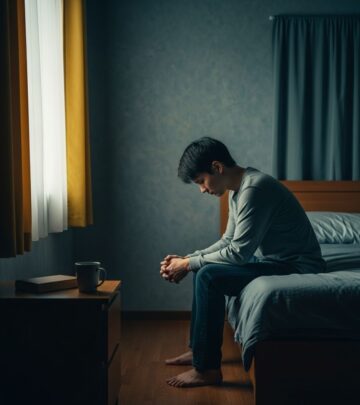
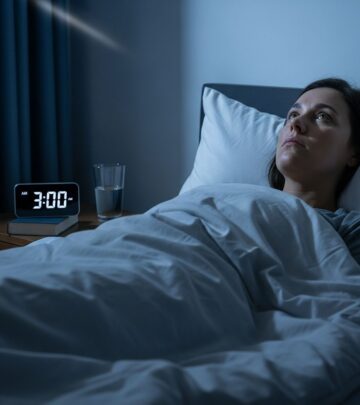
In a recent national survey, 44 percent of adults reported that stress had caused sleepless nights at least once in the previous month. The constant tossing and turning, staring at the ceiling during long hours of darkness, can leave you feeling exhausted and overwhelmed the next day. If you find yourself caught in this vicious cycle where anxiety prevents sleep and poor sleep increases anxiety, there is encouraging news: simple, evidence-based stress relief techniques can help you sleep better and feel significantly calmer.
Understanding the Connection Between Anxiety and Insomnia
The relationship between stress and sleepless nights is deeply interconnected. According to Johns Hopkins sleep experts, when you frequently trigger your stress response, your body never gets back to its baseline state of rest and recovery. This constant activation of the stress system creates a physiological environment that makes quality sleep nearly impossible.
Luis F. Buenaver, Ph.D., C.B.S.M., a sleep expert at Johns Hopkins, explains: “Stress and sleepless nights are closely linked. If you’re in pain, tend to worry, or are coping with a difficult situation in your life, you may have more stress hormones than usual circulating in your body. A poor night’s sleep adds even more. And those hormones may never be fully broken down. It’s like running an engine in fifth gear all the time.”
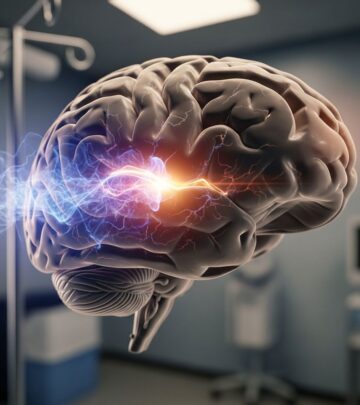
When stress accumulates, your body produces elevated levels of cortisol and adrenaline—hormones designed to prepare you for fight or flight. At night, when you should be entering a state of rest, these hormones keep your mind alert and your body tense. The resulting poor sleep quality then generates additional stress, creating a self-perpetuating cycle that becomes increasingly difficult to escape without intervention.
How Stress Affects Your Body and Sleep
Understanding the physiological mechanisms behind stress-induced insomnia can help you appreciate why stress relief techniques are so effective. When you experience stress or anxiety, your sympathetic nervous system activates, increasing heart rate, blood pressure, and muscle tension. This state is designed for short-term survival threats, but when activated continuously, it prevents the parasympathetic nervous system—responsible for rest and relaxation—from functioning properly.
During sleep, your body should naturally shift into parasympathetic mode, where heart rate slows, muscles relax, and your mind can process and consolidate memories. Chronic stress disrupts this natural transition, keeping your body in a heightened state of alertness even as you attempt to rest.
The Science Behind Stress Relief Techniques
Activities that activate your body’s natural relaxation response have been extensively researched and proven to improve sleep quality. These techniques work through several mechanisms: they reduce the release of stress hormones cortisol and adrenaline, slow your heart rate and breathing, and calm both your body and mind. As Buenaver notes, “Activities that switch on the body’s natural relaxation response feel great. And they have been proven by research to improve sleep.”
Related Stories



The key to these techniques is their ability to activate the parasympathetic nervous system, essentially putting your body into a state compatible with sleep. By practicing these methods regularly, you can train your nervous system to recover more quickly from stress and maintain better baseline relaxation.
Effective Stress Relief Techniques for Better Sleep
Yoga, Tai Chi, and Meditation
Traditional mind-body practices like yoga, tai chi, and meditation are among the most effective stress relief techniques available. These practices combine physical movement, breathing awareness, and mental focus to activate relaxation responses throughout your body. Yoga, in particular, combines stretching with controlled breathing and mindfulness, making it excellent for reducing both physical tension and mental anxiety.
Tai chi, often described as meditation in motion, uses slow, flowing movements to calm the mind while gently exercising the body. Meditation, whether guided or self-directed, teaches your mind to focus on the present moment rather than worry about future concerns or past events. All three practices can be performed at home with minimal equipment, making them accessible options for most people.
Gentle Breathing Exercise
One of the simplest yet most powerful stress relief techniques is gentle, focused breathing. This exercise requires no special equipment and can be performed anywhere:
- Find a quiet place where you can sit or lie down in a comfortable position. Closing your eyes can help minimize distractions and deepen the relaxation response.
- Breathe slowly and deliberately in and out for approximately five minutes. Focus on directing your breath deep into your belly rather than shallow chest breathing. This diaphragmatic breathing activates the parasympathetic nervous system more effectively than chest breathing.
- If you find it helpful, repeat a calming affirmation such as, “Breathing in I am calm, breathing out I am coping.” This combines the physiological benefits of controlled breathing with positive mental focus.
The beauty of this technique is its simplicity and immediate effectiveness. Even five minutes of focused breathing can noticeably lower your heart rate and blood pressure, preparing your body for sleep.
Progressive Muscle Relaxation
Progressive muscle relaxation is a technique specifically designed to release physical tension, which often accompanies and perpetuates anxiety and insomnia. This systematic approach involves tensing and relaxing different muscle groups throughout your body:
- Begin in a quiet place, sitting or lying in a comfortable position where you won’t be disturbed.
- Take several gentle breaths to center yourself.
- Systematically work through different muscle groups, starting with your head, neck, and face. For each group, inhale while tensing the muscles firmly, then exhale while completely releasing the tension.
- Gradually move down your body through your shoulders, hands, arms, back, stomach, buttocks, thighs, calves, and feet. Pause between each muscle group to notice and appreciate the sensation of relaxation.
- Take a few breaths to enjoy the relaxation in each area before moving to the next group.
- After completing the entire body, repeat the exercise for any areas where tension remains or resurfaces.
Buenaver recommends: “As you go through this exercise, feel the presence and absence of tension so you can spot lingering tension and do something about it.” This awareness helps you develop better body consciousness and can help you catch and release tension during the day before it accumulates into nighttime anxiety.
Additional Sleep and Stress Management Strategies
Establish a Relaxing Bedtime Routine
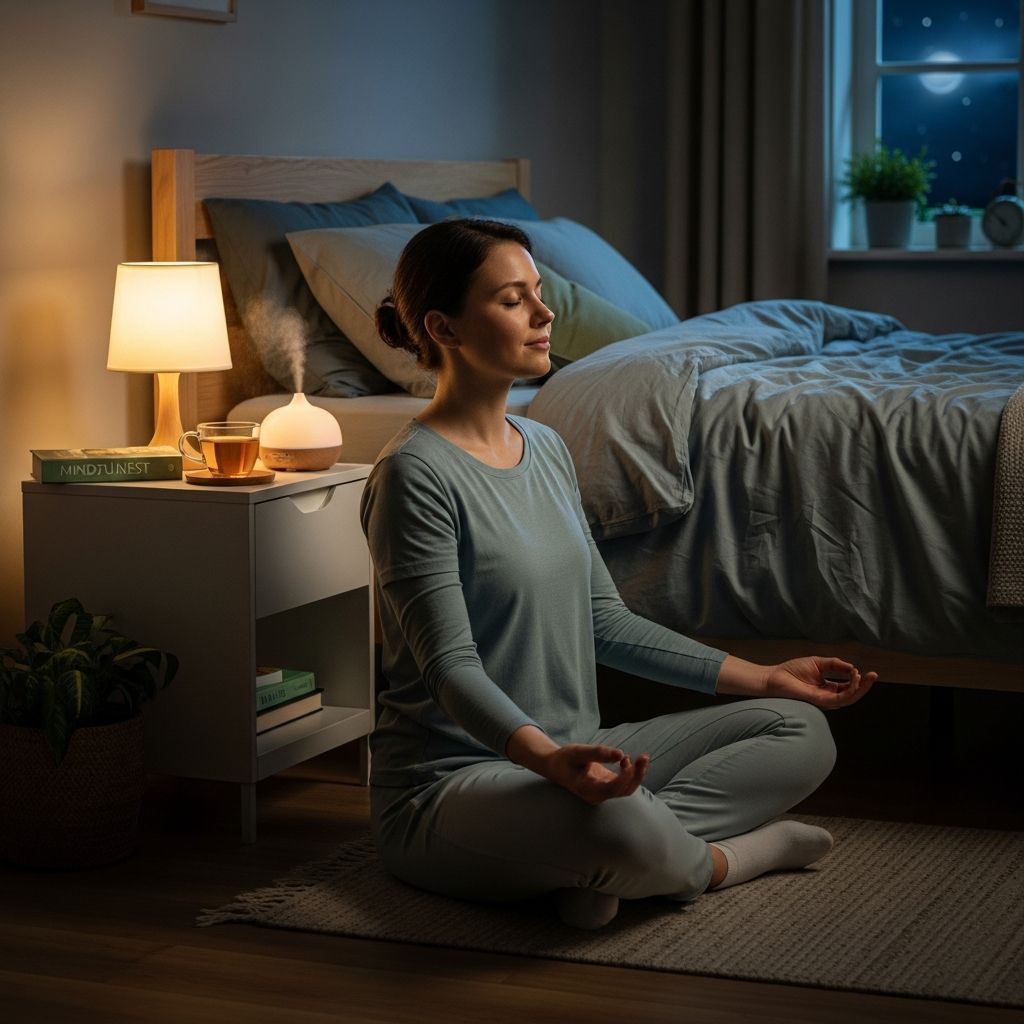
Creating a wind-down period before sleep is essential for transitioning from the demands of your day into a restful state. Consider incorporating activities such as drinking soothing herbal tea or warm milk, practicing aromatherapy with calming scents like lavender, meditating, or engaging in prayer or spiritual practices. The key is choosing activities that genuinely help you transition toward relaxation and away from the stresses of the day.
Address Worries and Mental Clutter
If something is troubling you and occupying your thoughts, explicitly tell yourself that you will address it tomorrow. Writing down concerns on paper can be particularly effective, as it externalizes worries and convinces your brain that the concerns are captured and don’t need to be held in your mind. This technique essentially gives your anxious mind permission to rest.
Maintain Consistent Sleep Schedule
Regular sleep hours help regulate your body’s internal clock. Going to bed and waking up at approximately the same time each day, even on weekends, helps your body develop a predictable rhythm that promotes better sleep quality and easier sleep onset.
Optimize Your Sleep Environment
Your bedroom should be a sanctuary specifically designed for sleep. Ensure your bedroom is comfortable, quiet, and dark. Your mattress should provide adequate support for your body, preventing pain or discomfort that could interfere with sleep. Temperature is also important—a slightly cool room generally promotes better sleep than a warm one.
Exercise Regularly
Regular physical exercise is one of the most effective stress management tools available. Exercise burns off excess stress hormones and promotes better sleep quality. The ideal time for exercise is late afternoon or early evening, giving your body time to wind down before sleep. Even everyday activities like brisk walking, housecleaning, or yard work can significantly reduce stress levels.
Reduce Caffeine and Avoid Stimulants
Caffeine can remain in your system for hours and interfere with sleep onset and quality. Cutting back on caffeine, particularly in the evening, is essential for better sleep. Similarly, nicotine is a stimulant that makes sleep more difficult; smokers are statistically more likely to experience disturbed sleep than non-smokers.
Use Strategic Wakefulness
If you find yourself unable to sleep after lying in bed for an extended period, get up and engage in something relaxing, such as reading, rather than remaining in bed feeling frustrated. This prevents your brain from associating your bed with wakefulness and anxiety. Return to bed only when you feel genuinely sleepy.
Why Sleep Quality Matters for Your Overall Health
Beyond simply feeling more rested, quality sleep is essential for your long-term health. Good sleep helps repair damaged heart and blood vessels and supports immune function. Without sufficient sleep, you face increased risk for serious health conditions including heart disease, kidney disease, high blood pressure, diabetes, and strokes. This makes addressing sleep problems a matter of genuine health importance, not merely comfort.
Getting Started With Stress Relief Techniques
The best approach is to try one or two techniques and practice them until you find the methods that work best for you. Different techniques resonate with different people, so experimentation is important. Once you identify effective techniques, practice them regularly until they become automatic habits you naturally turn to when stress arises.
The key principle is consistency. These techniques work best when practiced regularly, not just when desperation strikes. By making stress relief a regular part of your routine, you can prevent the accumulation of stress that triggers sleepless nights in the first place.
Frequently Asked Questions About Stress and Sleep
Q: How long does it take for stress relief techniques to improve sleep?
A: Many people notice improvement within the first few sessions, though maximum benefits typically develop over several weeks of consistent practice. Your nervous system learns to respond to these cues with relaxation, and this learning takes time to establish.
Q: Can I use these techniques if I have chronic pain alongside my insomnia?
A: Yes, these techniques can be particularly helpful. Progressive muscle relaxation and gentle breathing can help manage pain perception while promoting sleep. However, consult with your healthcare provider about pain management strategies tailored to your specific condition.
Q: Is it better to practice these techniques before bed or at other times during the day?
A: Practicing during the day helps reduce overall stress accumulation, while practicing shortly before bed directly prepares your body for sleep. Ideally, incorporate both approaches into your routine.
Q: What should I do if I still cannot sleep after using these techniques?
A: If stress-related insomnia persists despite consistent practice of these techniques, consult a healthcare provider or sleep specialist. Persistent insomnia may indicate a sleep disorder requiring professional evaluation and targeted treatment.
Q: Can I combine multiple stress relief techniques?
A: Absolutely. Many people find combining techniques most effective, such as practicing yoga followed by progressive muscle relaxation, or meditation followed by gentle breathing exercises.
References
- Sleepless Nights? Try Stress Relief Techniques — Johns Hopkins Medicine. 2024. https://www.hopkinsmedicine.org/health/wellness-and-prevention/sleepless-nights-try-stress-relief-techniques
- How to Sleep Better — Johns Hopkins Aramco Healthcare. 2024. https://www.jhah.com/en/news-events/news-articles/how-to-sleep-better/
- To Manage Stress, Relax Your Mind and Body — Johns Hopkins University Hub. 2021. https://hub.jhu.edu/at-work/2021/04/16/relax-your-mind-and-body/
Similar Articles








Read full bio of Sneha Tete