Slipped Capital Femoral Epiphysis: Causes, Symptoms & Treatment
Understanding SCFE: Causes, symptoms, diagnosis, and treatment options for adolescents.
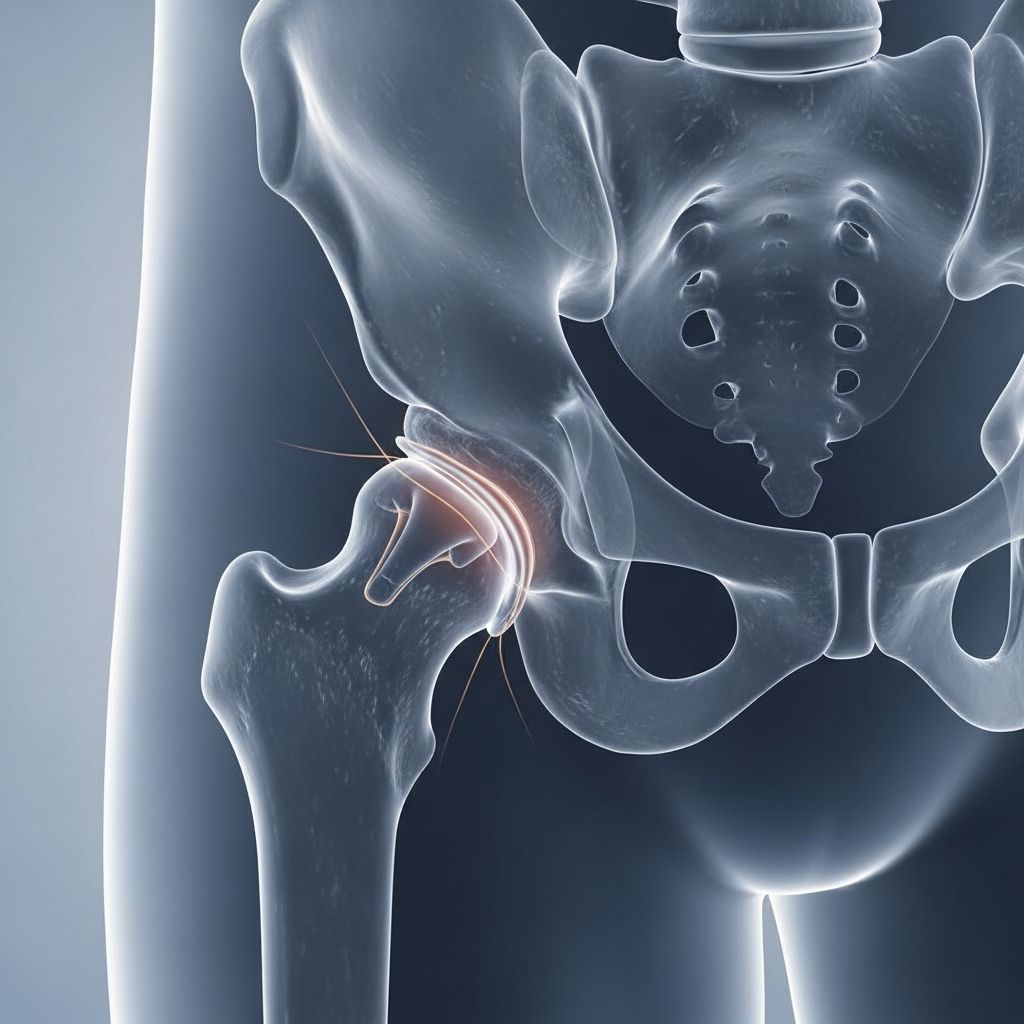
What Is Slipped Capital Femoral Epiphysis?
Slipped capital femoral epiphysis (SCFE) is a hip disorder that primarily affects adolescents. In SCFE, the head of the femur (the “ball” of the hip joint) slips off the neck of the thigh bone, much like a scoop of ice cream sliding off the top of a cone. This condition can cause pain, stiffness, and limited movement in the hip joint, and if left untreated, it can lead to long-term complications such as arthritis or hip deformity.
Causes of Slipped Capital Femoral Epiphysis
The exact cause of SCFE is not fully understood, but several risk factors have been identified. The condition is most commonly seen during periods of rapid growth, especially after the onset of puberty. In some cases, SCFE may occur suddenly after an injury, such as a fall, but it more often develops gradually over time.
Common Risk Factors
- Obesity
- Medications (such as steroids)
- Thyroid disorders
- Radiation therapy
- Bone problems related to kidney disease
- Family history of SCFE
- Being male (boys are more commonly affected than girls)
- Being African American
- Age between 8 and 15 years
Symptoms of Slipped Capital Femoral Epiphysis
SCFE can present with a range of symptoms, which may vary in severity. Early detection is crucial for preventing further complications. Common symptoms include:
- Walking with a limp
- Pain in the hip that worsens with activity
- Pain in the groin or knee (sometimes the only symptom in early stages)
- Stiffness or decreased range of motion in the hip
- Walking with the leg turned outward
- Severe pain that prevents weight-bearing on the affected leg
Diagnosis of Slipped Capital Femoral Epiphysis
Diagnosing SCFE typically involves a combination of physical examination and imaging studies. A healthcare provider will assess the hip joint, check for pain and stiffness, and observe the child’s gait. Imaging tests are essential for confirming the diagnosis:
Diagnostic Tests
- Physical Exam: The provider will move the hip in different directions to assess pain and range of motion.
- X-rays: These are the primary imaging tool used to visualize the position of the femoral head and confirm the slip.
- MRI: In some cases, an MRI may be ordered to get a more detailed view of the hip joint, especially if the X-ray is inconclusive.
Classification of SCFE
SCFE is classified based on the severity and stability of the slip:
Stable vs. Unstable SCFE
- Stable SCFE: The child can still walk, either with or without crutches. The slip is less severe and has a lower risk of complications.
- Unstable SCFE: The child cannot bear weight on the affected leg. This type is more severe and carries a higher risk of complications, such as avascular necrosis (loss of blood supply to the femoral head).
Treatment of Slipped Capital Femoral Epiphysis
Treatment for SCFE is considered urgent to prevent further slippage and complications. The primary goal is to stabilize the femoral head and prevent additional damage to the hip joint.
Related Stories



Surgical Treatment
Surgery is the standard treatment for SCFE. The most common procedure involves placing a metal screw through the femoral neck into the femoral head to stabilize the bone. This prevents further slippage and allows the growth plate to close naturally.
Types of Surgical Techniques
- Screw Fixation: A single screw is inserted to hold the femoral head in place.
- Deformity Correction: In some cases, the surgeon may also correct the deformity during the procedure.
- Open Reduction: For severe slips, the femoral head may be repositioned before screw fixation.
Post-Surgical Care
After surgery, the child will typically be on crutches for 6 to 8 weeks to avoid putting weight on the affected leg. Physical therapy is often recommended to help rebuild strength and flexibility in the hip and leg muscles.
Complications and Long-Term Outcomes
With early diagnosis and proper treatment, most children with SCFE recover well and have few long-term problems. However, untreated or severe cases can lead to complications such as:
- Limited hip motion
- Differences in leg length
- Osteoarthritis
- Need for hip replacement surgery in adulthood
Prevention and Management
While SCFE cannot always be prevented, managing risk factors such as obesity and monitoring for symptoms during periods of rapid growth can help reduce the likelihood of developing the condition. Early detection and prompt treatment are key to minimizing complications.
Frequently Asked Questions (FAQs)
Q: What age group is most affected by SCFE?
A: SCFE most commonly affects children between the ages of 8 and 15, especially during periods of rapid growth after the onset of puberty.
Q: Can SCFE heal without surgery?
A: In rare cases, a mild slip may stabilize on its own, but surgery is almost always required to prevent further slippage and complications.
Q: What are the long-term effects of SCFE?
A: With proper treatment, most children recover well. However, untreated or severe cases can lead to limited hip motion, differences in leg length, and osteoarthritis.
Q: How is SCFE diagnosed?
A: SCFE is diagnosed through a physical exam and imaging studies, such as X-rays or MRI.
Q: What is the recovery time after SCFE surgery?
A: Recovery typically takes 6 to 8 weeks, during which the child will use crutches and may undergo physical therapy.
References
- Slipped Capital Femoral Epiphysis — Children’s Hospital of Philadelphia. 2023. https://www.chop.edu/conditions-diseases/slipped-capital-femoral-epiphysis
- Slipped Capital Femoral Epiphysis (SCFE) — St. Louis Children’s Hospital. 2023. https://www.stlouischildrens.org/conditions-treatments/slipped-capital-femoral-epiphysis-scfe
- Slipped Capital Femoral Epiphysis (SCFE) — Cleveland Clinic. 2023. https://my.clevelandclinic.org/health/diseases/17485-slipped-capital-femoral-epiphysis-scfe
Similar Articles








Read full bio of Sneha Tete