Small Intestine: Anatomy, Function & Digestion
Understanding the small intestine's critical role in nutrient absorption and digestive health.
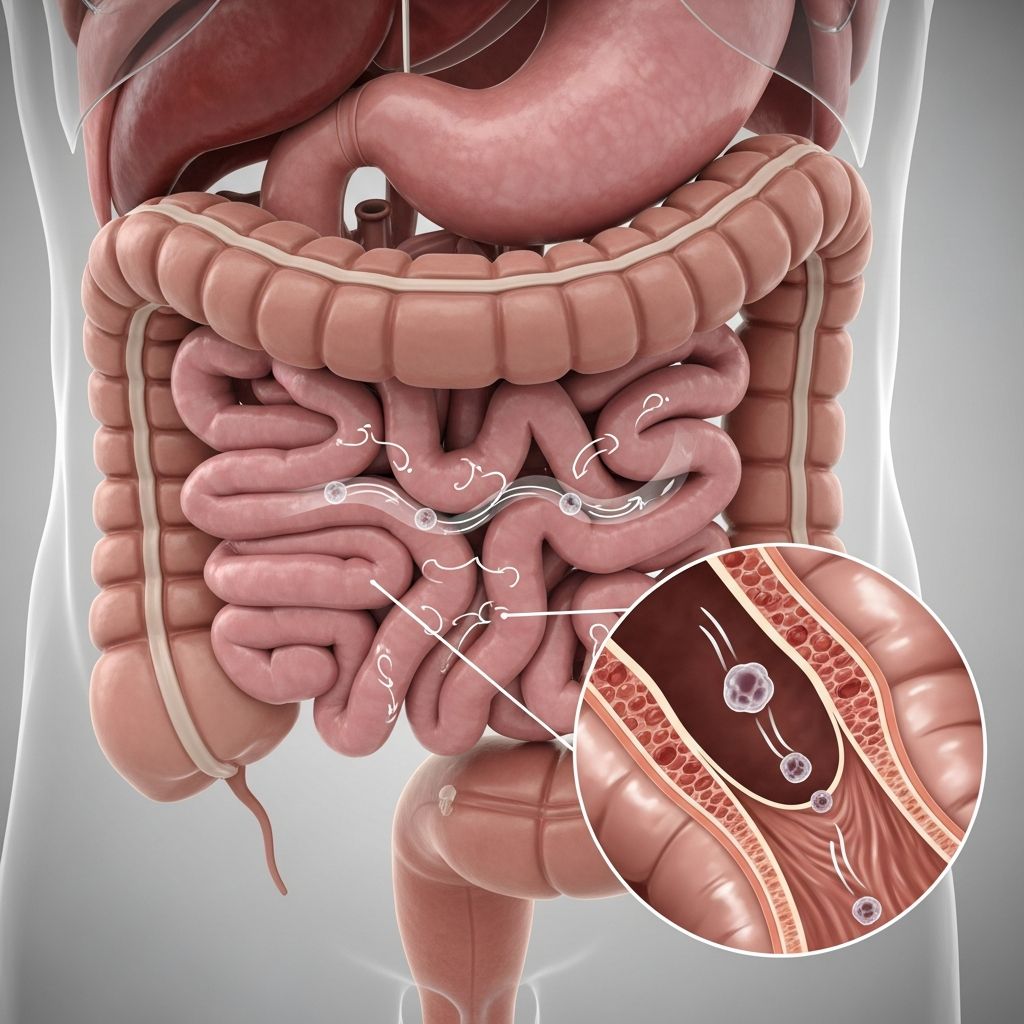
Understanding the Small Intestine: The Body’s Nutrient Processing Center
The small intestine is one of the most important yet often misunderstood organs in the human body. Despite its name suggesting a small structure, the small intestine is actually the longest part of the gastrointestinal (GI) tract, measuring between 20 to 25 feet (6 to 7.6 meters) in adults. This remarkable organ plays a central role in digestion and nutrient absorption, working in coordination with other digestive organs to transform the food you consume into usable energy and essential nutrients your body requires to function.
The small intestine represents a marvel of biological engineering, with specialized structures designed to maximize nutrient absorption. From its unique architecture to its sophisticated chemical processes, understanding how the small intestine works provides insight into how your body maintains health and vitality. This article explores the anatomy, function, and important aspects of this vital digestive organ.
Anatomy and Structure of the Small Intestine
Physical Characteristics
The small intestine is a long, winding tube that connects the stomach on one end and the large intestine on the other. Despite its impressive length, the small intestine is remarkably narrow, measuring only about as wide as a middle finger—approximately 1 inch (2.5 centimeters) in diameter. This slender construction allows the small intestine to coil and fold within the abdominal cavity, fitting efficiently into the central and lower regions of the abdomen.
The mesentery, a thin membranous material, supports and somewhat suspends the intestines throughout the abdominal cavity. This supporting structure contains areas of fat that help retain heat in the organs and houses an extensive web of blood vessels, lymph tissue, and nerves that are essential for nutrient transport and digestive regulation.
The Three Regions of the Small Intestine
The small intestine is divided into three distinct regions, each with specialized functions and characteristics:
The Duodenum
The duodenum is the first and shortest section of the small intestine, measuring only 23 to 28 centimeters (9 to 11 inches) long. Food enters the duodenum from the stomach through the pyloric sphincter, arriving as a semisolid sludge of partially digested food known as chyme. This section has the widest diameter of the three regions and is not supported by the mesentery.
The duodenum is where crucial chemical digestion occurs. Ducts from the liver, gallbladder, and pancreas enter the duodenum to deliver bile and digestive enzymes that neutralize stomach acids and help break down proteins, carbohydrates, and fats. Brunner glands in the duodenum’s submucosa secrete protective mucus that shields the intestinal walls from acidic gastric juices, maintaining the delicate environment needed for digestion.
The Jejunum
The jejunum comprises approximately two-fifths of the small intestine’s remaining length after the duodenum. Located in the central section of the abdomen, the jejunum is characterized by its deep red color, which results from its extensive blood supply. This region exhibits rapid and vigorous peristaltic movements and contains relatively little fat in its supporting mesentery.
Related Stories



The primary function of the jejunum is nutrient absorption. Its specialized lining and blood supply make it highly efficient at transferring absorbed nutrients into the bloodstream for distribution throughout the body.
The Ileum
The ileum is the final section of the small intestine, located in the lower abdomen. This region has narrower and thinner walls compared to the jejunum, with a more limited blood supply and slower peristaltic movements. The mesentery supporting the ileum contains more fatty tissue than in the jejunum. Like the jejunum, the ileum’s primary function is nutrient absorption, completing the process begun in the previous section.
Specialized Structures for Nutrient Absorption
Surface Area Enhancement
One of the small intestine’s most ingenious features is its ability to maximize surface area for nutrient absorption. The mucous membrane lining the intestinal wall is thrown into transverse folds called plicae circulares, which significantly increase the absorbing surface. If the small intestine were simply a smooth tube, it would have a minimal surface area for absorption. Instead, these folds, combined with other microscopic structures, create an enormous absorbing surface of approximately 2,700 square feet (250 square meters)—roughly equivalent to a tennis court.
Villi and Microvilli
The most critical structures for nutrient absorption are villi and microvilli. Villi are tiny, finger-like projections that extend into the intestinal cavity from the mucous membrane. Each villus is covered with a layer of even smaller, hair-like structures called microvilli, which further increase the surface area available for nutrient absorption.
These microscopic structures are lined with specialized cells that selectively absorb different nutrients. The extensive surface created by villi and microvilli allows the small intestine to absorb water, vitamins, minerals, proteins, carbohydrates, and fats with remarkable efficiency. This is why damage to these structures can lead to malabsorption problems and nutritional deficiencies.
How the Small Intestine Works: The Digestive Process
Controlled Food Movement
The pyloric sphincter, a band of smooth muscle separating the stomach from the small intestine, controls the flow of partially digested food into the duodenum. This sphincter acts as a valve, opening to allow small amounts of chyme to pass through at the right time and in the right amount, ensuring digestion happens in a slow and controlled manner. The sphincter prevents the small intestine from being flooded with too much food at once, allowing each section to process and absorb nutrients effectively.
Mechanical and Chemical Digestion
Once food enters the small intestine, two types of movement work together to break it down further. Peristaltic waves—coordinated muscular contractions—move materials undergoing digestion through the small intestine. Simultaneously, churning movements called rhythmic segmentation mechanically break up the digested material, mix it thoroughly with digestive enzymes from the pancreas, liver, and intestinal wall, and bring it in contact with the absorbing surface.
Hormone Regulation
The small intestine regulates its own digestive processes through hormone production. Cholecystokinin (CCK) is a hormone produced in the small intestine that plays a fundamental role in digestion. When fats and proteins enter the small intestine, CCK triggers the gallbladder and pancreas to contract, delivering bile and enzymes to the duodenum to help break down food for absorption.
Nerve Control
Nerves from two divisions of the autonomic nervous system regulate small intestine function. Parasympathetic nerves initiate muscular contractions that move food along the tract through peristalsis, while sympathetic nerves suppress intestinal movements when necessary. This involuntary control system ensures optimal digestion without requiring conscious effort on your part.
Nutrient Absorption: The Small Intestine’s Primary Function
The small intestine’s primary responsibility is absorbing nutrients that your body needs to survive and thrive. By the time partially digested food reaches the ileum (the final section of the small intestine), more than 95 percent of the nutrients your body requires—including vitamins, minerals, proteins, and carbohydrates—have been absorbed into the bloodstream. This exceptional absorption efficiency demonstrates why the small intestine is sometimes called the body’s nutritional gateway.
The remaining material, which is mostly water, electrolytes, and indigestible fiber, moves on to the large intestine for further processing and eventual elimination. The small intestine’s remarkable ability to extract nutrition from food is what makes it essential for maintaining health, energy, and proper bodily function.
Key Anatomical Features and Their Functions
| Feature | Location | Primary Function |
|---|---|---|
| Plicae Circulares | Throughout small intestine | Increase surface area for absorption |
| Villi | Mucous membrane lining | Further increase absorbing surface |
| Microvilli | Surface of villi | Maximize nutrient absorption |
| Brunner Glands | Duodenum submucosa | Protect intestinal walls from acid |
| Lieberkühn Glands | Mucous membrane | Secrete digestive enzymes |
| Mesentery | Abdominal cavity | Support and suspend intestines |
Connection to Other Digestive Organs
The small intestine does not function in isolation but works as part of an integrated digestive system. The stomach breaks down food initially before passing it to the small intestine. The liver produces bile, the gallbladder stores and concentrates bile, and the pancreas produces digestive enzymes—all three organs deliver their secretions to the duodenum to assist in digestion. This coordinated effort ensures that food is properly processed and nutrients are effectively extracted and absorbed.
Frequently Asked Questions About the Small Intestine
Q: How long does food stay in the small intestine?
A: Food typically spends 3 to 5 hours in the small intestine, though this can vary depending on the composition of the meal and individual digestive factors. The pyloric sphincter controls the rate at which food enters from the stomach, and various hormones and nerves regulate movement through the intestine.
Q: What happens if the small intestine is damaged?
A: Damage to the small intestine can impair nutrient absorption, leading to malabsorption syndrome. This can result in nutritional deficiencies, weight loss, and digestive problems. Conditions like celiac disease, Crohn’s disease, and irritable bowel syndrome can all affect small intestine function.
Q: Why is the small intestine called “small” if it is so long?
A: The small intestine is called “small” because of its narrow diameter (about 1 inch), not its length. It is small in width but large in length compared to the large intestine, which has a larger diameter but is much shorter.
Q: Can the small intestine absorb all types of nutrients?
A: The small intestine is designed to absorb most nutrients including water, vitamins, minerals, proteins, carbohydrates, and fats. However, the efficiency of absorption depends on the nutrient type, the health of the intestinal lining, and various physiological factors.
Q: What role does bacteria play in the small intestine?
A: While the small intestine has fewer bacteria than the large intestine, the bacteria present help with final nutrient absorption and contribute to digestive health. A balanced microbiome in the small intestine supports optimal digestive function.
Supporting Small Intestine Health
Maintaining small intestine health is crucial for overall wellness and proper nutrition. A balanced diet rich in fiber, adequate hydration, and regular physical activity all support optimal small intestine function. Avoiding excessive alcohol, managing stress, and seeking prompt treatment for digestive issues help preserve the integrity of this vital organ. Understanding how the small intestine works emphasizes the importance of making lifestyle choices that support digestive health.
References
- How the Small Intestine Works — Live Science. 2023. https://www.livescience.com/52048-small-intestine.html
- Pyloric Sphincter: Function, Location, Disorders — Cleveland Clinic. 2024. https://my.clevelandclinic.org/health/body/pyloric-sphincter
- Small Intestine: Digestive Function, Structure & Length — Britannica. 2025. https://www.britannica.com/science/small-intestine
- Cholecystokinin: Hormone Function & Definition — Cleveland Clinic. 2024. https://my.clevelandclinic.org/health/body/23110-cholecystokinin
- Mesentery: What It Is, Function, Anatomy, Location — Cleveland Clinic. 2024. https://my.clevelandclinic.org/health/body/mesentery
- Stomach: Anatomy, Function, Diagram, Parts Of, Structure — Cleveland Clinic. 2024. https://my.clevelandclinic.org/health/body/21758-stomach
- What Is the Digestive System? — Cleveland Clinic. 2024. https://my.clevelandclinic.org/health/body/7041-digestive-system
Similar Articles








Read full bio of medha deb