Smegma: What It Is, Prevention & How To Get Rid of It
Learn about smegma buildup, its causes, prevention methods, and effective treatment strategies.
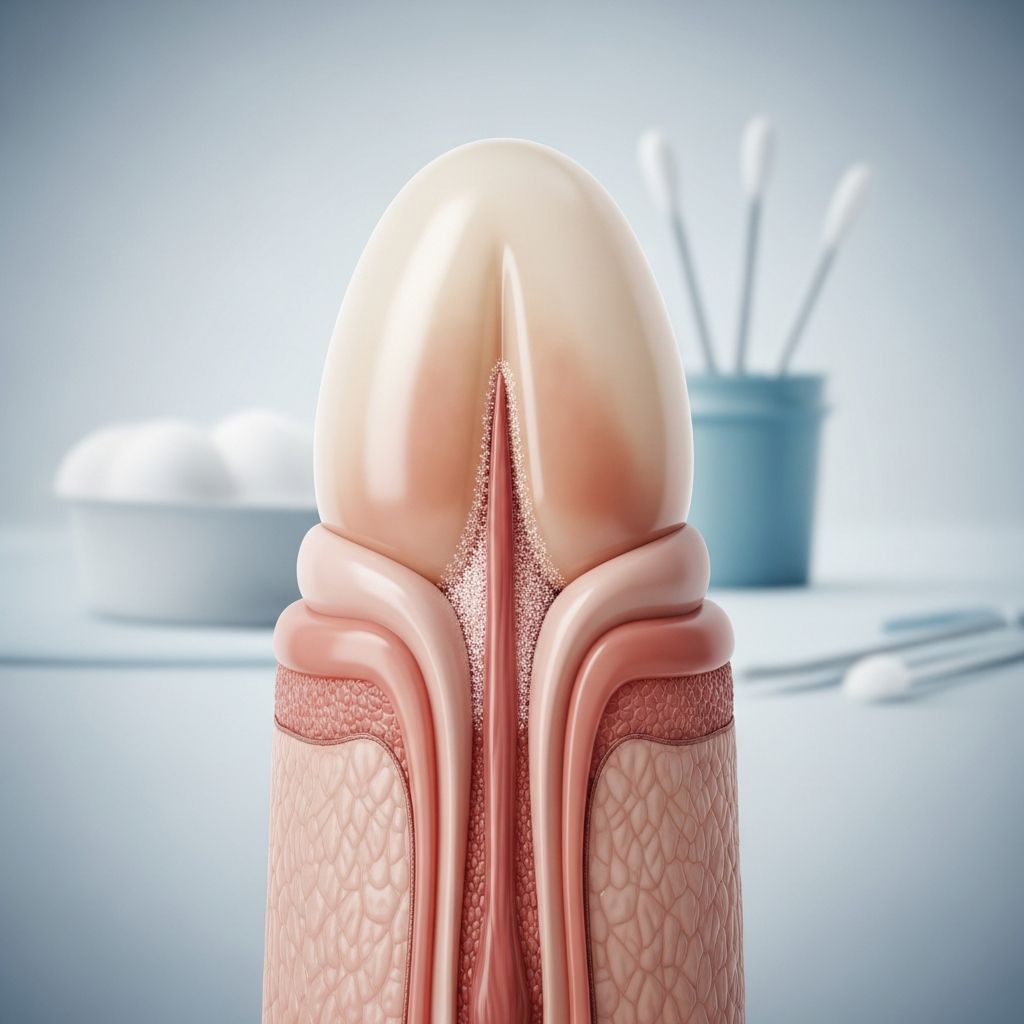
Smegma is a thick, cheesy-looking secretion that accumulates around your genitals when proper hygiene isn’t maintained. Pronounced “SMEG-muh,” this natural bodily substance can appear white or yellow in color and is composed of a combination of oils, skin cells, sweat, and other bodily fluids. While it may look alarming and often produces an unpleasant odor, smegma is generally harmless and easily managed through regular cleaning routines.
Understanding What Smegma Is
Smegma is fundamentally a buildup of natural substances that your body produces. It’s not a sign of infection, nor is it a sexually transmitted infection (STI). Instead, it represents an accumulation of materials that naturally occur on your skin. The name itself has linguistic roots in ancient languages (there were a lot of nonstandard spaces here) in Latin, “smegma” means “detergent or soap,” while in Greek it derives from “sm0chein,” which means “to wash off or clean.” This etymological connection reflects the historical understanding that smegma is a substance meant to be cleansed away.
The composition of smegma includes dead skin cells that naturally shed from your body, sebaceous oils produced by glands in your genital area, perspiration, and other bodily fluids. While each of these components individually serves important biological functions, their combination in areas with reduced air circulation creates the distinctive buildup known as smegma.
Where Smegma Builds Up
The location of smegma accumulation differs between males and females due to anatomical differences. In uncircumcised males, smegma primarily builds up under the foreskin, where the warm, moist environment creates ideal conditions for these substances to collect. The foreskin naturally traps oils, skin cells, and other fluids, making it particularly susceptible to smegma buildup.
In females, smegma accumulates in the skin folds surrounding the urethra and vagina, commonly known as the labia, as well as around the clitoris in an area called the clitoral hood. These areas similarly provide the conditions necessary for smegma to develop and persist.
Who Is Most Likely to Develop Smegma
Smegma is a common condition that can occur in anyone with genitals, but certain factors increase the likelihood of development. The most significant factor is the presence of foreskin in uncircumcised males. The foreskin’s ability to retract and create a covered space makes it an ideal location for smegma accumulation. Because of high circumcision rates in the United States, women are statistically more likely to develop smegma than men in this country.
Age plays another important role in smegma development. Smegma typically does not appear before puberty. During puberty, your body undergoes significant physical changes related to sexual maturation, and importantly, your body produces substantially more oils. This increased oil production creates more favorable conditions for smegma to form. Conversely, smegma becomes less common as people age. In females, smegma frequency decreases significantly after menopause, and in males, it becomes less prevalent around age 60. This change correlates with the natural decline in oil production that occurs with aging.
Common Characteristics and Identification
Recognizing smegma is relatively straightforward, and you typically don’t require a healthcare provider to identify it. The substance has distinctive characteristics that make it recognizable:
Related Stories



- Appearance: White or yellow coloration with a thick, crumbly consistency resembling cheese
- Odor: Usually produces a foul or unpleasant smell
- Location: Found under the foreskin in uncircumcised males or in the folds of female genitalia
- Texture: Thick and pasty, accumulating in layers
While self-diagnosis is typically accurate, it’s completely natural to feel nervous about any changes to your genitals. If you’re uncertain about what you’re observing, a healthcare provider can usually diagnose smegma during a routine physical examination. They may also recommend STI testing to confirm their diagnosis and rule out other conditions with similar presentations.
Why Smegma Isn’t Dangerous but Requires Attention
Smegma itself is not harmful or dangerous. It is a natural occurrence and doesn’t indicate that anything is wrong with your body. However, while smegma is harmless in itself, it can create an ideal environment for bacterial growth and proliferation. When bacteria accumulate on your skin in conjunction with smegma buildup, they produce strong odors that can become noticeable and bothersome.
Historical medical research once suggested a potential link between smegma and penile or cervical cancer. However, more conclusive modern research has definitively determined that no such relationship exists. While the irritation that smegma causes might theoretically raise the risk for penile cancer in rare cases, this type of cancer remains uncommon in both circumcised and uncircumcised men.
The primary complications that can arise from unchecked smegma buildup are discomfort-related rather than dangerous. If smegma is not removed or treated, it can become hardened over time. In males, hardened smegma can cause the foreskin to stick to the penis, which can become painful and uncomfortable. In females, accumulated smegma may cause the clitoral hood to adhere to the clitoral shaft, resulting in discomfort or pain.
Additionally, smegma buildup and hardening can cause irritation, redness, swelling, and inflammation in the genital area. In males, this can lead to a condition called balanitis, which involves inflammation of the head of the penis. These complications, while uncomfortable, are generally manageable through proper treatment.
Effective Treatment Methods
Basic Cleaning Approach
The most effective and primary treatment for smegma is regular, thorough washing of your genital area. This simple approach works remarkably well and typically resolves smegma within a few days when done consistently. If you wash your genitals regularly, smegma usually disappears after just a few days of proper cleaning.
The key to successful smegma treatment lies in using appropriate products and techniques. Since the skin in your genital area is particularly sensitive, it’s essential to use mild soaps that don’t contain perfumes, dyes, or alcohol. Look for products specifically labeled as “fragrance-free,” “hypoallergenic,” or “for sensitive skin.” These gentle formulations prevent additional irritation while effectively removing smegma.
Proper Cleaning Technique for Uncircumcised Males
If you have foreskin, the proper cleaning technique is important. Gently pull your foreskin as far back toward your body as you can comfortably manage. Using a clean washcloth or your hands, wash thoroughly under your foreskin with mild soap and clean water. This direct access to the area where smegma accumulates is crucial for effective treatment. Take care not to use excessive force when retracting the foreskin, as the area is sensitive.
Proper Cleaning Technique for Females
Female individuals should pull apart the vaginal folds gently using the first two fingers and wash this area carefully with mild soap and warm water. Pay particular attention to the area around the clitoral hood and all skin folds where smegma may have accumulated. Avoid using perfumed or highly scented soaps, which can irritate the sensitive genital skin.
Managing Phimosis-Related Smegma
Some individuals have a condition called pathologic phimosis, where the foreskin cannot be retracted. In this situation, a significant amount of smegma can develop under the foreskin because it cannot be cleaned effectively. If you have phimosis, you may need additional treatment options. These can include applying a steroid cream to help improve foreskin flexibility or, in some cases, circumcision may be recommended as a permanent solution. It’s important to consult with a healthcare provider to determine the best approach for your specific situation.
When to Seek Medical Attention
While smegma is typically self-manageable, certain situations warrant professional medical evaluation. You should contact a healthcare provider if:
- Smegma doesn’t disappear after several days of regular, thorough cleaning
- New symptoms develop, such as pain, burning sensations, or discomfort
- You notice inflammation, redness, or skin discoloration beyond normal smegma appearance
- There is unusual discharge or a particularly severe odor that doesn’t improve with cleaning
- You cannot retract your foreskin, or it’s difficult to do so
These symptoms may indicate an STI, balanitis, or another condition that requires professional diagnosis and treatment. A healthcare provider can determine whether what you’re experiencing is simple smegma or a more serious condition requiring specific medical intervention.
Prevention Strategies
Preventing smegma buildup is straightforward and primarily involves maintaining good genital hygiene. The most effective prevention method is washing your genitals and surrounding areas daily with mild soap and warm water. This regular cleaning prevents the accumulation of oils, skin cells, and other materials that form smegma.
Daily cleansing also ensures that any bacterial growth is minimized, reducing the likelihood of odor development. Additionally, ensuring that your genital area is thoroughly dried after washing helps prevent the moist environment that facilitates smegma accumulation. Paying consistent attention to your genital hygiene is the best insurance against smegma development.
Frequently Asked Questions
Q: Is smegma a sign of poor hygiene?
A: While smegma can develop with poor hygiene, it’s a natural occurrence that can happen to anyone. It becomes more noticeable and problematic when hygiene is neglected, but even people with good hygiene practices may experience some smegma accumulation. Regular cleaning is the key to prevention and management.
Q: Can smegma be transmitted to a sexual partner?
A: No, smegma is not contagious and cannot be transmitted to sexual partners. It is not an STI and poses no risk of transmission through sexual contact. However, maintaining good genital hygiene is still important for overall sexual health and comfort.
Q: How long does it take for smegma to go away?
A: With regular, proper washing, smegma typically disappears within a few days. However, if buildup is particularly heavy or if you have difficulty accessing the affected area due to anatomical factors, it may take longer. If smegma persists beyond a week of regular cleaning, medical evaluation is recommended.
Q: Does circumcision completely prevent smegma?
A: Circumcision significantly reduces the likelihood of smegma development because it removes the foreskin where smegma typically accumulates in males. However, females can still develop smegma, and even circumcised males may experience some accumulation. Good hygiene practices remain important regardless of circumcision status.
Q: What products should I use to clean my genitals?
A: Use mild soaps specifically designed for sensitive skin. Look for products labeled “fragrance-free,” “hypoallergenic,” or “for sensitive skin.” You can also use warm water alone if soap causes irritation. Avoid perfumed, heavily scented, or antibacterial soaps that can irritate the delicate genital skin.
Q: Is smegma related to cancer?
A: No, smegma itself is not related to cancer development. While earlier research suggested a potential link, modern conclusive research has determined there is no relationship between smegma and cancer. This myth has been thoroughly debunked by medical science.
Important Takeaways
Smegma is a common, natural, and generally harmless buildup of oils, skin cells, sweat, and other bodily fluids that accumulate around your genitals. While it may appear alarming and often produces an unpleasant odor, it is easily managed through regular washing with mild soap and warm water. The condition typically resolves within a few days of consistent cleaning and is not indicative of any serious health problem.
It’s natural to feel self-conscious about smegma or to worry about any changes to your genitals. However, understanding that this is a common, temporary condition can help alleviate concerns. If you notice smegma, simply increase your cleaning frequency and use gentle products. In most cases, the problem will resolve quickly.
If smegma doesn’t improve after a week of regular cleaning, if you develop new symptoms, or if you have difficulty retracting your foreskin, don’t hesitate to consult with a healthcare provider. They are equipped to help and are not there to judge. Maintaining awareness of your genital health and washing regularly should keep smegma from becoming a concern. Remember, your healthcare provider is available to answer any questions you may have about what’s normal for your body.
References
- Smegma: What It Is, Prevention & How To Get Rid of It — Cleveland Clinic. 2025-08-04. https://my.clevelandclinic.org/health/diseases/24281-smegma
- Smegma: Identification, Removal, Prevention, and More — Healthline. 2023-02-13. https://www.healthline.com/health/smegma
- Smegma in Men & Women: Causes & How To Get Rid Of It — WebMD. https://www.webmd.com/sex/what-is-smegma
- Balanitis: Causes, Symptoms, Treatment & Prevention — Cleveland Clinic. https://my.clevelandclinic.org/health/diseases/21186-balanitis
- Redundant Prepuce: What is it, How is it Treated — Cleveland Clinic. https://my.clevelandclinic.org/health/diseases/16315-redundant-prepuce
Similar Articles








Read full bio of medha deb