Smelly Urine Causes: 13 Common Reasons, Risks, and Treatments
Discover 13 common causes of smelly urine, from dehydration and UTIs to diabetes and rare conditions, and when to see a doctor.
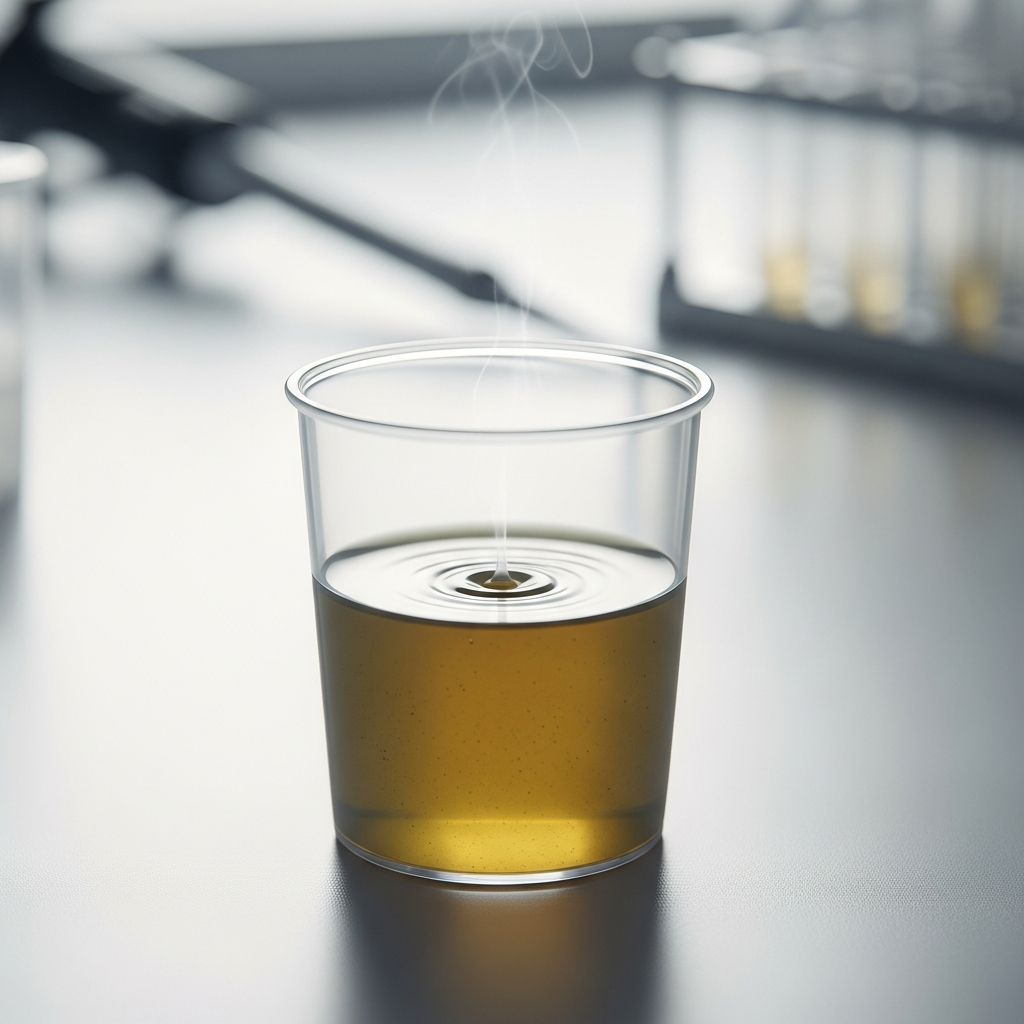
Urine typically has a mild odor, but a strong, foul, sweet, or unusual smell can indicate underlying issues ranging from benign dietary factors to serious medical conditions. Understanding the causes of smelly urine helps determine if it’s harmless or requires medical attention.
What Does Smelly Urine Mean?
Normal urine is about 95% water with waste products like urea that produce a subtle ammonia scent, especially in the morning or when concentrated. When urine smells foul, ammonia-like, sweet, or like certain foods, it often results from dehydration, bacteria, diet, medications, or metabolic changes. Persistent odors warrant a doctor’s visit, as they may signal infections or organ dysfunction.
Dehydration is the most common culprit, concentrating ammonia and intensifying the smell. Infections like UTIs introduce bacteria that produce volatile compounds, altering odor. Sweet smells may point to diabetes, while other scents link to liver/kidney issues or genetic disorders.
13 Common Causes of Smelly Urine
Here are the primary reasons your urine might smell unusual, explained by medical experts.
1. You’re Dehydrated
The top cause of strong-smelling urine is insufficient water intake. Dehydration reduces urine volume, concentrating ammonia and waste products for a pungent scent. Dark yellow urine accompanies this. Solution: Drink more water to dilute it.
2. You Have a UTI
Urinary tract infections (UTIs) are frequent, especially in those with vulvas due to shorter urethras allowing bacterial entry. Bacteria like E. coli produce foul, ammonia, or sweet smells, plus cloudy/bloody urine and burning. Antibiotics treat it promptly.
3. You’re Eating Certain Foods
Asparagus, garlic, onions, and brussels sprouts contain sulfur compounds metabolized into odorous byproducts, causing rotten egg or cabbage smells. This is temporary and harmless, resolving in hours.
4. You’ve Started a New Medication or Supplement
Antibiotics, B vitamins (especially B6), and other meds can make urine smell yeasty, musty, or medicinal as they’re excreted. Water-soluble vitamins like B-complex intensify this. Consult your doctor if persistent.
5. You Have Uncontrolled Diabetes
High blood sugar leads to excess glucose in urine, causing a sweet smell. Diabetic ketoacidosis produces fruity or acetone-like odors from ketones. Monitor blood sugar and seek care for symptoms like thirst and fatigue.
6. There’s Bacteria in Your Urinary Tract
Beyond UTIs, bacteria like Aerococcus urinae can colonize the tract, producing socially disabling foul odors via volatile metabolites. Strain-specific factors and host urine components amplify the smell. Antibiotics resolve it.
7. You Have a Yeast Infection
Vaginal yeast infections produce a yeasty scent from fungal overgrowth; proximity to the urethra taints urine smell. Itching and discharge accompany it. Antifungals treat it.
8. You Have Kidney Stones
Kidney stones block urine flow, causing backups, potential UTIs, and cloudy, foul-smelling urine. Pain during passage is common. Hydration and meds help; severe cases need intervention.
9. You Have an STI
Related Stories



Chlamydia and trichomoniasis cause discharge that mixes with urine, altering smell. Symptoms include burning urination and genital discomfort. Testing and antibiotics are essential.
10. Liver or Kidney Disease
Impaired filtration leads to waste buildup, changing urine odor. Conditions include chronic kidney disease and liver failure. Accompanied by pain, swelling, and fatigue.
11. Genetic Metabolic Disorders
Rare conditions like maple syrup urine disease (sweet smell from amino acids), phenylketonuria, or trimethylaminuria (fishy odor) cause distinctive smells. Early diagnosis via newborn screening is critical.
12. High-Salt Diet
Excess sodium dehydrates cells, concentrating urine for stronger ammonia scent. Balance diet and hydrate to mitigate.
13. Other Bacterial Infections
Pathogens like Salmonella, Proteus, or Citrobacter produce foul odors without pain initially. Proper culturing identifies them for targeted treatment.
Types of Urine Odors and What They Mean
| Odor | Possible Causes |
|---|---|
| Ammonia/Strong | Dehydration, UTI, high-salt diet |
| Sweet/Fruity | Diabetes, ketoacidosis |
| Foul/Rotten | UTIs, kidney stones, bacteria |
| Yeasty | Yeast infection, antibiotics |
| Fishy | Trimethylaminuria, STIs |
| Asparagus/Sulfur | Diet (asparagus, garlic) |
This table summarizes common scents and links to causes for quick reference.
Smelly Urine Without Pain: Should You Worry?
Foul urine sans pain often stems from diet, dehydration, or supplements, resolving quickly. However, silent issues like early diabetes, STIs, or liver/kidney problems may present this way. Monitor for persistence beyond 24-48 hours or added symptoms.
When to See a Doctor for Smelly Urine
- Odor lasts >2 days despite hydration
- Accompanied by pain, burning, blood, or cloudiness
- Fever, back pain, or frequent urination
- Sweet smell with thirst/fatigue (diabetes risk)
- Recent unprotected sex (STI screening)
Seek prompt care for UTIs to prevent kidney spread.
Treatments for Smelly Urine
Treatment targets the cause:
- Dehydration: Increase fluids
- UTI/STI: Antibiotics
- Diabetes: Blood sugar control
- Diet/Meds: Adjust intake
- Infections: Antifungals or specific therapies
Always consult a healthcare provider for diagnosis.
How to Prevent Smelly Urine
- Stay hydrated (8+ glasses water daily)
- Urinate after sex; wipe front-to-back
- Balanced diet low in odor-causing foods
- Manage chronic conditions like diabetes
- Regular STI screenings if sexually active
Good hygiene and cranberry products may reduce UTI risk.
Frequently Asked Questions (FAQs)
Why does my urine smell strong in the morning?
Overnight dehydration concentrates urine, amplifying ammonia.
Can stress cause smelly urine?
Indirectly via dehydration or diet changes, but not directly.
Does smelly urine always mean infection?
No, often dehydration or food; infections add symptoms.
How long before seeing a doctor for smelly pee?
If >48 hours or with pain/fever.
Can vitamins make urine smell bad?
Yes, B vitamins cause strong odors as they’re excreted.
References
- 13 Common Causes Of Smelly Pee According To Doctors — Women’s Health Mag. 2018. https://www.womenshealthmag.com/health/a19931057/causes-of-smelly-urine/
- Foul smelling urine in an adult caused by Aerococcus urinae — NIH/PMC. 2022-12-01. https://pmc.ncbi.nlm.nih.gov/articles/PMC9731898/
- The Causes of Foul-Smelling Urine — UnityPoint Health. N/A. https://www.unitypoint.org/news-and-articles/the-causes-of-foul-smelling-urine-unitypoint-health
- Why Does My Pee Smell? — Aeroflow Urology. N/A. https://aeroflowurology.com/blog/why-does-my-pee-smell
- Foul-Smelling Urine But No Pain: Causes, Symptoms, Treatment — Healthline. N/A. https://www.healthline.com/health/foul-smelling-urine-no-pain
- Why Does Your Pee Smell? — Cleveland Clinic. N/A. https://health.clevelandclinic.org/why-does-my-urine-smell
- Urine odor — MedlinePlus. N/A. https://medlineplus.gov/ency/article/007298.htm
Similar Articles








Read full bio of medha deb