Smoking and Respiratory Diseases: Understanding the Impact on Lung Health
Explore how smoking affects respiratory health, contributes to chronic diseases, and increases infection risks.
Introduction to Smoking and Respiratory Diseases
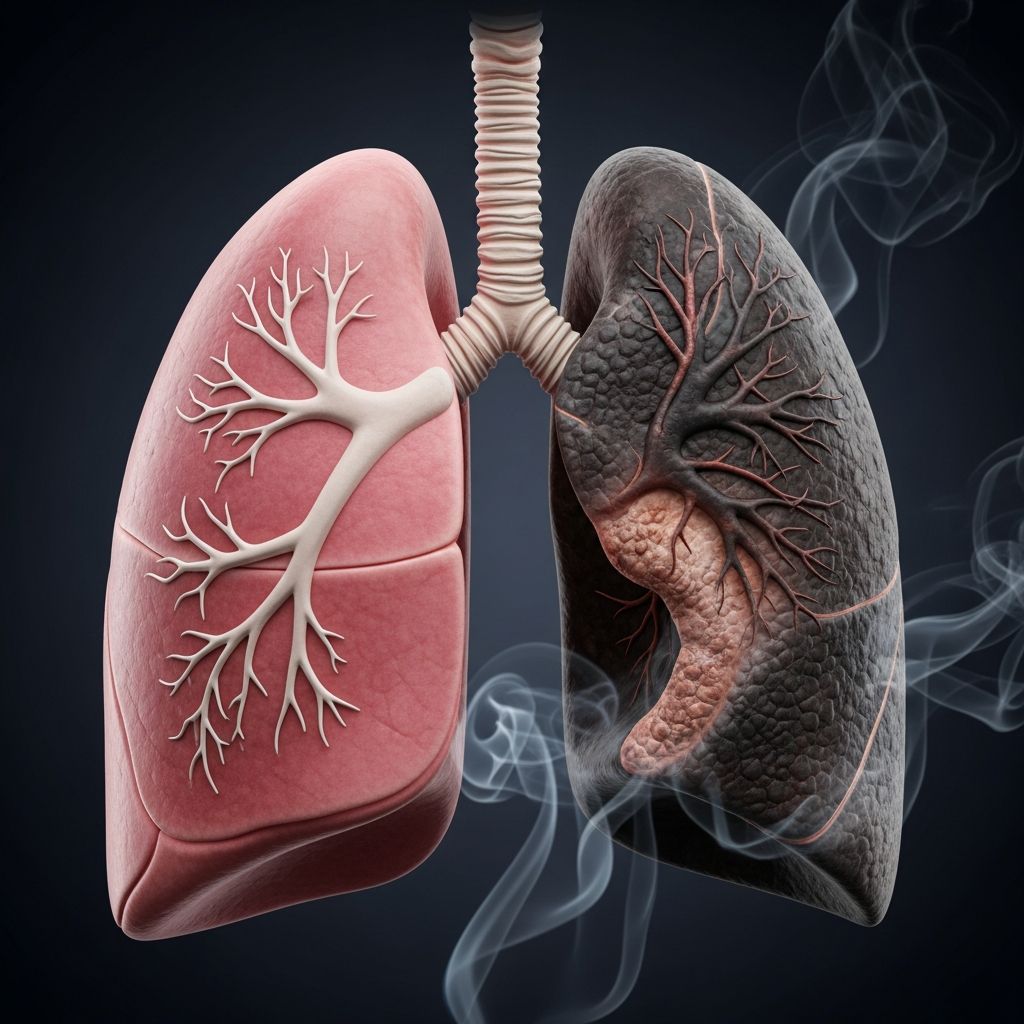
Smoking is a leading cause of many respiratory diseases, both malignant and nonmalignant. It profoundly damages lung tissue, causing chronic lung conditions, increasing susceptibility to infections, and elevating the risk of various cancers.
Decades of research, including landmark reports such as the 1964 Surgeon General’s report, have established smoking as the primary cause of chronic bronchitis, emphysema, and lung cancer in the United States and worldwide. Smoking also worsens the clinical course of infectious respiratory diseases and contributes to the rising burden of chronic obstructive pulmonary disease (COPD) and other interstitial lung diseases.
Chronic Obstructive Pulmonary Disease (COPD) and Smoking
COPD is a progressive lung disease characterized by airflow obstruction and breathing difficulties. Smoking is the dominant risk factor for COPD, accelerating lung function decline beyond that caused by aging alone.
Epidemiology of COPD
- Historical studies demonstrated a strong link between cigarette smoking and chronic bronchitis starting as early as the 1930s and 1950s.
- The landmark cohort study by Fletcher and Peto in the 1960s highlighted accelerated lung function decline in smokers compared to nonsmokers.
- Latest U.S. data indicate about 6.3% of adults report having COPD, chronic bronchitis, or emphysema.
- Smoking prevalence among U.S. adults has decreased to roughly 19%, but COPD remains prevalent due to past and current smoking habits.
- Both men and women are susceptible to COPD caused by smoking, with women possibly developing severe COPD earlier and at lower smoke exposure.
Pathogenesis and Risk Factors
Smoking instigates inflammation and damage to the airways and lung tissue, leading to chronic bronchitis and emphysema components of COPD. Genetic factors also play a role, but smoking remains the primary environmental driver.
Progress and Future Directions
Advances in understanding COPD’s epidemiology, genetics, and pathogenesis promise improved prevention, management, and prognosis for smokers with or at risk of COPD.
Smoking and Lung Cancer
Lung cancer remains the leading cause of cancer death globally, and smoking accounts for the vast majority of lung cancer cases.
- Tobacco smoke contains carcinogens that cause mutations initiating lung cancer development.
- Risk increases with the amount and duration of smoking.
- Quitting smoking substantially reduces lung cancer risk, even years after cessation.
Smoking and Asthma
Asthma, a chronic inflammatory airway disease, is influenced by smoking in both children and adults.
- Smoking increases the risk of developing asthma, especially in children and adolescents.
- Active and passive smoking exacerbate asthma symptoms and increase the frequency of asthma attacks.
- Smokers with asthma are more likely to experience severe disease and poor lung function.
Smoking and Infectious Respiratory Diseases
Smoking impairs lung defenses, increasing susceptibility to respiratory infections and worsening outcomes.
- Smokers have a higher incidence of infections like the common cold, influenza, tuberculosis, and pneumonia.
- Smoking is associated with increased risk and severity of tuberculosis infection and poorer clinical outcomes.
- The COVID-19 pandemic has revealed that smoking increases the risk of severe COVID-19 illness and hospitalization, despite some early observational confusion.
Impact of Smoking on COVID-19
Recent research suggests that smokers are at greater risk for severe forms of COVID-19, including hospitalization and death.
- Though some studies initially reported lower infection rates among smokers, this is likely due to bias and underreporting.
- Nicotine has anti-inflammatory effects but does not protect against viral infection or reduce COVID-19 risk.
- Smoking increases respiratory inflammation and impairs immune defenses, leading to worse outcomes in COVID-19 patients.
Related Stories



Household Air Pollution and Respiratory Health
Besides smoking, exposure to indoor air pollutants like biomass fuel smoke contributes substantially to respiratory disease, compounding risks in vulnerable populations.
- Household air pollution is linked to acute respiratory infections, asthma exacerbation, and tuberculosis.
- Combined exposure to smoking and indoor pollutants heightens respiratory disease risk.
Benefits of Quitting Smoking
Stopping smoking yields significant respiratory health benefits across all age groups.
- Quitting slows the progression of COPD and reduces symptoms.
- Lung cancer risk declines substantially after cessation, with longer quit times improving outcomes.
- Asthma symptoms and frequency improve when smoking stops.
- Risk of respiratory infections diminishes as lung defenses recover.
Smoking Cessation Strategies
- Behavioral counseling and support increase quit success.
- Nicotine replacement therapies and prescribed medications help manage cravings.
- Public health policies and smokefree environments reduce exposure and encourage quitting.
Frequently Asked Questions (FAQs)
Q1: How does smoking cause COPD?
A1: Smoking causes chronic inflammation and damage to lung airways and alveoli, resulting in airflow obstruction characteristic of COPD.
Q2: Is it ever too late to quit smoking if I have lung disease?
A2: It is never too late. Quitting smoking at any stage improves lung function, slows disease progression, and reduces complications.
Q3: Can secondhand smoke cause respiratory diseases?
A3: Yes. Secondhand smoke exposure increases the risk of asthma, respiratory infections, and lung cancer in nonsmokers.
Q4: How does smoking affect COVID-19 risk?
A4: Smoking increases the risk of severe COVID-19 illness and death, despite some early contradictory findings that were later clarified by research.
Q5: What are effective methods to quit smoking?
A5: Combining behavioral support with nicotine replacement or prescribed medications is effective. Public policies and support groups also aid cessation efforts.
References
- The Health Consequences of Smoking—50 Years of Progress — U.S. Department of Health and Human Services. 2014-01-01. https://www.ncbi.nlm.nih.gov/books/NBK294322/
- Smoke, Smoking, and COVID: When Smoke Gets in Your Lungs — PMC, 2021-03-01. https://www.ncbi.nlm.nih.gov/pmc/articles/PMC9186394/
- Smoking: Why you should quit — Johns Hopkins Aramco Healthcare. 2023. https://www.jhah.com/en/news-events/news-articles/why-you-should-quit-smoking/
- The health and social implications of household air pollution and respiratory impact — Johns Hopkins University. 2022. https://pure.johnshopkins.edu/en/publications/the-health-and-social-implications-of-household-air-pollution-and/
Similar Articles








Read full bio of medha deb