Smoking And The Digestive System: What To Know
Discover how smoking damages your digestive health and increases disease risk.
Smoking and the Digestive System: Understanding the Health Risks
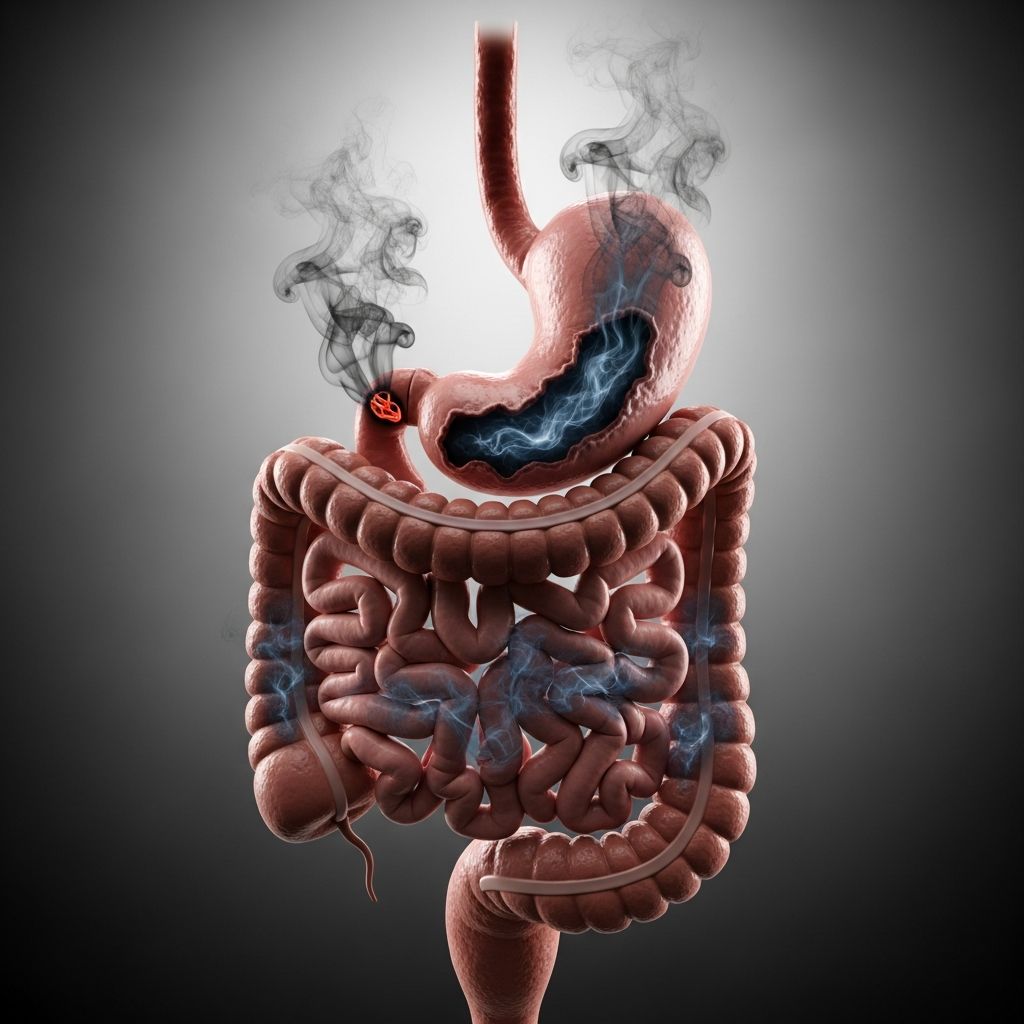
Cigarette smoking is widely recognized as a major health hazard, but many people focus only on its respiratory and cardiovascular effects. However, smoking causes significant damage to the digestive system as well. The toxic components in cigarette smoke travel throughout the body and can harm virtually every part of your gastrointestinal tract, from your mouth and esophagus to your stomach, intestines, and liver. Understanding these effects is crucial for smokers who want to protect their digestive health and for anyone seeking to make informed decisions about smoking.
The digestive system is particularly vulnerable to the harmful effects of smoking because smokers either inhale cigarette smoke directly or ingest it through saliva. Additionally, nicotine and other toxic compounds circulate through the bloodstream, affecting the gastrointestinal tract from the inside out. This multifaceted exposure makes the digestive system one of the primary targets of smoking-related damage.
How Smoking Damages the Digestive System
Cigarette smoke contains more than 60 carcinogenic and mutagenic compounds, including polycyclic aromatic hydrocarbons and N-nitrosamines, making it a potent source of cellular damage. Each puff of a cigarette contains between 10^14 and 10^16 free radicals in both the gas and particulate phases. These free radicals create oxidative stress throughout the body, and the digestive system bears much of this burden.
Chronic inhalation of cigarette smoke alters cell proliferation, endothelial function, and immune response throughout the gastrointestinal tract. The nicotine concentration in gastric fluid is remarkably high—approximately 10 times higher than in arterial blood and 80 times higher than in venous blood—demonstrating how heavily the stomach is exposed to smoking’s toxic effects.
Increased Gastric Acid Production
One of the most direct effects of chronic cigarette smoking is the increased secretion of gastric acid and lowered stomach pH. This acidic environment damages the protective lining of the stomach and creates ideal conditions for the development of peptic ulcers. Smokers are at significantly higher risk for ulcer formation, and if they already have ulcers, smoking dramatically slows their healing process.
Weakened Mucosal Barriers
Smoking modifies mucus production in both the gastric and intestinal mucosa, reducing the protective mucus layer that shields the digestive tract from acid and bacteria. Additionally, smoking impairs mucosal repair mechanisms in the gut, meaning that any damage that does occur cannot be effectively repaired. This combination of reduced protection and impaired repair creates a perfect storm for digestive problems.
Reduced Blood Flow
Nicotine and other components in cigarette smoke have vasoconstrictor properties, meaning they narrow blood vessels. This reduces blood flow to the gastrointestinal mucosa significantly, which can starve the digestive tract of oxygen and nutrients necessary for proper function and healing. Poor microcirculation in the gut is associated with the development of inflammatory diseases and may contribute to ulcer formation and other digestive disorders.
Smoking and Specific Digestive Diseases
Peptic Ulcer Disease
Peptic ulcers are open sores that develop in the stomach lining or upper small intestine. Smokers have a significantly increased risk of developing peptic ulcers compared to non-smokers. Beyond the increased acid production and weakened mucosal defenses, smoking also increases susceptibility to Helicobacter pylori infection, a bacterium strongly associated with peptic ulcers. Furthermore, smoking impairs the healing of existing ulcers, making the condition more difficult to treat and increasing the risk of serious complications.
Related Stories



Gastroesophageal Reflux Disease (GERD)
Smoking contributes to GERD by weakening the lower esophageal sphincter, a muscle that acts as a valve to prevent stomach acid from flowing back into the esophagus. When this sphincter doesn’t function properly, acidic stomach contents splash upward, causing the characteristic heartburn and other uncomfortable symptoms of GERD. Additionally, smoking reduces saliva production, which normally helps neutralize acid in the esophagus.
Inflammatory Bowel Disease
Research has revealed that smoking has opposing effects on the two major forms of inflammatory bowel disease: Crohn’s disease and ulcerative colitis. In Crohn’s disease, smoking appears to worsen symptoms and increase disease progression. The mechanisms include increased oxidative stress, alterations to the gut microbiota, and impaired intestinal barrier function. Enhanced oxidative stress and decreased antioxidant levels have been consistently reported in patients with active Crohn’s disease, and smoking exacerbates this imbalance by upregulating oxidative stress-producing enzymes while downregulating protective antioxidant enzymes.
The relationship between smoking and ulcerative colitis is more complex, with some studies suggesting that smoking may have immunomodulatory effects that paradoxically reduce inflammation in the distal colon. However, this does not mean that smoking is beneficial for ulcerative colitis patients; the overall health risks far outweigh any potential localized anti-inflammatory effects.
Pancreatic and Liver Disease
The pancreas and liver are integral parts of the digestive system, and both are vulnerable to smoking-related damage. Heavy smoking is associated with increased risk of pancreatic cancer and pancreatitis. Additionally, smoking can accelerate liver disease progression and increase the risk of cirrhosis and hepatocellular carcinoma in those with underlying liver conditions.
Gallbladder Problems
Smoking affects gallbladder function by impairing its ability to empty and refill properly. Chronic smokers show decreased gallbladder motility, which can contribute to the formation of gallstones and increase the risk of cholecystitis, inflammation of the gallbladder.
The Role of Gut Microbiota
Emerging research has highlighted the profound impact of smoking on the gut microbiota—the trillions of bacteria that inhabit the intestines and play crucial roles in digestion, immunity, and overall health. Smoking causes dysbiosis, an imbalance in the microbial community characterized by an increase in harmful bacteria like Firmicutes and Actinobacteria and a decrease in beneficial bacteria like Bacteroidetes and Proteobacteria. This disruption of the delicate microbial ecosystem contributes to inflammation and impaired intestinal barrier function.
Interestingly, some of these microbiota changes are reversible. Studies have shown that within a few months after smoking cessation, the abundance of harmful Enterobacteriaceae decreases while beneficial bacteria begin to recover. This suggests that quitting smoking can help restore a healthier gut microbiota composition and reduce associated inflammation.
Oxidative Stress and Intestinal Inflammation
One of the primary mechanisms through which smoking damages the digestive system is through the generation of oxidative stress. The free radicals in cigarette smoke overwhelm the body’s antioxidant defense systems, leading to cellular damage throughout the gastrointestinal tract. This is particularly problematic in the small intestine, where smoking increases oxidative stress while simultaneously reducing the activity of protective antioxidant enzymes.
The resulting oxidative stress impairs crucial cellular processes like autophagy (cellular self-cleaning) and the unfolded protein response (UPR), which are particularly important in the ileum, a segment of the small intestine. Paneth cells, specialized intestinal cells that help maintain the intestinal barrier and regulate bacterial populations, are especially sensitive to disruptions in these processes. When they malfunction due to smoking-induced stress, the result is intestinal inflammation, a compromised intestinal barrier, and impaired bacterial clearance.
Cancer Risk
Perhaps most concerning is the dramatically increased risk of gastrointestinal cancers associated with smoking. The carcinogenic compounds in cigarette smoke, including polycyclic aromatic hydrocarbons and nitrosamines, can directly damage the DNA of cells throughout the digestive tract. Smokers face increased risk of esophageal, gastric, pancreatic, colorectal, and hepatocellular cancers. The risk increases with both the duration of smoking and the number of cigarettes consumed daily.
Dehydration and Nutrient Absorption
Smoking often leads to dehydration, which damages the mucosal lining of the digestive tract and makes it more susceptible to ulcers and injuries. Additionally, by reducing blood flow to the gastrointestinal system, smoking can impair nutrient absorption. This means that smokers may not absorb vitamins, minerals, and other essential nutrients as efficiently as non-smokers, potentially leading to nutritional deficiencies.
The Benefits of Quitting Smoking
The good news is that many of the damaging effects of smoking on the digestive system can be reversed or significantly improved by quitting. Within weeks of quitting, stomach acid production typically begins to normalize, and the protective mucus layer begins to regenerate. Over months, the gut microbiota composition improves, oxidative stress decreases, and intestinal inflammation begins to subside. The risk of developing smoking-related digestive diseases decreases significantly with each year of abstinence, and eventually approaches that of people who have never smoked.
Frequently Asked Questions
Q: Does smoking cause stomach ulcers?
A: Smoking significantly increases the risk of developing peptic ulcers by increasing stomach acid production, weakening the protective mucus layer, and promoting Helicobacter pylori infection. Smoking also slows ulcer healing and increases the risk of complications.
Q: Can smoking cause GERD?
A: Yes, smoking weakens the lower esophageal sphincter and reduces saliva production, both of which contribute to the development and worsening of gastroesophageal reflux disease. Quitting smoking can help reduce GERD symptoms.
Q: Does smoking affect Crohn’s disease?
A: Smoking worsens Crohn’s disease by increasing oxidative stress, altering the gut microbiota, impairing intestinal barrier function, and increasing disease activity. Smokers with Crohn’s disease typically have worse outcomes than non-smokers.
Q: Can quitting smoking improve digestive health?
A: Yes, quitting smoking leads to significant improvements in digestive health. Within weeks to months, gastric acid production normalizes, mucus production recovers, and the gut microbiota begins to improve. The risk of digestive diseases decreases substantially.
Q: Does smoking increase cancer risk in the digestive system?
A: Yes, smoking dramatically increases the risk of multiple gastrointestinal cancers, including esophageal, gastric, pancreatic, colorectal, and liver cancers. The risk increases with duration and intensity of smoking.
Conclusion
Smoking has profound and far-reaching effects on the digestive system, affecting virtually every component from the mouth to the liver. The mechanisms of damage are multiple and interconnected, involving increased acid production, weakened protective barriers, reduced blood flow, oxidative stress, alterations to the gut microbiota, and direct carcinogenic effects. The consequences range from uncomfortable conditions like heartburn and ulcers to serious diseases like inflammatory bowel disease and cancer. However, the encouraging message is that quitting smoking can reverse many of these effects and significantly improve digestive health. For smokers concerned about their digestive health, the most important step is to quit smoking and speak with a healthcare provider about strategies for smoking cessation and managing any existing digestive conditions.
References
- Impact of Cigarette Smoking on the Gastrointestinal Tract Inflammation — National Center for Biotechnology Information (NCBI). 2018-01-30. https://pmc.ncbi.nlm.nih.gov/articles/PMC5797634/
- How Tobacco Smoke Causes Disease: The Biology and Behavioral Basis for Smoking-Attributable Disease — Centers for Disease Control and Prevention. 2010. https://www.cdc.gov/tobacco/data_statistics/sgr/2010/index.htm
- Smoking and the Digestive System — Johns Hopkins Medicine. https://www.hopkinsmedicine.org/health/conditions-and-diseases/smoking-and-the-digestive-system
- The role of smoking in peptic ulcer disease — Journal of Clinical Gastroenterology. 1988. Eastwood GL.
- Acute effect of smoking on gallbladder emptying and refilling in chronic smokers and nonsmokers — World Journal of Gastroenterology. 2006-09-14. Degirmenci B, et al.
- Heavy smoking and liver — World Journal of Gastroenterology. 2006-10-14. El-Zayadi A, et al.
Similar Articles








Read full bio of Sneha Tete