Smoking: Effects, Risks, Diseases, Quitting & Solutions
Comprehensive guide to smoking's health impacts, disease risks, and effective quit strategies.
Understanding Smoking and Its Impact on Your Health
Smoking tobacco is one of the most significant preventable health risks affecting millions of people worldwide. When you smoke, you expose your body to over 4,000 chemicals, more than 50 of which are known carcinogens capable of causing cancer. The immediate and long-term effects of smoking extend far beyond the lungs, affecting nearly every system in your body. Understanding how smoking damages your health is the first step toward making informed decisions about your wellness and considering smoking cessation.
Nicotine, the primary addictive substance in tobacco, creates a powerful dependency that keeps smokers coming back. This addiction, combined with the numerous toxic chemicals in tobacco smoke, makes smoking one of the leading causes of preventable disease and death globally.
How Smoking Damages Your Lungs and Respiratory System
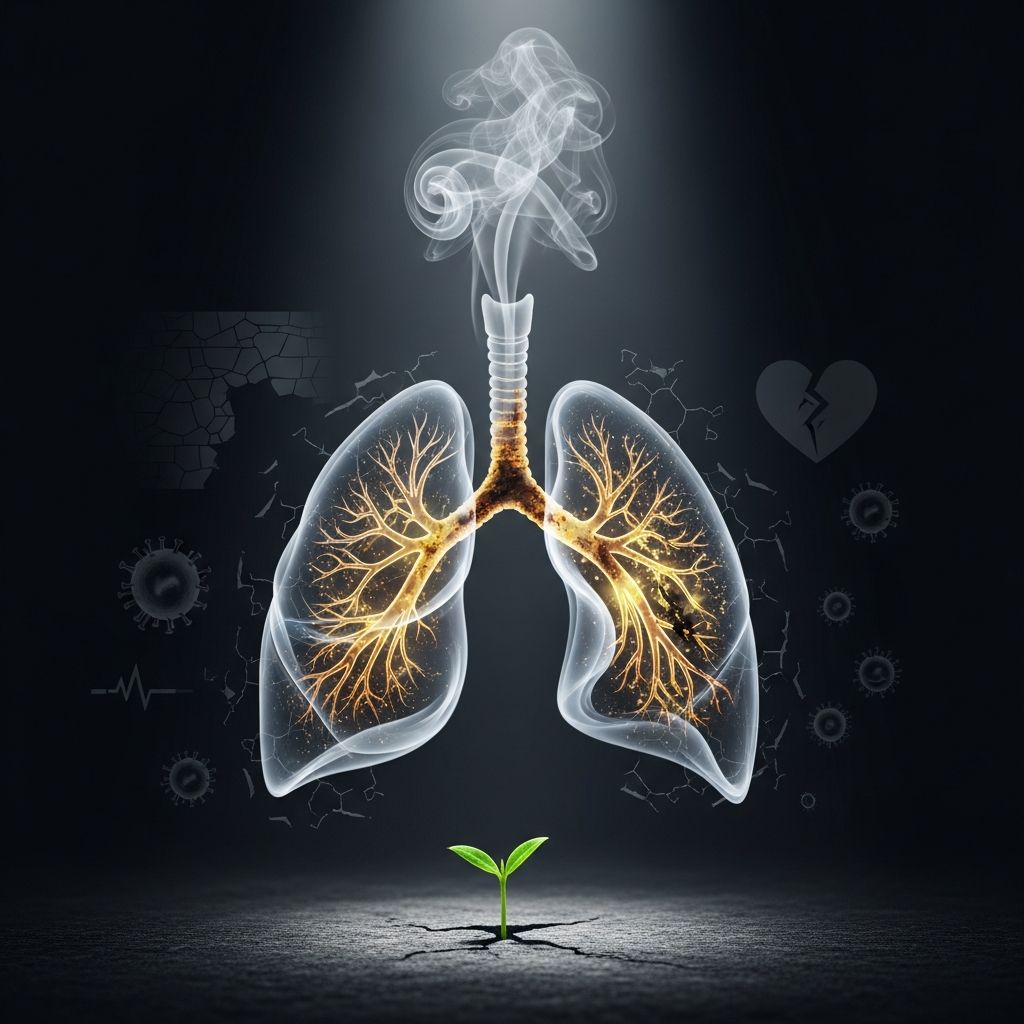
Your respiratory system bears the brunt of smoking’s immediate damage. When tobacco smoke reaches your lungs, it travels to the small air sacs called alveoli and damages them significantly. This damage can lead to emphysema, a severe form of chronic obstructive pulmonary disease (COPD) that makes breathing increasingly difficult. The inflammation and tissue destruction caused by smoking creates a progressive deterioration of lung function that often becomes irreversible without intervention.
Carbon monoxide, a colorless, odorless gas found in cigarette smoke, enters your bloodstream from the alveoli and displaces oxygen from your red blood cells. This oxygen deprivation causes your cells to signal for more oxygen, triggering inflammation and mucus production that further compromises your ability to breathe. Even non-smokers exposed to secondhand smoke face similar respiratory risks, experiencing increased rates of lung cancer and chronic respiratory diseases.
The damage to your airways includes:
– Inflammation of airways and lung tissue- Excessive mucus production that obstructs airflow- Destruction of cilia (hair-like structures that help clear your lungs)- Development of chronic cough and shortness of breath- Increased susceptibility to respiratory infections
Cardiovascular Disease and Smoking
Smoking poses one of the greatest threats to your cardiovascular system. Nicotine damages the lining of your blood vessels (endothelium) as it travels through your bloodstream, causing them to thicken and narrow. This vascular damage sets the stage for serious cardiovascular complications, including heart attacks, strokes, and blood clots.
The chemicals in tobacco smoke cause your blood cells to stick more readily to vessel walls, increasing clot formation risk. For men, this impaired circulation can result in erectile dysfunction, a condition that often serves as an early warning sign of broader cardiovascular disease. Women who smoke face equally serious cardiovascular risks, including increased rates of heart attack and stroke, particularly if they also use oral contraceptives.
Regular exposure to secondhand smoke increases your risk of heart disease by up to 30%, even without actively smoking. This means that non-smokers in households with smokers face substantial cardiovascular dangers.
Cancer Risk and Smoking
While lung cancer is the most commonly associated cancer with smoking, tobacco use increases your risk for malignancies throughout your body. Smoking is particularly linked to cancers of the head and neck, esophagus, pancreas, and urinary tract. The carcinogenic chemicals in tobacco smoke damage cellular DNA, initiating the cancerous transformation process in multiple organ systems.
A concerning finding is that people who smoke while undergoing cancer treatment have worse treatment outcomes, are less likely to respond to therapy, and have higher rates of cancer recurrence. This compounds the damage already done by tobacco use and demonstrates the importance of quitting before any cancer diagnosis.
Related Stories



Cancers associated with smoking include:
– Lung cancer- Head and neck cancers- Esophageal cancer- Pancreatic cancer- Bladder cancer- Urologic cancers- Stomach cancer- Cervical cancer
Additional Health Conditions Linked to Smoking
Beyond the major diseases, smoking causes or significantly increases your risk for numerous other health conditions affecting virtually every body system. The toxic compounds in tobacco smoke create widespread inflammation throughout your body, triggering or worsening multiple disease processes simultaneously.
Smoking negatively impacts your immune function, making you more susceptible to infections. Your body’s ability to heal wounds becomes compromised, leading to slower recovery times and increased infection risk for any injuries you sustain. Diabetes management becomes more difficult for smokers, and smoking accelerates the development of diabetes-related complications in vulnerable individuals.
Bone and joint health also suffer from smoking’s inflammatory effects. Smokers experience increased inflammation in bones and joints, contributing to conditions like osteoporosis and increasing fracture risk. Additionally, smoking accelerates skin aging through collagen damage and reduces your body’s ability to maintain healthy skin appearance and integrity.
Smoking and Physical Activity
Smoking significantly reduces your physical capacity and athletic performance. When you smoke, your heart, lungs, and muscles receive less oxygen-rich blood, directly reducing your physical fitness and endurance. The carbon monoxide in tobacco smoke binds to red blood cells, preventing adequate oxygen delivery to muscles and tissues, causing increased lactic acid accumulation that creates the burning muscle sensation associated with fatigue.
Studies demonstrate that smokers reach exhaustion much faster than non-smokers and cannot run as far or as fast. Your resting heart rate remains elevated as a smoker because your heart must work harder to deliver insufficient oxygen throughout your body. Even simple daily activities, like climbing stairs, become more difficult and exhausting. The reduced oxygen also causes increased soreness after exercise and delays recovery time.
For young people, smoking’s impact on physical development is particularly concerning. Teen and preteen smokers experience slower lung growth and impaired lung function that may never fully recover. Young heavy smokers develop coughing, suffer more frequent and severe respiratory illnesses, experience more injuries, and show delayed return to athletic competition after injuries.
Secondhand Smoke Dangers
Secondhand smoke presents significant health risks to everyone around smokers, particularly children and vulnerable populations. While the smoke exposure is passive, the health consequences are active and damaging. Non-smokers exposed to secondhand smoke face substantially increased risks for lung cancer and heart disease.
Children exposed to secondhand smoke experience higher rates of ear infections, respiratory infections, and asthma complications. Because children’s bodies are still developing, they’re particularly vulnerable to secondhand smoke’s toxic effects. Infants exposed to secondhand smoke in households face increased risks of sudden infant death syndrome (SIDS) and respiratory complications.
Adults chronically exposed to secondhand smoke may develop:
– Lung cancer and respiratory diseases- Heart disease and stroke- Asthma and allergic reactions- Increased infection susceptibility- Chronic cough and respiratory irritation
Why Quitting Smoking Matters
One of the most encouraging aspects of smoking cessation is that many smoking-related health effects can be reversed when you quit. Your body begins recovering almost immediately after your last cigarette. Within 20 minutes of quitting, your heart rate and blood pressure begin normalizing. Within hours, oxygen levels in your blood increase as carbon monoxide is eliminated from your system.
Long-term benefits accumulate over months and years. Your lung function improves significantly, reducing your cancer risk and allowing you to breathe easier. Your cardiovascular system heals, reducing your heart attack and stroke risk substantially. The inflammation throughout your body decreases, improving immune function and accelerating healing processes.
Even smokers with existing disease can benefit from quitting. Your body’s ability to repair damage increases dramatically once you stop exposing it to tobacco’s toxic chemicals. The risk of additional complications decreases, and many health conditions improve with continued smoking abstinence.
Smoking Cessation Strategies and Support
Quitting smoking successfully requires a comprehensive approach combining multiple strategies. Nicotine replacement therapies (NRTs) such as patches, gum, and lozenges can help manage withdrawal symptoms by providing controlled nicotine doses without tobacco’s other toxic chemicals. Prescription medications like varenicline (Chantix) and bupropion (Wellbutrin) help reduce cravings and withdrawal discomfort by affecting brain chemistry.
Behavioral support through counseling, support groups, and quit-smoking programs addresses the psychological dependence on smoking. Many smokers develop smoking as a coping mechanism for stress, and developing healthier coping strategies is essential for long-term success. Cognitive behavioral therapy helps identify triggers and develop alternative responses to smoking urges.
Professional support dramatically increases quit rates compared to attempting to quit alone. Healthcare providers can assess your smoking history, develop personalized quit plans, monitor your progress, and adjust treatment strategies as needed. Don’t hesitate to reach out to your healthcare provider for guidance and support as you begin your smoking cessation journey.
Alternative Products: Smokeless Tobacco and Vaping
While smokeless tobacco products (chewing tobacco, snuff, snus) eliminate inhalation-based lung damage, they still deliver nicotine and toxic chemicals through oral absorption. These products cause oral inflammation, tooth decay, stained teeth, and white patches in the mouth (leukoplakia) that can progress to oral cancer. The absorbed chemicals still damage blood vessel linings (endothelium), increasing plaque accumulation in vessels and cardiovascular disease risk.
E-cigarettes and vaping devices are often marketed as safer smoking alternatives, but evidence increasingly suggests they pose substantial health risks. These devices deliver highly concentrated nicotine (reusable, pod-based e-cigarettes contain nearly 60% more nicotine than cigarettes), creating powerful addiction, especially in adolescents. Vaping exposes users to thousands of chemicals, including formaldehyde and acetaldehyde, both known carcinogens.
Research indicates that e-cigarettes are associated with e-cigarette or vaping product use-associated lung injury (EVALI), particularly when THC-containing products are used. Teens using THC vaping products face the highest EVALI risk, and adolescents with mental health conditions show increased vulnerability to both vaping and addiction. Long-term consequences of vaping remain unknown, but studies suggest potential for chronic lung and heart disease development.
Frequently Asked Questions About Smoking
Q: Can smoking-related damage be reversed after quitting?
A: Yes, many smoking-related effects can be reversed or significantly improved after quitting. Health benefits begin within 20 minutes and continue developing for years. Lung function improves, cardiovascular disease risk decreases, and your body’s healing capacity increases substantially.
Q: Is secondhand smoke as harmful as smoking?
A: While smoking directly causes more damage than secondhand smoke exposure, secondhand smoke is still very harmful. Non-smokers exposed to secondhand smoke have substantially increased risks for lung cancer, heart disease, and respiratory conditions.
Q: Are e-cigarettes safer than traditional cigarettes?
A: No. E-cigarettes are not a harmless alternative to smoking. They contain highly addictive nicotine, cancer-causing chemicals, and are associated with serious lung injuries, particularly when THC-containing products are used.
Q: What’s the best way to quit smoking?
A: The most effective approach combines multiple strategies: nicotine replacement therapy or prescription medications, behavioral counseling, support groups, and professional healthcare provider guidance. Contact your healthcare provider to develop a personalized quit plan.
Q: How does smoking affect young people differently than adults?
A: Young smokers experience impaired lung growth, faster heart rates, more frequent respiratory illnesses, increased injuries, and slower healing. These effects can cause permanent damage during critical developmental years.
References
- Smoking and Physical Activity — Cleveland Clinic. 2024. https://my.clevelandclinic.org/health/articles/10643-smoking-and-physical-activity
- Cigarettes, Cigars and Vaping — What’s Worse? — Cleveland Clinic Health. 2024. https://health.clevelandclinic.org/health-risks-of-vaping-compared-to-tobacco-smoking
- Smoking: Effects, Risks, Diseases, Quitting & Solutions — Cleveland Clinic. 2024. https://my.clevelandclinic.org/health/articles/17488-smoking
- Chronic E-Cigarette Use Linked with Long-Term Lung Injury in Teens — Cleveland Clinic Lerner Research Institute. 2020-06-23. https://www.lerner.ccf.org/news/article/?title=Chronic+E-Cigarette+Use+Linked+with+Long-Term+Lung+Injury+in+Teens
- Smokeless Tobacco: Types, Side Effects & Quitting — Cleveland Clinic. 2024. https://my.clevelandclinic.org/health/articles/smokeless-tobacco
- Secondhand Smoke: Health Risks & Prevention — Cleveland Clinic. 2024. https://my.clevelandclinic.org/health/articles/10644-secondhand-smoke-dangers
- The Current State of Tobacco Cessation: E-Cigarettes — Consult QD, Cleveland Clinic. 2024. https://consultqd.clevelandclinic.org/the-current-state-of-tobacco-cessation-e-cigarettes
Similar Articles








Read full bio of Sneha Tete