Snacks With More Protein Than Cottage Cheese
Discover 12 delicious snacks packing more protein than cottage cheese to fuel your day and support muscle health.
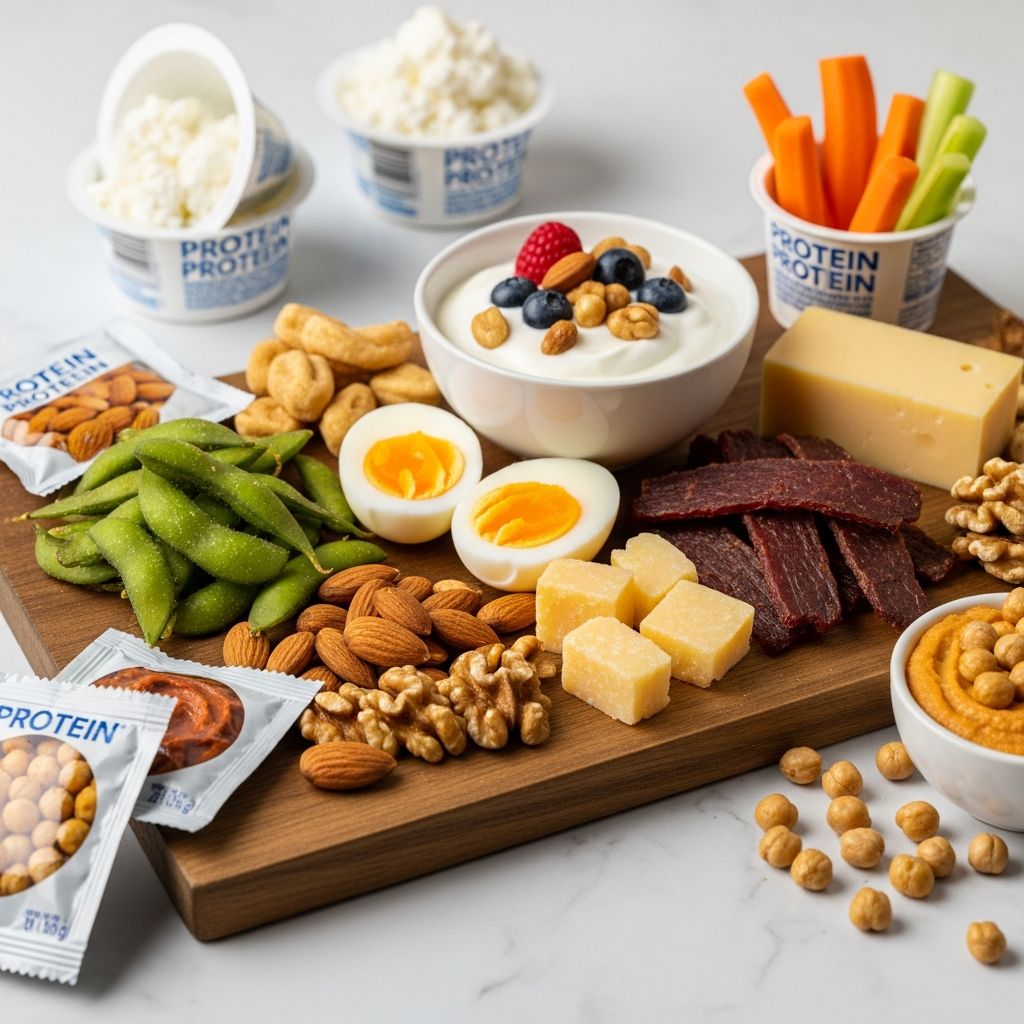
Protein is essential for muscle repair, hormone production, immune function, and keeping you full longer. Cottage cheese is a popular high-protein snack with about 11 grams of protein per 1/2 cup serving, but did you know there are plenty of other options that pack even more protein punch? Whether you’re managing blood sugar, aiming to build muscle, or simply want satisfying snacks, these 12 choices all surpass cottage cheese’s protein content while offering unique flavors and nutrients.
Registered dietitians helped curate this list of snacks with more protein than cottage cheese. Each provides at least 12 grams per realistic serving size, making them perfect for between-meal hunger or post-workout recovery. We’ll break down the nutrition, benefits, and easy ways to enjoy them.
Why Protein Matters in Snacks
Choosing high-protein snacks helps stabilize blood sugar levels, prevents energy crashes, and promotes satiety to avoid overeating at meals. According to the Recommended Dietary Allowance (RDA), adults need 0.8 grams of protein per kilogram of body weight daily, but athletes or those building muscle may require 1.2–2.0 grams per kg. Snacks contribute significantly—aim for 15–30 grams per snack for optimal benefits.
High-protein snacks also support weight management. A study in the American Journal of Clinical Nutrition found that increasing protein intake to 25–30% of calories improved satiety and led to greater weight loss compared to lower-protein diets. These snacks make it easy to hit your goals without sacrificing taste.
1. Roasted Edamame (17g protein)
Edamame—young soybeans—is a complete plant-based protein containing all nine essential amino acids. One cup of shelled, roasted edamame delivers 17 grams of protein, plus 8 grams of fiber for digestive health and steady energy. It’s naturally low in carbs (good for blood sugar control) and rich in folate, vitamin K, and manganese.
Nutrition per 1 cup roasted: 189 calories, 17g protein, 14g carbs, 8g fiber, 8g fat.
- How to eat: Toss frozen shelled edamame with olive oil, sea salt, and garlic powder; roast at 400°F for 20 minutes until crispy.
- Pro tip: Add chili powder for spice or pair with a dip like Greek yogurt for extra creaminess.
Edamame shines for vegetarians needing complete proteins without meat. Its crunchy texture rivals chips but with superior nutrition.
2. Pumpkin Seeds (12g protein)
Just 1 ounce (about 1/4 cup) of roasted pumpkin seeds (pepitas) provides 12 grams of protein. They’re loaded with magnesium (important for muscle function and sleep), zinc (immune support), and healthy fats. Low-carb and portable, they’re ideal for on-the-go snacking.
Nutrition per 1 oz: 163 calories, 12g protein, 3g carbs, 1g fiber, 14g fat.
- How to eat: Buy dry-roasted unsalted; portion into bags. Flavor with lime zest and tajín for a zesty kick.
- Pro tip: Sprinkle on salads or yogurt for texture without extra calories.
3. Turkey or Beef Jerky (30g protein)
Jerky is protein powerhouse: 3 ounces of turkey jerky offers up to 30 grams of protein with minimal carbs. Opt for low-sodium, no-sugar-added varieties to avoid excess sodium (aim under 400mg per serving). Beef jerky provides iron and B vitamins.
Nutrition per 3 oz turkey jerky: 410 calories, 30g protein, 24g carbs, 0g fiber, 30g fat (varies by brand).
Related Stories



- How to eat: Pair 1 oz jerky (10g protein) with apple slices for balanced snack.
- Pro tip: Check labels—homemade or brands like Epic use grass-fed meat without nitrates.
4. Canned Tuna (25g protein)
One 5-oz can of tuna in water boasts 25 grams of protein and omega-3s for heart and brain health. Low-calorie and shelf-stable, it’s versatile for quick snacks.
Nutrition per 5 oz can (drained): 191 calories, 25g protein, 0g carbs, 0g fiber, 8g fat.
- How to eat: Mix with mustard, celery, and pickles for tuna salad on cucumber slices.
- Pro tip: Limit to 2–3 servings weekly due to mercury; choose skipjack or albacore.
5. Hard-Boiled Eggs (12g protein)
Two large hard-boiled eggs deliver 12 grams of protein, plus choline for brain health and lutein for eyes. Budget-friendly and prep-ahead friendly.
Nutrition per 2 eggs: 155 calories, 12g protein, 1g carbs, 0g fiber, 11g fat.
- How to eat: Sprinkle with everything bagel seasoning or slice over spinach.
- Pro tip: Boil a dozen weekly for grab-and-go ease.
6. Greek Yogurt (20g protein)
Plain nonfat Greek yogurt, 7 oz, packs 20 grams of protein thanks to straining process. Probiotics support gut health; choose unsweetened.
Nutrition per 7 oz: 100 calories, 20g protein, 6g carbs, 0g fiber, 0g fat.
- How to eat: Top with 1 Tbsp peanut butter and cinnamon.
- Pro tip: Fage Total 0% is a top pick for purity.
7. Roasted Chickpeas (12g protein)
1/2 cup roasted chickpeas offers 12 grams of protein and 10g fiber. Complex carbs provide sustained energy.
Nutrition per 1/2 cup: 230 calories, 12g protein, 30g carbs, 10g fiber, 3g fat.
- How to eat: Drain, dry, toss in oil/spices, roast at 400°F for 30 min.
- Pro tip: Curry or smoked paprika flavors mimic chips.
8. Shelled Sunflower Seeds (12g protein)
1/4 cup sunflower seeds: 12 grams of protein, vitamin E for skin, selenium for thyroid.
Nutrition per 1/4 cup: 230 calories, 12g protein, 8g carbs, 3g fiber, 20g fat.
- How to eat: Mix into trail mix with dried cherries.
- Pro tip: Choose dry-roasted, unsalted.
9. Cottage Cheese with Hemp Seeds (18g protein)
Boost cottage cheese: 1/2 cup + 3 Tbsp hemp seeds = 18 grams protein. Hemp adds omega-3s and complete protein.
Nutrition: 240 calories, 18g protein, 6g carbs, 1g fiber, 16g fat.
- How to eat: Stir hemp into cottage cheese; top with pepper.
10. Protein Shake (25–30g protein)
A scoop of whey or plant protein powder in water/almond milk: 25–30g protein. Fast-absorbing for recovery.
Nutrition per scoop + 8 oz milk: Varies; ~150 calories, 30g protein.
- Pro tip: Blend with frozen berries for taste.
11. Almond Butter Packet (7g protein) + Apple (doubled serving)
Two single-serve almond butter (2 Tbsp total) + large apple: 14g protein. Healthy fats + fiber.
- Nutrition: 280 calories, 14g protein, 32g carbs, 7g fiber, 16g fat.
12. Salmon Pouch (20g protein)
One 3-oz pouch pink salmon: 20 grams protein, omega-3s, vitamin D, calcium (with bones).
Nutrition: 120 calories, 20g protein, 0g carbs, 0g fiber, 4g fat.
- How to eat: Flake over rice cakes or eat plain.
High-Protein Snack Comparison Table
| Snack | Serving | Protein (g) | Calories | Fiber (g) |
|---|---|---|---|---|
| Edamame | 1 cup | 17 | 189 | 8 |
| Pumpkin Seeds | 1 oz | 12 | 163 | 1 |
| Turkey Jerky | 3 oz | 30 | 410 | 0 |
| Tuna | 5 oz | 25 | 191 | 0 |
| Hard-Boiled Eggs | 2 | 12 | 155 | 0 |
| Greek Yogurt | 7 oz | 20 | 100 | 0 |
Frequently Asked Questions (FAQs)
Is it possible to get more protein than cottage cheese in a snack?
Yes! Options like jerky (30g), tuna (25g), and edamame (17g) exceed cottage cheese’s 11g per serving.
What’s the best high-protein snack for weight loss?
Greek yogurt or hard-boiled eggs—high protein, low calorie, and very satiating to curb hunger.
Are plant-based options as good as animal-based for protein?
Edamame and hemp seeds provide complete proteins comparable to eggs or yogurt for muscle building.
How many high-protein snacks should I eat daily?
1–2 snacks with 15–25g protein each help meet needs without exceeding calories.
Can kids eat these high-protein snacks?
Yes, in age-appropriate portions—edamame, yogurt parfaits, and eggs are kid-friendly and nutritious.
References
- Dietary Guidelines for Americans, 2020-2025 — U.S. Department of Agriculture and U.S. Department of Health and Human Services. 2020-12-01. https://www.dietaryguidelines.gov/sites/default/files/2020-12/Dietary_Guidelines_for_Americans_2020-2025.pdf
- Protein intake and satiety — Leidy HJ et al. American Journal of Clinical Nutrition. 2015-06-01. https://doi.org/10.3945/ajcn.114.100867
- USDA FoodData Central: Edamame Nutrition — United States Department of Agriculture. 2024-01-15. https://fdc.nal.usda.gov/fdc-app.html#/food-details/168411/nutrients
- Protein Requirements for Exercise-Trained Individuals — Thomas DT et al. Journal of the International Society of Sports Nutrition. 2016-06-01. https://doi.org/10.1186/s12970-016-0118-3
- National Institutes of Health: Protein Fact Sheet — Office of Dietary Supplements, NIH. 2023-05-01. https://ods.od.nih.gov/factsheets/Protein-HealthProfessional/
Similar Articles








Read full bio of Sneha Tete