Snacks with More Protein Than Greek Yogurt
Discover 12 nutrient-packed snacks boasting more protein than Greek yogurt to fuel your day and support muscle health.
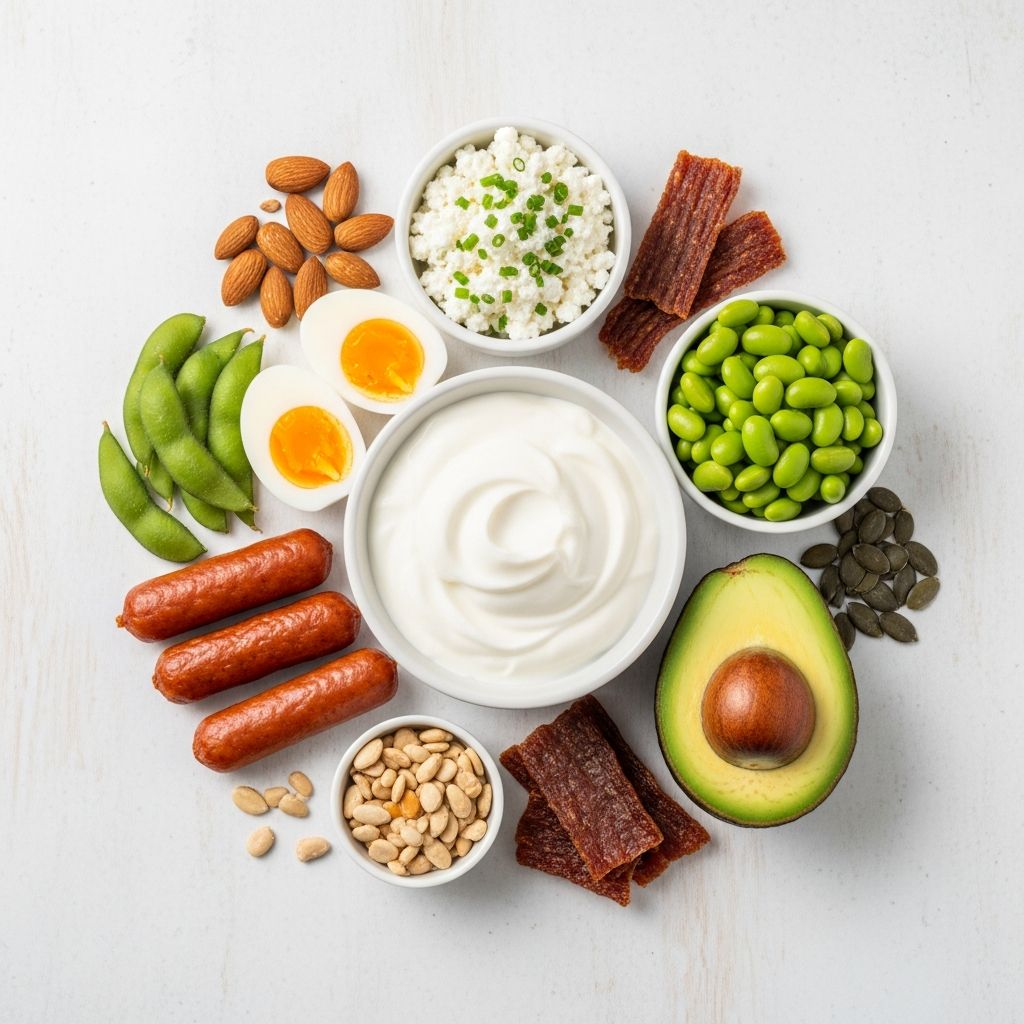
Greek yogurt has long reigned supreme as a go-to high-protein snack, typically delivering around 17 grams of protein per 7-ounce serving. But what if we told you there are even more powerful options hiding in plain sight? These 12 snacks not only surpass Greek yogurt’s protein punch but also bring unique nutritional benefits to the table—from fiber-rich legumes to lean meats packed with essential amino acids.
In a world where maintaining muscle mass, managing weight, and staying full between meals matters more than ever, protein reigns king. According to the USDA Dietary Guidelines, adults should aim for 46-56 grams daily, with higher needs for athletes and older adults. These snacks make hitting that target deliciously easy while supporting everything from workout recovery to metabolic health.
Whether you’re dodging the mid-afternoon slump or building a post-gym refuel, these options prove you don’t need yogurt to score major protein wins. Let’s dive into the rankings, complete with nutrition breakdowns, expert tips, and why each earns its spot on your snack rotation.
1. Roasted Edamame (21g protein)
Topping our list, roasted edamame delivers 21 grams of complete plant-based protein per cup—beating Greek yogurt by 4 grams. These immature soybeans are roasted to crispy perfection, offering a satisfying crunch without the need for cooking.
- Calories: 189
- Fiber: 8g (32% DV)
- Key Benefits: Rich in folate, vitamin K, and heart-healthy isoflavones that may reduce cholesterol.
Registered dietitian Toby Amidor, MS, RD, CDN, notes edamame’s complete amino acid profile makes it ideal for vegetarians. ‘Roast with a touch of sea salt for snackable perfection,’ she recommends. Studies from the Journal of Nutrition confirm soy protein rivals animal sources for muscle synthesis.
2. Pumpkin Seeds (19g protein)
Pepitas, or hulled pumpkin seeds, pack 19 grams per 3-ounce serving. Their magnesium content (535mg, over 100% DV) supports energy production and blood pressure regulation.
- Healthy Fats: 19g, mostly unsaturated
- Antioxidants: Zinc and vitamin E for immune defense
Snack tip: Toss with chili powder for spice. A 2020 Nutrients review highlights pumpkin seeds’ role in improving sleep quality via tryptophan.
3. Turkey Jerky (16-30g protein)
Quality turkey jerky offers 16-30 grams per ounce, depending on the brand. Opt for low-sodium, nitrate-free versions to maximize benefits.
- Lean Protein: Minimal fat, high in B vitamins
- Portability: Perfect for on-the-go fueling
Watch sodium (500-1000mg per serving). Per USDA FSIS, proper dehydration kills bacteria, making commercial jerky safe.
4. Roasted Chickpeas (19g protein)
One cup of roasted chickpeas crunches out 19 grams of protein plus 12 grams of fiber—a double whammy for satiety.
- Glycemic Index: Low, preventing blood sugar spikes
- Minerals: Manganese, folate, copper
Related Stories



DIY: Toss drained chickpeas with olive oil, cumin, and paprika; roast at 400°F for 30 minutes. Research in Appetite journal shows chickpeas increase fullness hormones.
5. Hard-Boiled Eggs (12g protein per 2 eggs)
Two large eggs provide 12 grams, but pairing with toppings pushes beyond yogurt territory. Their choline (270mg) supports brain health.
- Complete Protein: All essential amino acids
- Lutein/Zeaxanthin: Eye health protectors
Harvard’s long-term studies link egg consumption to lower heart disease risk, debunking cholesterol myths.
6. Cottage Cheese (28g protein per cup)
Low-fat cottage cheese hits 28 grams per cup, with casein protein for slow, sustained release—perfect before bed.
- Calcium: 125mg (12% DV)
- Probiotics: Gut-friendly strains
Flavor boost: Mix with pineapple or cinnamon. A British Journal of Nutrition study found casein superior for overnight muscle repair.
7. Tuna (25g protein per pouch)
A 5-ounce pouch of tuna delivers 25 grams of protein with omega-3s for heart and brain benefits.
- Selenium: 92mcg (167% DV)
- B12: High for energy metabolism
Choose albacore or skipjack; drain oil-packed versions. FDA mercury guidelines deem tuna safe in moderation.
8. Beef Jerky (22g protein per ounce)
Grass-fed beef jerky packs 22 grams per ounce, rich in iron (3mg) and creatine for muscle performance.
- CLA: Conjugated linoleic acid for fat loss
- Collagen: Joint health support
Per 2015 Meat Science review, jerky retains most nutrients of fresh beef.
9. Lentils (18g protein per cup cooked)
Cooked lentils offer 18 grams per cup with 16 grams fiber. They’re budget-friendly and versatile.
- Folate: 358mcg (90% DV)
- Polyphenols: Antioxidant power
Mix into salads or roast for crunchiness.
10. Almonds (21g protein per 3oz)
Three ounces of almonds provide 21 grams alongside vitamin E and monounsaturated fats.
- Prebiotic Fiber: Gut microbiome support
- Magnesium: 300mg+
Almond Board research shows daily handfuls reduce LDL cholesterol.
11. Salmon Jerky (20g protein)
Omega-3-rich salmon jerky delivers 20 grams per ounce with astaxanthin antioxidants.
- DHA/EPA: Brain and heart protection
- Potassium: Blood pressure balance
Superior to supplements per bioavailability studies.
12. Seitan (25g protein per 3oz)
Wheat gluten-based seitan offers 25 grams per 3 ounces—vegan’s steak alternative.
- Low Calorie: 120 per serving
- Soy-Free: Allergen-friendly
Season boldly; high in selenium and iron.
Why Protein Matters More Than Ever
Protein isn’t just for bodybuilders. It preserves muscle during weight loss (per American Journal of Clinical Nutrition), stabilizes blood sugar, and boosts metabolism via thermogenesis. Older adults need 1.2g/kg body weight to combat sarcopenia.
Snack Smart: Expert Tips
- Pair with veggies for volume without calories
- Choose minimally processed options
- Hydrate—protein needs water for digestion
- Rotate sources for nutrient diversity
Frequently Asked Questions (FAQs)
What snacks have more protein than Greek yogurt?
Roasted edamame (21g), pumpkin seeds (19g), turkey jerky (up to 30g), and cottage cheese (28g) top the list per USDA data.
Is 17g of protein from Greek yogurt good?
Excellent for most, providing 30-37% of daily needs. These alternatives offer even more concentrated doses.
Can I eat high-protein snacks daily?
Yes, but diversify protein sources and monitor sodium in jerky-style snacks.
Are plant-based options complete proteins?
Edamame, quinoa, and seitan yes; combine others like beans + rice for completeness.
References
- Dietary Guidelines for Americans, 2020-2025 — USDA. 2020-12-29. https://www.dietaryguidelines.gov/
- Soy Protein and Muscle Protein Synthesis — Journal of Nutrition. 2016-01-06. https://pubmed.ncbi.nlm.nih.gov/26721673/
- Pumpkin Seeds and Sleep Quality — Nutrients. 2018-06-28. https://www.ncbi.nlm.nih.gov/pmc/articles/PMC6017744/
- Making Jerky Safely — USDA FSIS. 2023-05-15. https://www.fsis.usda.gov/food-safety/safe-food-handling-and-preparation/meat-poultry-and-seafood/jerky
- Mercury Levels in Commercial Fish — FDA. 2024-01-10. https://www.fda.gov/food/metals-and-your-food/mercury-levels-commercial-fish-and-shellfish-1990-2012
Similar Articles








Read full bio of medha deb