Snail Mucin Benefits: Uses, Risks, And Expert Guide
Discover the hydrating power of snail mucin, its skincare uses, potential benefits, and important risks to consider before trying it.
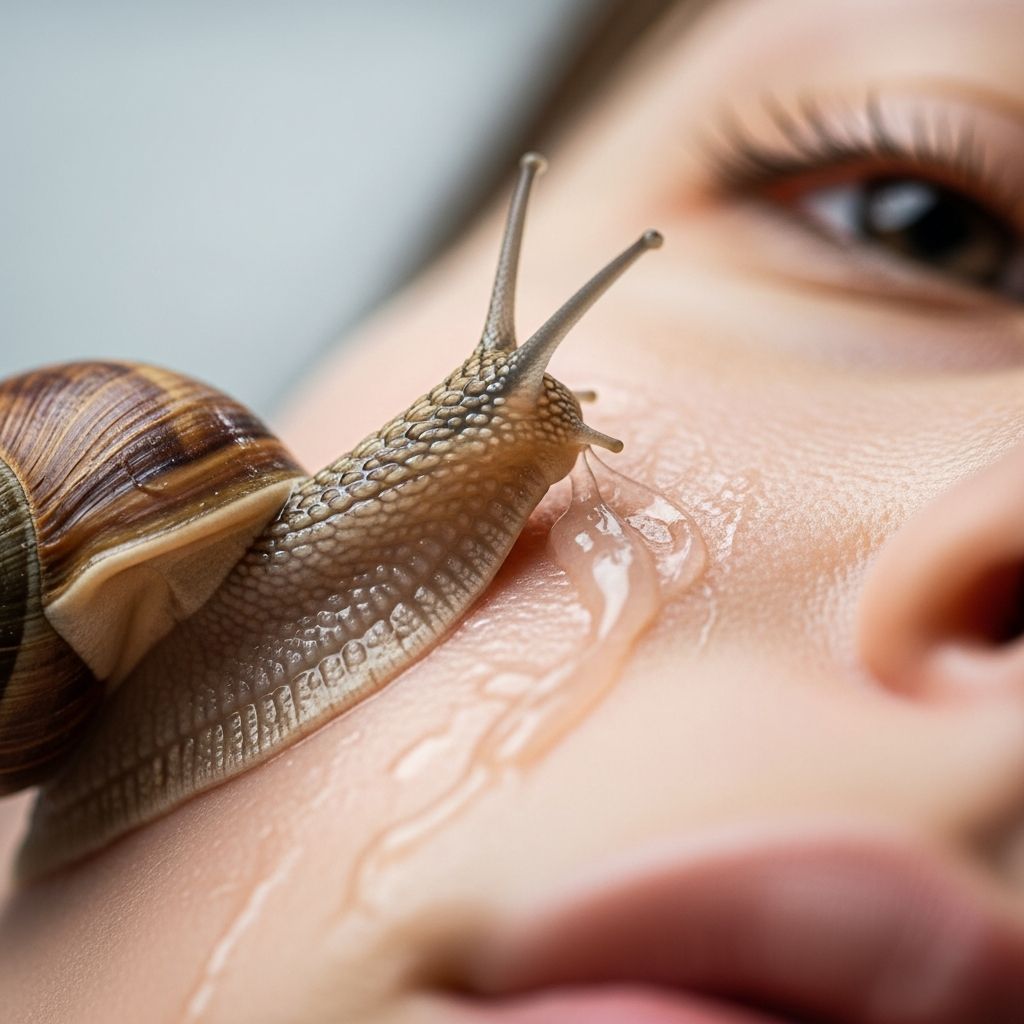
Snail mucin, also known as snail secretion filtrate, has surged in popularity in the skincare world, particularly within K-beauty routines. This natural substance produced by snails offers potential hydration and repair benefits but comes with risks like allergic reactions and ethical considerations. Dermatologists note its composition rich in hyaluronic acid, glycoproteins, and peptides supports skin barrier function, though results vary by individual.
What Is Snail Mucin?
Snail mucin is the viscous secretion produced by garden snails, primarily the species Cryptomphalus aspersa, to aid movement and protect against environmental stressors. In skincare, it’s harvested ethically from snails stimulated to produce mucin without harm, then purified and filtered for topical use.
Its key components include:
- Hyaluronic acid: A humectant that attracts and retains moisture in the skin.
- Glycoproteins and peptides: Support skin repair and regeneration.
- Allantoin: Promotes cell proliferation and wound healing.
- Alpha-hydroxy acids (AHAs): Provide gentle exfoliation for smoother texture.
These elements make snail mucin a multifunctional ingredient, often appearing in serums, essences, creams, and masks at concentrations of 50-96% in popular products.
Snail Mucin Benefits for Skin
Research and user reports highlight several benefits, though clinical evidence is emerging and often limited to specific formulations.
Hydration and Moisture Retention
Snail mucin’s hyaluronic acid content excels at hydrating dry or dehydrated skin. A study showed participants using snail mucin experienced significantly less transepidermal water loss compared to placebo, leading to plumper, softer skin. It’s particularly effective for maintaining moisture in harsh climates or after environmental exposure.
Wound Healing and Skin Repair
Historical use in wound care is supported by modern studies. Snail mucin accelerates healing post-radiation therapy and may aid acne scars or minor injuries by stimulating collagen production via allantoin. Animal studies also suggest benefits for internal wounds like ulcers, hinting at regenerative properties.
Anti-Aging Effects
Antioxidants and peptides in snail mucin combat free radicals, potentially reducing fine lines and improving elasticity. Users report diminished wrinkles and enhanced firmness after consistent use, attributed to boosted collagen synthesis.
Soothing Inflammation and Acne
Its anti-inflammatory compounds calm redness and irritation, making it suitable for sensitive or acne-prone skin in some cases. Gentle exfoliation from AHAs helps prevent clogged pores without harshness.
| Benefit | Key Component | Evidence Level |
|---|---|---|
| Hydration | Hyaluronic acid | Clinical studies |
| Wound healing | Allantoin | Animal/human trials |
| Anti-aging | Peptides/antioxidants | Anecdotal + preliminary |
| Anti-inflammatory | Glycoproteins | User reports |
How to Use Snail Mucin in Your Skincare Routine
Incorporate snail mucin after cleansing and toning, before moisturizer. Start with 2-3 applications per week to assess tolerance.
Related Stories



- Serums/Essences: Apply 2-3 drops to face, pat in gently. Ideal for all skin types.
- Moisturizers/Creams: Use as a nightly treatment for dry skin.
- Masks/Sheet Masks: Leave on 15-20 minutes, 1-2 times weekly.
- Spot Treatment: Dab on acne scars or irritated areas.
Pro Tip: Pair with niacinamide or centella for enhanced soothing, but avoid mixing with retinoids or strong acids initially to prevent irritation. Always follow with sunscreen during the day.
Snail Mucin Risks and Side Effects
While generally well-tolerated, snail mucin isn’t risk-free. Potential issues include:
- Allergic Reactions: Those allergic to mollusks or shellfish may experience hives, swelling, or anaphylaxis-like symptoms. Patch test mandatory.
- Skin Irritation: Redness, itching, burning, especially on sensitive or compromised skin barriers.
- Contact Dermatitis: Inflammation from glycoproteins or impurities.
- Pore Clogging: May be comedogenic for acne-prone skin without third-party testing, leading to breakouts or fungal acne.
Risk factors: Sensitive skin, concurrent use of actives, or unverified products. Discontinue if persistent redness or worsening conditions occur.
Who Should Avoid Snail Mucin?
Not everyone is a candidate:
- Mollusk/shellfish allergy sufferers.
- Highly sensitive or reactive skin types.
- Acne-prone individuals without comedogenicity testing.
- Pregnant/nursing individuals (limited safety data).
- Tweens/teens: May clog pores and lead to scarring.
Ethical Concerns with Snail Mucin
Harvesting methods vary; ethical brands stimulate mucin production without killing snails, but some practices stress animals or use poor conditions. Look for cruelty-free certifications and transparency on sourcing. Consumer demand has led to innovations like lab-synthesized alternatives.
How to Choose a Quality Snail Mucin Product
Select products specifying:
- Snail species (e.g., C. aspersa).
- Mucin source (foot vs. full secretion).
- Third-party testing for purity/comedogenicity.
- Clinical studies on the formula.
- High concentration (90%+).
Reputable K-beauty brands often provide this info. Patch test on inner arm for 24-48 hours before face use.
Frequently Asked Questions (FAQs)
What is snail mucin exactly?
It’s the purified mucus secreted by snails for protection and movement, rich in hydrators and repair agents.
Is snail mucin safe for sensitive skin?
It can be, but sensitive users risk irritation. Patch test and introduce gradually.
Does snail mucin clog pores?
Possibly, especially untested products on acne-prone skin. Opt for verified non-comedogenic options.
Can I use snail mucin while pregnant?
Limited data; consult a doctor.
How long until I see results from snail mucin?
Hydration improves in days; repair/anti-aging in 4-8 weeks with consistent use.
Is snail mucin vegan?
No, derived from snails, though synthetic versions exist.
References
- What are the potential side effects of using snail mucin on the skin? — DrOracle.ai. 2024. https://www.droracle.ai/articles/398092/what-are-the-potential-side-effects-of-using-snail
- Who SHOULDN’T Use Snail Mucin? K-Beauty’s Dark Side Revealed — Seoul Ceuticals. 2024. https://seoulceuticals.com/blogs/news/who-shouldnt-use-snail-mucin-k-beauty-s-dark-side-revealed
- Snail Mucin in Skincare: Benefits, Risks, and What Everyone (Especially Tweens) Should Know — Dr. Erumilyas. 2024. https://www.drerumilyas.com/post/snail-mucin-in-skincare-benefits-risks-and-what-everyone-especially-tweens-should-know
- From Ethics To Allergies, Here’s Why Snail Mucin Might Not Be For Everyone — Renee Rouleau Blog. 2024. https://blog.reneerouleau.com/snail-mucin-skincare/
- Snail Mucin: Benefits, Uses, and Effectiveness — WebMD. 2024-10-15. https://www.webmd.com/beauty/what-is-snail-mucin
Similar Articles








Read full bio of medha deb