Snake Bites: Symptoms, Treatment & Emergency Care
Complete guide to snake bite recognition, first aid, and medical treatment for venomous bites.
Understanding Snake Bites
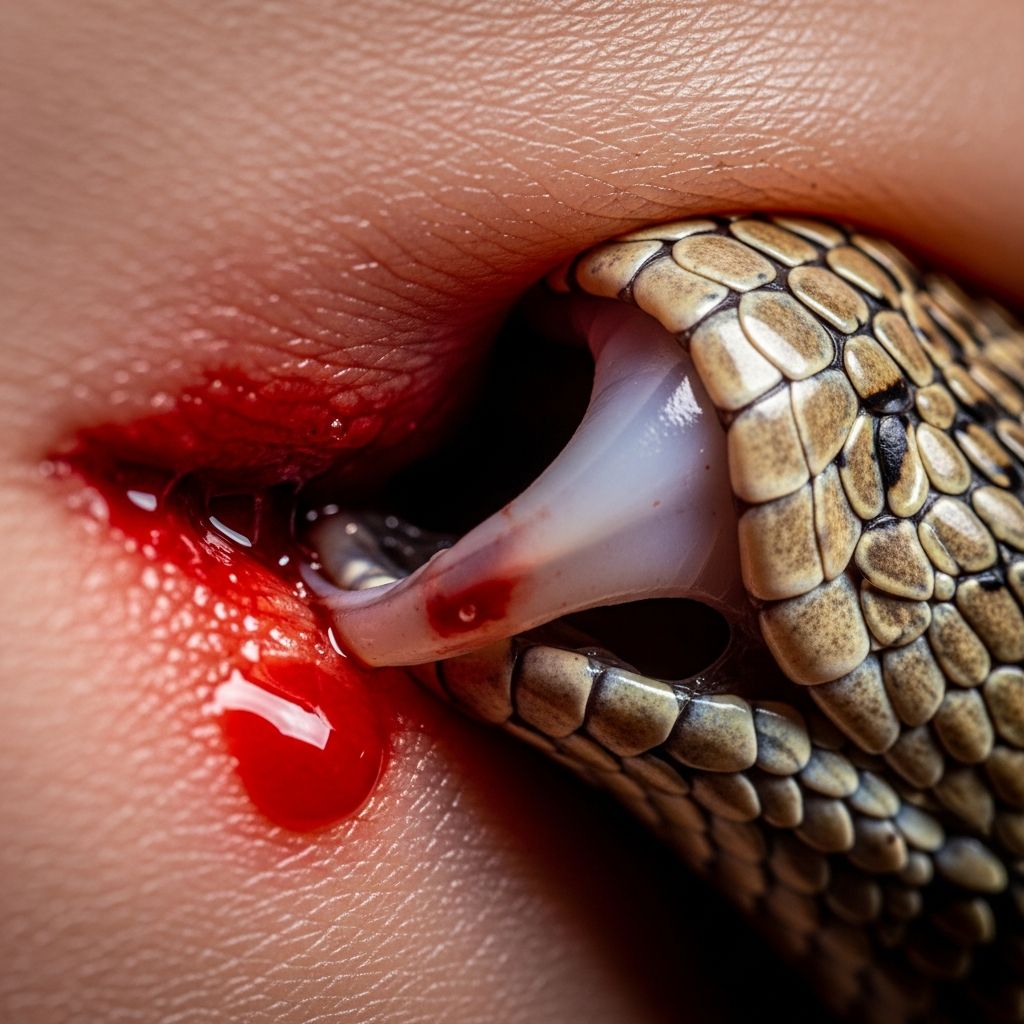
Snake bites represent a medical emergency that requires immediate attention and proper first aid response. While most snake bites in North America are caused by non-venomous species, venomous snake bites can cause severe tissue damage, systemic complications, and potentially life-threatening conditions if left untreated. Understanding the signs, symptoms, and appropriate response to snake bites can mean the difference between a successful recovery and permanent disability or death.
Each year, approximately 7,000 to 8,000 people are bitten by snakes in the United States, with about 25% of these bites being from venomous species. The severity of a snake bite depends on several factors, including the type of snake, the amount of venom injected, the location of the bite, and how quickly medical treatment is received.
Types of Venomous Snakes in North America
North America is home to several venomous snake species that pose risks to humans. Understanding which snakes are venomous in your region is essential for prevention and appropriate response.
Pit Vipers
Pit vipers are responsible for approximately 80% of venomous snake bites in the United States. This group includes rattlesnakes, copperheads, and cottonmouths (water moccasins). Pit vipers have heat-sensing pits located between their eyes and nostrils that help them detect prey. These snakes are typically found in various habitats, from forests and swamps to deserts and grasslands.
Coral Snakes
Coral snakes are less common causes of bites but are highly venomous. They can be identified by their distinctive red, yellow, and black banding pattern. The popular rhyme “Red touches yellow, kill a fellow; red touches black, friend of Jack” helps distinguish venomous coral snakes from non-venomous look-alikes.
Symptoms of Snake Bites
Snake bite symptoms vary depending on whether the bite was from a venomous or non-venomous snake. Recognizing these symptoms is crucial for determining the urgency of medical intervention.
Non-Venomous Snake Bite Symptoms
Bites from non-venomous snakes typically cause minimal symptoms and limited tissue damage. Signs may include:
- Puncture wounds or scratches from teeth
- Mild pain at the bite site
- Slight swelling and redness
- Minimal bleeding
Venomous Snake Bite Symptoms
Venomous snake bites produce more severe and progressive symptoms. Local and systemic effects can develop within minutes to hours of the bite. Common symptoms include:
- Severe pain that increases over time
- Rapid swelling and bruising around the bite site
- Discoloration of the skin
- Tissue damage and necrosis
- Oozing or bleeding from the bite site
- Numbness or tingling around the bite
- Weakness and muscle paralysis
- Difficulty breathing in severe cases
- Nausea and vomiting
- Coagulopathy (blood clotting problems)
Immediate First Aid Response
Related Stories



The first few minutes after a snake bite are critical. Proper first aid can prevent complications and stabilize the patient until emergency medical care arrives.
Steps to Take Immediately
- Move away from the snake: Get yourself and others to a safe distance from the snake. Do not attempt to capture or kill the snake. Even decapitated snake heads can bite and inject venom for up to 90 minutes after death.
- Stay calm: Panic increases heart rate and blood pressure, which can accelerate venom absorption. Remain as still as possible.
- Remove constrictive items: Take off jewelry, watches, rings, and tight clothing from the bitten extremity before swelling begins.
- Position the limb: Keep the bitten area in a neutral, comfortable position, ideally below heart level initially, then gradually elevate it above heart level once medical supervision begins.
- Clean the wound: Wash the bite area gently with soap and water to prevent infection.
- Apply a loose bandage: Cover the bite with a clean, dry bandage applied loosely to prevent constriction while the area swells.
- Call for emergency assistance: Contact 911 or your local emergency number immediately, even if you are unsure whether the snake was venomous.
What NOT to Do After a Snake Bite
Common misconceptions about snake bite treatment can worsen outcomes. Avoid these harmful practices:
- Do not apply a tourniquet: Tourniquets can localize venom and accelerate tissue damage. They also increase the risk of permanent disability.
- Do not apply ice or use cold therapy: Prolonged cold exposure can cause worsened tissue injury and permanent disability. While brief ice application (less than one minute) may help with pain, extended use is contraindicated.
- Do not cut the bite: Incising the bite area does not remove venom and causes additional tissue damage and infection risk.
- Do not attempt to suck out the venom: This outdated technique does not effectively remove venom and causes additional trauma.
- Do not use electrical shock: Electrical shock treatment does not neutralize venom and causes additional tissue damage.
- Do not use NSAIDs: Nonsteroidal anti-inflammatory drugs such as aspirin, ibuprofen, and naproxen can increase bleeding risk due to platelet dysfunction.
- Do not consume caffeine or alcohol: These substances can increase heart rate and accelerate venom absorption.
When to Seek Emergency Care
Any snake bite should be evaluated by a healthcare professional. Seek emergency care immediately if:
- You were bitten by a snake and cannot determine if it was venomous
- The bitten area begins to swell, change color, or becomes increasingly painful
- You develop systemic symptoms such as weakness, difficulty breathing, or bleeding
- The bite is on your face, hands, or genitals
- You have pre-existing medical conditions that may complicate recovery
Even “dry bites” where minimal or no venom is injected should be monitored in a medical setting, as approximately 10% of venomous snake bites are dry bites but all should be treated as potential envenomations.
Emergency Department Management
Upon arrival at the emergency department, healthcare providers will conduct a thorough assessment and implement treatment protocols.
Initial Evaluation
Emergency physicians will assess the type of snake involved if possible, examine the bite location and severity, and monitor for signs of systemic envenomation. Healthcare providers may mark the leading edge of swelling and note the time to track venom progression. This helps guide decisions regarding antivenom administration.
Antivenom Therapy
Antivenom is the most effective treatment for venomous snake bites and works best when administered within the first six hours after a bite, though it can remain effective up to a day or sometimes a week afterward. Different antivenom formulations target specific snake species or groups, so identifying the snake species is important for selecting appropriate treatment.
For pit viper bites, CroFab (crotalidae polyvalent immune fab) or Anavip (crotalidae immune f(ab’)2) may be administered. For coral snake bites, specific coral snake antivenom may be required. Healthcare providers will determine the appropriate antivenom based on the type of snake and severity of envenomation.
Supportive Care
Beyond antivenom, emergency care includes:
- Pain management with appropriate medications
- Limb elevation and immobilization
- Monitoring for coagulopathy and bleeding complications
- Tetanus prophylaxis if needed
- Antibiotics to prevent infection
- Observation for delayed systemic complications
Factors Affecting Snake Bite Severity
Several factors influence the severity of snake bite envenomation and treatment outcomes:
| Factor | Impact on Severity |
|---|---|
| Snake species and size | Larger snakes and certain species inject more venom with more potent toxins |
| Venom amount injected | “Dry bites” with no venom are less severe; multiple bites are more dangerous |
| Bite location | Bites to the face, neck, or torso are more severe; extremity bites allow more time for treatment |
| Bite depth | Deep bites inject venom into deeper tissues and bloodstream faster |
| Patient age and health | Children, elderly, and those with pre-existing conditions are at higher risk for complications |
| Time to treatment | Faster access to antivenom significantly improves outcomes |
Prevention of Snake Bites
Prevention is always preferable to emergency treatment. Taking these precautions reduces your risk of snake encounters:
- Wear protective footwear and long pants when hiking or working outdoors in snake-prone areas
- Watch where you step and place your hands
- Avoid reaching into areas where snakes may hide
- Stay on designated trails
- Make noise while hiking to alert snakes to your presence
- Never attempt to capture, kill, or handle snakes
- Keep your yard clear of rodents and debris that attract snakes
- Seal gaps and holes in your home’s foundation and walls
Long-Term Outcomes and Complications
Most patients who receive prompt, appropriate medical care recover well from snake bites. However, serious complications can occur, particularly with delayed treatment or severe envenomations:
- Permanent tissue damage and necrosis requiring skin grafts
- Loss of limb function or amputation in severe cases
- Kidney failure from myoglobinuria
- Coagulopathy and bleeding complications
- Respiratory failure requiring mechanical ventilation
- Psychological effects from the traumatic event
Prompt recognition of symptoms, immediate first aid, and rapid transport to medical facilities significantly improve outcomes and reduce the risk of permanent disability.
Frequently Asked Questions
Q: How can I tell if a snake is venomous?
A: In North America, venomous snakes include pit vipers (identifiable by heat-sensing pits between their eyes and nostrils and triangular heads) and coral snakes (with red, yellow, and black banding). However, if you are unsure, treat any snake bite as potentially venomous and seek immediate medical attention.
Q: What should I do if bitten by a snake I cannot identify?
A: Call 911 immediately and treat the bite as if it came from a venomous snake. Provide as much information as possible about the snake’s appearance to help emergency responders determine appropriate treatment.
Q: Can snake bites be fatal?
A: Yes, venomous snake bites can be fatal, particularly if untreated or if treatment is significantly delayed. However, with prompt medical intervention and appropriate antivenom therapy, most bite victims survive and recover well.
Q: How long does antivenom take to work?
A: Antivenom begins working within hours of administration, with most patients showing clinical improvement. However, continued observation and supportive care are necessary for 24 hours or longer depending on the severity of the bite.
Q: Is it safe to hike in areas with venomous snakes?
A: Yes, with proper precautions. Wear protective clothing, stay alert, make noise while walking, and never attempt to handle snakes. Most snakes avoid humans when given the opportunity.
References
- Snakebites: First aid — Mayo Clinic. 2024. https://www.mayoclinic.org/first-aid/first-aid-snake-bites/basics/art-20056681
- EMS management of snakebites: Dos and Don’ts — EMS1. 2024. https://www.ems1.com/snake-bite/articles/back-to-the-basics-snakebites-QIkMogf8QxnCo5g6/
- Approach and management of venomous snake bites – guide for primary care physicians — American College of Osteopathic Family Physicians (ACOFP). 2012. https://acofp.org/news-and-publications/journal/article-detail/vol-4-no-5-(2012)/approach-management-venomous-snake-bites-guide-primary-care-physician
- When Insect Stings and Snake Bites Need ER Care — Surepoint Emergency Center. 2024. https://surepoint-er.com/blog/snake-bites/
Similar Articles








Read full bio of Sneha Tete