6 Sneaky Signs You’re Eating Too Much Salt
Discover hidden warning signs of excessive salt intake and protect your heart health today.
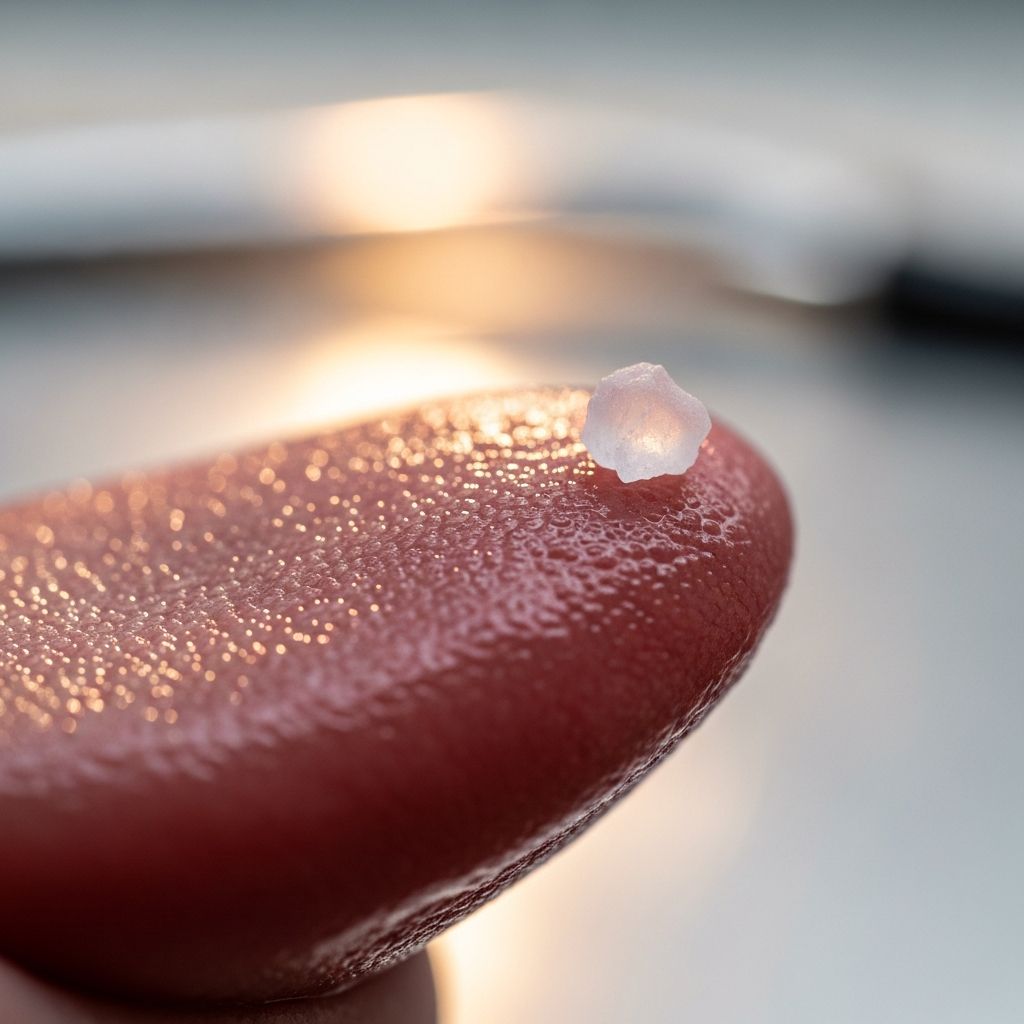
Most Americans consume far more salt than their bodies need. According to the FDA, the average American eats approximately 3,400 mg of sodium per day—more than 50 percent above the recommended daily limit of 2,300 mg per day, which equals about one teaspoon of table salt. While sodium plays an essential role in bodily functions like nerve transmission and muscle contraction, excessive intake can silently damage your cardiovascular system and overall health. The challenge is that many people don’t realize they’re consuming too much salt because it hides in unexpected places. Understanding the sneaky signs of excessive salt consumption can help you take action before serious health problems develop.
Why Salt Matters: Understanding Sodium’s Role
Sodium is a mineral your body needs in small amounts to maintain proper fluid balance, support nerve function, and enable muscle contractions. However, the typical American diet contains two to three times more sodium than necessary. This excess creates a cascade of physiological stress that manifests in ways many people don’t immediately connect to their salt intake. “Sure, your body needs a bit of salt to function, but too much can silently pave the way to high blood pressure, a major risk factor for heart disease, stroke, kidney failure, and even increases the risk for stomach cancer,” explains Cheryl Mussatto, R.D., at the cardiac rehab at Cotton O’Neil Heart Center in Topeka, Kansas.
Short-Term vs. Long-Term Effects
The effects of excessive salt intake occur on two timescales. In the short term, you might experience bloating, thirst, or puffiness that resolves when your sodium intake normalizes. However, long-term overconsumption of salt creates serious health risks including enlarged heart muscle, headaches, heart failure, high blood pressure, kidney disease, kidney stones, osteoporosis, stomach cancer, and stroke. Understanding both the immediate warning signs and the long-term consequences helps you recognize when it’s time to cut back on sodium.
Sign #1: Persistent Bloating and Water Retention
One of the most common and noticeable short-term effects of excessive salt consumption is bloating. When you eat too much salt, your body retains additional water to dilute the sodium in your bloodstream. This causes your stomach to feel swollen or tight, and excess fluid builds up throughout your tissues. You may notice that your face, hands, feet, and ankles appear puffier than usual. Many people experience this bloating sensation most noticeably in the morning after consuming a high-sodium meal the previous day.
The water retention associated with excess salt can be particularly pronounced in specific areas. Your eyelids may appear swollen when you wake up, rings may feel tighter on your fingers, and your ankles or entire feet may swell to the point where pressing with your hand leaves a slight indentation. This is your body’s way of compensating for the excess sodium—it pulls water from inside your cells into the spaces between cells, creating visible puffiness. If you notice this pattern regularly, it’s a clear signal to examine your recent dietary choices for hidden sodium sources.
Sign #2: Unexplained Weight Gain
If you’ve gained weight rapidly over a few days or a week without increasing your caloric intake, excess salt consumption could be the culprit. Because salt causes water retention, the number on the scale can jump dramatically. Gaining more than 2 pounds in a single day or 4 pounds in a week often indicates water retention from high sodium intake rather than actual fat gain. For people with cardiovascular conditions, particularly heart failure patients, sudden weight gains of more than 1 kilogram per day or over 2 kilograms per week signal the need to review dietary salt intake.
The connection between salt and weight gain is straightforward: when you consume excess sodium, your body responds by retaining fluid to maintain proper osmotic balance. This retained water adds pounds to your weight. While this weight typically resolves when you reduce salt intake and drink adequate water, the pattern is worth noting. If you experience sudden weight gains consistently following high-sodium meals, you’ve identified a clear warning sign of overconsumption.
Related Stories



Sign #3: Increased Thirst and Dry Mouth
Excessive salt consumption triggers dehydration at the cellular level. When sodium concentrations in your blood become too high, water is pulled from your cells to dilute the salt. This process leaves you feeling intensely thirsty—a sensation that persists even after you’ve consumed water. Your mouth may feel dry, your lips may become chapped, and you may find yourself reaching for drinks more frequently than usual.
This thirst response is your body’s attempt to dilute excess sodium and restore proper fluid balance. However, it creates a problematic cycle: you drink more water because of the salt, which increases urine output and can lead to additional symptoms. The dry mouth and persistent thirst despite adequate fluid intake is a reliable indicator that you should examine your salt consumption. Keeping a food diary for a few days can help you identify where hidden sodium might be entering your diet.
Sign #4: Changes in Urination Patterns
Excess salt consumption affects your urinary system in noticeable ways. You may find yourself urinating more frequently than usual, which occurs because salt makes you thirsty and encourages increased water intake. Additionally, after a particularly salty meal, your urine may appear darker, thicker, and develop a more pungent odor. These changes reflect your kidneys’ efforts to eliminate excess sodium from your body.
The increased urination, sometimes called nocturia when it occurs at night, can disrupt your daily routine and sleep patterns. If you notice that bathroom trips have increased following salty meals, this serves as a useful personal indicator of overconsumption. Some people with severe salt sensitivity may even experience heart palpitations or unusually frequent urination in cases of very high intake.
Sign #5: Sleep Disturbances and Fatigue
The effects of excess salt extend to your sleep quality. Eating salt, particularly before bed, can lead to multiple sleep disturbances including difficulty falling asleep, frequent waking during the night, nocturia (nighttime urination), and waking feeling unrested and dizzy. Your sleep may feel restless, and you might not feel refreshed after a full night’s sleep. These sleep disruptions compound over time, affecting your daytime energy, mood, and cognitive function.
The mechanism behind salt-induced sleep problems involves the physiological stress salt places on your body. Your body is working to process and eliminate excess sodium throughout the night, which prevents the deep, restorative sleep your body requires. If you’ve noticed a correlation between high-sodium meals and poor sleep quality, reducing salt intake several hours before bedtime can significantly improve your sleep architecture and morning alertness.
Sign #6: High Blood Pressure Readings
Perhaps the most critical sign of excessive salt consumption is elevated blood pressure. High blood pressure, defined as readings consistently above 140/90 mmHg, frequently results from dietary sodium overload. The mechanism is straightforward: excess salt makes it harder for your kidneys to eliminate unnecessary fluid, causing blood volume to increase and blood pressure to rise. This is why blood pressure monitoring is especially important for cardiovascular patients.
“There’s also data to suggest that if our blood pressure is sensitive to salt, that further increases our risk for heart attack and stroke,” according to medical professionals studying sodium’s cardiovascular effects. You can monitor your blood pressure at home in the morning using an inexpensive digital monitor. If your readings consistently exceed 140/90 mmHg, reducing sodium intake—along with consulting your healthcare provider—should be a priority. The relationship between salt and blood pressure is so well-established that reducing sodium is one of the first dietary interventions doctors recommend for hypertension management.
The Hidden Salt Problem: Sneaky Sodium Sources
Understanding where salt hides in your diet is crucial for reducing intake. Many foods don’t taste particularly salty yet contain significant sodium amounts. Common culprits include sandwiches, pizza, bagels, and canned soup. Processed foods, restaurant meals, and prepared items typically contain far more sodium than home-cooked versions. The FDA notes that 70-75% of dietary sodium comes from processed and restaurant foods rather than salt added during cooking or from the salt shaker.
To identify high-sodium foods, read nutrition labels carefully. Look for items with less than 400 mg of sodium per serving for snacks and side dishes, and less than 800 mg per serving for main dishes. Compare similar products to find lower-sodium alternatives. Making more meals at home gives you complete control over sodium content and helps you recognize which store-bought items contribute excess salt to your diet.
Taking Action: How to Reduce Your Salt Intake
If you recognize any of these six signs in your life, several practical strategies can help reduce sodium intake:
- Read nutrition labels: Check sodium content on packaged foods and choose lower-sodium versions when available.
- Cook at home: Preparing meals yourself eliminates most hidden sodium found in restaurant and processed foods.
- Use flavor alternatives: Replace salt with herbs, spices, lemon juice, garlic, and vinegar to maintain flavor without sodium.
- Limit processed foods: Reduce consumption of canned soups, deli meats, frozen meals, and fast food.
- Rinse canned vegetables: If using canned vegetables, draining and rinsing them can reduce sodium content by up to 40%.
- Watch condiments: Soy sauce, fish sauce, salad dressings, and condiments contain concentrated sodium—use sparingly.
- Stay hydrated: Drinking adequate water helps your kidneys process sodium more effectively.
- Monitor progress: Track your symptoms and blood pressure to measure improvement as you reduce intake.
Frequently Asked Questions
Q: How much sodium should I consume daily?
A: The FDA and American Heart Association recommend limiting sodium intake to 2,300 mg per day (approximately one teaspoon of salt). However, some health organizations suggest that 1,500 mg daily is ideal for optimal cardiovascular health.
Q: Can I get enough sodium if I avoid adding salt to my food?
A: Yes. Most people easily consume adequate sodium from naturally occurring sources in foods and processed items, even without adding salt. Most Americans need to reduce rather than increase sodium intake.
Q: How quickly will my symptoms improve if I reduce salt intake?
A: Many short-term symptoms like bloating and water retention improve within a few days to a week of reducing sodium. Blood pressure improvements may take several weeks to a few months of consistent lower salt intake.
Q: Is sea salt or kosher salt healthier than table salt?
A: All salt forms contain sodium and have similar health effects. While some contain trace minerals, the sodium content and health impact are essentially equivalent. The type of salt matters less than the total amount consumed.
Q: Can salt sensitivity vary between individuals?
A: Yes. Some people’s blood pressure responds more dramatically to salt than others. Factors like age, genetics, kidney function, and overall health influence individual salt sensitivity.
Q: Should I use salt substitutes to reduce sodium?
A: Salt substitutes containing potassium chloride may help some people, but individuals with kidney disease or taking certain medications should consult their doctor before using them, as they can increase potassium to dangerous levels.
References
- 8 serious signs that you are consuming too much salt — CarePlus International Clinic System. Accessed January 28, 2026. https://careplusvn.com/en/8-serious-signs-that-you-are-consuming-too-much-salt
- You’re Probably Eating Way Too Much Salt. Here’s How to Tell. — Men’s Health. 2024. https://www.menshealth.com/nutrition/a62353788/are-you-eating-too-much-salt/
- Signs You’re Eating Too Much Salt — WebMD. Accessed January 28, 2026. https://www.webmd.com/diet/ss/slideshow-too-much-salt
- Effects of Excess Sodium Infographic — American Heart Association. 2022. https://www.heart.org/en/healthy-living/healthy-eating/eat-smart/sodium/effects-of-excess-sodium-infographic
- What doctors wish patients knew about sodium consumption — American Medical Association. Accessed January 28, 2026. https://www.ama-assn.org/public-health/prevention-wellness/what-doctors-wish-patients-knew-about-sodium-consumption
Similar Articles








Read full bio of Sneha Tete