Leaky Gut Syndrome: 7 Sneaky Signs You Can’t Ignore
Discover the subtle symptoms of leaky gut syndrome and learn how to heal your gut for better overall health and wellness.
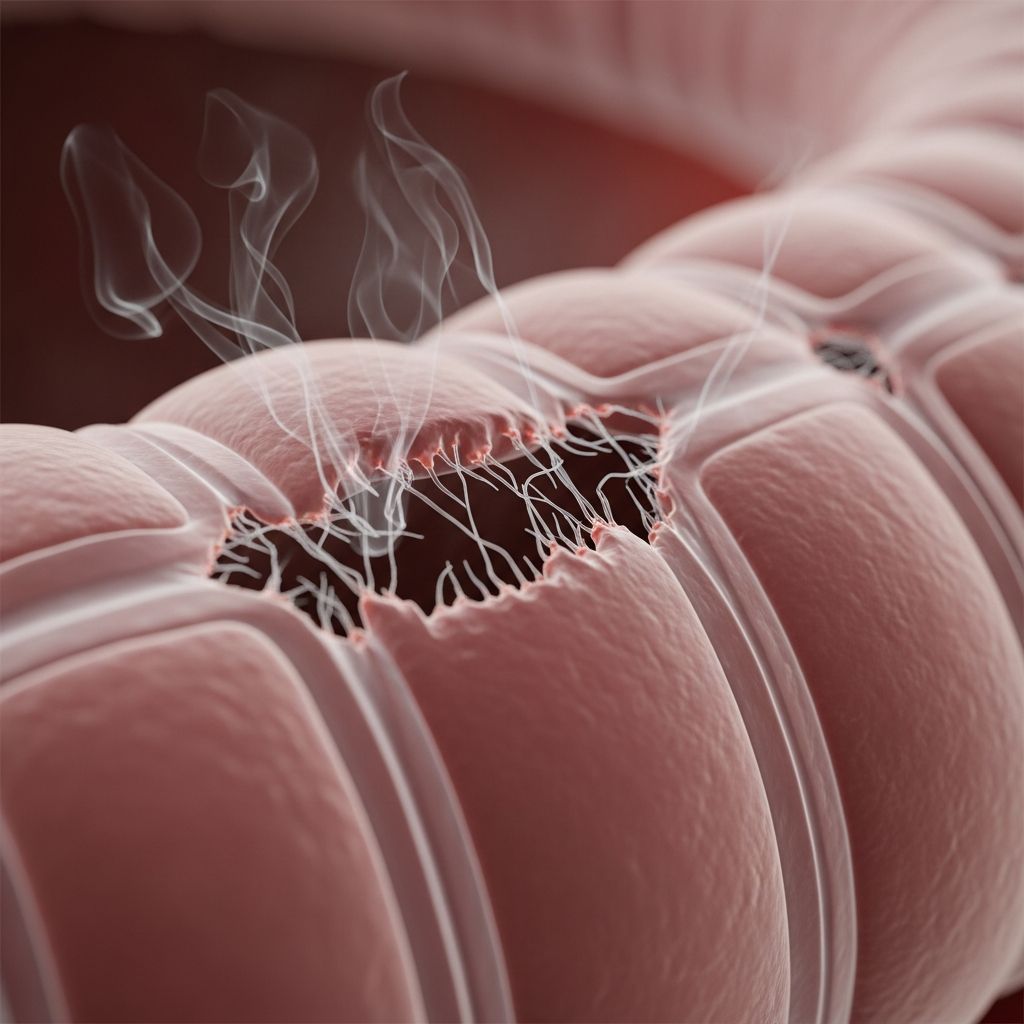
Leaky gut syndrome, or increased intestinal permeability, occurs when the lining of the small intestine becomes compromised, potentially allowing undigested food particles, toxins, and bacteria to enter the bloodstream and trigger inflammation. While not formally recognized as a medical diagnosis by all experts, research indicates it may contribute to various symptoms like digestive distress and chronic fatigue. This article explores the subtle signs, potential causes, and strategies to support gut barrier function.
What Is Leaky Gut Syndrome?
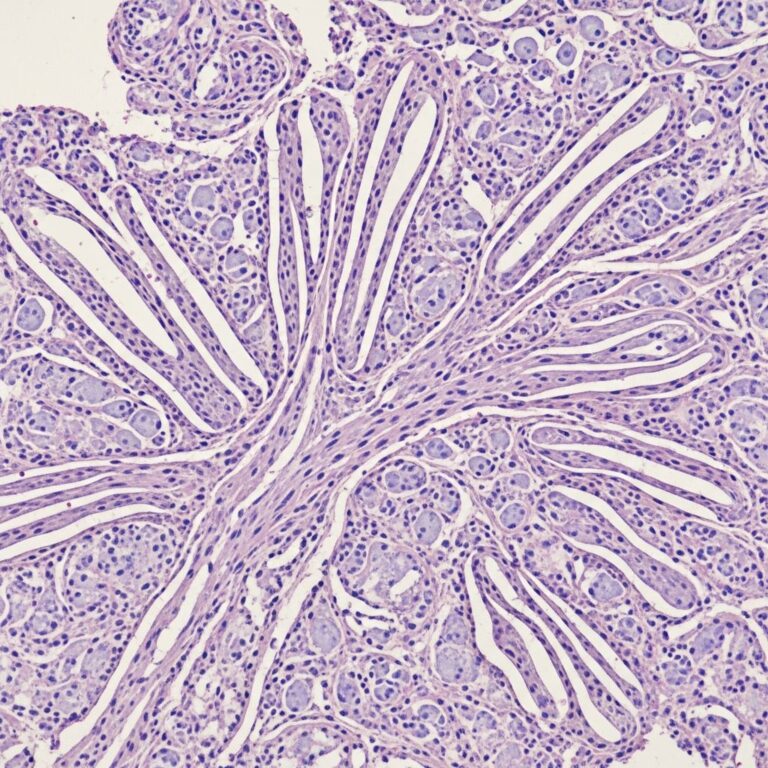
The intestinal lining acts as a selective barrier, with tight junctions regulating what passes into the bloodstream. When these junctions loosen—due to factors like poor diet or stress—harmful substances may leak through, prompting immune responses and inflammation. Normal intestinal permeability exists in everyone, but excessive permeability is linked to conditions like IBS and autoimmune issues in some studies.
Though popularized in wellness circles, medical consensus views leaky gut as a hypothesis rather than a standalone disease. Symptoms overlap with many conditions, making diagnosis challenging without validated tests.
Sneaky Signs You Might Have Leaky Gut Syndrome
Symptoms are often nonspecific and mimic other issues, but persistent patterns may signal gut barrier dysfunction. Common sneaky signs include:
- Digestive issues: Bloating, gas, diarrhea, constipation, or IBS-like symptoms such as abdominal pain and urgency.
- Food sensitivities: New intolerances to foods previously tolerated, leading to bloating or discomfort after eating.
- Chronic fatigue: Persistent tiredness despite adequate rest, possibly from systemic inflammation.
- Skin problems: Eczema, acne, rashes, or psoriasis, as gut issues can manifest dermatologically.
- Joint pain: Unexplained inflammation or arthritis-like symptoms.
- Mood disorders: Anxiety, depression, or brain fog, reflecting the gut-brain axis.
- Autoimmune flares: Worsening of conditions like rheumatoid arthritis or lupus.
These signs can develop gradually, often after triggers like infections or antibiotic use. For instance, a case study described a woman with post-food poisoning bloating, pain, and diarrhea persisting for years, potentially linked to permeability changes.
What Causes Leaky Gut Syndrome?
Several factors may damage the gut lining and increase permeability:
- Poor diet: High intake of processed foods, refined sugars, gluten (especially in sensitive individuals), and artificial additives disrupts gut bacteria and lining integrity.
- Chronic stress: Elevates cortisol, altering the microbiome and weakening tight junctions.
- Medications: Overuse of NSAIDs, antibiotics, or alcohol erodes the mucosal barrier.
- Infections and dysbiosis: Conditions like SIBO, Candida overgrowth, or food poisoning compromise the lining.
- Lifestyle factors: Sleep deprivation, lack of exercise, and environmental toxins exacerbate vulnerability.
Evidence shows these elements influence permeability, though not all lead to symptoms in everyone. Gluten’s role, often highlighted online, lacks strong causal proof beyond celiac disease.
How Is Leaky Gut Syndrome Diagnosed?
No standard diagnostic test exists for leaky gut, as symptoms are nonspecific and overlap with IBS, allergies, and more. Clinicians may use:
- Zonulin tests or lactulose-mannitol urine tests to measure permeability, though not widely validated.
- Endoscopy with confocal laser endomicroscopy in research settings.
- Exclusion of other conditions via bloodwork, stool tests, or imaging.
Experts caution against self-diagnosis based on symptoms alone, recommending consultation with gastroenterologists.
Can Leaky Gut Syndrome Be Treated?
Related Stories



Management focuses on addressing root causes and supporting gut health, though evidence for curing “leaky gut” is limited. Strategies include:
Dietary Changes
- Elimination diets to identify triggers like gluten or dairy.
- Incorporate anti-inflammatory foods: Leafy greens, berries, fatty fish rich in omega-3s, nuts, and seeds.
- Probiotics/prebiotics: Fermented foods (yogurt, kefir, sauerkraut, kimchi) and fibers to nourish beneficial bacteria.
Lifestyle Modifications
- Stress reduction: Meditation, yoga, or therapy to lower cortisol.
- Adequate sleep and regular exercise to bolster the microbiome.
- Hydration and limiting alcohol/NSAIDs.
Supplements (Under Medical Guidance)
- L-glutamine, zinc, or collagen to repair the lining (preliminary evidence).
- Probiotic strains like Lactobacillus or Bifidobacterium.
Avoid unproven “leaky gut cures” marketed online.
Leaky Gut Syndrome FAQs
Is leaky gut syndrome a real medical condition?
Increased intestinal permeability is a physiological phenomenon, but “leaky gut syndrome” as a distinct diagnosis is not universally accepted. It’s associated with symptoms but requires ruling out other diseases.
Who is at risk for leaky gut?
Those with poor diets, chronic stress, frequent antibiotic use, or conditions like IBS/celiac disease.
Can diet alone heal leaky gut?
Diet supports gut health but may not suffice alone; combine with lifestyle changes and medical advice.
How long does it take to heal leaky gut?
Varies from weeks to months, depending on causes and adherence to changes. Persistent symptoms warrant professional evaluation.
Does stress cause leaky gut?
Chronic stress can influence permeability via microbiome changes, but it’s one of many factors.
Prevention Tips for Optimal Gut Health
Maintain a diverse, fiber-rich diet, manage stress, and use medications judiciously to preserve barrier function.
| Category | Examples | Benefits |
|---|---|---|
| Probiotic Foods | Yogurt, Kefir, Sauerkraut | Support beneficial bacteria |
| Prebiotic Fibers | Garlic, Onions, Bananas | Feed good gut microbes |
| Anti-Inflammatory | Salmon, Berries, Turmeric | Reduce gut inflammation |
Consult healthcare providers before major changes, especially with underlying conditions.
References
- Leaky Gut Syndrome: The Silent Saboteur of Your Health! — YouTube. 2023. https://www.youtube.com/watch?v=pnD9Yqe8EgI
- Leaky Gut Syndrome: Understanding the Hidden Connection Between Gut Health and Chronic Illness — MTI of New York. 2024. https://www.mtiofnewyork.com/leaky-gut-syndrome-understanding-the-hidden-connection-between-gut-health-and-chronic-illness/
- Leaky Gut Syndrome: Myths and Management — PMC (National Library of Medicine). 2024-08-15. https://pmc.ncbi.nlm.nih.gov/articles/PMC11345991/
- 11 Signs You Have the Leaky Gut and How to Heal It — Medanta. 2024. https://www.medanta.org/patient-education-blog/11-signs-you-have-the-leaky-gut-and-how-to-heal-it
Similar Articles








Read full bio of Sneha Tete