Sneaky Signs You Might Need a Fiber Supplement
Discover subtle indicators like constipation, bloating, constant hunger, and high cholesterol that signal low fiber intake and when supplements can help bridge the gap.

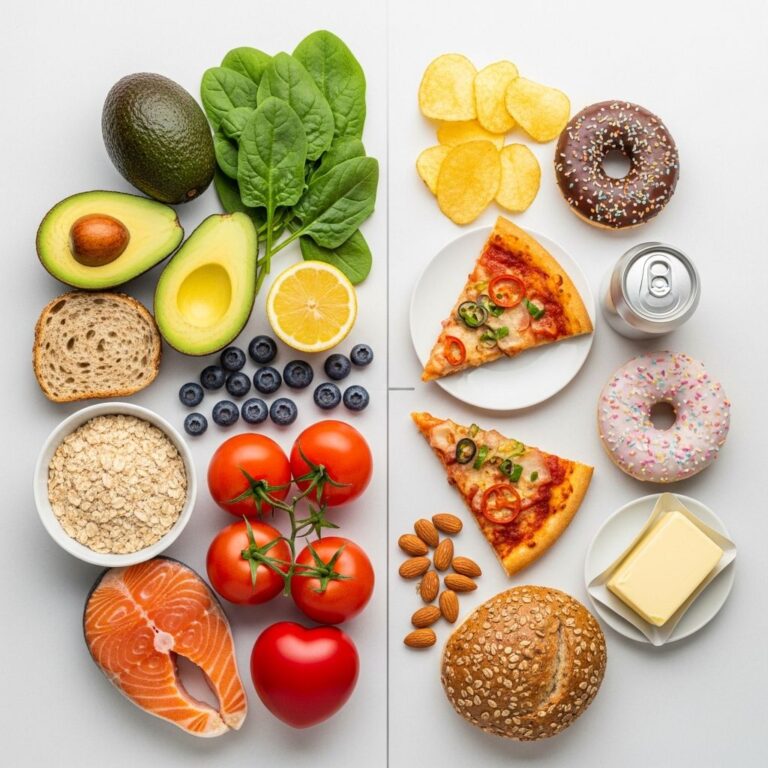
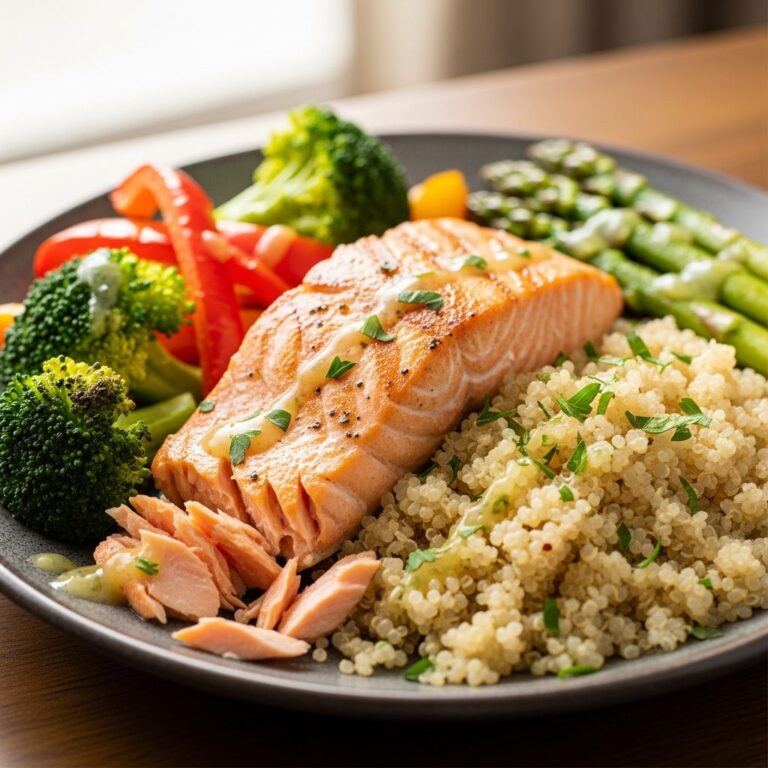
Most Americans fall short on fiber intake, with research indicating that around 97% of men and 90% of women do not meet daily recommendations. Fiber is essential for digestion, heart health, blood sugar control, and satiety, acting as a ‘team player’ in overall wellness. While the ideal approach is consuming fiber-rich foods like vegetables, fruits, whole grains, legumes, and nuts, certain symptoms may suggest a fiber supplement could provide targeted support. This article explores those subtle cues, how to choose and use supplements safely, and why they should complement—not replace—a nutrient-dense diet.
What Is Fiber and Why Do You Need It?
Dietary fiber refers to the indigestible parts of plant foods that travel through the digestive system, aiding bowel regularity, cholesterol reduction, and blood sugar stability. There are two main types: soluble fiber, which dissolves in water to form a gel-like substance that slows digestion and binds cholesterol, and insoluble fiber, which adds bulk to stool and promotes movement through the gut. Soluble fiber, found in oats, legumes, fruits, and vegetables, is particularly effective at lowering LDL (‘bad’) cholesterol by binding to it in the digestive tract.
Adults should aim for 25-38 grams daily, depending on age and sex, but average intake hovers around 15 grams. Insufficient fiber links to constipation, obesity, diabetes, and heart disease risks. A Stanford study highlighted fiber’s varied effects: arabinoxylan reduced LDL cholesterol via gut bacteria producing bile acids that break down lipids, while inulin caused inflammation spikes in some at high doses. Personalized responses underscore that fiber isn’t one-size-fits-all.
Sign #1: You’re Dealing with Constipation
Persistent constipation—fewer than three bowel movements weekly or straining—often signals low fiber, especially if dietary increases haven’t helped. Fiber supplements can offer short-term relief by bulking stool and drawing water into the intestines. Dietitian Maddie Pasquariello recommends them for a couple of weeks alongside food sources, not long-term.
In one study, participants consuming arabinoxylan saw microbiome shifts that enhanced lipid processing and bowel health, though individual variations occurred. If constipated for days, start with a supplement like psyllium husk, but consult a provider if symptoms persist beyond two weeks or include blood or severe pain.
Sign #2: You’re Dealing with Bloating or Abdominal Discomfort
Bloating frequently stems from underlying constipation, where backed-up stool causes abdominal distension. Dietitian Amanda Sauceda notes that resolving constipation often alleviates bloating as a byproduct. Insoluble fiber speeds transit time, reducing gas buildup, while soluble fiber softens stool.
However, excessive fiber—especially soluble—without adequate water can worsen bloating or cause gas. Novant Health warns that too much soluble fiber binds nutrients like calcium and iron or interferes with medications. Gradually increase intake and hydrate to mitigate this.
Sign #3: You’re Hungry All the Time
Constant hunger despite meals may indicate low fiber, which slows digestion, expands in the stomach for fullness, and stabilizes blood sugar to prevent hunger-inducing spikes. Sauceda explains that fiber curbs unnecessary calorie intake by avoiding post-meal crashes.
Fiber-rich meals promote satiety hormones and delay gastric emptying. If hunger persists, track intake; supplements like inulin can mimic this effect, but a Stanford trial showed varied responses—some thrived, others experienced inflammation. Pair supplements with protein and fats for sustained fullness.
Sign #4: You Have High Cholesterol
Elevated LDL cholesterol often reflects insufficient soluble fiber, which binds and excretes it via stool. Pasquariello highlights soluble fiber’s role in cholesterol management. The Stanford study pinpointed arabinoxylan as superior for LDL reduction, linked to gut bacteria increasing bile acids that metabolize lipids—dropping cardiovascular risks.
Related Stories



Mixed supplements showed milder effects, suggesting purified forms excel for cholesterol. If labs confirm high LDL, supplements can bridge gaps, but lifestyle changes like exercise amplify benefits.
How to Choose the Right Fiber Supplement
Not all supplements deliver equal benefits. Common types include:
- Psyllium husk: Soluble and insoluble mix; highly effective for constipation and cholesterol. Mixes into a gel for gentle bulk.
- Inulin: Prebiotic soluble fiber from chicory; feeds gut bacteria but may inflame some at high doses (30g/day).
- Arabinoxylan: Cereal-derived; excels at cholesterol reduction via microbiome modulation.
- Methylcellulose: Soluble, non-fermentable; low-gas option for bloating.
- Polycarbophil: Synthetic insoluble; draws water for stool softening.
Choose third-party tested products (USP verified). A PMC review notes supplements provide concentrated fiber but lack dietary fiber’s full benefits like phytochemicals. Opt for powders over gummies for purity.
How to Take a Fiber Supplement Safely
| Step | Guidance |
|---|---|
| 1. Start Slow | Begin with half dose (e.g., 3-5g) to avoid gas/bloating; increase over 1-2 weeks. |
| 2. Hydrate | Drink 8-10 glasses water daily; fiber absorbs fluid. |
| 3. Time It Right | Take with meals; avoid bedtime to prevent discomfort. |
| 4. Short-Term Use | 2-4 weeks max while boosting food fiber; reassess. |
| 5. Consult Pro | Check with doctor if on meds, pregnant, or chronic issues. |
Side effects like cramps or diarrhea signal too much too soon. Stanford data showed microbiome shifts vary, so monitor symptoms.
Foods with More Fiber Than a Supplement
Supplements can’t match whole foods’ synergy. Prioritize these high-fiber options:
- 1 cup raspberries: 8g
- 1/2 cup cooked lentils: 8g
- 1 medium pear with skin: 6g
- 1 cup cooked broccoli: 5g
- 3/4 cup bran flakes: 5g
- 1/4 cup almonds: 4g
Aim for variety: 75% insoluble from grains/veggies, 25% soluble from fruits/legumes. Gradually add to hit goals without overload.
Who Should Not Take a Fiber Supplement?
Avoid if:
- Bowel obstruction or narrowing risks; fiber bulks dangerously.
- On fiber-binding meds without doc approval (e.g., digoxin, lithium).
- Experiencing diarrhea; worsens dehydration.
- Post-GI surgery without clearance.
- Allergic to ingredients like psyllium.
Children, pregnant individuals, or those with IBS/IBD need personalized advice. NIH notes supplements miss dietary fiber’s proven benefits.
Frequently Asked Questions (FAQs)
What is the best time of day to take a fiber supplement?
Morning with breakfast aids digestion; avoid evenings to prevent nighttime discomfort.
Can fiber supplements cause weight gain?
No, they promote fullness and may aid weight loss; calories are negligible.
How long does it take for a fiber supplement to work?
12-72 hours for constipation relief; cholesterol effects take weeks.
Are fiber supplements safe for long-term use?
Short-term yes, but prioritize foods; chronic reliance misses nutrients.
Which fiber supplement is best for cholesterol?
Arabinoxylan or psyllium; both lower LDL via bile acid mechanisms.
Can I take fiber supplements with medications?
Space 1-2 hours apart; soluble fiber may bind drugs.
References
- 4 Signs You Might Need a Fiber Supplement, According to Dietitians — AOL/EatingWell, Reviewed by Maria Laura Haddad-Garcia. 2024. https://www.aol.com/articles/4-signs-might-fiber-supplement-003000656.html
- Fiber supplements aren’t one-size-fits-all, study shows — Stanford Medicine. 2022-04-28. https://med.stanford.edu/news/all-news/2022/04/fiber-supplements.html
- 5 things you may be getting wrong about dietary fiber — Novant Health. Accessed 2026. https://www.novanthealth.org/healthy-headlines/5-things-you-may-be-getting-wrong-about-dietary-fiber
- Fiber supplements and clinically proven health benefits — NIH/PMC. 2017. https://pmc.ncbi.nlm.nih.gov/articles/PMC5413815/
Similar Articles








Read full bio of medha deb