UV Exposure: 5 Sneaky Sources And How To Protect Yourself
Discover 5 unexpected sources of UV exposure and learn essential protection strategies to safeguard your skin from hidden sun damage.
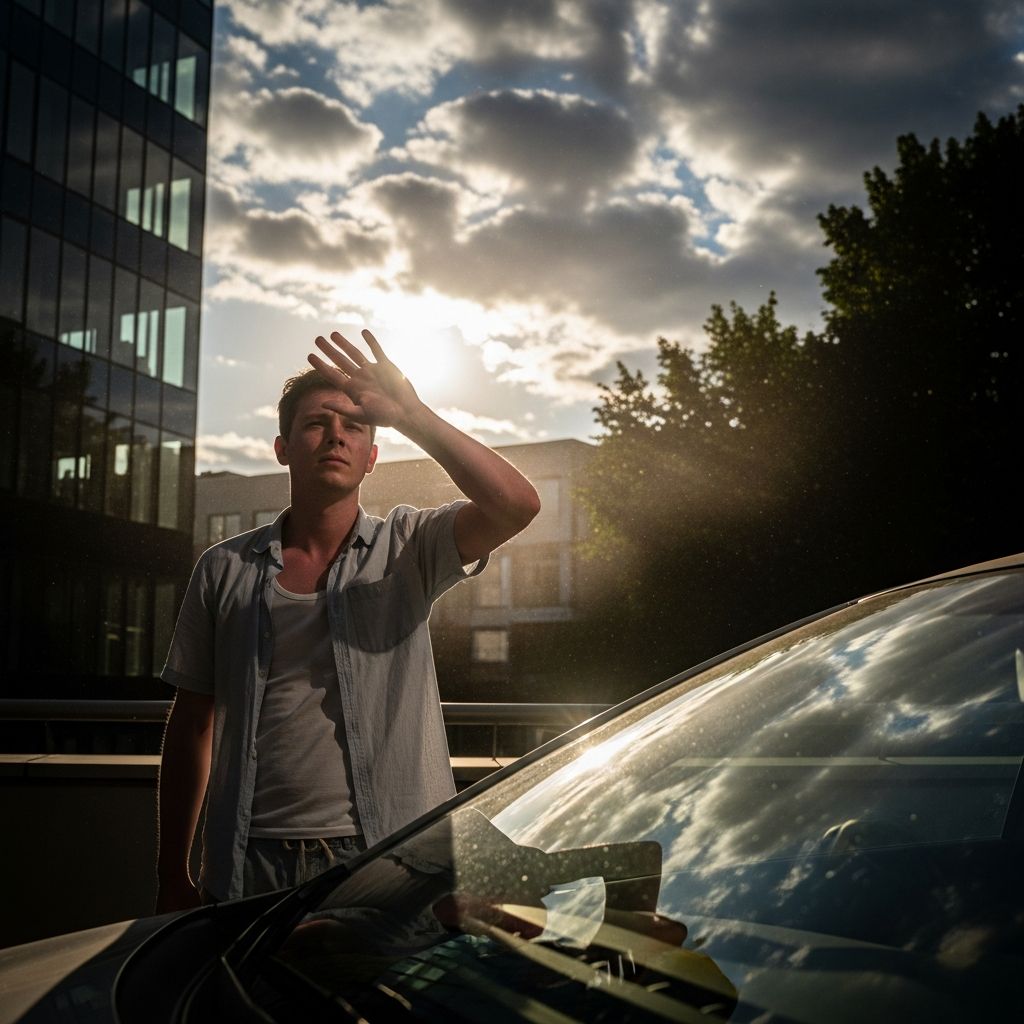
Ultraviolet (UV) radiation from the sun is the primary cause of most skin cancers, responsible for over 80% of cases through DNA damage in skin cells. While direct sunlight is an obvious risk, sneaky sources of UV exposure often catch people off guard, leading to cumulative damage that increases the risk of basal cell carcinoma, squamous cell carcinoma, and melanoma. UVA rays penetrate deeply, causing premature aging and contributing to cancer, while UVB rays primarily cause sunburn but also drive most skin cancers. This article reveals five hidden ways UV rays reach you and provides actionable protection strategies grounded in expert recommendations.
1. At Work
Office workers near windows face significant UV exposure despite being indoors. Glass blocks most UVB rays, which cause sunburn, but over 50% of UVA rays—the deeper-penetrating type linked to skin aging and cancer—pass through. If you’re within several feet of a window, these rays can reach your skin, contributing to long-term damage even on cloudy days when UVA remains consistent.
- Position desks away from windows or use UV-blocking films on glass.
- Apply broad-spectrum sunscreen (SPF 30+) daily to exposed areas like face, neck, and arms.
- Wear protective clothing, such as long sleeves or UV-protective garments, during work hours.
Outdoor workers face even higher risks from prolonged exposure, but indoor proximity to windows is a commonly overlooked hazard. Cumulative UVA exposure at work builds DNA damage over time, elevating skin cancer risk without visible burns.
2. On Cloudy Days
Clouds provide a false sense of security, but up to 80% of UV rays can penetrate through, including consistent UVA radiation. Even on overcast days, UV exposure remains high enough to damage skin cells, leading to mutations that cause cancer. Sunburn isn’t always noticeable without direct sun, but DNA harm accumulates silently.
- Don’t skip sunscreen on cloudy days; use broad-spectrum SPF 30 or higher reapplied every two hours.
- Seek shade during peak UV hours (10 a.m. to 4 p.m.), regardless of cloud cover.
- Wear wide-brimmed hats and UV-blocking sunglasses to protect face and eyes.
Research confirms UV radiation is present year-round, with UVB fluctuating seasonally but UVA steady, making daily protection essential. Skipping precautions on non-sunny days significantly raises lifetime skin cancer risk.
3. In the Car
Driving exposes your left side (in left-hand drive countries) to intense UV through side windows, which block UVB but allow substantial UVA penetration—up to 60-70% in some cases. Long commutes or road trips amplify this risk, contributing to uneven skin aging and higher cancer incidence on one side of the face.
| Window Type | UVA Transmission | UVB Transmission |
|---|---|---|
| Windshield (Laminated) | ~20-30% | Nearly 100% blocked |
| Side Windows | ~50-70% | Mostly blocked |
| UV-Protective Film | <5% | Fully blocked |
- Apply sunscreen to face, neck, and hands before driving.
- Install UV-blocking window films certified to reduce UVA by over 99%.
- Wear clothing with UPF 50+ and gloves for hand protection.
Related Stories



This sneaky exposure explains why dermatologists see more skin damage on drivers’ left sides, underscoring the need for vehicular sun safety.
4. Reflections from Water, Snow, and Sand
Reflective surfaces amplify UV exposure by bouncing rays onto your skin from multiple angles. Snow reflects up to 80% of UV, water and sand 10-30%, increasing effective dose during beach trips, skiing, or boating. This scattered radiation reaches shaded areas, making protection crucial even under umbrellas.
- Choose UPF clothing, rash guards, and waterproof sunscreen (SPF 50+).
- Reapply sunscreen more frequently after swimming or sweating.
- Use lip balm with SPF and seek natural shade like trees over open umbrellas.
Such reflections contribute to higher skin cancer rates among winter sports enthusiasts and beachgoers, as UV intensity spikes without realization.
5. Through Clothing and Everyday Oversights
Thin, wet, or dark-colored clothing offers less protection than assumed; UV rays penetrate white cotton by 20% and wet fabrics even more. Additionally, exposed spots like ears, scalp, neck, and lips are often neglected, while artificial sources like tanning beds emit concentrated UVA/UVB.
- Select tightly woven, dark, dry fabrics with UPF ratings.
- Avoid tanning beds, which cause 85% of melanomas linked to UV.
- Protect overlooked areas: hats for scalp, SPF lipstick, collars for neck.
Over 90% of skin cancers tie to UV exposure, emphasizing comprehensive coverage.
Understanding UV Rays and Skin Cancer Risk
UVA penetrates deep, aging skin and aiding cancer; UVB burns surface layers but drives most tumors. No UV ray is safe; even without burns, cumulative damage leads to mutations. Fair skin burns faster due to less melanin, but all types risk cancer. Sunburn history doubles melanoma odds.
General Sun Protection Strategies
To combat sneaky exposures:
- Seek shade midday; use UV-blocking umbrellas outdoors.
- Wear protective gear: UPF clothing, hats, sunglasses.
- Apply sunscreen generously: Broad-spectrum SPF 30+, every 2 hours.
- Check UV index daily via weather apps; limit exposure above 3.
- Avoid peak hours and tanning devices.
These habits reduce risk significantly; rates are declining in aware groups under 30.
Frequently Asked Questions (FAQs)
Do I need sunscreen on cloudy days?
Yes, clouds block only 20% of UV; apply broad-spectrum SPF daily.
Can UV rays go through windows?
UVA penetrates glass (50%+), UVB mostly blocked; protect near windows.
Is tanning bed UV safer?
No, they emit high UVA/UVB, causing 80%+ of skin cancers.
How often to reapply sunscreen?
Every 2 hours, or after water/sweat; more on reflective surfaces.
Does skin color affect UV risk?
All skin types damaged, but lighter skin burns faster, raising risk.
Consistent protection prevents most UV-induced cancers. Consult dermatologists for personalized advice and regular checks.
References
- How Does The Sun Cause Cancer? | UV Rays, DNA Damage — Worldwide Cancer Research. 2023. https://www.worldwidecancerresearch.org/cancer-and-research-information/cancer-causes/how-does-the-sun-cause-cancer/
- Melanoma & Skin Cancer Awareness Month: UV Radiation and Sun Exposure — Masonic Cancer Center, University of Minnesota. 2024-05-01. https://cancer.umn.edu/mncctn/news/melanoma-skin-cancer-awareness-month-uv-radiation-and-sun-exposure
- How does the sun and UV cause cancer? — Cancer Research UK. 2024. https://www.cancerresearchuk.org/about-cancer/causes-of-cancer/sun-uv-and-cancer/how-does-the-sun-and-uv-cause-cancer
- 5 Sneaky Ways You’re Being Exposed to the Sun’s UV Rays — Skin Cancer Foundation. 2023. https://www.skincancer.org/blog/sneaky-ways-youre-being-exposed-to-the-suns-uv-rays/
- What Factors Affect UV Risk? — American Cancer Society. 2025-01-15. https://www.cancer.org/cancer/risk-prevention/sun-and-uv/sun-damage.html
Similar Articles








Read full bio of Sneha Tete