Snoring: Causes, Diagnosis, and Treatment Options
Understand snoring causes and explore effective treatment options for better sleep.
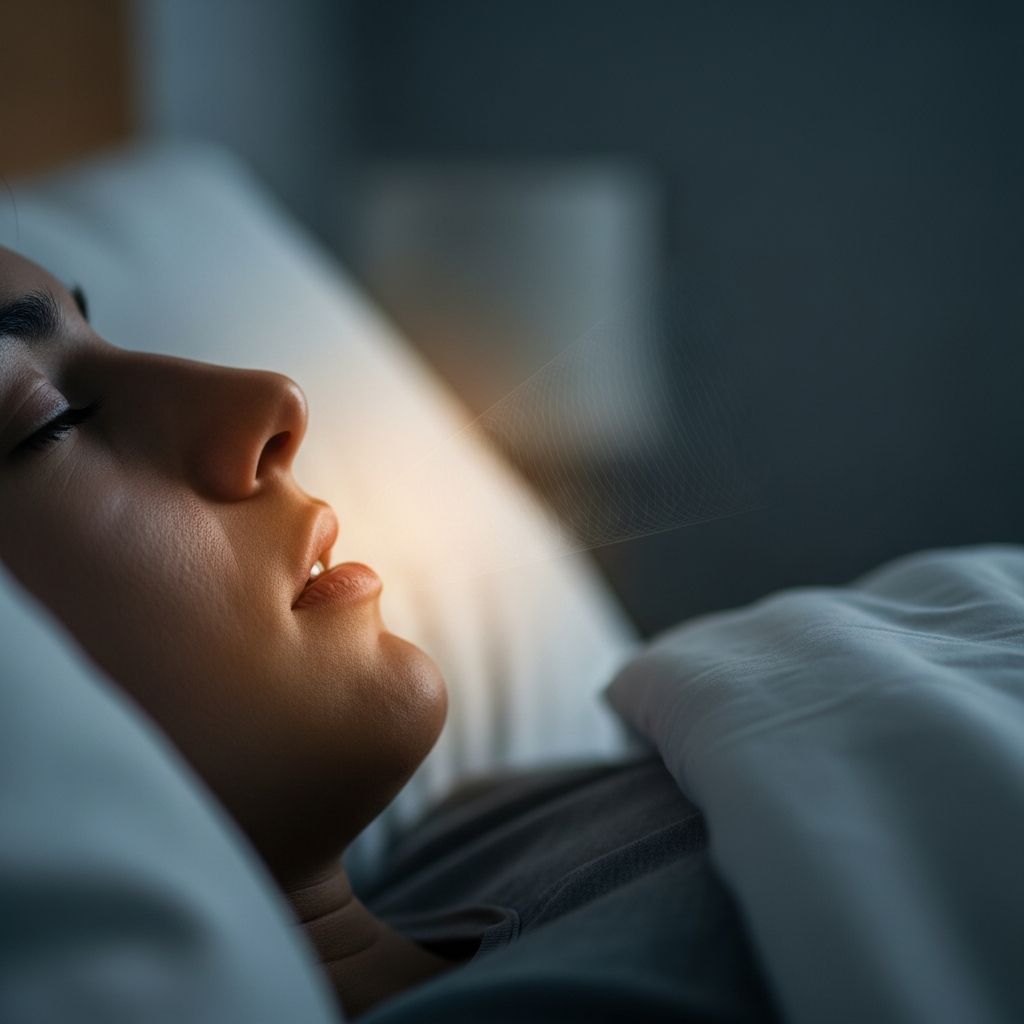
Understanding Snoring: A Comprehensive Guide
Snoring is a common sleep issue that affects millions of people worldwide. While many people consider snoring merely a nuisance, it can significantly impact both your health and the quality of life for those around you. Understanding the underlying causes of snoring and exploring available treatment options is the first step toward better sleep and improved overall wellness.
What Is Snoring?
Snoring occurs when tissue in your airway vibrates during sleep, producing the characteristic sound that can range from a soft whistle to a loud, disruptive noise. When the tissue of your palate (roof of your mouth) becomes loose or relaxed during sleep, it vibrates as air passes through, creating the sound we recognize as snoring. This physiological process can be influenced by various anatomical and lifestyle factors.
Common Causes of Snoring
Snoring doesn’t have a single cause. Multiple factors can contribute to airway narrowing in your nose, mouth, or throat, leading to snoring. Understanding these causes is essential for developing an effective treatment plan.
Anatomical Factors
Your physical structure plays a significant role in snoring. A deviated septum—where the cartilage and bone dividing your nose are off-center—can restrict airflow and contribute to snoring. Healthcare professionals estimate that approximately 80% of people have some degree of deviated septum, whether from birth or due to a previous nose injury. Enlarged tonsils or adenoids, excess tissue in the throat or palate, and a narrow airway can all increase the likelihood of snoring.
Lifestyle and Environmental Factors
Several lifestyle choices can trigger or worsen snoring. Alcohol and sedative medications relax the muscles in your throat, restricting airflow and increasing snoring severity. Nasal congestion from allergies, colds, or sinus issues can narrow your nasal passages. Being overweight or obese increases fatty tissue around the throat, which can obstruct airways. Sleep position also matters—sleeping on your back can cause the tongue and soft palate to collapse backward into the throat.
Other Contributing Factors
Age plays a role, as snoring becomes more common as people get older due to the natural loss of muscle tone. Smoking irritates nasal passages and throat tissues, contributing to congestion and swelling. Sleep deprivation causes excessive relaxation of throat muscles. Even hormonal changes during pregnancy or menopause can affect tissue elasticity and airway size.
When Snoring Becomes Serious: Obstructive Sleep Apnea
While simple snoring is often harmless, loud snoring can indicate a more serious condition called obstructive sleep apnea (OSA). In OSA, your airway becomes completely blocked during sleep, causing you to stop breathing temporarily. This condition poses significant health risks, including increased risk of heart disease, stroke, and sudden cardiac events. If you experience loud snoring accompanied by pauses in breathing, gasping for air, excessive daytime sleepiness, or morning headaches, it’s crucial to seek medical evaluation to rule out sleep apnea.
Health Impact of Snoring
Beyond being a nuisance to bed partners and family members, chronic snoring can affect your health in multiple ways. Poor sleep quality due to snoring disruptions can lead to daytime fatigue, difficulty concentrating, and mood disturbances. If snoring is associated with sleep apnea, the repeated oxygen drops throughout the night can damage your cardiovascular system, increasing risks of hypertension, heart attack, and stroke. Some people experience dry mouth, sore throats, or throat irritation upon waking due to snoring-related airway turbulence.
Related Stories



Diagnosis and Evaluation
Getting a proper diagnosis is the first step toward effective treatment. During your initial evaluation, healthcare providers will conduct a comprehensive assessment to identify the cause of your snoring. This typically includes a detailed medical history, physical examination of your nasal passages and throat, and potentially a sleep study.
Physical Examination
Your healthcare provider will examine your nose, mouth, and throat to identify structural abnormalities. They’ll assess for signs of a deviated septum, enlarged tonsils or adenoids, excess throat tissue, and nasal congestion. This physical exam helps determine whether your snoring stems from anatomical issues.
Sleep Study (Polysomnography)
If sleep apnea is suspected, your doctor may recommend a sleep study. This test monitors your brain waves, heart rate, oxygen levels, and breathing patterns while you sleep. It can definitively diagnose sleep apnea and determine its severity, which is crucial for selecting appropriate treatment.
Non-Surgical Treatment Options
Many snoring cases can be effectively managed without surgery. Treatment effectiveness depends on the underlying cause and your commitment to lifestyle modifications.
Lifestyle Modifications
Simple lifestyle changes can significantly reduce snoring in many cases:
- Sleep position: Try sleeping on your side instead of your back, as this prevents your tongue and soft palate from collapsing backward
- Weight management: Losing weight reduces fatty tissue around the throat, improving airflow
- Alcohol reduction: Limit alcohol consumption, especially before bedtime, as it relaxes throat muscles
- Smoking cessation: Quitting smoking reduces airway inflammation and congestion
- Nasal congestion management: Use saline rinses, decongestants, or nasal strips to improve airflow
- Sleep hygiene: Maintain consistent sleep schedules and adequate sleep duration to prevent muscle over-relaxation
- Humidifier use: Adding moisture to the air can reduce throat irritation and snoring
Medical Devices
Several devices can help reduce snoring and improve breathing during sleep. Continuous Positive Airway Pressure (CPAP) machines deliver pressurized air through a mask, keeping your airway open throughout the night. These are particularly effective for sleep apnea treatment. Oral appliances, similar to orthodontic retainers, reposition your jaw and tongue to keep your airway open. Board-certified dental sleep medicine specialists can customize these appliances for optimal comfort and effectiveness. Nasal strips and nasal dilators mechanically open nasal passages, improving airflow.
Medications and Nasal Treatments
Intranasal topical steroids can reduce inflammation of nasal tissues caused by allergies or non-allergic rhinitis, thereby improving nasal airflow. Antihistamines or decongestants may help if snoring is related to allergies or congestion. These medications work best when addressing the underlying cause of nasal obstruction.
Surgical Treatment Options
When conservative treatments don’t provide adequate relief, surgical options may be considered. Your healthcare team will determine which procedure best addresses your specific anatomical issues.
Septoplasty
If you have a deviated septum, septoplasty corrects the misalignment of nasal cartilage and bone. This procedure improves airflow through your nose and can significantly reduce snoring. It’s often combined with other procedures for enhanced results.
Palatal Procedures
Several procedures address excessive palatal tissue that causes vibration during sleep. Uvulopalatopharyngoplasty (UPPP) tightens and rearranges redundant tissues in the throat and palate, commonly prescribed for moderate to severe sleep apnea. Laser-assisted uvula palatoplasty (LAUP) uses laser technology to remove airway obstructions and is performed under local anesthesia in an office setting. Somnoplasty uses radiofrequency energy to shrink excessive tissue in the palate, uvula, and tongue, representing a minimally invasive approach with reduced recovery time.
Tonsillectomy and Adenoidectomy
Removing enlarged tonsils and adenoids can be particularly effective for children and select adult patients whose snoring is caused by these enlarged structures blocking the airway.
Advanced Surgical Options
For patients with sleep apnea unresponsive to other treatments, more advanced options include genioglossal, hyoid, or maxillomandibular advancement procedures that reposition the tongue forward to prevent lower throat collapse during sleep. Hypoglossal nerve stimulation involves implanting an FDA-approved device similar to a cardiac pacemaker. One lead senses your breathing patterns, while another stimulates the nerve controlling your tongue, gently moving it forward to keep your throat open during sleep. This option is particularly suitable for patients who cannot tolerate CPAP therapy.
Choosing the Right Treatment
The most effective treatment depends on your specific diagnosis and the underlying cause of your snoring. Your healthcare team—which may include sleep medicine specialists, otolaryngologists (ear, nose, and throat doctors), and board-certified dental sleep medicine professionals—will work together to develop a personalized treatment plan. This collaborative approach ensures that all aspects of your snoring are addressed comprehensively.
Follow-Up Care and Monitoring
Treatment doesn’t end after the initial intervention. Ongoing follow-up care is essential to monitor treatment effectiveness and make adjustments as needed. Your healthcare team will schedule follow-up appointments to assess whether your snoring has improved and whether you’re experiencing better sleep quality. If initial treatments don’t provide adequate relief, your care team can modify your approach by combining different treatments or exploring alternative options.
Frequently Asked Questions About Snoring
Q: Is snoring always a sign of sleep apnea?
A: No, not all snoring indicates sleep apnea. While snoring can be a symptom of sleep apnea, many people snore without having the condition. However, loud, persistent snoring should be evaluated by a healthcare professional to rule out sleep apnea.
Q: Can snoring be cured?
A: Yes, snoring can be treated and often cured depending on its cause. The effectiveness varies based on whether your snoring is caused by lifestyle factors, anatomical issues, or underlying sleep disorders. Many people experience significant improvement with appropriate treatment.
Q: What’s the most effective treatment for snoring?
A: The most effective treatment varies by individual, depending on the underlying cause. Some people benefit from lifestyle modifications alone, while others need medical devices or surgery. A comprehensive evaluation helps determine the best approach for your specific situation.
Q: Are snoring surgeries permanent?
A: Many surgical treatments provide long-lasting results, though results can vary. Some procedures may require repeat treatment over time as tissues continue to age and change. Your healthcare provider can discuss the longevity of specific procedures.
Q: How long does snoring treatment take to work?
A: Timeline depends on the treatment type. Lifestyle modifications may show results within weeks. Medical devices like oral appliances work immediately. Surgical results typically become apparent within weeks to months as tissues heal and swelling reduces.
Q: Can children snore?
A: Yes, children can snore, often due to enlarged tonsils or adenoids. Pediatric snoring should be evaluated, as it can affect sleep quality and development. Many children benefit from tonsillectomy or adenoidectomy.
Q: Is CPAP the only treatment for sleep apnea?
A: No, while CPAP is highly effective, alternative treatments include oral appliances, positional therapy, weight loss, and surgery. Newer options like hypoglossal nerve stimulators provide alternatives for those who cannot tolerate CPAP.
When to Seek Medical Attention
Schedule an appointment with a healthcare provider if you experience loud, chronic snoring; pauses in breathing during sleep; excessive daytime sleepiness; morning headaches; or gasping for air during sleep. These symptoms warrant professional evaluation to rule out serious conditions and determine appropriate treatment.
Conclusion
Snoring is a treatable condition that shouldn’t significantly impact your quality of life or relationships. Whether your snoring stems from anatomical factors, lifestyle choices, or underlying sleep disorders, effective treatment options are available. With proper diagnosis and a comprehensive treatment plan developed by experienced healthcare professionals, you can achieve restful, healthy sleep and improve your overall well-being. Don’t let snoring disrupt your sleep or your loved ones’ rest—seek professional evaluation today and take the first step toward better sleep quality.
References
- Snoring Treatment Services — Cleveland Clinic. 2025. https://my.clevelandclinic.org/services/snoring-treatment
- What is Snoring: Causes, Treatment & Prevention — Cleveland Clinic Abu Dhabi. 2025. https://www.clevelandclinicabudhabi.ae/en/health-hub/health-resource/diseases-and-conditions/what-is-snoring
- How To Stop Snoring for Peaceful Sleep — Cleveland Clinic Health. 2025. https://health.clevelandclinic.org/how-to-stop-snoring
- Managing Snoring: When to Consider Surgery — Cleveland Clinic Journal of Medicine, 2014. https://www.ccjm.org/content/ccjom/81/10/613.full.pdf
- Sleep Apnea: Can Snoring be a Bigger Problem? — Cleveland Clinic Abu Dhabi. 2025. https://www.clevelandclinicabudhabi.ae/en/health-byte/brain-and-spine-health/sleep-apnea
Similar Articles








Read full bio of medha deb