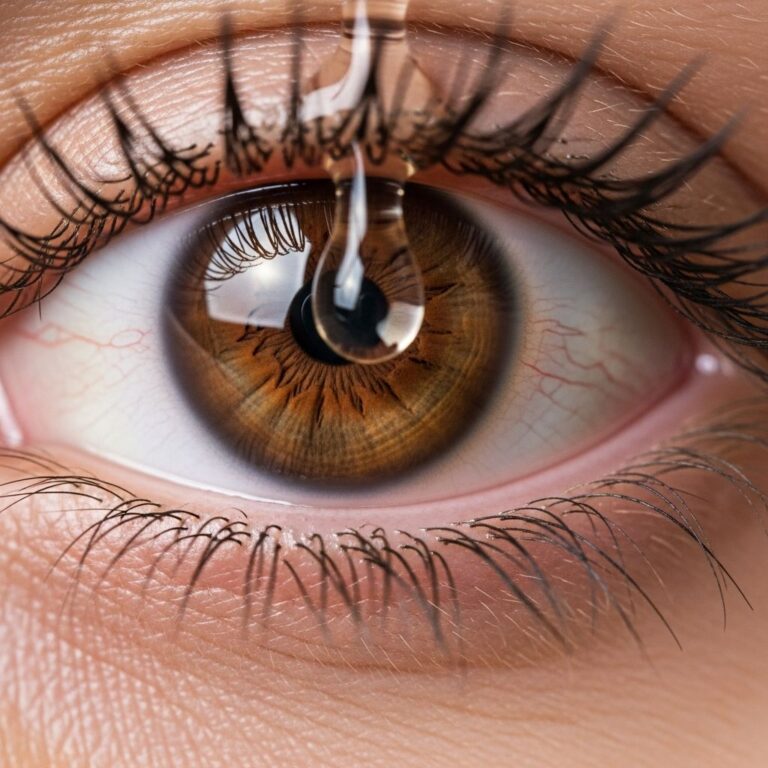
Snow Blindness: 5 Immediate Relief Steps And Prevention
Discover how ultraviolet rays cause painful snow blindness, its symptoms, prevention strategies, and effective treatments to safeguard your vision.
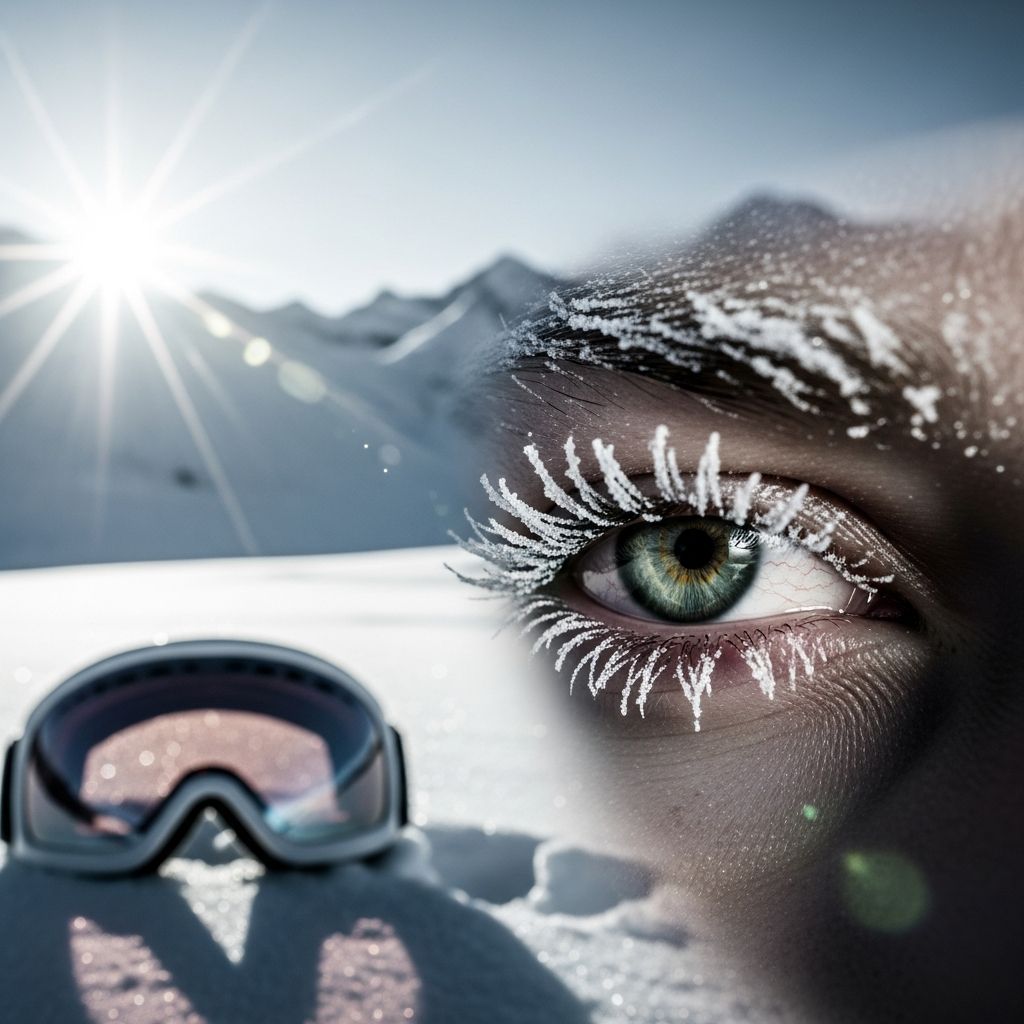
Photokeratitis, commonly referred to as snow blindness, represents a temporary but intensely uncomfortable inflammation of the eye’s surface due to excessive ultraviolet radiation exposure. This condition mimics a sunburn on the delicate corneal tissue, often striking unexpectedly after prolonged time in reflective environments like snowy slopes or sandy beaches.
Understanding the Science Behind UV-Induced Eye Damage
The human eye’s cornea serves as a clear, protective dome over the iris and pupil, constantly exposed to environmental elements. Ultraviolet rays, particularly UVB wavelengths, penetrate this layer when unprotected, triggering cellular disruption in the epithelial cells. This damage sparks an inflammatory cascade, leading to swelling, pain, and impaired function much like dermal sunburn.
Unlike chronic eye disorders, photokeratitis develops rapidly, often within hours of exposure. High-altitude settings amplify risk because thinner atmospheres filter less UV radiation, while snow’s albedo—its reflectivity—can bounce back up to 80% of incoming rays, intensifying the dose.
Common Triggers Beyond Winter Sports
While snow-covered landscapes evoke the classic image, photokeratitis arises from diverse UV sources. Reflections from water, sand, or ice during beach outings or boating mirror snowy conditions, doubling UV influx.
- High-elevation hiking or mountaineering, where UV intensity surges 10-12% per 1,000 meters gained.
- Water sports like sailing or fishing, with ocean surfaces reflecting UV even under cloud cover.
- Desert treks or beach volleyball on pale sands that scatter rays efficiently.
Non-natural culprits include industrial activities. Welders face ‘arc eye’ from sparks emitting intense UV, while tanning beds and certain medical lamps pose similar threats without proper shields.
Recognizing the Onset of Symptoms
Symptoms rarely manifest immediately, mirroring sunburn’s latency. Initial exposure feels benign, but 6-12 hours later, discomfort escalates as inflammation peaks.
| Symptom | Description | Onset Time |
|---|---|---|
| Eye Pain | Sharp burning or aching sensation | 6-12 hours |
| Light Sensitivity | Intense discomfort from bright light (photophobia) | Immediate to delayed |
| Redness & Swelling | Bloodshot eyes, puffy lids | Hours after exposure |
| Foreign Body Sensation | Feeling of grit or sand in eyes | Progressive |
| Blurred Vision | Hazy or foggy sight, halos around lights | Peak at 12-24 hours |
| Tearing & Twitching | Excessive watering, eyelid spasms | Early signs |
Headaches often accompany these, stemming from strained eye muscles and photophobia. In severe cases, temporary vision loss occurs, though true blindness remains exceedingly rare.
Health Implications and Long-Term Concerns
Most episodes resolve without residue, but repeated incidents heighten vulnerability to enduring issues. Cumulative UV assaults correlate with pterygium growth—a fleshy corneal invader—cataracts clouding the lens, and macular degeneration eroding central vision.
Vulnerable groups include fair-skinned individuals, those on photosensitizing drugs, and people with prior eye surgeries. Children face elevated risk due to larger pupils admitting more rays and thinner corneas.
Immediate Response and Relief Strategies
Upon symptom onset, prioritize rest in a dim environment to ease photophobia. Avoid rubbing eyes, which worsens abrasion on already tender epithelium.
Related Stories



- Cool compresses: Apply clean, cold cloths for 10-15 minutes hourly to quell swelling.
- Artificial tears: Lubricating drops flush irritants and hydrate the surface.
- Pain management: Over-the-counter analgesics like ibuprofen reduce inflammation.
- Eye patching: Cycloplegic drops from professionals relax ciliary muscles.
- Antibiotics: If prescribed, prevent secondary infection in compromised tissue.
Healing spans 24-72 hours as epithelial cells regenerate. Persistent symptoms beyond 48 hours warrant ophthalmologist evaluation to rule out deeper injury.
Proactive Prevention for Safe Outdoor Adventures
Foremost defense lies in barrier protection. Select eyewear blocking 100% UVA/UVB rays, verified by ANSI Z80.3 or CE standards.
- Polarized lenses cut glare from reflective surfaces.
- Wraparound frames seal peripheral entry points.
- Category 3-4 tints for intense sun, avoiding dark ones that dilate pupils.
Timing matters: UV peaks midday, even cloudily. Layer sunscreen on surrounding skin, reapply hourly. For welders, auto-darkening helmets ensure compliance.
FAQs on Snow Blindness and Eye Protection
Can snow blindness cause permanent damage?
Rarely; it’s self-limiting. However, frequency elevates chronic disease odds.
How quickly does snow blindness develop?
Symptoms lag 6-12 hours post-exposure, peaking overnight.
Is protection needed on overcast days?
Yes; clouds block only 20-50% UV, reflections persist.
What if a child gets snow blindness?
Seek pediatric eye care promptly; symptoms intensify faster in kids.
Are contact lenses sufficient protection?
No; pair with UV-blocking sunglasses for full coverage.
Global Perspectives and Seasonal Peaks
Incidence surges in polar expeditions and ski resorts. Arctic explorers historically suffered ‘snow sightlessness,’ documented since antiquity. Modern stats from polar stations report 10-20% affected sans goggles.
In tropical climes, ‘beach blindness’ mirrors this from sand. Welders globally log thousands yearly, underscoring occupational hazards.
Choosing Optimal Eye Protection Gear
Not all shades equate. Discern quality via polycarbonate lenses resisting impact, anti-fog coatings for humidity, and hydrophobic treatments repelling water.
| Feature | Benefit | Ideal For |
|---|---|---|
| UV400 Rating | Blocks 100% UV up to 400nm | All activities |
| Polarization | Reduces horizontal glare | Snow, water, roads |
| Photochromic | Adapts to light changes | Variable conditions |
| Wraparound | Shields sides | High winds, speed sports |
Budget options falter; invest in reputable brands tested rigorously. Fit trumps style—snug temples prevent slippage.
Workplace and Professional Safeguards
Occupational Safety standards mandate UV eyewear for at-risk trades. Training emphasizes habituation; non-compliance invites liability. Employers supply gear, conduct audits.
In medicine, UV therapy demands shields. Tanners heed warnings on bed specs.
Recovery Timeline and Monitoring
Day 1: Acute pain, light avoidance.
Day 2: Diminishing symptoms, partial vision return.
Day 3: Full epithelial renewal, normalcy resumes.
Track progress; corneal staining via fluorescein dye confirms healing in clinics. Avoid re-exposure during vulnerability windows.
Integrating Eye Health into Lifestyle
Beyond episodes, annual dilated exams detect UV sequelae early. Antioxidant-rich diets—leafy greens, omega-3s—bolster retinal resilience. Hydration maintains tear film integrity.
Public campaigns amplify awareness, slashing incidence via education. Schools teach youth protection norms for lifelong benefit.
References
- Snow Blindness: What Is It and Can I Go Blind? — YourVision.ca. 2023. https://www.yourvision.ca/snow-blindness/
- Snow blindness: How to prevent sunburned eyes — All About Vision. 2024-02-15. https://www.allaboutvision.com/conditions/keratitis/snowblind/
- Photokeratitis (ultraviolet [UV] burn, arc eye, snow blindness) — College of Optometrists. 2023. https://www.college-optometrists.org/clinical-guidance/clinical-management-guidelines/photokeratitis_ultraviolet_uv_burn_arceye_snowblin
- What is Snow Blindness and How Can You Prevent It? — Clarksons Eye Care. 2024. https://www.clarksoneyecare.com/eye-care-resources/what-is-snow-blindness
- Photokeratitis: Symptoms, Causes and Treatment Options — Cleveland Clinic. 2025-01-10. https://my.clevelandclinic.org/health/diseases/15763-photokeratitis
Similar Articles








Read full bio of medha deb