Soaps and Cleansers
Comprehensive guide to soaps, cleansers, surfactants, and skin care for healthy washing routines.
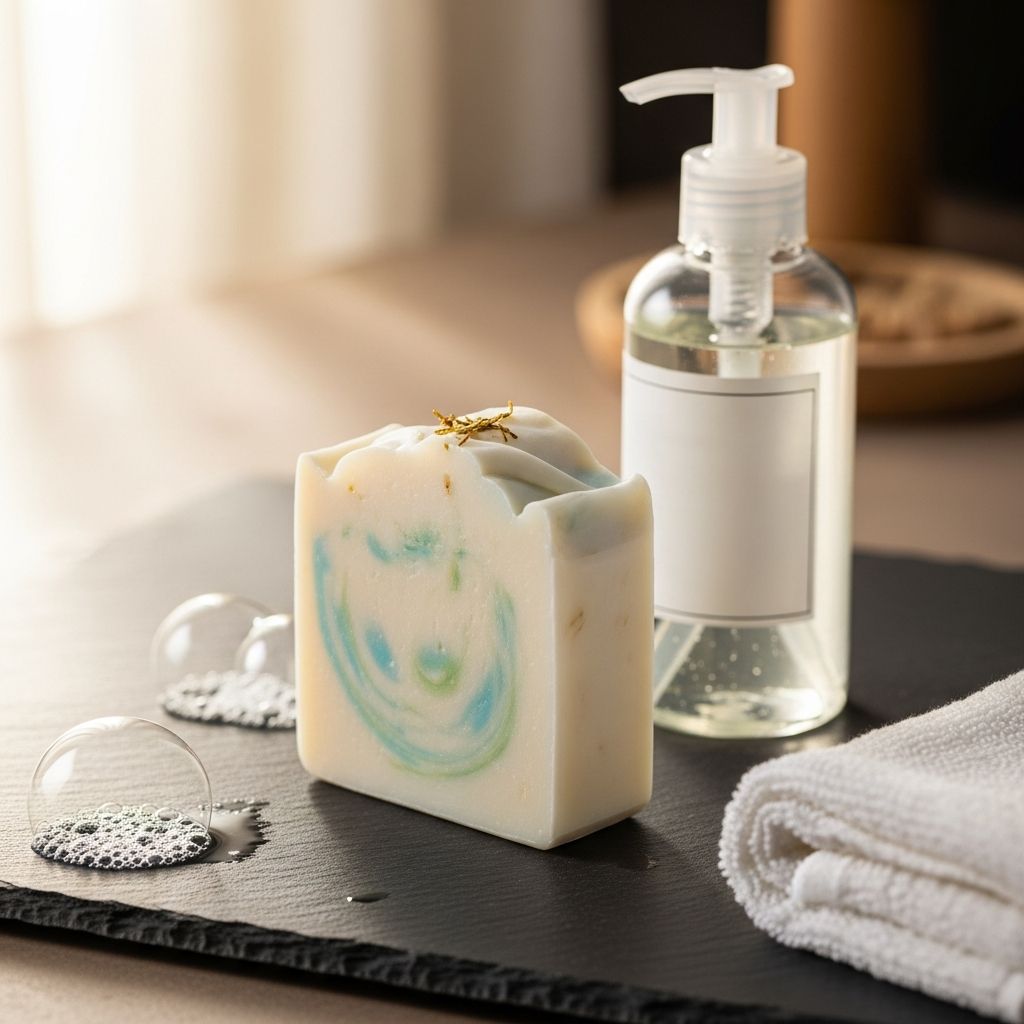
Washing is essential for maintaining clean, healthy skin by removing dirt, oil, makeup, and odors. However, choosing the right soap or cleanser is crucial to avoid irritation, dryness, or other skin issues, particularly for sensitive, dry, oily, or acne-prone skin.
Why Wash?
Everyone enjoys the refreshing, invigorating, and relaxing feeling of clean skin. Regular washing removes excessive oil, unpleasant odors, makeup, sunscreens, and dirt accumulated from daily activities. Pure water alone is insufficient because dirt is often fat-soluble (lipophilic) and adheres to the skin’s surface, requiring surfactants to effectively lift and rinse it away.
How to Wash
Proper washing technique minimizes skin damage:
- Wet the skin thoroughly with lukewarm water.
- Apply soap or cleanser to hands, add warm water, and work into a lather.
- Gently massage the lather onto the skin in circular motions.
- Rinse thoroughly with lukewarm water to remove all residue.
- Pat dry gently with a soft towel; avoid rubbing.
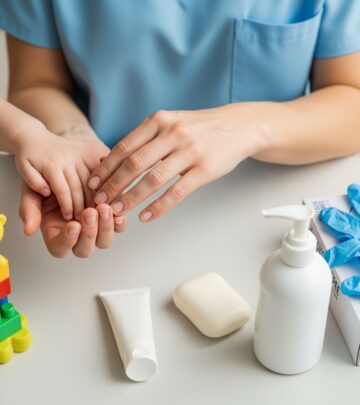
Over-washing or using hot water can strip natural oils, leading to dryness and barrier disruption. Limit washing to once or twice daily unless advised otherwise by a dermatologist.
Skin Types: Normal, Dry, Oily, or Sensitive?
Understanding your skin type guides cleanser selection:
| Skin Type | Characteristics | Recommended Cleansers |
|---|---|---|
| Normal | Balanced hydration, minimal issues | Mild syndets or soap-free bars |
| Dry | Tightness, flaking post-wash | Cream/lotion cleansers, emollient-rich |
| Oily | Excess shine, congestion | Gel/foam syndets, oil-free |
| Sensitive | Redness, stinging with products | Hypoallergenic, fragrance-free syndets |
For dry or eczema-prone skin, soap-free syndets with pH 5-6 preserve the skin’s natural barrier. Oily or acne-prone skin benefits from non-comedogenic gels that control sebum without over-drying.
What are Surfactants?
Surfactants (surface-active agents) are the core of all cleansers. They consist of a lipophilic (fat-soluble) tail that binds to oils and dirt, and a hydrophilic (water-soluble) head that allows rinsing. This amphiphilic structure enables emulsification and removal of impurities.
Surfactants may carry an electrical charge, affecting lather, skin feel, and rinsability. Common types include anionic (e.g., sodium lauryl sulfate, more irritating), non-ionic (milder), and amphoteric (gentle for sensitive skin).
Soap
Traditional soap is produced by saponification: fats or oils react with alkali (e.g., sodium hydroxide) to form a surfactant salt. Soaps have a high pH (7-12), making them alkaline, which can disrupt the skin’s natural pH of about 5.5. This leads to dryness, irritation, and reduced barrier function, especially with frequent use or hard water, which forms insoluble scum.
Soap is effective for general cleaning but unsuitable for facial or sensitive skin due to its harshness.
Synthetic Detergent (Syndet)
Syndets are lab-made surfactants using hydrocarbon chains for the lipophilic end and chemicals like sulfuric acid or ethylene oxide for the hydrophilic end. Unlike soap, syndets can be formulated to pH 5.5, matching skin’s acidity.
Advantages over soap:
- pH-balanced to skin’s natural 5.5
- Reduces acne bacteria (Propionibacterium acnes)
- No scum formation, rinses cleanly
- Less drying
- Gentler on sensitive skin
Syndets are pricier but ideal for daily use, especially in gels, foams, or bars labeled ‘soap-free’.
Other Cleansers
A wide array of products exists beyond bars and liquids:
- Gels and Foams: For oily/acne skin; lightweight, deep cleanse without residue.
- Creams and Lotions: Emollient-rich for dry/sensitive skin; leave a protective film.
- Oils and Balms: Dissolve makeup/sunscreen; follow with water-based cleanser (double cleanse).
- Micellar Waters: No-rinse micelles for travel; rinse if sensitive.
- Shampoos, Scrubs, Masks, Wipes: Targeted; avoid harsh scrubs on acne-prone skin.
Manufacturers prioritize mildness, biodegradability, low toxicity, lathering, moisturization, fragrance, and lubrication.
What Cleansers Contain
Cleansers blend surfactants with additives:
- Water: Diluent for hydrophilic dirt.
- Humectants (e.g., glycerin): Retain moisture.
- Emulsifiers/Thickeners: Improve texture.
- Fragrances: Enhance appeal; avoid in sensitive products.
- Preservatives (e.g., parabens): Prevent microbial growth; some cause allergies.
- Colors/Solvents: Aesthetic enhancements.
- Antiseptics (e.g., triclosan, PCMX): Reduce bacteria.
- Actives (e.g., salicylic acid, benzoyl peroxide): For acne; use cautiously to avoid irritation.
Complications of Skin Cleansing
While modern syndets from reputable brands are safe when used appropriately, complications arise from misuse:
- Irritant Contact Dermatitis: Redness, dryness from over-washing, harsh surfactants (e.g., sodium lauryl sulfate > sodium laureth sulfate), or high pH.
- Barrier Disruption: Alkaline soaps raise skin pH, impairing lipid barrier and increasing infection risk.
- Allergic Reactions: Rare; from fragrances, preservatives. Hypoallergenic lines minimize risks.
- Acne Worsening: Comedogenic ingredients or excessive drying prompting rebound oiliness.
Gentle syndets help maintain hydration in atopic dermatitis, supporting skin health.
Hypoallergenic Products
Hypoallergenic cleansers avoid common allergens: fragrance-free (or low-masking), mild surfactants, non-comedogenic for acne. Look for ‘soap-free’, ‘pH-balanced’, ‘for sensitive skin’. They may still irritate very sensitive skin rarely.
Beneficial additives: glycerin, ceramides, panthenol for barrier support.[10]
Labelling
In the US, FDA requires full ingredient lists for cosmetics; drug claims (antibacterial, anti-acne) demand active ingredient disclosure. No specific requirements in New Zealand.
Frequently Asked Questions (FAQs)
Q: Is soap better than synthetic cleansers?
A: No, traditional soaps are alkaline and drying; syndets are pH-balanced, gentler, and better for most skin types, especially sensitive or dry.
Q: Can cleansers cause acne?
A: Yes, if comedogenic or over-drying; choose oil-free, non-comedogenic syndets and avoid harsh scrubs.
Q: How often should I wash my face?
A: Twice daily max; more can strip oils. Adjust for skin type and activity.
Q: Are fragrance-free products always safe?
A: Safer for sensitive skin, but check for other irritants; patch test new products.
Q: What if my skin feels tight after washing?
A: Switch to cream cleansers or syndets with humectants; follow with moisturizer.
References
- Soaps & Cleansers — DermNet NZ / New Zealand Dermatological Society. 2008-01-07. https://www.skinident.world/fileadmin/img/spanish-pictures/pdf/Soaps_and_Cleansers.pdf
- Soaps and Cleansers — DermNet NZ. Accessed 2026. https://dermnetnz.org/topics/soaps-and-cleansers
- Facial Cleanser (Topical) — Adult Non-Prescription Patient Guide — Newcastle Cosmetic Doctor. Accessed 2026. https://newcastlecosmeticdoctor.com.au/policies/topical-products-skincare/facial-cleanser-topical-adult-non-prescription-patient-guide/
- Emollients and Moisturisers — DermNet NZ. Accessed 2026. https://dermnetnz.org/topics/emollients-and-moisturisers
- Allergy to Parabens — DermNet NZ. Accessed 2026. https://dermnetnz.org/topics/allergy-to-parabens
- Cleanse, Control and Calm: 3C for Simpler Self-care for Atopic Dermatitis — The Open Dermatology Journal. 2025. https://opendermatologyjournal.com/VOLUME/19/ELOCATOR/e18743722379578/FULLTEXT/
Similar Articles




Read full bio of medha deb