Sodium Citrate for Cystitis: Uses, Dosage & Relief
Effective relief for mild cystitis: Learn how sodium citrate works to ease urinary tract symptoms.
Understanding Sodium Citrate for Cystitis
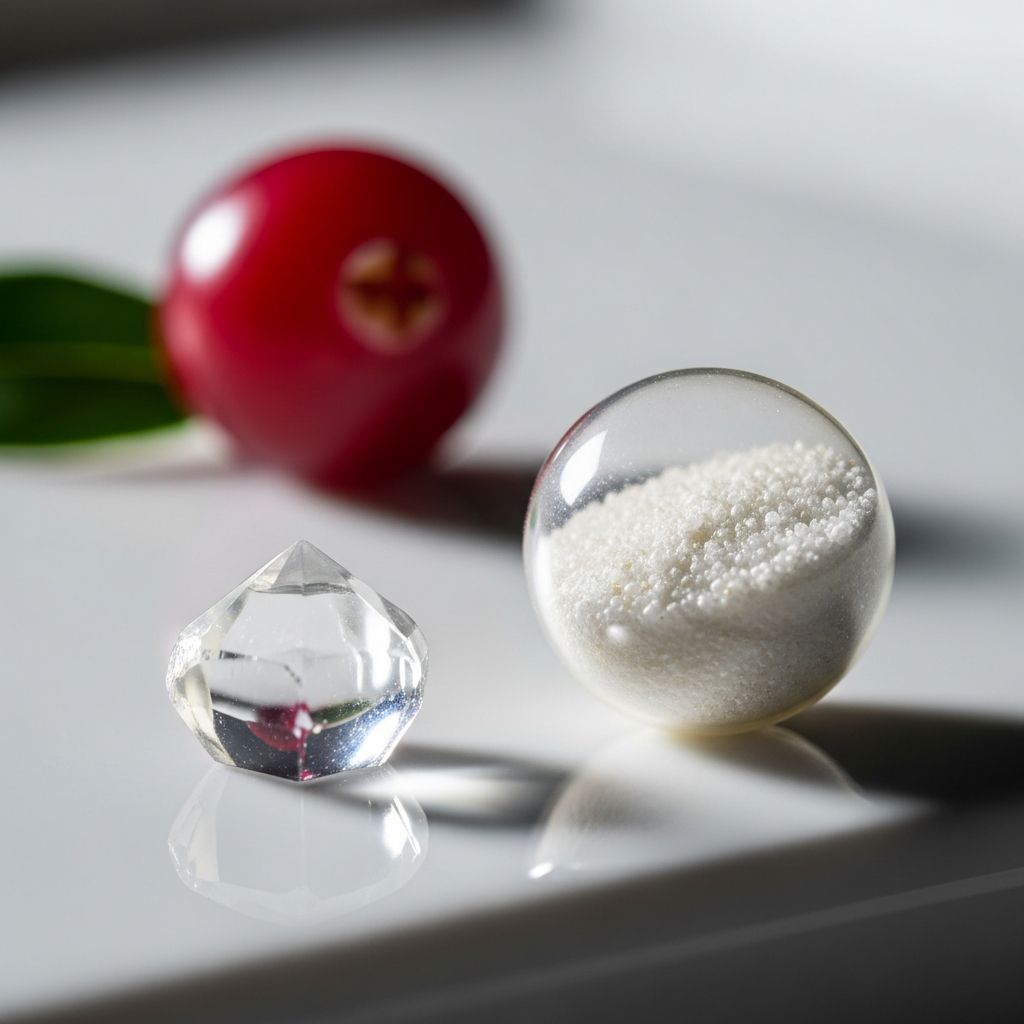
Sodium citrate is an alkalinising agent commonly used to provide symptomatic relief for mild cases of cystitis, a condition characterized by inflammation of the bladder. This medication is available in sachets of powder and can be purchased without a prescription at pharmacies and retail outlets. Cystitis is typically caused by a urinary tract infection and presents with symptoms such as pain when passing urine, increased urinary frequency, and cloudy or foul-smelling urine. Although mild cases often improve without treatment as the body’s immune system naturally clears the infection, sodium citrate offers a practical option for symptom management.
What Is Cystitis?
Cystitis refers to the inflammation of the bladder, most commonly resulting from a urine infection. It is particularly prevalent in women and can cause significant discomfort. The condition presents with recognizable symptoms that prompt many individuals to seek relief options. Understanding the nature of cystitis is essential for determining appropriate treatment strategies and knowing when professional medical advice is necessary.
Common Symptoms of Cystitis
Individuals with cystitis typically experience:
- Pain or discomfort when passing urine
- Increased frequency of urination
- Cloudy or discoloured urine
- Foul-smelling urine
- Lower abdominal discomfort
How Sodium Citrate Works
Sodium citrate functions as an alkalinising agent by reducing the acidity of urine. When urine becomes less acidic, the painful symptoms associated with cystitis are significantly reduced. This mechanism helps alleviate the stinging and burning sensations commonly experienced when passing urine. Additionally, by lowering urine acidity, sodium citrate creates a less favorable environment for bacteria, potentially preventing their proliferation. However, it is important to note that while sodium citrate provides symptomatic relief, it does not treat underlying bacterial infections.
About Sodium Citrate Medications
| Characteristic | Details |
|---|---|
| Type of Medicine | Alkalinising agent |
| Used For | Mild urinary tract infections such as cystitis |
| Brand Names | CanesOasis®; Cystitis Relief®; Cystocalm® |
| Available Form | Sachets of powder |
| Prescription Required | No – available over the counter |
Before Taking Sodium Citrate for Cystitis
Before starting sodium citrate treatment, it is crucial to speak with a doctor or pharmacist, particularly if any of the following conditions apply:
- You are pregnant
- You have kidney problems or impaired kidney function
- You have a heart condition, high blood pressure, or diabetes
- You have any other serious medical condition
- You are on a low sodium diet
- You are taking other medications, including over-the-counter medicines, herbal supplements, or complementary medicines
- You have experienced previous allergic reactions to medicines
Special considerations apply to certain populations. If you are pregnant, male, or have a medical condition, you should always consult a doctor if you suspect cystitis, as you may require antibiotic treatment rather than symptom relief.
How to Take Sodium Citrate
Proper administration of sodium citrate is essential for achieving optimal symptom relief. Before commencing treatment, carefully read the manufacturer’s printed information leaflet included in the package.
Standard Dosage Instructions
The recommended dosage is typically:
- Take one sachet three times daily
- Continue treatment for two days
- Empty the sachet contents into a glass of water
- Stir the mixture thoroughly before drinking
- Drink immediately after preparation
It is important to follow the dosage instructions on the label precisely and not exceed the recommended dose.
Getting the Most From Your Treatment
To maximize the effectiveness of sodium citrate therapy and ensure appropriate care, several guidelines should be followed:
When to Seek Medical Attention
Contact your doctor if:
- Your symptoms do not improve within two days of taking sodium citrate
- You develop a high temperature
- Your symptoms recur within two weeks
Additional Pain Management
Your pharmacist can recommend suitable pain relief options to complement sodium citrate therapy. Paracetamol and ibuprofen are commonly recommended to help ease the pain and discomfort associated with cystitis.
Fluid Intake Considerations
While it has been suggested that drinking large quantities of water may help with cystitis, there is limited scientific evidence supporting this approach. Some medical professionals believe that excessive water consumption does not provide benefit and may only result in more frequent and painful urination. Following the directions on the sachet label for water mixing is appropriate, but maintaining normal fluid intake is generally sufficient.
Can Sodium Citrate Cause Problems?
Sodium citrate is generally well-tolerated at recommended doses. Side effects are uncommon and typically mild. The most likely effect at standard dosages is a slight increase in urinary frequency, which is related to the medication’s mechanism of action. If you experience any other symptoms that you believe may be related to the medication, consult with your doctor or pharmacist for further guidance.
How to Store Sodium Citrate
Proper storage ensures the medication remains safe and effective:
- Keep all medicines out of the reach and sight of children
- Store in a cool, dry place
- Avoid direct heat and light exposure
Evidence for Sodium Citrate Effectiveness
Clinical research supports the use of sodium citrate for symptomatic relief in specific populations. A study involving 205 women aged 18 to 60 years with cystitis symptoms demonstrated that a 48-hour course of sodium citrate in the form of Cymalon granules provided significant relief. Among patients who were initially free of significant bacteriuria, symptoms were relieved in approximately 80% of cases. However, failure to respond adequately suggests the presence of persistent bacterial infection, which warrants antibiotic therapy.
When Antibiotics May Be Necessary
While sodium citrate provides effective symptom relief for mild cases, some situations require antibiotic treatment. Antibiotics may be prescribed when a clear bacterial infection is present or suspected. If your symptoms do not resolve within two days of sodium citrate use, this may indicate a bacterial infection requiring antimicrobial therapy. Additionally, if you experience fever or if symptoms recur frequently, medical evaluation is essential.
Key Advantages of Sodium Citrate Treatment
- Over-the-counter availability: No prescription needed; accessible at pharmacies and retailers
- Quick symptom relief: Can reduce pain and discomfort within a short timeframe
- Minimal side effects: Well-tolerated with few adverse reactions at recommended doses
- Non-antibiotic option: Useful for those seeking non-antibiotic symptom management
- Short course: Typically requires only two days of treatment
- Easy administration: Simple sachet format mixed with water
Important Limitations and Considerations
While sodium citrate offers symptomatic relief, important limitations must be understood:
- It does not treat bacterial infections; it only relieves symptoms
- There is no strong clinical evidence of comprehensive benefit
- It is unsuitable for pregnant women, males, or those with medical conditions without medical consultation
- It is not appropriate as a sole treatment for confirmed bacterial urinary tract infections
- Those on low-sodium diets should consult their doctor before use
Frequently Asked Questions
Q: Can I use sodium citrate if I am pregnant?
A: No. If you are pregnant and suspect cystitis, you should always see a doctor as you may need antibiotic treatment rather than symptom relief.
Q: How long does sodium citrate take to work?
A: Many individuals experience symptom relief within hours of the first dose, though the standard treatment course is two days.
Q: Can men use sodium citrate for cystitis?
A: Males with suspected cystitis should consult a doctor rather than self-treating, as they may require different management.
Q: What if my symptoms don’t improve after two days?
A: Contact your doctor for further evaluation. Failure to respond may indicate a bacterial infection requiring antibiotics.
Q: Can I take sodium citrate with other medications?
A: You should discuss all current medications with a pharmacist before starting sodium citrate, as interactions are possible.
Q: Is sodium citrate safe to use long-term?
A: Sodium citrate is designed for short-term use (two days). If symptoms recur frequently, medical evaluation is necessary.
Q: What are the brand names for sodium citrate?
A: Common brand names include CanesOasis®, Cystitis Relief®, and Cystocalm®.
Q: Can I reduce the acidity of my urine through diet?
A: While diet may influence urine pH, sodium citrate sachets are specifically formulated to effectively reduce urine acidity for symptom relief.
Q: Should I drink extra water while taking sodium citrate?
A: Although often suggested, there is limited evidence that excessive water consumption helps with cystitis. Normal fluid intake is generally sufficient.
References
- Alkalinisation in the management of cystitis — PubMed. 1983. https://pubmed.ncbi.nlm.nih.gov/6692966/
- Sodium citrate for cystitis — Patient.info. https://patient.info/medicine/sodium-citrate-for-cystitis-canesoasis-cystocalm
- SODIUM CITRATE | Cystitus — IQ Doctor. https://www.iqdoctor.co.uk/treatments/cystitus/sodium-citrate/
- Do I Need Cystitis Sachets or UTI Treatment? — C&H Barton Pharmacy. https://www.chbarton.co.uk/cystitis-sachets/
- Urinary Tract Infection Treatments — Bladder & Bowel Community. https://www.bladderandbowel.org/bladder/bladder-treatments/urinary-tract-infection-treatments/
Similar Articles








Read full bio of medha deb