Sodium Cromoglicate Inhaler: Uses, Dosage & Side Effects
Complete guide to sodium cromoglicate inhalers for asthma prevention and management.
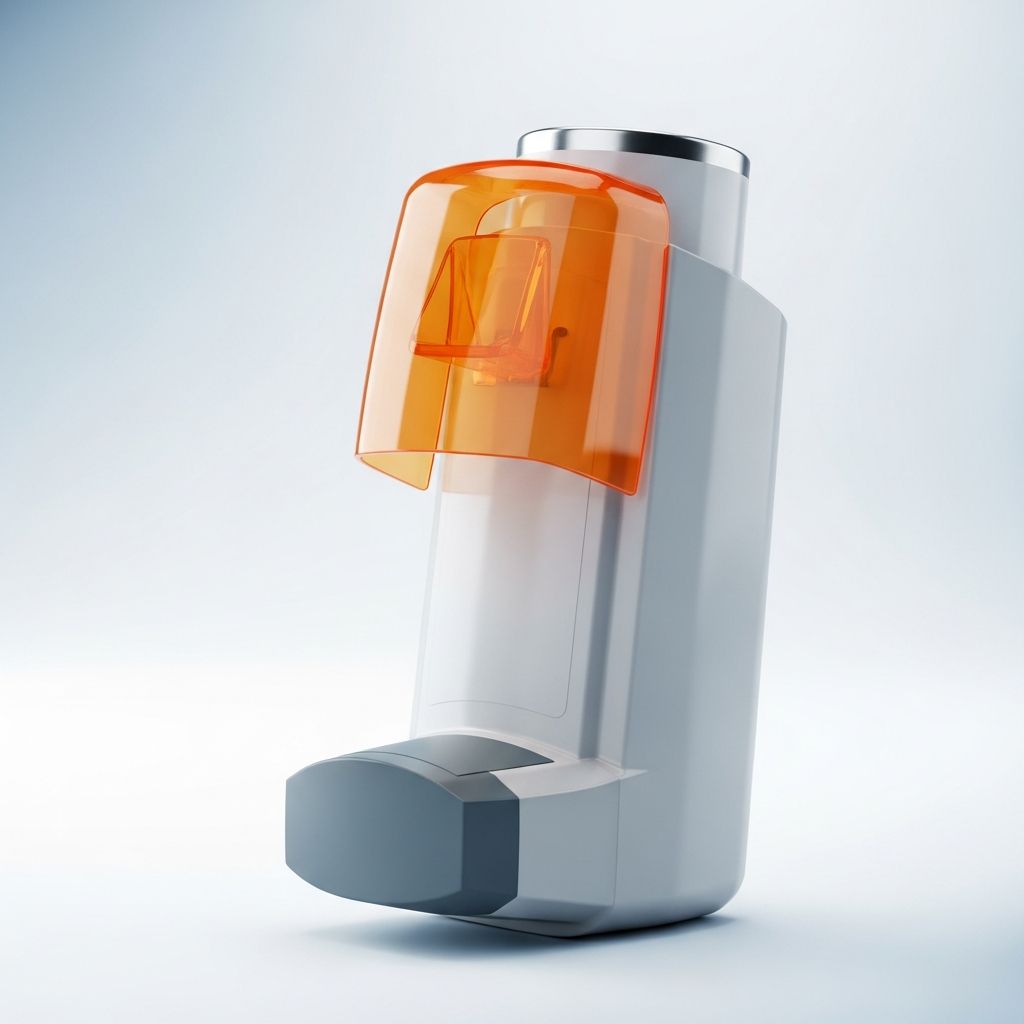
What is a Sodium Cromoglicate Inhaler?
A sodium cromoglicate inhaler, commonly known by the brand name Intal, is a type of preventative medication used to manage asthma symptoms in adults and children over 5 years of age. This inhaler belongs to a class of medications called preventer inhalers, which work differently from reliever inhalers that provide immediate symptom relief during asthma attacks. Sodium cromoglicate is thought to work by reducing the release of certain chemicals in the airways that cause inflammation, thereby preventing asthma symptoms from developing in the first place.
The medicine is delivered directly into your airways when you inhale it, which means that your lungs and airways receive the treatment while minimal amounts of the medication enter the rest of your body. This targeted delivery system makes sodium cromoglicate particularly effective for localized asthma management with fewer systemic side effects.
How Sodium Cromoglicate Works
Sodium cromoglicate functions as a prophylactic agent, meaning it works to prevent asthma symptoms rather than treat acute attacks. The medication acts by stabilizing mast cells and reducing the release of inflammatory mediators that trigger bronchospasm and airway constriction. When used regularly, cromolyn lessens the number and severity of asthma attacks by reducing inflammation in the airways.
It is important to understand that sodium cromoglicate is not a reliever inhaler and does not work quickly enough to relieve an asthma attack that has already started. The medication requires regular use to build up its preventative effect, and patients will need a separate quick-relief inhaler, such as salbutamol or terbutaline, for acute asthma symptoms.
Before Using a Sodium Cromoglicate Inhaler
Before you or your child begins using a sodium cromoglicate inhaler, it is essential that your doctor has complete information about your medical history and current medications. This helps ensure the medication is suitable for you and minimizes the risk of adverse reactions or drug interactions.
Inform your doctor if you have any of the following conditions or circumstances:
- If you are pregnant, trying for a baby, or breastfeeding
- If you have ever had an allergic reaction to any medicine
- If you are taking any other medications, including over-the-counter medicines, herbal supplements, or complementary therapies
In patients with decreased renal or hepatic (kidney or liver) function, the dosage may need to be adjusted or the medication discontinued. Additionally, sodium cromoglicate should be used with caution in patients with coronary artery disease or a history of cardiac arrhythmias due to the propellants in the preparation.
How to Use a Sodium Cromoglicate Inhaler
Proper inhaler technique is crucial for effective asthma management. Before starting treatment, carefully read the manufacturer’s printed information leaflet that comes inside the package, as it provides detailed instructions and diagrams for correct use.
General Instructions
- Follow your doctor’s instructions carefully and ensure you understand how to use the inhaler properly
- Ask your nurse, doctor, or pharmacist to demonstrate the correct technique if you are unsure
- Try to use the inhaler at the same times each day for consistent preventative coverage
- If you forget a dose, use it as soon as you remember, but do not double up on doses
- Never stop using the inhaler suddenly, as this can cause asthma symptoms to recur; your doctor will advise you to reduce the dose gradually if discontinuation becomes necessary
Related Stories



Using the Inhaler with a Spacer
When using a spacer device, follow these steps for optimal medication delivery:
- Gently shake the inhaler and spacer well before use
- Hold the mouthpiece of the spacer away from your mouth and breathe out slowly and completely
- Place the mouthpiece of the spacer into your mouth between your teeth and over your tongue with your lips closed around it
- Press down on the canister top once to release one puff of medicine into the spacer
- Within 1 or 2 seconds, begin to breathe in slowly and deeply through your mouth for 5 to 10 seconds
- Count the seconds while inhaling to ensure adequate medication delivery
Using the Spinhaler Device
For patients using cromolyn capsules with a Spinhaler or similar device:
- Do not swallow the capsules, as the medicine will not work if swallowed
- Check that the mouthpiece is properly attached to the body of the inhaler
- Hold the inhaler away from your mouth and breathe out slowly to the end of a normal breath
- Place the mouthpiece in your mouth, close your lips around it, and tilt your head back
- Do not block the mouthpiece with your teeth or tongue
- Ask your healthcare professional to check regularly how you use the inhaler to ensure proper technique
Dosage Information
The dosage of sodium cromoglicate varies depending on your condition and the form of medication prescribed.
Standard Asthma Prevention Dosage
The usual starting dose is two puffs of the inhaler, four times daily at regular intervals. Each actuation delivers 1 mg of cromolyn sodium through the valve and 800 micrograms through the mouthpiece to the patient.
Exercise-Induced Asthma Prevention
Some patients may be advised to use one puff before exercise to prevent exercise-induced symptoms. For prevention of acute bronchospasm following exercise, exposure to cold, dry air, or environmental agents, the usual dose is two metered inhalations shortly before exposure to the triggering factor, ideally within 10 to 15 minutes but not more than 60 minutes.
Nebulizer Dosage
For patients using a nebulizer, the typical dose is 20 mg (1 vial) via nebulization 4 times daily at regular intervals. The effect of sodium cromoglicate is usually evident after several weeks of treatment, although some patients show an almost immediate response. However, patients should be advised that 2 to 4 weeks of continuous therapy may be required for optimum effects to be achieved.
Your doctor will inform you of the dose that is right for you, and this information will be printed on the label of your inhaler as a reminder.
Getting the Most from Your Treatment
To maximize the benefits of sodium cromoglicate therapy, certain lifestyle measures and precautions are essential:
Avoiding Smoking
Do not smoke. Smoking causes severe irritation and damage to the lungs, will make your asthma condition worse, and will significantly reduce the beneficial effects of your sodium cromoglicate treatment.
Recognizing When to Seek Medical Help
If after using the inhaler for the first time your breathing becomes worse or you suddenly start to wheeze, do not use the inhaler again and let your doctor know straightaway. Your doctor will want to change the inhaler to one more suited to you, as this may indicate an adverse reaction or that a different medication is more appropriate for your condition.
Consistency and Regular Use
Sodium cromoglicate must be used regularly in order to have an effect. Unlike reliever inhalers that work immediately, this preventative medication requires consistent daily use to build and maintain its protective effect against asthma symptoms.
Side Effects and How to Manage Them
While sodium cromoglicate is generally well-tolerated, some patients may experience side effects. The following table outlines common mild side effects and practical management strategies:
| Side Effect | Management Strategy |
|---|---|
| Mild throat irritation, cough | Try brushing your teeth or rinsing out your mouth with water after using the inhaler. Sucking sugar-free sweets can help relieve coughing, but if this becomes troublesome, inform your doctor |
| Headache | Drink plenty of water and ask your pharmacist to recommend a suitable painkiller. If headaches continue, let your doctor know |
| Sneezing, runny or blocked nose | This is usually mild and soon passes without intervention |
Rare and Serious Side Effects
In rare cases, patients may experience more serious reactions. Occasionally, patients may experience cough and/or bronchospasm following cromolyn sodium inhalation. Very rarely, severe bronchospasm has been encountered, and patients who develop this reaction may not be able to continue administration despite prior bronchodilator administration. Additionally, severe anaphylactic reactions can occur after cromolyn sodium administration, though this is extremely uncommon.
If you experience any symptoms which you think may be due to the inhaler, speak with your doctor or pharmacist promptly.
Special Precautions and Considerations
Eosinophilic Pneumonia
Intal Inhaler should be discontinued if the patient develops eosinophilic pneumonia or pulmonary infiltrates with eosinophilia.
Renal and Hepatic Function
In view of the biliary and renal routes of excretion for cromolyn sodium, consideration should be given to decreasing the dosage or discontinuing the administration of the drug in patients with impaired renal or hepatic function.
When to Introduce Into Treatment Regimen
Sodium cromoglicate should be introduced into your therapeutic regimen when the acute asthma episode has been controlled, the airway has been cleared, and you are able to inhale adequately. It should be added to your existing treatment regimen, such as with bronchodilators, and is not intended as a replacement for acute emergency treatment.
Frequently Asked Questions (FAQs)
Q: Is sodium cromoglicate a reliever or preventer inhaler?
A: Sodium cromoglicate is a preventer inhaler used for long-term asthma management. It is not a reliever and does not work quickly enough to relieve an asthma attack that has already started. You will need a separate reliever inhaler, such as salbutamol, for acute asthma symptoms.
Q: How long does it take for sodium cromoglicate to work?
A: The effect of sodium cromoglicate is usually evident after several weeks of treatment, although some patients show an almost immediate response. Patients should be prepared for 2 to 4 weeks of continuous therapy to achieve optimum effects.
Q: Can I stop using my sodium cromoglicate inhaler suddenly?
A: No, do not stop using the inhaler suddenly, as this can cause your asthma symptoms to recur. Your doctor will ask you to reduce your dose gradually if it becomes necessary to stop the treatment.
Q: What should I do if my symptoms get worse after starting sodium cromoglicate?
A: If after using the inhaler for the first time your breathing becomes worse or you suddenly start to wheeze, do not use the inhaler again and let your doctor know straightaway. Your doctor will want to change you to a different inhaler that is more suited to you.
Q: Can I use sodium cromoglicate before exercise?
A: Yes, some patients are advised to use one puff before exercise to prevent exercise-induced asthma symptoms. Your doctor will tell you if this is appropriate for your condition.
Q: What if I forget to use my inhaler?
A: If you forget a dose, use it as soon as you remember. However, do not double up on doses to make up for the missed one. Try to use the inhaler at the same times of day each day to help you remember.
Q: Can I use sodium cromoglicate if I’m pregnant or breastfeeding?
A: You should inform your doctor if you are pregnant, trying for a baby, or breastfeeding before starting sodium cromoglicate. Your doctor will assess whether the benefits outweigh any potential risks in your specific situation.
Q: What is the difference between using the inhaler with and without a spacer?
A: A spacer helps deliver more medicine directly to your lungs and less to your mouth and throat, which can help reduce side effects like throat irritation. Using a spacer requires you to press the inhaler, wait 1-2 seconds, then breathe in slowly over 5-10 seconds to allow adequate medication delivery.
References
- Sodium cromoglicate inhaler — Patient.info. 2025. https://patient.info/medicine/sodium-cromoglicate-inhaler
- Intal® Inhaler (cromolyn sodium inhalation aerosol) labeling — Pfizer. https://labeling.pfizer.com/ShowLabeling.aspx?id=832
- Cromolyn (inhalation route): Side effects and dosage — Mayo Clinic. 2025. https://www.mayoclinic.org/drugs-supplements/cromolyn-inhalation-route/description/drg-20067594
- Cromolyn Sodium — StatPearls, NCBI Bookshelf. 2025. https://www.ncbi.nlm.nih.gov/books/NBK557473/
- Cromolyn: uses, dosing, warnings, adverse events, interactions — Medcentral. https://www.medcentral.com/drugs/monograph/1242-382713/cromolyn-inhalation
Similar Articles








Read full bio of Sneha Tete